
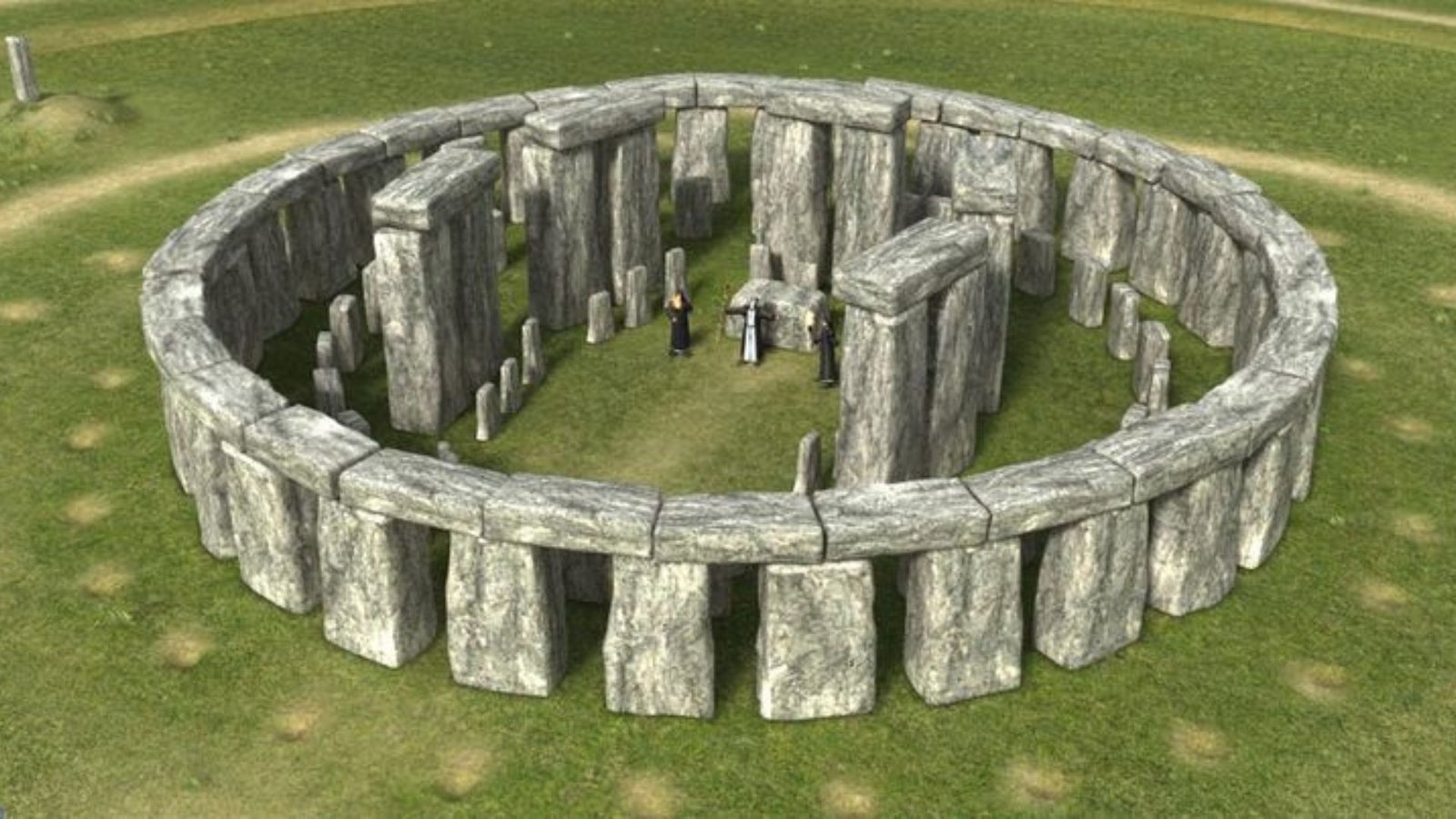
Stonehenge is one of the most famous prehistoric monuments in the world. Located in southern England, this ancient stone circle has fascinated historians, archaeologists, and travelers for centuries. The massive stones arranged in a circular formation continue to raise questions about how ancient people built such an impressive structure without modern technology. Because of its mysterious history and remarkable design, stonehenge remains a powerful symbol of human achievement and ancient culture.
The monument attracts visitors from around the globe who want to explore its beauty and historical importance. Experts believe stonehenge was built in several stages over many centuries, making it one of the most significant engineering accomplishments of prehistoric society. Even today, researchers continue to study the monument to uncover more information about its origins and purpose.
The History of Stonehenge
The history of stonehenge dates back more than 4,500 years. Archaeologists believe the first stage of construction began around 3000 BC when ancient communities created a circular ditch and bank enclosure. Over time, builders added large standing stones and changed the structure several times.
The monument evolved gradually across generations. During later phases, builders placed giant sandstone blocks known as sarsens in circular and horseshoe formations. Smaller bluestones were also brought from distant regions, showing the remarkable effort involved in construction. The transportation of these stones continues to puzzle researchers because the builders had no access to wheels, machinery, or advanced tools.
Stonehenge reflects the skills and determination of prehistoric communities. Historians believe the monument became increasingly important as society developed, eventually turning into a major ceremonial and cultural center.
How Stonehenge Was Built
The construction of stonehenge remains one of history’s greatest mysteries. The giant stones used in the monument weigh several tons, yet ancient builders managed to move them across long distances. Researchers believe workers used ropes, wooden sledges, and human strength to transport the stones.
Some theories suggest the stones were rolled on logs, while others believe rivers and waterways helped move the materials closer to the site. Once the stones arrived, workers carefully raised them into place and added horizontal lintels on top. The stones fit together with surprising precision, showing that prehistoric builders possessed advanced engineering knowledge.
The effort required to build stonehenge was enormous. Communities would have needed organized planning, cooperation, and skilled labor for many years. This achievement proves that ancient societies were far more capable and sophisticated than many people once believed.
The Purpose Behind Stonehenge
One of the biggest mysteries surrounding stonehenge is its true purpose. Archaeologists and historians have proposed several theories over the years. Many experts believe the monument served as a ceremonial or religious center where people gathered for rituals and celebrations.
Another important theory connects stonehenge with astronomy. The structure aligns with the sunrise during the summer solstice and the sunset during the winter solstice. These alignments suggest ancient people may have used the monument to mark seasonal changes and important agricultural events.
Researchers have also discovered evidence that stonehenge may have functioned as a burial site. Cremated human remains found near the monument indicate that funerary ceremonies likely took place there. Some historians believe the site honored ancestors or important members of society. Although experts continue debating its exact role, most agree that stonehenge held deep spiritual and cultural meaning.
Stonehenge and Ancient Culture
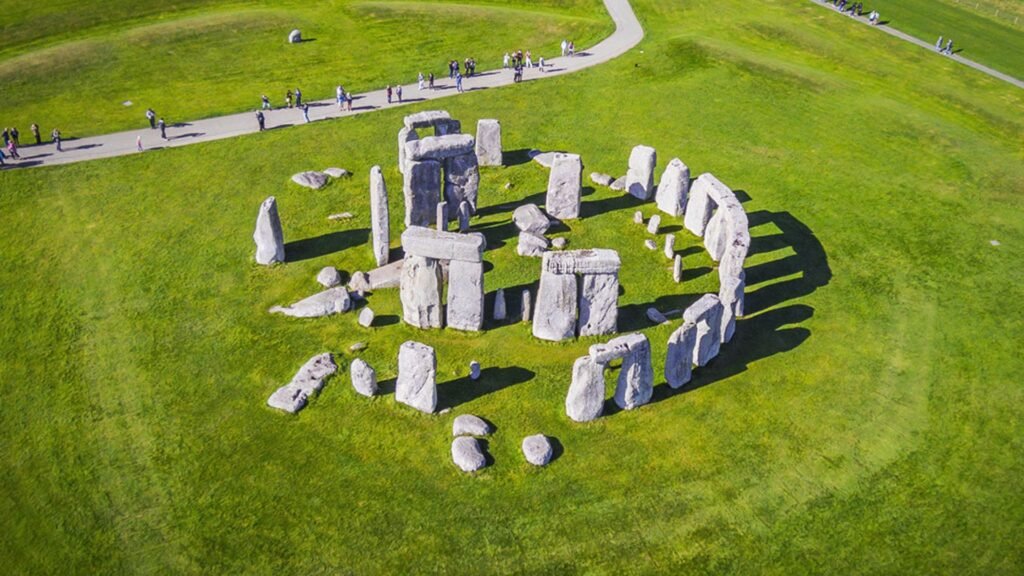
Stonehenge offers valuable insight into the beliefs and traditions of prehistoric society. Ancient communities often built monuments to serve as gathering places for ceremonies, social events, and religious practices. Stonehenge likely played a similar role for the people who constructed it.
The monument also demonstrates the importance of cooperation among ancient communities. Building such a massive structure required teamwork and planning over many generations. Some researchers believe stonehenge symbolized unity between different groups because materials were transported from distant regions.
In addition, the surrounding landscape contains burial mounds and other prehistoric sites connected to ceremonial activities. These discoveries show that stonehenge formed part of a larger sacred environment. The monument therefore provides historians with important clues about how ancient people lived, worked, and honored their traditions.
Archaeological Discoveries Around Stonehenge
Modern archaeological research continues to reveal new information about stonehenge. Scientists use advanced technology such as ground-penetrating radar and scientific testing to explore the monument and nearby areas. These studies have uncovered hidden structures, ancient pathways, and ceremonial sites surrounding the stone circle.
Researchers have also traced the origins of several stones used in construction. Some stones came from regions located many miles away, proving that prehistoric communities were capable of transporting heavy materials across difficult terrain. These discoveries continue to reshape our understanding of ancient society and engineering abilities.
Despite decades of research, stonehenge still contains many unanswered questions. Each new discovery adds another piece to the puzzle, keeping interest in the monument alive around the world.
Why Stonehenge Remains Important Today
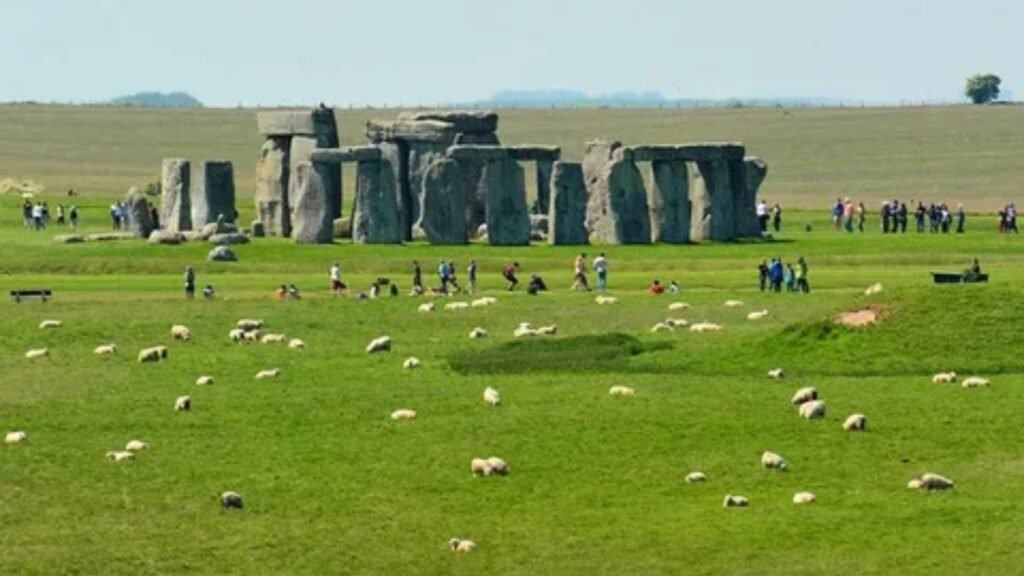
Today, stonehenge remains one of the world’s most recognized historical landmarks. Millions of people visit the site every year to experience its mystery and beauty. The monument serves as an important educational resource that helps people learn about prehistoric civilization and ancient engineering.
Stonehenge is also protected as a UNESCO World Heritage Site because of its historical and cultural significance. Preservation efforts ensure the monument will continue to inspire future generations. Historians, archaeologists, and tourists alike view stonehenge as one of humanity’s greatest ancient achievements.
Its lasting popularity proves that people remain deeply interested in understanding the past. Even though many theories exist about its purpose, the mystery surrounding stonehenge continues to capture global attention.
Conclusion
Stonehenge stands as one of the most extraordinary monuments ever created by ancient civilization. Its massive stones, mysterious origins, and possible ceremonial purpose continue to fascinate historians and visitors from around the world. The monument represents human creativity, determination, and cooperation during prehistoric times.
Although researchers have uncovered important details about its construction and history, many mysteries still remain unsolved. This sense of wonder is one reason why stonehenge continues to attract global attention. As new discoveries emerge, the monument will likely remain one of history’s most important and fascinating landmarks.
FAQs
What is Stonehenge?
Stonehenge is a prehistoric stone monument located in southern England.
How old is Stonehenge?
Stonehenge is believed to be more than 4,500 years old.
Why was Stonehenge built?
Researchers believe it may have served ceremonial, spiritual, astronomical, or burial purposes.
Where did the stones come from?
Some stones came from nearby regions, while others were transported from distant parts of Britain.
Why is Stonehenge important today?
Stonehenge is important because it represents ancient engineering, culture, and historical achievement.
