
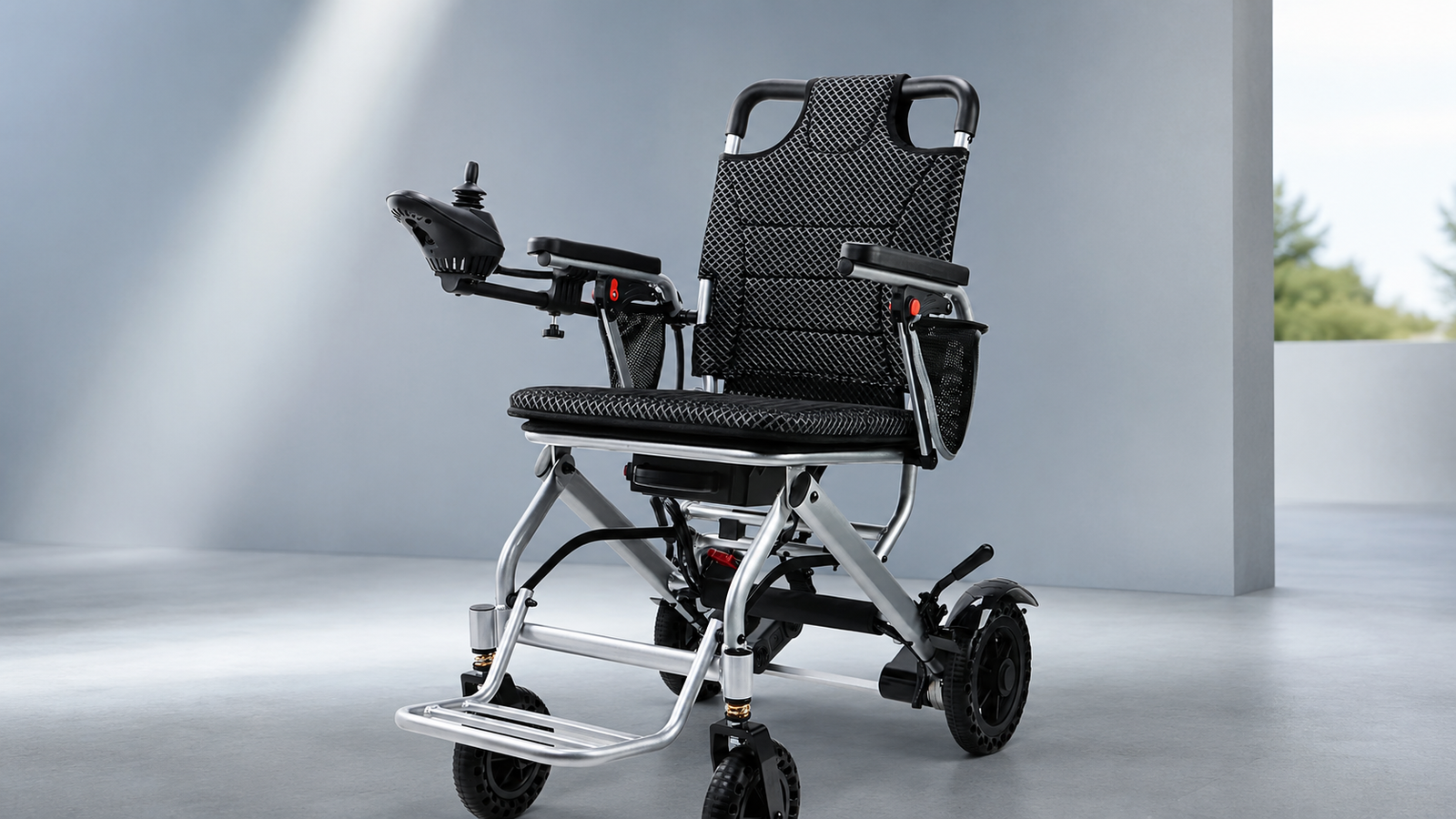
Choosing a lightweight electric wheelchair is not just about picking the smallest or cheapest model on a shelf. It is about finding a device that fits your body, your home, your travel habits, and your daily routine without forcing you to compromise on comfort or safety.
Most articles on this topic are really just product catalogs dressed up as guides. They list specs, mention a few brand names, and call it a day. This guide takes a different approach. It walks you through the real questions you should be asking before you spend your money, so you end up with a chair that actually works for your life instead of one that just looked good in a photo.
Whether you are shopping for yourself, a parent, or a loved one, this guide will help you understand what makes a lightweight electric wheelchair genuinely lightweight, how to judge quality beyond the weight number on the box, and how to avoid the common mistakes that lead to returns and regret.
What Is a Lightweight Electric Wheelchair
A lightweight electric wheelchair is a battery powered mobility device built with portability as the main design goal. Instead of the bulkier frames found on standard or heavy duty power chairs, these models use materials like aluminum alloy or carbon fiber to keep total weight low, often somewhere between 28 and 50 pounds.
They are controlled with a joystick, run on rechargeable batteries, and either fold flat or break apart into smaller sections. This makes them far easier to load into a car trunk, store in a closet, or bring along on a flight compared to a full sized power chair.
The tradeoff is usually in weight capacity and top speed. A lightweight electric wheelchair generally supports less total user weight than a heavy duty model, and it typically tops out at a slower maximum speed. For many users, this tradeoff is well worth it in exchange for the freedom to travel and the ease of getting around a small living space.
Who Actually Benefits From One
Lightweight electric wheelchairs are not the right fit for everyone, and being honest about that upfront will save you time and money.
These chairs tend to work best for people who:
- Travel frequently by car, plane, or train and need a chair that can be lifted or stored easily
- Live in an apartment, condo, or older home with narrow hallways and tight doorways
- Have enough strength to transfer independently but lack the stamina or shoulder strength for a manual chair
- Want a secondary chair for outings, in addition to a primary chair used at home
On the other hand, someone who needs a chair for full time, all day use across rough terrain or long distances may be better served by a standard or heavy duty power wheelchair with a larger battery and sturdier frame. Being clear about your primary use case before you shop will narrow your options considerably and prevent buyer’s remorse.
Folding Versus Disassembling Designs
This is one of the most important decisions in the entire buying process, and it rarely gets the attention it deserves.
Folding chairs collapse into a single compact unit, similar to folding a stroller. They are quick to set up and pack away, which makes them convenient for someone who transfers in and out of the chair frequently throughout the day. The downside is that even folded, they can still be somewhat heavy to lift into a trunk in one piece.
Disassembling chairs break apart into separate pieces, such as the seat, the base, and the battery. Each individual piece is lighter to lift, which can be a real advantage for a caregiver or spouse who is loading the chair alone. The tradeoff is that reassembly takes a bit more time and a little more physical coordination.
Neither design is objectively better. The right choice depends entirely on who will be lifting the chair, how often, and what their own physical capabilities look like. If a caregiver has back issues, a disassembling model that breaks into lighter pieces might be the more practical choice, even if it takes an extra minute to set up.
Weight Is Not the Whole Story
Manufacturers love to advertise the lowest possible weight number, and it is easy to assume the lightest chair on the list is automatically the best option. In practice, weight is only one piece of a much bigger puzzle.
A few things matter just as much as total weight:
- Frame material. Carbon fiber frames are lighter than aluminum but often come at a higher price point. Aluminum alloy frames are heavier but tend to be more affordable and still quite durable.
- Turning radius. A tighter turning radius makes a real difference in cramped kitchens, bathrooms, and hallways, sometimes more than the chair’s overall weight does.
- Seat width and depth. A chair that is technically lightweight but does not fit your body comfortably will not feel lightweight in daily use. Comfort and proper support matter just as much as portability.
- Footplate and armrest adjustability. These small details affect posture and long term comfort far more than most buyers expect going in.
A slightly heavier chair with better ergonomics and a tighter turning radius may end up serving you far better than the absolute lightest option on the market.
Battery Range and Real World Performance
Battery range listed by manufacturers is measured under ideal conditions: flat ground, moderate temperature, and a rider closer to the lower end of the weight capacity. Real world range is almost always shorter.
Factors that reduce your actual range include:
- Riding on carpet, gravel, or any uneven surface
- Colder outdoor temperatures, which reduce battery efficiency
- A rider closer to the chair’s maximum weight capacity
- Frequent stopping and starting rather than steady, continuous movement
If a chair is rated for 10 miles on a single charge, it is wise to plan your outings around a more realistic 6 to 7 mile range, particularly if you will be using it outdoors or on mixed terrain. Always ask about the battery type as well. Lithium batteries are lighter and often airline approved, while sealed lead acid batteries are heavier but sometimes more affordable upfront.
Sizing and Fit: The Step Most Buyers Skip
This is the section most buying guides leave out entirely, yet it is arguably the most important step in the whole process.
Before purchasing, take these measurements:
- Hip width while seated, to confirm the seat width will be comfortable rather than tight or too loose.
- Doorway widths throughout your home, particularly bathrooms and hallways, compared against the chair’s overall width.
- Vehicle trunk or back seat dimensions, if you plan to transport the chair regularly.
- Your own height and torso length, to check that the seat depth and backrest height will properly support you.
Many buyers focus entirely on the chair’s specifications and skip measuring their own home and body. A chair that is technically lightweight but does not fit through your bathroom door or does not properly support your frame will end up sitting unused in a closet, regardless of how good it looked online.
Medicare, Insurance, and Financing
Medicare Part B may cover a portion of the cost of a power wheelchair, including some lightweight models, if specific medical necessity requirements are met. Generally, you will need documentation from your doctor confirming that you cannot safely use a cane, walker, or manual wheelchair to complete daily activities within your home.
Steps typically involved include:
- A face to face examination with your physician
- A written order confirming medical necessity
- Submission through a Medicare enrolled supplier
- Prior authorization in many cases before the chair ships
Even with coverage, out of pocket costs are common, since Medicare typically covers around 80 percent of the approved amount after the deductible is met. Private insurance requirements vary widely, so it is worth calling your provider directly and asking specifically about durable medical equipment coverage before assuming a chair will be reimbursed. Many suppliers also offer financing plans for buyers who are paying out of pocket or covering the remaining balance after insurance.
Maintenance and Battery Care
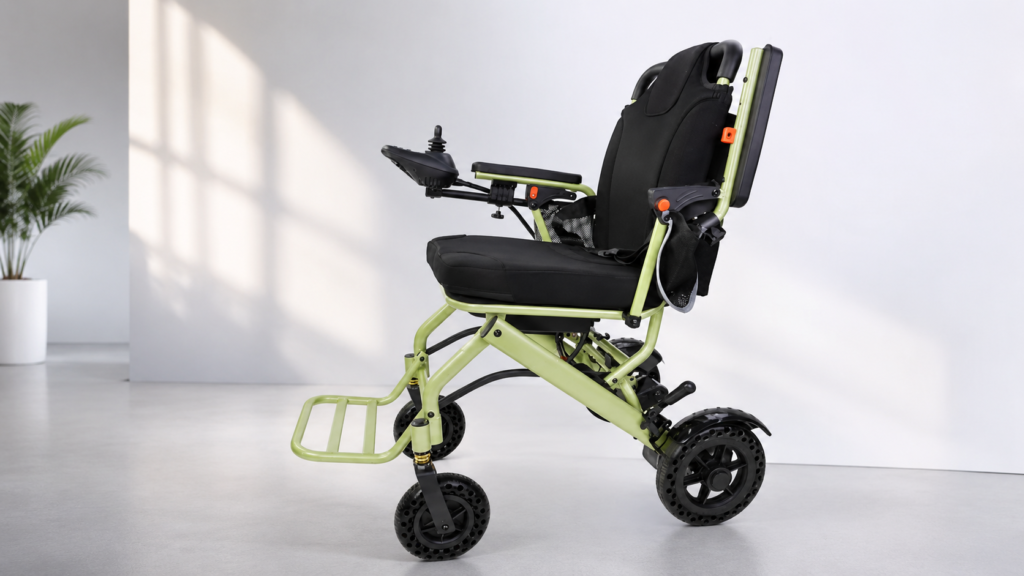
A lightweight electric wheelchair is an investment, and proper care will extend its useful life significantly.
A few habits worth building into your routine:
- Charge the battery fully after each use rather than letting it sit empty for extended periods
- Avoid exposing the battery to extreme heat or cold whenever possible
- Check tire pressure regularly if the chair uses pneumatic tires
- Wipe down the frame and joystick after outdoor use to prevent dirt buildup in moving parts
- Schedule an annual checkup with your supplier to inspect wiring, brakes, and the motor
Most lithium batteries used in lightweight chairs last between 300 and 500 full charge cycles before performance noticeably declines. Tracking roughly how often you charge will give you a realistic idea of when a replacement battery might become necessary.
Common Mistakes When Buying
A few patterns show up again and again among buyers who end up disappointed with their purchase.
- Buying based on weight alone, without considering seat comfort or turning radius
- Skipping home measurements, then discovering the chair does not fit through a bathroom door
- Underestimating real world battery range, leading to frustration on longer outings
- Ignoring the caregiver’s physical ability to lift and load a folding or disassembling model
- Assuming insurance will cover everything, only to be surprised by out of pocket costs later
Avoiding these mistakes usually comes down to slowing down before you buy, asking suppliers direct questions, and testing a chair in person whenever that option is available.
How to Compare Models Without Getting Overwhelmed
With dozens of lightweight electric wheelchair models on the market, comparison shopping can quickly become overwhelming. A simple framework helps cut through the noise.
Rank your priorities in this order, then compare models against your own list rather than a manufacturer’s marketing copy:
- Primary use case, such as travel, indoor use, or a secondary backup chair
- Weight capacity, based on an honest assessment of the user’s body weight
- Folding versus disassembling design, based on who will be doing the lifting
- Realistic battery range, based on planned outings rather than the advertised maximum
- Budget, including any expected insurance reimbursement
Once you know your own priorities, request specifications directly from suppliers and ask to see or test a floor model in person if a local mobility store carries one. A short in person trial often reveals comfort issues that no spec sheet will show you.
Conclusion
A lightweight electric wheelchair can genuinely restore independence, whether that means catching a flight without dread, navigating a small apartment with ease, or simply having a reliable backup chair for busy days out.
The best choice is rarely the lightest chair on paper. It is the one that fits your body, matches how you and your caregiver will actually use it day to day, and holds up honestly against your real travel and mobility needs. Take the time to measure your space, be realistic about battery range, and ask suppliers direct questions about insurance and financing before you commit.
A little extra research now saves a lot of frustration later, and it is the difference between a chair that sits unused in a closet and one that genuinely gives you your independence back.
Frequently Asked Questions
How much does a lightweight electric wheelchair typically cost?
Prices generally range from around 1,700 to 4,500 dollars depending on the brand, frame material, and battery type. Carbon fiber models tend to sit at the higher end of that range.
Can I take a lightweight electric wheelchair on a plane?
Many models are airline approved, particularly those with lithium batteries, but it is important to confirm battery specifications with the airline directly before your trip since rules can vary.
Does Medicare cover lightweight electric wheelchairs?
Medicare Part B may cover a portion of the cost if your doctor documents medical necessity and the supplier is Medicare enrolled. Out of pocket costs are still common even with approval.
How long does the battery last on a full charge?
Most models offer a manufacturer estimated range of 8 to 15 miles, though real world range is often somewhat lower depending on terrain, temperature, and rider weight.
What is the difference between folding and disassembling models?
Folding chairs collapse into one compact unit for quick setup, while disassembling chairs break into separate lighter pieces that are easier for a caregiver to lift individually, though reassembly takes a bit more time.
