
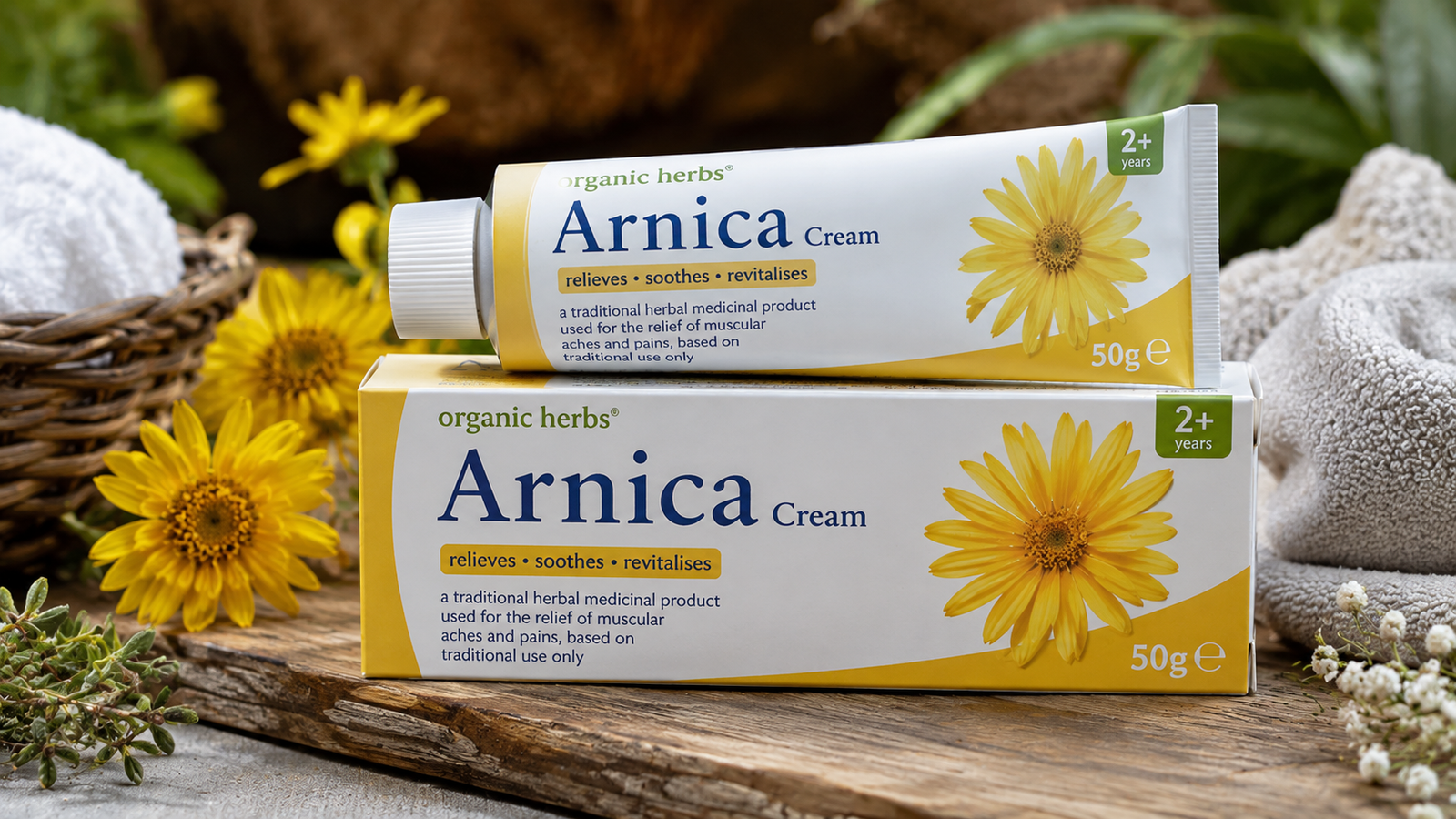
Bruises, sore muscles, and achy joints are part of everyday life, whether you are an athlete, a weekend gardener, or someone recovering from a minor bump. If you have ever searched for a gentler alternative to oral pain relievers, chances are you have come across arnica cream. It is one of the most talked about natural remedies for pain and swelling, yet most people only know the basics.
This guide goes further. You will learn exactly how arnica cream works, how to use it correctly, who should steer clear of it, and how to choose a product that actually delivers results. No fluff, no guesswork, just clear and practical information you can use today.
What Is Arnica Cream
Arnica cream is a topical product made from Arnica montana, a yellow flowering plant that grows in the mountainous regions of Europe and parts of North America. For centuries, people have crushed or extracted the plant’s flowers and roots to create remedies for bruising, swelling, and muscle discomfort.
Modern arnica cream is typically formulated in one of two ways. Herbal preparations use a concentrated plant extract, while homeopathic versions are highly diluted according to homeopathic principles. Both are applied directly to the skin rather than taken by mouth, which matters because raw arnica can be toxic if swallowed in meaningful amounts.
You will usually find arnica cream in pharmacies, health food stores, and online, often sitting alongside other natural pain relief products like menthol rubs and CBD balms.
How Arnica Cream Works
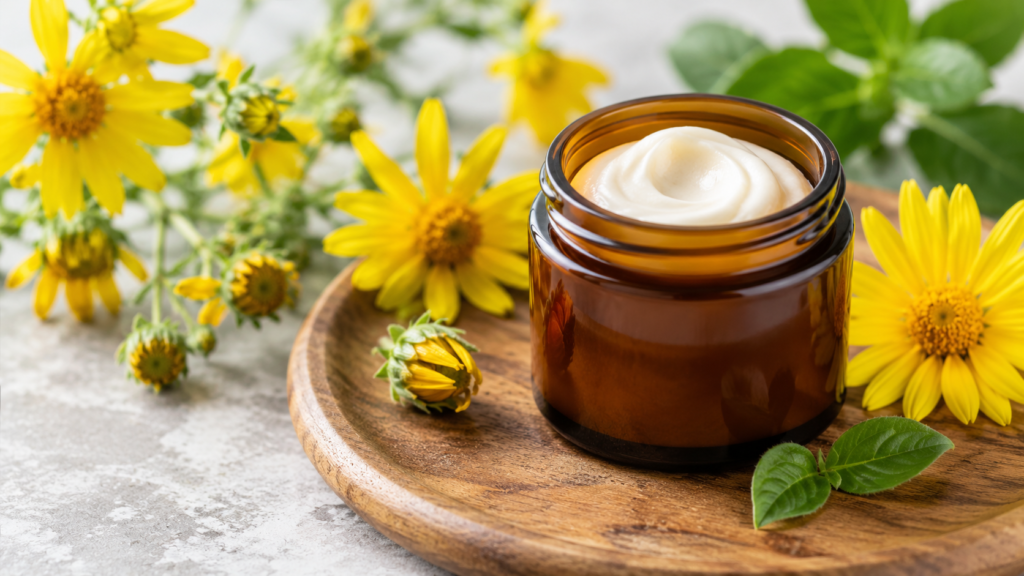
The active compounds in arnica, particularly a group of substances called sesquiterpene lactones, are believed to have anti inflammatory and pain relieving properties when absorbed through the skin. One well known compound, helenalin, appears to interfere with the inflammatory pathways that cause swelling, redness, and tenderness after an injury.
When applied to bruised or sore tissue, arnica cream is thought to help blood vessels near the surface of the skin heal faster, which may reduce the visible discoline of a bruise and ease the throbbing sensation that often comes with it.
It is worth noting that researchers are still studying exactly how strong this effect is, and results vary depending on the concentration of arnica used and how the product is formulated. We will look at the evidence in more detail later in this guide.
Key Benefits of Arnica Cream
People reach for arnica cream for a range of reasons. Here are the most common benefits reported by users and explored in clinical studies.
- Reduces the appearance and tenderness of bruises
- Eases muscle soreness after exercise or physical strain
- May help with minor swelling from sprains or overuse injuries
- Offers a non oral option for people who want to avoid pills
- Often used as a gentle addition to post workout recovery routines
- Some people apply it before or after minor cosmetic procedures, under medical guidance, to support faster visible healing of bruising
It is important to set realistic expectations. Arnica cream is generally viewed as a supportive remedy for mild, everyday aches and bruising, not a replacement for medical treatment when an injury is serious.
Arnica Cream vs Gel vs Ointment: Which Should You Choose
This is one of the most common points of confusion, and it rarely gets a clear answer. Here is a simple breakdown to help you choose the right format for your needs.
Arnica Cream
Creams have a thicker, more moisturizing texture thanks to added oils or emollients. They tend to sit on the skin a little longer, which makes them a good choice for dry skin or for massaging into larger muscle groups like the back, shoulders, or thighs.
Arnica Gel
Gels are lighter, water based, and absorb quickly without leaving a greasy residue. They are often preferred for smaller areas like the hands, feet, or face, and for people who dislike a heavy or oily feel.
Arnica Ointment
Ointments are the thickest of the three, usually oil based with little to no water content. They create a protective layer over the skin, which some people find useful for very dry or cracked areas, though they can feel heavier during the day.
If you are unsure where to start, a cream is usually the most versatile option for general muscle and joint discomfort, while a gel suits quick, on the go application.
How to Use Arnica Cream Safely and Effectively
Getting the technique right matters just as much as choosing the product. Follow these steps for the best results.
- Clean and dry the affected area before applying.
- Apply a small amount, roughly the size of a pea to a dime depending on the area, directly onto the skin.
- Gently massage the cream in circular motions until it is absorbed. This also helps stimulate circulation to the area.
- Use two to four times per day, or as directed on the product label.
- Begin applying as soon as possible after a minor injury or bruise appears, since arnica is generally considered most effective when used early.
- Wash your hands after each application unless you are treating your hands.
Most people use arnica cream for a few days to two weeks, depending on how long the bruising or soreness lasts. If there is no improvement within that window, it is worth checking in with a healthcare provider.
A Few Application Tips
Store your arnica cream in a cool, dry place, since heat can affect the stability of some formulations. Also avoid layering arnica cream with other strong topical treatments, like retinoids or medicated patches, on the same area at the same time, since this can irritate the skin.
Who Should Avoid Arnica Cream
Arnica cream is generally well tolerated, but it is not right for everyone. You should avoid it or speak with a doctor first if any of the following apply to you.
- You have broken, cut, or severely irritated skin, since arnica is meant for intact skin only
- You are allergic to ragweed, daisies, marigolds, or other plants in the Asteraceae family, as cross reactions are common
- You are pregnant or breastfeeding, since safety data is limited
- You are using blood thinning medication, as arnica may theoretically increase bruising risk in sensitive individuals
- You have a known sensitivity to topical herbal products
If you notice redness, itching, a rash, or swelling after applying arnica cream, stop use immediately and rinse the area with water.
What to Look for When Buying Arnica Cream
Not all arnica creams are created equal, and the label can tell you a lot before you buy.
Concentration. Look for the percentage of Arnica montana extract listed on the packaging. Higher concentrations are generally used for more noticeable bruising or soreness, while lower concentrations suit sensitive skin.
Formulation type. Decide whether you want a homeopathic dilution or a herbal extract based cream, since the two work differently and are dosed differently.
Added ingredients. Many creams include complementary ingredients like menthol, shea butter, or essential oils. These can boost comfort but may also increase the chance of irritation for sensitive skin, so check the full ingredient list.
Fragrance. If you have sensitive skin, a fragrance free version reduces the risk of unnecessary irritation.
Third party testing or certification. Reputable brands often list batch testing, organic certification, or manufacturing standards on their packaging or website, which is a good sign of quality control.
Arnica Cream for Specific Situations
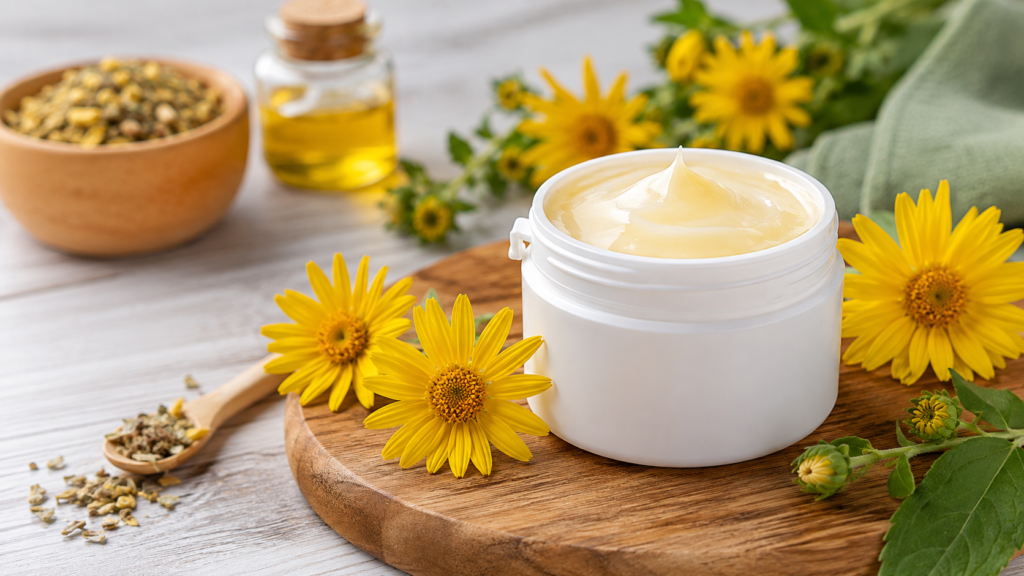
For Athletes and Active People
Many athletes apply arnica cream after intense training or competition to support recovery from muscle soreness and minor bumps. It is often used alongside stretching, hydration, and rest rather than as a standalone recovery tool.
After Minor Cosmetic Procedures
Some people use arnica cream, with their provider’s approval, around the site of minor cosmetic treatments to help manage visible bruising during the healing process. Always follow your provider’s specific aftercare instructions first.
For Older Adults
Skin tends to bruise more easily and heal more slowly with age. A gentle, fragrance free arnica cream applied consistently can be a comfortable addition to a bruise care routine, though it should not replace medical evaluation for unexplained or severe bruising.
For Children
Arnica cream is not typically recommended for young children unless a pediatrician has specifically approved it, since children’s skin is more sensitive and dosing guidance for this age group is limited.
What the Research Actually Says
It is easy to find bold claims about arnica online, so it helps to look at this honestly. Some clinical studies have found that topical arnica performs comparably to low dose ibuprofen gel for reducing pain and swelling from minor injuries and osteoarthritis. Other studies, however, have found effects similar to a placebo, particularly for bruising in a hospital or surgical setting.
The most reasonable takeaway is that arnica cream appears to offer real, though modest, benefits for many people, with individual results varying based on the injury, the concentration used, and how early treatment begins. It is best viewed as a helpful, low risk addition to your recovery routine rather than a guaranteed fix.
Final Thoughts
Arnica cream is a simple, widely available option for supporting your body through everyday bumps, bruises, and muscle soreness. It works best when applied early, used consistently, and matched to the right formulation for your skin and needs.
While it is not a cure all, choosing a quality product, understanding how to use it properly, and knowing when to avoid it can help you get genuine value from this centuries old remedy. As always, if pain, swelling, or bruising is severe or does not improve, check in with a healthcare provider rather than relying on topical treatment alone.
Frequently Asked Questions
Does arnica cream actually get rid of bruises faster?
It may help reduce the visible severity and tenderness of a bruise, especially when applied early, though results vary from person to person and it will not make a bruise disappear instantly.
Can I use arnica cream every day?
Yes, most products are designed for daily use over a short period, typically a few days to two weeks, unless your healthcare provider advises otherwise.
Is arnica cream safe to use on the face?
It can be used on the face in small amounts if the skin is not broken, though a lighter gel formulation is often more comfortable for facial application.
Can arnica cream be used with other pain relief methods?
Yes, many people combine it with rest, ice, and gentle stretching. If you are using prescription topical treatments, space out application times to avoid irritation.
How long does it take to see results from arnica cream?
Some people notice reduced tenderness within a day or two, while visible bruising improvement can take several days to a week, depending on the severity of the injury.
