
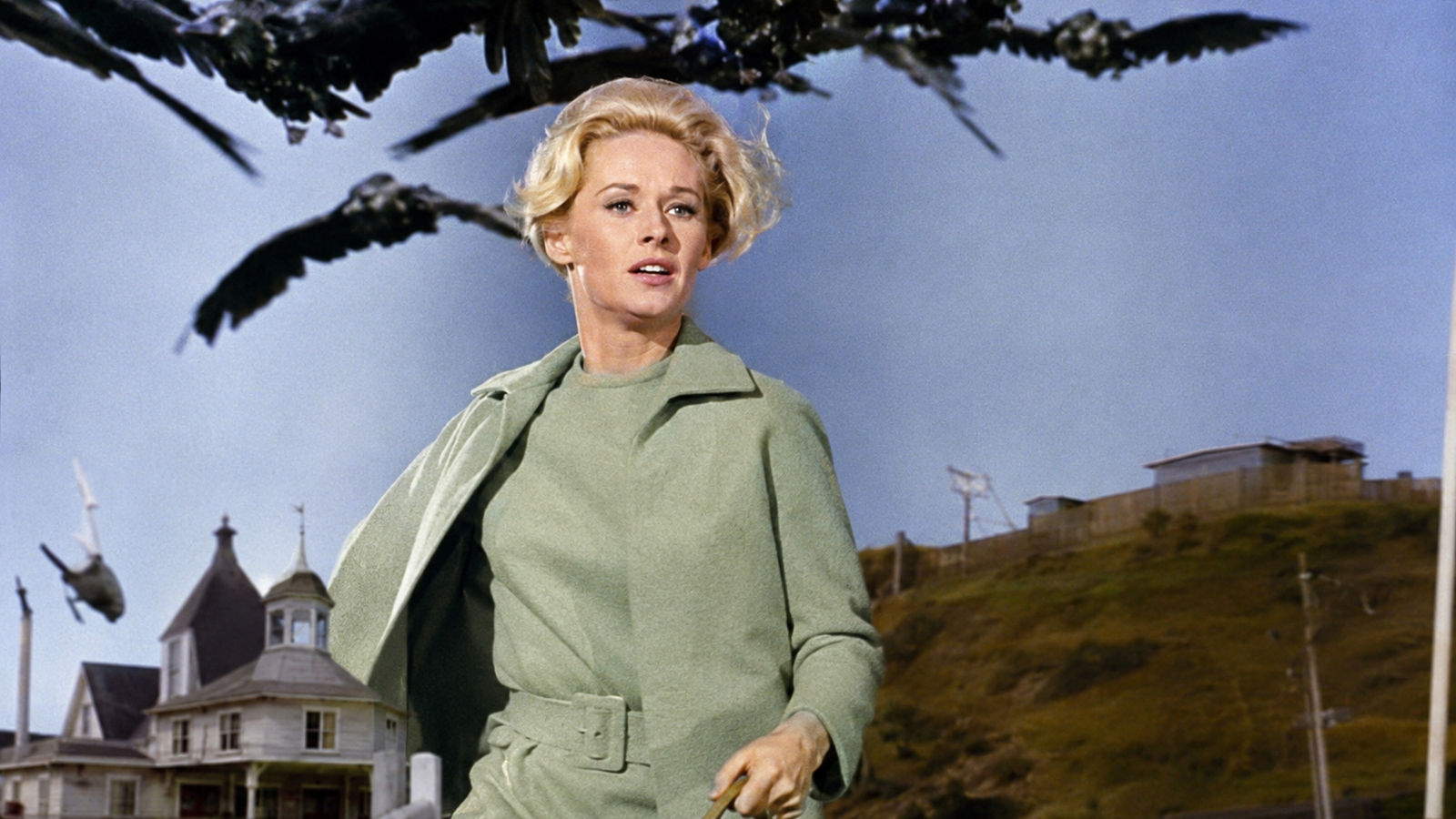
When people hear the name Tippi Hedren, most immediately picture the terrified woman fending off attacking birds in Alfred Hitchcock’s classic thriller. That image alone has kept her in the public conversation for more than six decades. But the real story of Tippi Hedren goes far beyond one iconic film role.
She is a former fashion model, a Golden Globe winning actress, a mother and grandmother to a Hollywood dynasty, and one of the most dedicated wildlife advocates in American history. Her life reads like a script that even Hitchcock himself might have rejected as too dramatic to be true.
This article takes a complete look at who Tippi Hedren really is: her rise from a small Minnesota town to international stardom, the complicated relationship that nearly derailed her career, her decades of work protecting big cats, and the family legacy she continues to shape today.
Who Is Tippi Hedren
Nathalie Kay Hedren, known to the world as Tippi Hedren, was born on January 19, 1930, in New Ulm, Minnesota. Her father ran a small general store and gave her the nickname Tippi as a baby, a name that stuck with her for life.
She grew up in a modest Midwestern household with Swedish, German, and Norwegian roots. Nothing about her early years suggested she would eventually become one of Hollywood’s most recognizable leading ladies and, later, a fierce voice for animal welfare.
Today, Tippi Hedren is remembered as an actress, a former model, and an activist whose influence stretches across entertainment and conservation alike.
Early Life and the Road to Modeling
As a teenager, Hedren took part in local department store fashion shows in Minneapolis, where her natural poise quickly caught attention. When her family later relocated to California, she was still finishing high school and already showing signs of the confidence that would define her career.
At eighteen, she made a bold decision. She bought a one way ticket to New York City to pursue modeling professionally. It was a risky move for a young woman from a small town, but it paid off quickly.
Within a year, Hedren was appearing in prominent publications, including Life and Glamour magazines. Her modeling work gave her financial independence and placed her in front of the cameras that would eventually change the direction of her life.
Discovered by Alfred Hitchcock
Tippi Hedren’s path to Hollywood began in an unexpected place: a television commercial. In 1961, she appeared in an advertisement for a diet drink that aired during NBC’s Today show.
Alfred Hitchcock happened to see that commercial. He was immediately drawn to her look and screen presence, and he moved quickly to bring her under contract. It was a deal that would launch her acting career almost overnight.
Hitchcock signed her to a personal, multi year contract, a common practice at the time but one that would later become a source of significant conflict between them. For a woman with no formal acting training, it was an extraordinary opportunity and a considerable gamble.
The Birds and the Role That Changed Everything
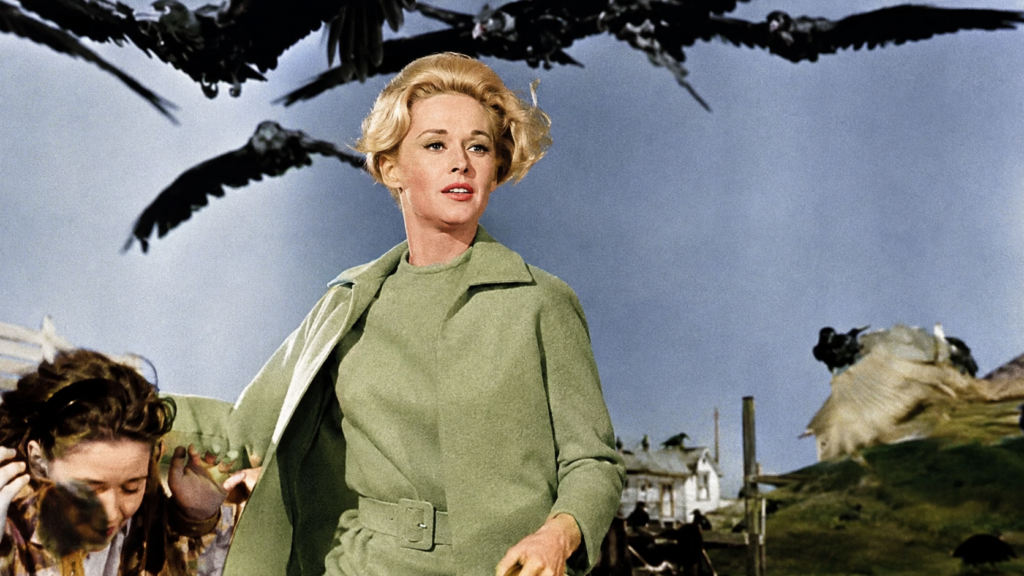
In 1963, Hitchcock cast Hedren in the lead role of Melanie Daniels in The Birds. The film, based loosely on a Daphne du Maurier story, became one of the most talked about thrillers of its era.
Working on set was far more demanding than Hedren initially expected. She believed the attacking birds would be mechanical or trained professionals working under controlled conditions. Instead, she found herself working with live birds during some of the film’s most intense sequences, an experience she has described as physically and emotionally exhausting.
Her performance earned widespread critical praise, along with a Golden Globe Award for New Star of the Year. Critics at the time compared her poise and screen presence to Grace Kelly, another of Hitchcock’s favored leading ladies. The Birds remains a cornerstone of American cinema and continues to introduce new generations to her work.
Marnie and the Darker Side of Fame
Following the success of The Birds, Hitchcock cast Hedren again in 1964’s Marnie, a psychological drama about a troubled woman with a hidden past. The role required significant emotional depth, and Hedren delivered a performance that has since gained a strong cult following.
Behind the scenes, however, the relationship between Hedren and Hitchcock grew increasingly difficult. She has spoken openly in later interviews and in her 2016 memoir about facing unwanted advances from the director and about his attempts to exert tight control over her career and personal life.
When she resisted his demands, Hitchcock reportedly refused to release her from her contract, effectively limiting the roles she could pursue elsewhere. It was a professional setback that likely cost her further major opportunities during what should have been the peak of her career.
Despite the circumstances, Hedren has never shied away from discussing this chapter honestly. Her willingness to speak about it decades later, particularly as conversations around power dynamics in Hollywood evolved, added an important perspective to a story that had long been told only from one side.
Life After Hitchcock
Once free from her contract obligations, Hedren continued working steadily throughout the following decades. She appeared in Charlie Chaplin’s final film, A Countess from Hong Kong, alongside Sophia Loren and Marlon Brando in 1967.
She went on to take roles in a wide variety of projects, including The Harrad Experiment and later the political satire Citizen Ruth in 1996. In 2004, she appeared in the offbeat comedy I Heart Huckabees, proving her willingness to keep experimenting well into her later career.
Rather than fading from view after her split with Hitchcock, Hedren built a long and varied filmography that spans more than half a century. Her adaptability became one of the defining traits of her professional life.
From Actress to Animal Advocate
Perhaps the most surprising turn in Tippi Hedren’s story came in 1969, during a trip to Africa with her second husband, producer Noel Marshall. While visiting wildlife preserves, the couple became captivated by big cats and deeply concerned about their treatment in captivity.
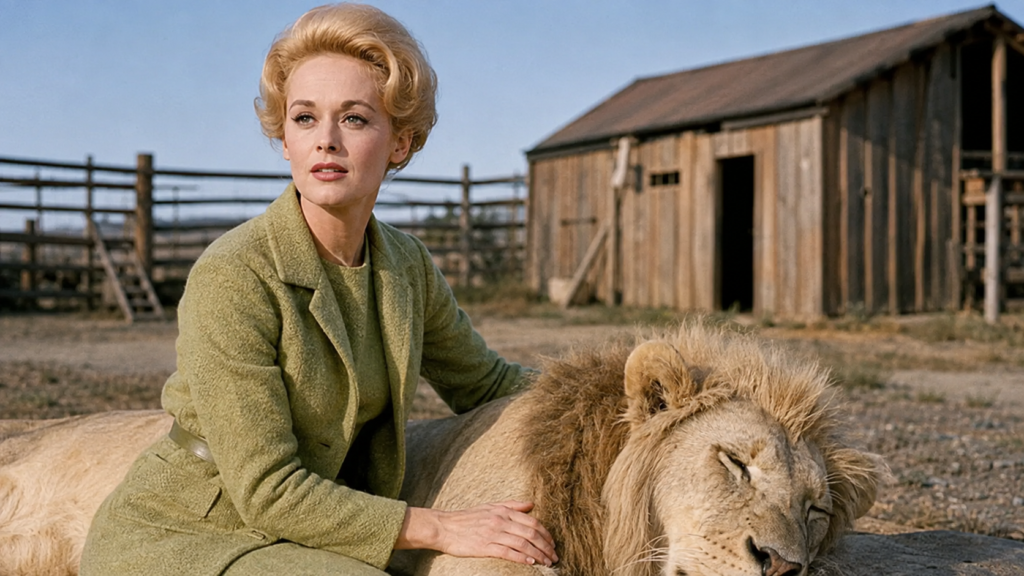
That trip eventually inspired the making of Roar, a film years in production that involved dozens of untrained lions, tigers, and other wild animals living alongside the cast and crew. The production became infamous for the injuries suffered by everyone involved, including Hedren herself and her daughter, Melanie Griffith.
Hedren has since acknowledged that the decision to raise her family around wild predators was reckless. Still, the experience sparked a lifelong commitment to protecting these animals rather than simply admiring them from a distance.
The Founding of Shambala Preserve
In the early 1970s, Hedren established Shambala Preserve, an 80 acre sanctuary in Southern California dedicated to housing rescued big cats. Many of the animals that arrived at Shambala had been abandoned, mistreated, or kept illegally as pets.
The preserve became her primary focus for decades, and she has funneled significant personal earnings into maintaining it. It stands today as one of the most respected big cat sanctuaries in the country.
The Roar Foundation and a Fight for Legislation
To support Shambala financially and expand her advocacy work, Hedren founded the Roar Foundation in 1983. The nonprofit organization has funded the ongoing care of the animals at the preserve while also promoting broader awareness of exotic animal welfare issues.
Her activism eventually extended into policy. Hedren became a driving force behind the Big Cat Public Safety Act, federal legislation that restricts private ownership of big cats across the United States. The bill was signed into law in 2022, marking one of the most significant legislative wins of her advocacy career.
This part of her legacy is often underreported compared to her acting career, yet it represents decades of consistent, hands on commitment rather than a passing celebrity cause.
A Family Built on Talent
Tippi Hedren’s influence extends well beyond her own career. Her daughter, Melanie Griffith, followed her into acting and became a major star in her own right, appearing alongside her mother in several projects, including Pacific Heights.
Griffith’s daughter, Dakota Johnson, has continued the family tradition, building a successful acting career that has introduced Hedren’s legacy to an entirely new generation of audiences.
Across three generations, this family has maintained a consistent presence in film and popular culture, something relatively rare in an industry known for short lived fame. Hedren has often spoken about the importance of family closeness despite the pressures of Hollywood careers.
Tippi Hedren Today
Now in her nineties, Tippi Hedren
remains a respected figure both in entertainment circles and within the animal welfare community. She published her memoir, Tippi, in 2016, offering a candid look at her life, her career, and her relationship with Hitchcock in her own words.
She continues to be associated with Shambala Preserve and remains a recognizable presence at industry events and family gatherings alongside her daughter and granddaughter. Her story continues to resonate with audiences who admire both her professional resilience and her personal convictions.
Why Her Story Still Matters
Tippi Hedren’s life offers more than nostalgia for classic Hollywood. It is a case study in reinvention. She transitioned from modeling to acting, endured a professional setback that would have ended many careers, and then built an entirely new legacy centered on protecting vulnerable animals.
Her willingness to speak honestly about difficult experiences, paired with her decades long commitment to causes she believes in, has made her a figure worth studying well beyond film history classes. For fans of classic cinema, animal advocates, and those simply curious about one of Hollywood’s most enduring families, her story offers genuine substance rather than surface level celebrity appeal.
Frequently Asked Questions
How old is Tippi Hedren?
Tippi Hedren was born on January 19, 1930, which makes her in her mid nineties as of the current year.
Is Tippi Hedren related to Dakota Johnson?
Yes. Tippi Hedren is Dakota Johnson’s grandmother. Her daughter, Melanie Griffith, is Dakota Johnson’s mother.
What is Tippi Hedren best known for?
She is best known for starring in two Alfred Hitchcock films, The Birds and Marnie, along with her decades of work in animal conservation through Shambala Preserve.
What is Shambala Preserve?
Shambala Preserve is an 80 acre big cat sanctuary in Southern California that Tippi Hedren founded in the early 1970s to house rescued and abandoned exotic animals.
Did Tippi Hedren write a memoir?
Yes. She published a memoir titled Tippi in 2016, which details her career, her relationship with Alfred Hitchcock, and her life beyond acting.
