
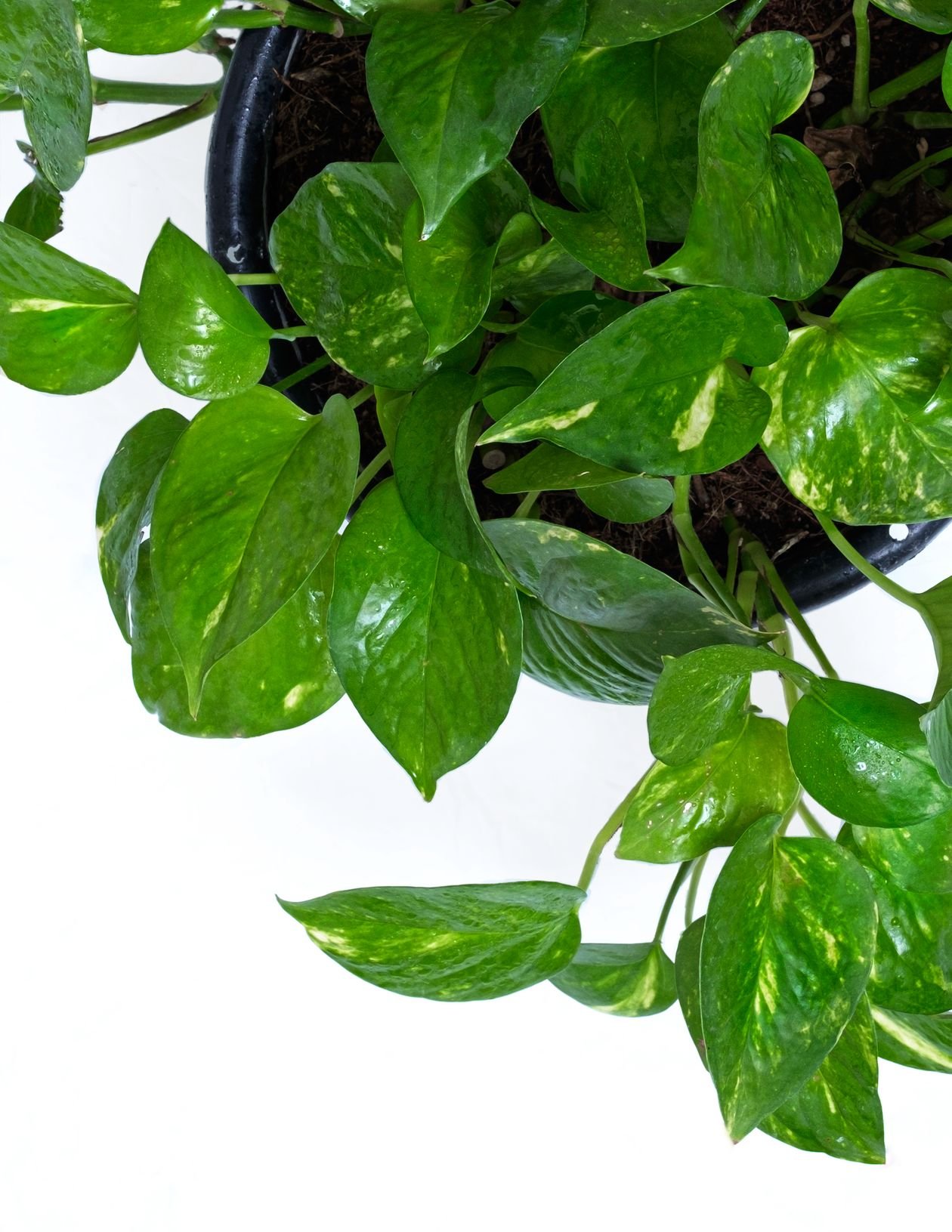
You bought a pothos because everyone said it was impossible to kill. For months it trailed happily across the shelf, throwing out glossy heart shaped leaves. Then one morning you notice leaves on the floor, a bare stretch of vine near the pot, and a plant that looks thinner every week. If you are wondering why is my pothos losing leaves indoors, you are not alone, and in most cases the cause is fixable once you read the plant correctly.
Pothos drop leaves for a reason, and the pattern of the drop tells you what that reason is. Leaves falling from the base of the vine mean something different from leaves yellowing all over the plant. A plant that drops a few old leaves now and then is behaving normally. A plant that sheds steadily, week after week, is asking for a change in water, light, or location. This guide walks through each cause in turn, shows you how to tell them apart, and gives you a simple recovery plan that works in a normal home.
Why Is My Pothos Losing Leaves Indoors: Normal Shedding or a Warning
Start by checking whether the loss is normal. Pothos vines naturally shed their oldest leaves as they grow longer, especially the leaves closest to the soil. Those leaves turn yellow, then drop, while the growing tips stay green and keep producing new leaves. Losing one or two old leaves a month on a long vine is normal aging, not a crisis.
The loss becomes a warning when it speeds up or changes character. Watch for several leaves dropping in a single week, healthy looking green leaves falling without yellowing first, new growth stopping at the same time, or bare vines spreading from the pot outward. Those patterns point to stress, and the sooner you identify the stress, the more of the plant you can save.
Also look at where the loss happens. Leaves dropping only from the base usually point to age, low light reaching the inner vine, or a pot bound root system. Leaves dropping all over the plant usually point to watering trouble or a sudden change in location. Leaves dropping after a move, a repot, or a cold snap point to shock. The location of the loss narrows the cause before you change anything.
Overwatering Is the Most Common Cause
Overwatering causes more pothos leaf drop than any other single problem. Pothos like their soil to dry out between waterings, and roots sitting in wet mix slowly suffocate. When roots cannot breathe, they rot, and the plant responds by shedding leaves it can no longer support, often starting with yellowing leaves that feel soft and limp.
Check the soil before you water again. Push your finger about two inches into the mix. If it feels damp at that depth, wait. If the pot feels heavy and water sits in the saucer, the plant is already too wet. Lift the plant and check the drainage holes. Roots poking out are not the issue here. A sour smell from the mix, or dark mushy roots visible at the holes, confirms rot is already present.
To fix an overwatered pothos, stop watering completely until the top two inches of mix feel dry. Tip out the saucer every time you water in future, and make sure the pot has drainage holes. If the mix stays wet for more than a week after you stop watering, slide the plant out of its pot, trim any brown mushy roots back to firm pale tissue with clean scissors, and repot into fresh well draining mix in the same size pot. Do not jump to a much bigger pot, since extra mix holds extra water and repeats the problem.
Underwatering and Dry Air Cause a Different Kind of Drop
Underwatering looks different from overwatering, and confusing the two makes things worse. An underwatered pothos drops leaves that feel dry and crispy, often with brown edges, and the whole plant looks wilted and light. The soil pulls away from the sides of the pot, and the pot feels very light when you lift it.
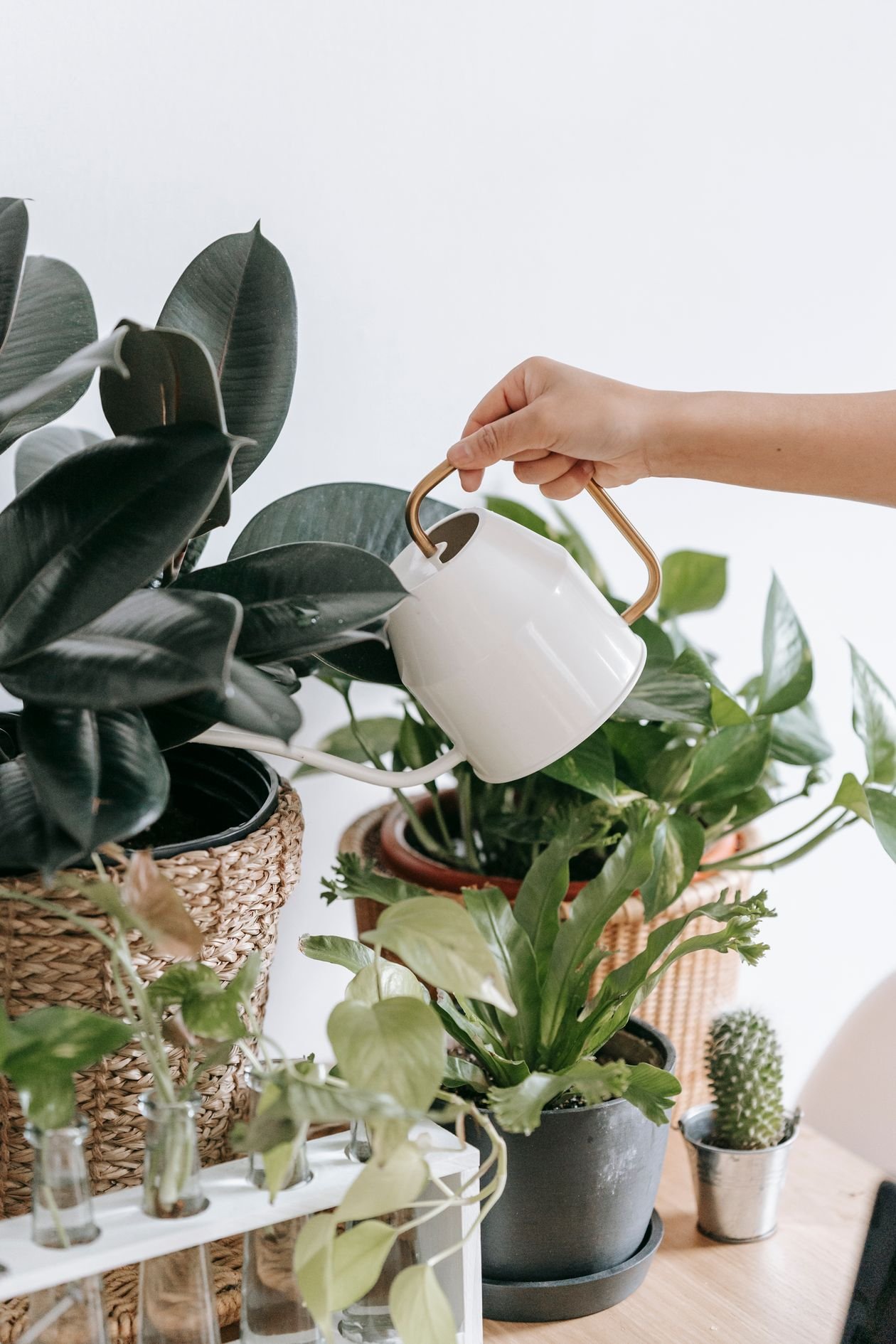
The fix here is a thorough drink, not a little sip. Take the plant to a sink, water slowly until water runs freely from the drainage holes, wait a few minutes, then water once more so the whole root ball is evenly moist. Dry mix can resist water at first, so the second pass matters. After that, empty the saucer and return the plant to its spot. Most underwatered pothos perk up within a day.
Dry indoor air adds to the problem, especially in winter when heating runs all day. Pothos come from humid tropical forests, and very dry air browns leaf edges and stresses the plant even when watering is correct. Grouping plants together, placing a pebble tray of water near the pot, or running a small humidifier nearby all help. Misting gives a brief lift but does not change the air for long, so treat it as a bonus rather than the main fix.
Light Problems Starve the Lower Leaves First
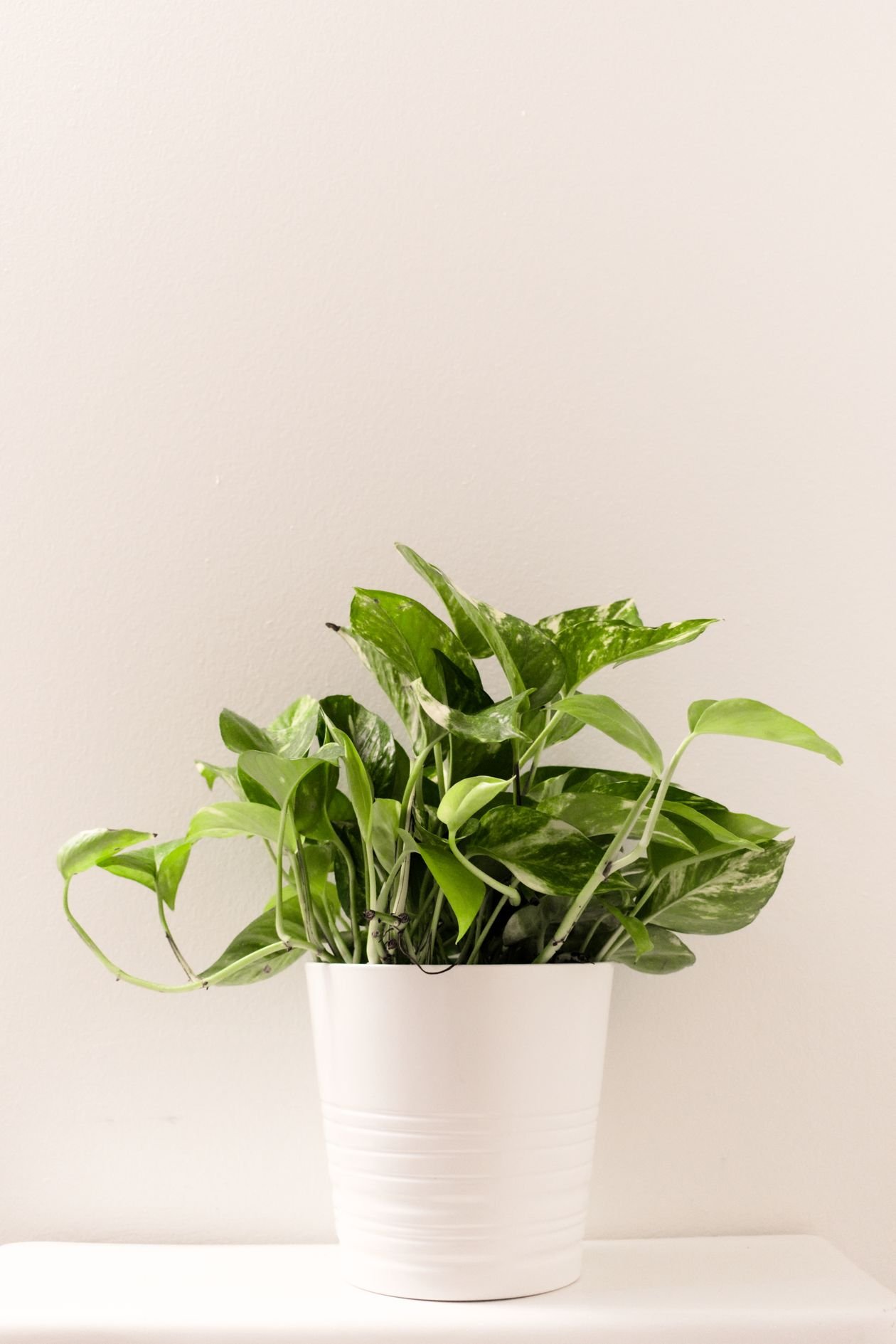
Pothos tolerate low light better than most houseplants, but tolerate does not mean thrive. In a dark corner, the plant stretches toward whatever light it can find, the leaves grow smaller and farther apart, and the lower leaves drop because the plant cannot feed them all. This leggy growth with bare vines is one of the most common indoor pothos complaints, and it is almost always a light problem.
Move the plant to bright indirect light, such as near an east facing window or a few feet back from a south facing window with a sheer curtain. The plant should cast a soft shadow, not sit in harsh direct sun, which scorches leaves and turns them brown. Give it a few weeks in the new spot before judging the change, since plants adjust slowly.
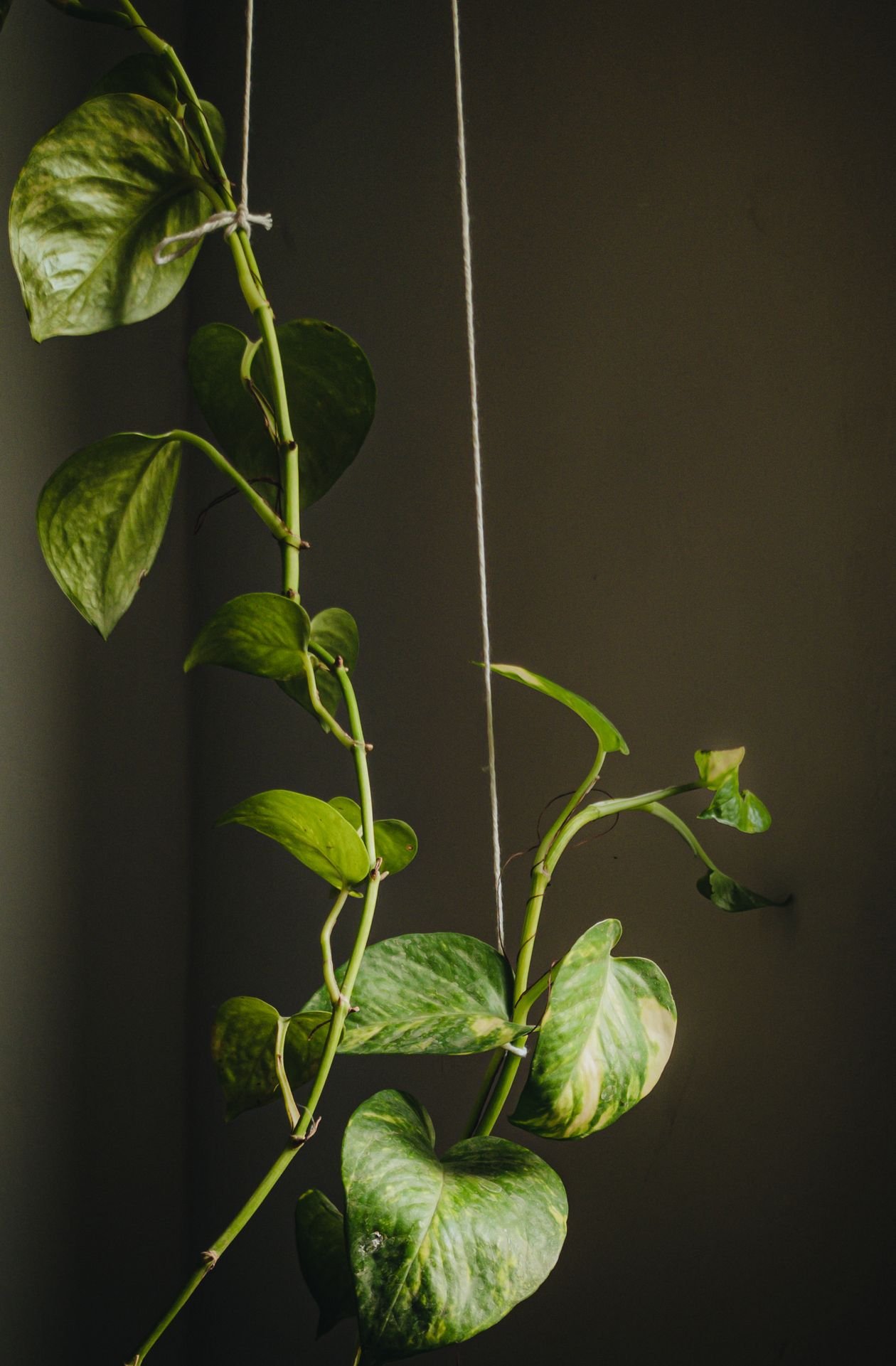
Do not expect bare vines to regrow leaves on their own. Once a section of vine has lost its leaves, it usually stays bare. The good news is that you can prune those bare vines back to a node, the small bump where a leaf once grew, and the plant will branch from that point. The cuttings root easily in water, so one leggy plant can become several full plants with a little patience.
Drafts, Cold Snaps, and Sudden Moves Shock the Plant
Pothos hate sudden temperature changes. A plant sitting next to a drafty door, a heating vent, or an air conditioning outlet experiences constant swings that stress the leaves until they drop. A single cold night near a window in winter can cause a wave of leaf drop days later, which makes the cause easy to miss.
Keep your pothos in a steady spot between about 65 and 80 degrees Fahrenheit, away from radiators, vents, and doors that open to the cold. If you move a plant to a new home or a new room, expect some leaf drop in the first few weeks as it adjusts. That shock loss usually stops on its own once the plant settles, so resist the urge to water more, feed more, or move it again while it recovers.
Repotting causes the same kind of shock. Only repot when the plant is clearly root bound, with roots circling tightly around the root ball, or when the mix has broken down and stays soggy. When you do repot, go up just one pot size, use fresh mix, and water lightly for the first week while the roots settle.
Pests and Feeding Problems Are Less Common but Worth Checking
Pests rarely cause sudden heavy leaf drop on their own, but they add stress that pushes a struggling plant over the edge. Check the undersides of leaves and the joints of the vine for tiny insects, fine webbing, or white cottony patches, which point to spider mites or mealybugs. A strong shower of water over the leaves dislodges most pests, and repeating the wash weekly for a few weeks usually clears a light infestation.
Feeding problems show up more slowly. A pothos that has not been fed for years may grow slowly and drop older leaves as it runs low on nutrients, while a plant fed too often may develop brown leaf tips from salt buildup in the mix. Feed lightly, at half strength, a few times during the growing season, and flush the mix with plain water occasionally to wash out accumulated salts. Never feed a stressed or drooping plant, since fertilizer on struggling roots can burn them.
Tap water can also play a part. Very hard water leaves mineral deposits that brown leaf tips over time. If your tap water is heavily treated, letting a watering can stand uncovered overnight before use lets some chlorine escape, and watering thoroughly until water drains helps flush salts out of the mix.
A Simple Recovery Plan for a Leaf Dropping Pothos
When leaves keep falling, work through this plan in order rather than changing everything at once. First, check the soil moisture and the saucer, and correct watering before anything else. Second, move the plant to bright indirect light away from drafts and vents. Third, prune bare vines back to healthy nodes and remove any fully yellow leaves at their base.
Fourth, check for pests and clean the leaves with a damp cloth so they can photosynthesize properly. Dusty leaves capture less light, which matters more than people expect for a plant already struggling. Fifth, wait. Give the plant at least three weeks in stable conditions before deciding the plan failed. Plants recover on their own timetable, and constant fussing usually adds new stress.
Use the pruned cuttings to start new plants. Place cuttings with at least one node in a jar of water in bright indirect light, change the water weekly, and pot them up once roots reach a few inches long. Planting cuttings back into the original pot fills out a thin plant faster than waiting for the old vine to branch.
How to Prevent Leaf Drop Going Forward
Prevention comes down to a short routine. Check the soil with your finger before watering, and water only when the top two inches feel dry. Water thoroughly until it drains, then empty the saucer. Keep the plant in bright indirect light, rotate the pot a quarter turn every few weeks so all sides get light, and keep it away from drafts and heat sources.
Repot only when roots demand it, feed lightly in the growing season, and clean the leaves now and then. That routine takes a few minutes a week and prevents almost every common cause of leaf drop. The story behind this guide is a familiar one. A pothos that had trailed beautifully for two years started shedding after a move to a darker hallway and a well meaning switch to weekly watering. Reading the soil, moving it back to a bright window, and pruning the bare vines brought it back within a month, and the cuttings became two new plants for other rooms.
Conclusion
Learning why is my pothos losing leaves indoors comes down to reading the pattern. A few old leaves now and then is normal. Steady shedding points to water, light, or location, and overwatering is the first suspect. Check the soil, fix the light, move the plant away from drafts, prune bare vines, and give the plant time to recover. Follow that order and your pothos will usually reward you with fresh growth from every node you kept.
Frequently Asked Questions
Is it normal for a pothos to lose leaves indoors?
Yes, losing one or two old leaves a month is normal, especially from the base of a long vine. Steady loss of several leaves a week, or green leaves falling without yellowing, points to stress that needs attention.
Should I water a pothos that is dropping leaves?
Only after checking the soil. If the top two inches feel dry, water thoroughly until it drains. If the mix still feels damp, do not water, since overwatering is the most common cause of leaf drop.
Will bare pothos vines grow leaves again?
Usually not on the bare section itself. Prune bare vines back to a healthy node to encourage branching, and root the cuttings in water to grow new plants.
How much light does a pothos need to stop dropping leaves?
Bright indirect light suits it best, such as near an east facing window or a few feet back from a sunny window. Very dark corners cause leggy growth and lower leaf drop.
Can a pothos recover after losing many leaves?
Yes, if the cause is fixed and healthy nodes remain. Correct watering and light, prune back bare vines, and allow several weeks for new growth to appear from the nodes.
For more houseplant troubleshooting, see how to revive a drooping peace lily without repotting and why a snake plant leans to one side.
