
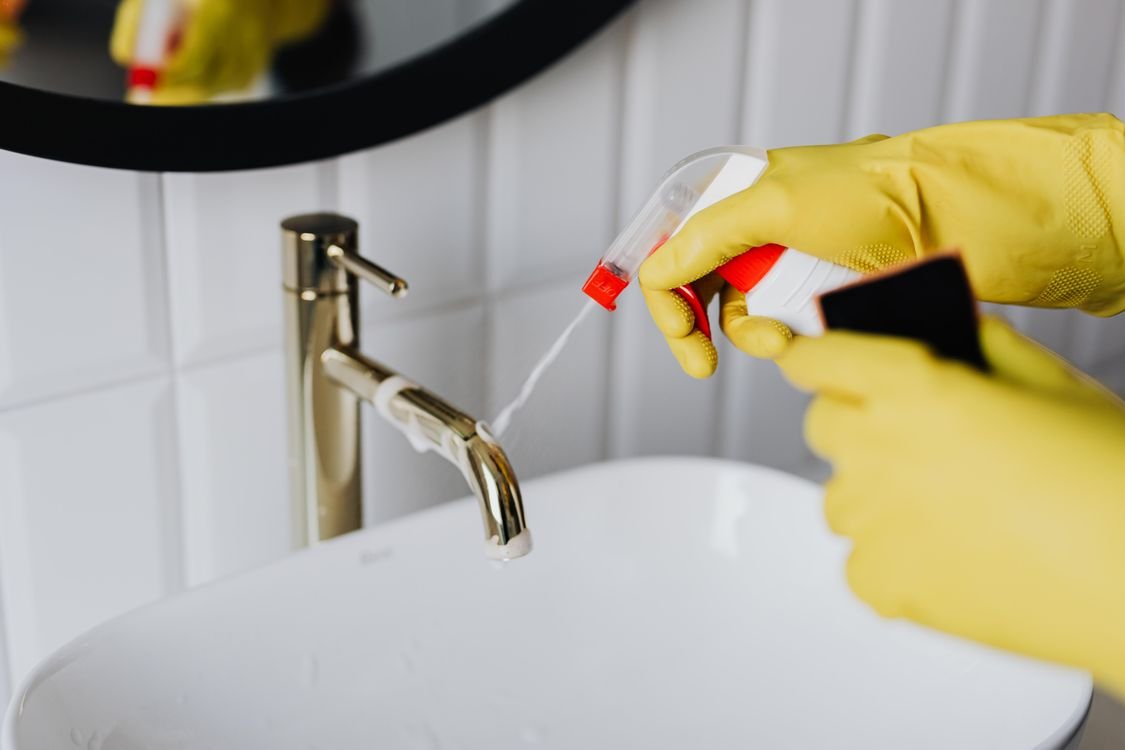
Water is pooling in your bathroom sink and it is draining slower than a sleepy Sunday morning. You reach for a plunger and then remember you do not own one. Before you panic or call a plumber, take a breath. This is one of the most fixable problems in a home.
Most bathroom sink clogs sit close to the surface and they are made of the same stuff every time: hair, soap scum, and toothpaste. You do not need special tools to beat them. This guide shows you how to unclog a bathroom sink without a plunger using seven methods that rely on items you already own. Start with method one and work down the list until the water flows freely again.
What Is Clogging Your Bathroom Sink
Hair is the number one culprit. Every time you wash your face, shave, or brush your hair over the sink, a few strands slip down the drain. On their own they would wash away, but they tangle into a net that catches everything else.
Soap scum is the second offender. Bar soap and many body washes leave a waxy film that coats the inside of the pipe and shrinks the opening. Toothpaste, shaving cream, and face masks add to the buildup until water can barely squeeze through.
Your drain stopper makes things worse in a quiet way. The stopper and the little rod behind it collect hair like a comb. In many sinks, simply cleaning the stopper solves the whole problem, which is why it gets its own method below.
Two Minutes of Prep Before You Start
If the sink is full of standing water, scoop most of it out with a cup or a bowl and pour it into the toilet or the tub. You want to see the drain opening and you want your cleaning mixtures to reach the clog instead of floating in a full basin.
Lay an old towel on the floor under the sink and keep a trash bag nearby. Hair clogs are unpleasant to look at, and you will thank yourself for the easy cleanup. Put on rubber gloves if you have them.
Check whether your drain stopper lifts straight out. Many pop up stoppers pull out with a gentle twist and tug. If yours comes out, set it aside and peek into the drain with a flashlight. You might see the clog right there.
Method 1: Fish Out the Clog With a Wire Hanger
This is the fastest win because it removes the actual blockage instead of trying to dissolve it. Straighten a wire coat hanger and bend one end into a small hook, about the size of a fingertip. A hook that is too big will get stuck, so keep it modest.
Ease the hooked end into the drain and push it down gently until you feel resistance. Twist it slowly so the hook catches the hair, then pull straight up. The first pull is often disgusting and deeply satisfying. Repeat two or three times, wiping the gunk onto a paper towel each time.
Run hot tap water for a minute to test the drain. If the water flows, you are done. If it is still slow, move on to the next method. Do not shove the hanger down hard or jab at the clog, since pushing it deeper only makes the job harder.
If you would rather not use a hanger, hardware stores sell a barbed plastic drain tool for a few dollars. It slides into the drain, grabs hair on tiny barbs, and pulls it out in one motion. It is gentler on pipes and worth keeping under the sink for next time.
Method 2: How to Unclog a Bathroom Sink Without a Plunger Using Baking Soda and Vinegar
This classic combination works best on soap scum and light buildup rather than a solid ball of hair. The fizzing reaction loosens grime on the pipe walls so hot water can flush it away. It is cheap, safe for pipes, and you probably have both ingredients in the kitchen.
Pour half a cup of baking soda directly into the drain, getting as much of it down the opening as you can. Follow it with half a cup of white vinegar. The mixture will fizz right away. Cover the drain with the stopper or a damp cloth to keep the reaction working down in the pipe instead of bubbling up into the sink.
Let it sit for 15 to 30 minutes. Then flush with very hot water from the tap, running it for a full minute. For a mild clog, one round is enough. For a stubborn one, repeat the whole process once more before trying a different method.
One caution: if your drain pipes are plastic PVC, skip boiling water from a kettle and use the hottest water your tap produces instead. Sudden extreme heat can soften plastic joints over time. The same pairing that helps clean a microwave with lemon and vinegar does the loosening work here, so it is a handy trick to remember around the house.
Method 3: Dish Soap and Hot Water
Greasy buildup from oily cleansers, hair products, and heavy moisturizers responds well to dish soap, which is designed to cut through grease. Squeeze a generous amount of dish soap directly into the drain, about two tablespoons.
Boil a kettle of water and pour it down the drain slowly in two or three stages, pausing between pours. The heat melts the greasy coating while the soap helps it slide away. Let each pour work for a minute before adding the next.
This method shines when the clog is mostly soap scum rather than hair. If the drain was already treated with the baking soda method above, dish soap and hot water make a great finishing rinse that leaves the pipe walls clean.
Method 4: Take Out the Drain Stopper and Clean It
If the water still drains slowly, the stopper itself may be the problem. Pull it out and look at it. You will often find a slimy collar of hair and soap wrapped around it, and the drain mouth caked with black gunk. This alone can choke the drain nearly shut.
Some stoppers lift straight out. Others need a quarter turn before they release. If yours is connected to a lever behind the faucet, look under the sink for the horizontal rod that links to the stopper. Loosen the small nut holding it, slide the rod out, and the stopper will lift free.
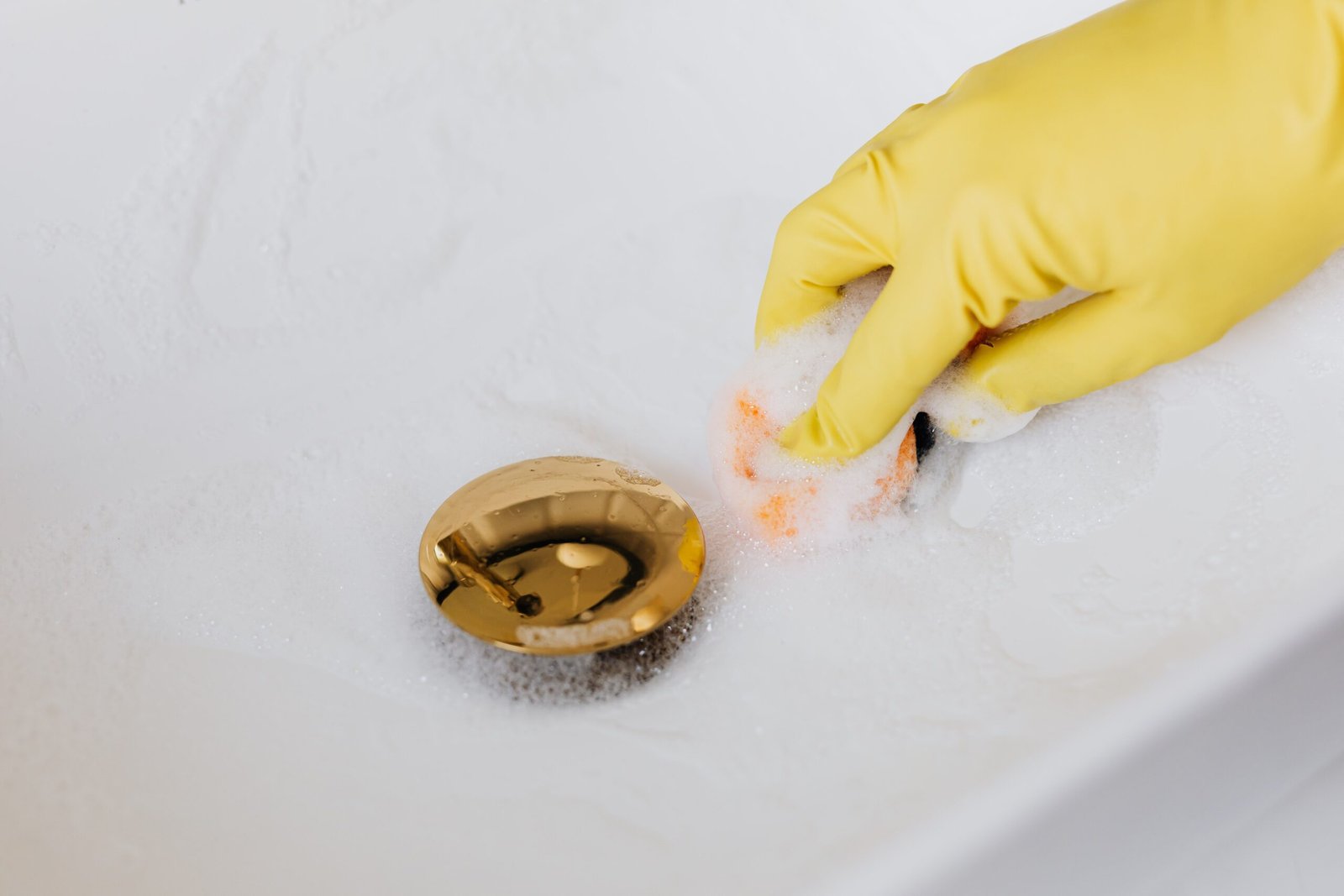
Scrub the stopper with an old toothbrush and dish soap, and wipe inside the drain opening as far as your fingers comfortably reach. Reassemble everything, run the water, and watch how fast it drains now. This two minute job fixes more slow sinks than any chemical cleaner ever will.
Method 5: Empty the Curved Trap Under the Sink
When the clog sits deeper than a hanger can reach, it is often lodged in the curved trap under the sink. This U shaped section is designed to hold water and block sewer gases, but it also catches debris. Cleaning it out is more involved, yet it solves clogs that nothing poured down the drain can touch.
Place a bucket under the trap and keep towels handy. The trap is held by two large slip nuts, one on each side. Loosen them by hand or with an adjustable wrench, turning counterclockwise. Water will spill out, so let it fall into the bucket.
Pull the trap free, dump the contents into the bucket, and scrub the inside with a bottle brush or an old toothbrush. Check the short pipe sections on either side for buildup too. Reassemble the trap, tighten the nuts firmly by hand, and run hot water for a minute while you watch for drips at the joints.
If a joint drips, tighten the nut a little more. If it still drips, the rubber washer inside may be worn, and a replacement washer costs very little at a hardware store. This method takes about 15 minutes and gives you a drain that is clean all the way through.
Method 6: Pull the Clog Out With a Shop Vacuum
A vacuum that handles wet messes can act like a plunger in reverse, sucking the clog upward instead of pushing it down. Remove the standing water from the sink first with a cup so the vacuum works on the clog and not on a full basin.
Set the vacuum to wet mode and remove any dry filter inside, following the instructions for your model. Hold the nozzle tightly over the drain and pack an old towel around it to seal the gap. A good seal is what makes this work.
Run the vacuum in short bursts of 10 to 15 seconds. The suction often pulls the hairball right up to the drain mouth where you can grab it. Empty the vacuum canister between attempts. Finish with a hot water flush to clear anything loosened but left behind.
Method 7: Let an Enzyme Cleaner Work Overnight
When you have tried the mechanical methods and the drain is better but not perfect, a biological drain cleaner can finish the job. These products contain bacteria that digest hair, soap, and other organic matter. They are safe for all pipes and for septic systems.
Pour the cleaner into the drain last thing at night, following the amount on the package, and do not run any water afterward. The bacteria need hours of undisturbed time to eat through the remaining buildup. Flush with hot water in the morning.
This is not an instant fix, so use it as a final treatment rather than a first attempt. Used once a month afterward, it also works as maintenance that keeps slow drains from turning into full clogs.
What to Avoid
Reach past the harsh chemical drain cleaners on the store shelf. They can damage older metal pipes, create dangerous fumes, and burn skin on contact. They are also bad news for septic systems. If you have already poured one down the drain, mention it to any plumber you call later so they can protect themselves.
Never mix different drain cleaning products. Combining them can release toxic gas or cause a violent reaction. If one product failed, rinse thoroughly with water and wait before trying anything else.
Do not ignore a clog that keeps returning every few weeks. A drain that reclogs quickly may have a deeper problem, like buildup far down the line or a venting issue, and no amount of home treatment will fix that permanently.
Keep Your Sink Draining Freely
Prevention takes less effort than any cure. A mesh hair catcher that sits over the drain costs very little and stops the number one clog ingredient before it starts. Empty it into the trash once a week.
Once a week, run very hot tap water for a minute to melt away fresh soap film before it hardens. Once a month, do the baking soda and vinegar rinse from method two as maintenance. Wipe toothpaste blobs and thick cleansers out of the basin with tissue instead of rinsing them down.
Bathrooms trap a lot of moisture, and damp surfaces collect grime faster, so keeping the room aired out helps more than you might expect. Our guide to stop condensation on windows overnight has simple tricks that keep the whole bathroom drier and cleaner.
When to Call a Plumber
Some clogs are beyond household methods, and knowing when to stop saves you money. Call a plumber if several fixtures are backing up at once, which points to a main line problem. Call if you smell sewage, see water stains on the ceiling below, or hear gurgling from other drains when the sink empties.
Also call if the same sink clogs again within days of a thorough cleaning. That pattern usually means the blockage is deep in the wall or the pipe itself is damaged. A plumber has cameras and augers that reach what home tools cannot.
Conclusion
Learning how to unclog a bathroom sink without a plunger comes down to one insight: most clogs are just hair and soap sitting near the surface. Fish out what you can reach, dissolve what you cannot, and clean the stopper and trap when needed. Work through the seven methods in order and the vast majority of slow drains will clear without a service call.
Keep a hair catcher on the drain, flush with hot water weekly, and you may never face a standing pool of sink water again. There is real satisfaction in solving home problems yourself, whether you fix a door that will not latch or clear a stubborn drain with nothing but a hanger and pantry staples.
FAQs
Can I unclog a bathroom sink with no tools at all?
Yes, for a mild clog. The baking soda and vinegar method plus a hot water flush needs nothing but pantry items. It works on soap scum and light buildup, though a solid hair clog usually needs mechanical removal with a hanger or by cleaning the stopper.
Does baking soda and vinegar actually work or is it just fizz?
It genuinely helps with soap scum and greasy film on pipe walls, and the fizzing action loosens debris so hot water can carry it away. It will not dissolve a dense ball of hair, so pair it with the hanger method for best results.
How long should I leave baking soda and vinegar in the drain?
Give it 15 to 30 minutes. That is enough time for the reaction to work through the buildup. Then flush with very hot water for a full minute. Repeat once if the drain is improved but still slow.
Can boiling water damage my sink or pipes?
Pouring a full kettle of boiling water is fine for porcelain sinks and metal pipes if you pour slowly. For plastic PVC pipes, use the hottest water from the tap instead, since repeated blasts of boiling water can soften plastic joints over time.
Why does my bathroom sink keep clogging every few weeks?
Repeat clogs usually mean hair is still getting past the stopper or there is buildup deeper in the line. Fit a mesh hair catcher, clean the stopper monthly, and try an enzyme cleaner overnight. If it still returns within days, call a plumber to check deeper in the system.
