
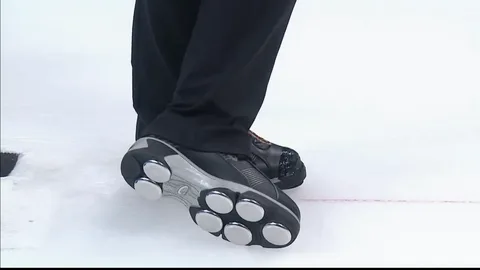
If you have ever watched a curler glide smoothly across the ice with one foot sliding effortlessly while the other stays firmly planted, you have witnessed the quiet magic of a good pair of curling shoes. These are not ordinary sneakers with a fancy name. Curling shoes are precision tools, built to help you balance, slide, and deliver the stone with control.
Whether you just joined your local curling club or you are a seasoned player looking to upgrade your gear, choosing the right curling shoes can make a real difference in your performance and comfort on the ice. This guide walks you through everything you need to know, from how curling shoes actually work to how to pick the right pair for your skill level, budget, and playing style.
What Makes Curling Shoes Different From Regular Shoes
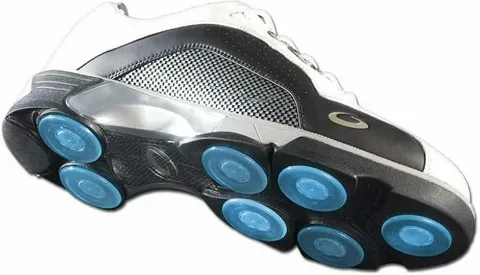
At first glance, curling shoes might look like ordinary athletic footwear. Look closer, though, and you will notice something unusual. One shoe has a smooth, low friction sole, while the other has a grippy rubber sole. This asymmetry is the entire point.
In curling, one foot needs to grip the ice firmly so you can push off with power and stability. The other foot needs to glide smoothly across the surface as you deliver the stone. Regular sneakers simply are not designed to do both jobs at once, which is why dedicated curling shoes exist.
Beyond the soles, curling shoes are also built with reinforced toes, insulated uppers to handle cold ice sheet temperatures, and sturdy construction that supports your ankles during the low, controlled delivery position. Every part of the shoe is designed around the specific biomechanics of the sport.
How Curling Shoes Work: Sliding Sole vs Gripper Sole
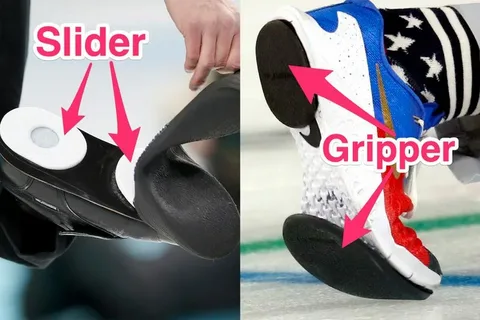
Understanding the two soles is the foundation of understanding curling shoes as a whole. Each pair typically includes a slider on the dominant sliding foot and a gripper on the other.
The Sliding Sole
The sliding sole is usually made from Teflon or, less commonly, stainless steel. Both materials share a low friction coefficient that lets the shoe glide smoothly across the pebbled ice surface during your delivery.
Teflon sliders are the most common choice among curlers. They come in different thicknesses, and thickness has a direct effect on performance. A thicker slider reduces friction and can help generate more speed, which tends to suit more experienced players who have already developed strong balance. A thinner slider creates more friction, which translates into more stability and control, making it a smart choice for beginners.
Steel sliders are less common but extremely durable. Many players who use steel report using the same pair for a decade or longer without needing a replacement, since the material barely wears down over time. Teflon, by comparison, gradually wears out and typically needs replacing every few years depending on how often you play.
The Gripper Sole
The gripper sole sits on the opposite foot and is made from soft rubber, often with a wave or textured pattern. Its job is to give you traction so you can push off the hack with control and maintain balance while sweeping or standing on the ice.
Some curlers also use gripper pads over both shoes when sweeping, since sweeping requires quick, controlled footwork rather than sliding. This is especially common among stick curlers, coaches, and ice technicians who spend more time standing and moving than sliding.
The Reinforced Toe
Look at the front of a sliding shoe and you will usually see a resin or rubber coated toe piece. This reinforcement protects the shoe and further reduces friction at the tip, helping the slide stay smooth right through to the release of the stone.
Types of Curling Shoes by Skill Level
Not every curler needs the same shoe, and matching your equipment to your current skill level is one of the smartest things you can do early on.
Beginner Curling Shoes
If you are new to the sport, look for a shoe with a slower slider, meaning a thinner Teflon sole with more built in friction. This gives you extra stability while you build balance and muscle memory. Many beginner packages also include a removable slider called a Slider Gripper, which attaches over a regular gripper sole and can be taken on and off as needed. This is a budget friendly way to try curling before committing to dedicated shoes.
Intermediate Curling Shoes
As your balance and confidence improve, a medium speed slider strikes a nice balance between control and glide. This is often where curlers land once they have played a full season or two and understand their own delivery style.
Advanced and Competitive Curling Shoes
Experienced and competitive curlers often move toward thicker, faster sliders that reduce friction significantly. These shoes reward precise technique and strong balance, letting skilled players generate consistent speed and control during delivery. Many competitive models also include rotator disc systems, which allow for smoother, more controlled rotation during the slide.
Key Features to Look for When Buying Curling Shoes
With so many models on the market, it helps to know which features actually matter.
- Speed rating: Most brands rate sliders on a numeric scale, with lower numbers indicating slower, more stable sliders and higher numbers indicating faster, less forgiving ones. Matching this rating to your skill level is one of the most important buying decisions you will make.
- Handedness: Curling shoes are built specifically for right handed or left handed delivery, since the sliding foot differs depending on which hand you throw with. Always confirm this before buying.
- Insulation: Since you will be standing on ice sheets kept around minus three degrees Celsius, thermal insulation in the upper material keeps your feet comfortable through long games.
- Fit and comfort: A curling shoe that fits properly, similar to how you would size a regular athletic sneaker, prevents blisters and supports better balance during delivery.
- Interchangeable sliders: Some higher end shoes allow you to swap slider discs without replacing the entire shoe, which can extend the usable life of your investment considerably.
Curling Shoes for Men, Women, and Stick Curlers
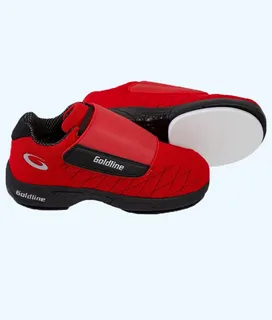
Most major brands offer gender specific lines, with women’s models typically built on a narrower last and men’s models offering a wider fit, though sizing can vary between brands so trying them on or checking a size chart is always worthwhile.
Stick curlers, along with coaches and officials who do not slide during delivery, have their own category of shoes as well. These typically feature gripper soles on both feet rather than one slider and one gripper, since the priority is stability and traction rather than gliding. If you use a delivery stick due to mobility needs or simply prefer that style of play, these dual gripper shoes are worth specifically searching for rather than assuming a standard pair will work.
How to Choose the Right Size
Sizing curling shoes is more straightforward than many new curlers expect. In most cases, you should choose the same size you would wear in a regular athletic sneaker. That said, a few practical tips can help you get it right the first time.
Try to try shoes on later in the day if possible, since feet tend to swell slightly as the day goes on, similar to advice given for running shoes. If you plan to wear thicker socks, particularly merino wool socks that many curlers prefer for warmth, keep that in mind when judging fit.
It typically takes several weeks of regular play to fully adapt to a new pair of shoes, as your balance and muscle memory adjust to the specific slide and grip characteristics. For this reason, experienced curlers often recommend ordering new shoes at least a month before any major event so you have time to break them in and fine tune your delivery.
Curling Shoe Brands Worth Knowing
Several manufacturers have built strong reputations in the curling community, each with a slightly different approach to design and performance.
Goldline is one of the most recognized names, offering a wide range from entry level models to advanced competitive shoes with features like rotator disc systems and interchangeable sliders. BalancePlus is another well established brand known for durable, performance focused designs favored by many club and competitive players. Asham, Hardline, and Olson round out the market with their own distinct takes on fit, materials, and slider technology.
Rather than fixating on brand names alone, it is worth focusing on which specific model matches your skill level, speed preference, and budget. A well fitted mid range shoe from a reputable brand will usually outperform an expensive shoe that does not suit your current ability.
Caring for Your Curling Shoes
A well maintained pair of curling shoes can last five to ten years, according to many longtime players, particularly when the sliding sole is made from durable material like steel. Even Teflon sliders, which wear faster, can serve you well for years with proper care.
A few simple habits go a long way. Wipe down your soles after each game to remove moisture and debris, since leftover grit can affect slide quality and gradually wear down the Teflon surface. Store your shoes in a dry area away from extreme heat, which can warp soles or loosen adhesive over time. Periodically check the toe reinforcement and slider surface for wear, and replace interchangeable sliders before they become too thin to perform safely.
One often overlooked issue is stray gripper rubber. If a small piece of rubber from your gripper sole ends up on the ice, it can cause a stone to veer unexpectedly, which is frustrating for everyone on the sheet. Regularly inspecting your gripper sole for loose material is a small habit that keeps both your equipment and your teammates happy.
Common Mistakes to Avoid When Buying Curling Shoes
Many first time buyers make the same few errors, and knowing them ahead of time can save you both money and frustration.
Choosing a slider that is too fast for your current skill level is one of the most frequent mistakes. It might seem appealing to buy the same shoe a competitive curler uses, but a fast slider on an unstable delivery often leads to more falls and inconsistent shots rather than better performance.
Another common issue is ignoring the break in period. Wearing brand new shoes for the first time at an important game, rather than easing into them over several practice sessions, can throw off your balance right when you need it most.
Finally, overlooking handedness is an easy mistake for beginners to make, since it is not always obvious from a product listing. Always confirm whether a shoe is designed for right handed or left handed delivery before completing a purchase.
Renting vs Buying: What New Curlers Should Know
If you are brand new to the sport, many curling clubs offer rental shoes or slider grippers you can borrow for your first few sessions. This is a smart, low pressure way to figure out whether curling is a sport you want to invest in further.
Once you know you enjoy the game and plan to stick with it, moving to your own properly fitted pair typically improves both comfort and performance, since rental equipment is rarely tailored to your specific foot shape or delivery style. A good rule of thumb is to consider buying once you are playing regularly, generally more than once a week, or once you notice rental gear limiting your progress.
Final Thoughts
Choosing the right curling shoes comes down to understanding a few core ideas: how the sliding and gripper soles work together, how speed ratings relate to your skill level, and how proper fit and care extend the life of your investment. Beginners are generally best served by slower, more stable sliders and are wise to try rental options first, while intermediate and advanced curlers can gradually move toward faster, more responsive setups as their technique develops.
Take your time trying on different models, pay attention to handedness and sizing, and remember that even the best shoes take a few weeks to feel fully natural. With the right pair on your feet, you will notice the difference in your balance, your slide, and ultimately your confidence out on the ice.
Frequently Asked Questions
How long do curling shoes typically last?
Most curling shoes last five to ten years with proper care, though this depends heavily on the slider material. Steel sliders tend to outlast Teflon, which usually needs replacing every few years with regular play.
Can I use regular sneakers for curling?
Not effectively. Regular sneakers lack the specialized sliding and gripping soles that curling shoes provide, though some companies offer conversion services that turn athletic shoes into functional curling shoes.
What size curling shoes should I buy?
In most cases, choose the same size you wear in a standard athletic sneaker. Trying shoes on later in the day and accounting for the socks you plan to wear can help ensure a comfortable fit.
Do beginners need expensive curling shoes?
No. Beginners are usually better off with a slower, more stable slider or even a slider gripper attachment, both of which are more affordable and better suited to developing balance than premium competitive models.
What is the difference between men’s and women’s curling shoes?
The core sliding and gripping technology is the same, but women’s models are typically built on a narrower last while men’s models offer a wider fit. Checking a brand’s specific size chart is the best way to find your ideal fit.
