
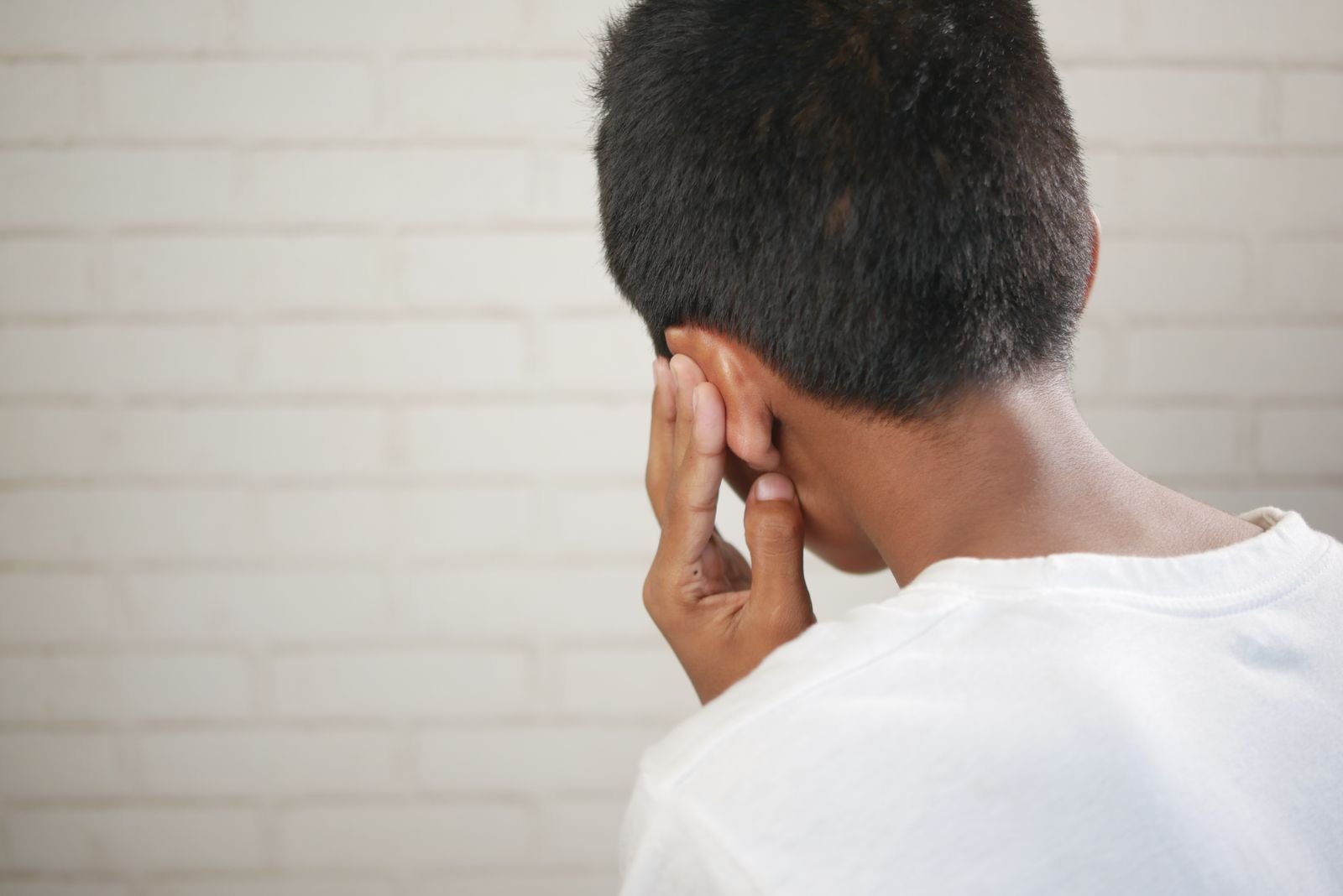
You know the feeling. You wake up with a cold, or you step off a plane, and the world sounds as if it is coming through a wall. Your own voice sounds strange inside your head. Every swallow brings a faint click, but the fullness never quite clears. If you want to know how to relieve ear pressure fast, you are in the right place.
Ear pressure is common, and in most cases it clears on its own. The good news is that a few simple moves can speed things up. The even better news is that none of them needs special equipment. This guide walks you through seven safe ways to relieve ear pressure fast, explains why the pressure builds in the first place, and tells you clearly when it is time to see a GP instead of trying another home remedy.
Three ideas run through everything that follows. First, gentle is better than forceful. Second, the goal is to open the small tube that links your middle ear to the back of your nose. Third, if pain, dizziness or hearing loss appear, stop and get medical advice. Keep those in mind and you can work through the methods below with confidence.
What Causes Ear Pressure in the First Place
Behind each eardrum sits a small air filled space called the middle ear. It connects to the back of your nose through a narrow passage called the Eustachian tube. Every time you swallow or yawn, this tube opens briefly and lets air flow in or out, keeping the pressure on both sides of the eardrum equal.
Problems start when the tube swells shut or gets blocked with mucus. A cold, sinus congestion, hay fever or an ear infection can all do this. Air pressure changes do it too, which is why so many people feel it on planes, on mountain roads or in a lift that climbs a tall building. When air cannot move freely, pressure builds behind the eardrum and sound turns dull and muffled.
Earwax can add to the problem, though it is rarely the whole story. A large build up of wax narrows the ear canal and makes the blocked feeling worse. It does not cause the pressure itself, but clearing it can help the ear feel normal again. If you suspect wax is part of the problem, read the safety notes near the end of this guide before you try to remove it yourself.
How to Relieve Ear Pressure Fast: 7 Safe Ways That Work
Work through these methods in order. Start with the gentlest, which is swallowing, and move on only if the pressure stays. Most people find that one of the first three methods does the job within a few minutes. Give each method a fair try before you move to the next one.
1. Swallow, Yawn or Chew Gum
Swallowing is the simplest way to open the Eustachian tube, and it works because the muscles involved in swallowing pull the tube open for a brief moment. Take a sip of water and swallow slowly. Repeat this several times, pausing between sips to notice whether the pressure eases.
Yawning works in much the same way, and it is often more powerful than a single swallow because it moves the jaw more widely. If a yawn will not come naturally, open your mouth wide and stretch your jaw gently as if you are about to yawn. Chewing gum keeps the swallowing reflex going, which is why airlines hand it out and why it is a classic tip for flights. A boiled sweet has the same effect if you prefer it to gum.

For babies and small children on a flight, a bottle or a dummy works the same way, since sucking and swallowing open the tube. For adults, the rule is simple: keep swallowing, keep the jaw moving, and give the tube regular chances to open. If your nose is blocked, blow it very gently first, one nostril at a time, so the passages are as clear as they can be.
2. Try the Valsalva Manoeuvre, Gently
The Valsalva manoeuvre is the best known way to pop the ears, and it is the one most people try first. Pinch your nostrils shut, close your mouth, and blow gently as if you were trying to blow your nose. You should feel a slight pop or a shift in pressure. That pop means air has passed through the Eustachian tube and the pressure has equalised.
The key word here is gently. A hard blow can hurt the eardrum and make things worse, so use only light pressure. If nothing happens after two or three gentle tries, stop and try a different method. Forcing it will not help and it can cause real harm. Never try this method if you have a severe cold with thick mucus, since blowing hard against a blocked nose can push mucus into the middle ear.
ENT specialists advise keeping the blow short, no longer than a second or two, and breathing normally between attempts. If you feel pain at any point, stop at once. Pain is a sign that the eardrum is under strain, and the correct response is to leave it alone and let a GP take a look if the pain continues.
3. Try the Toynbee Manoeuvre
The Toynbee manoeuvre is a gentler cousin of the Valsalva method and it suits people who find blowing uncomfortable. Pinch your nostrils shut, close your mouth, and swallow. The swallowing action pulls the Eustachian tube open while the pinched nose creates a small change in pressure. Many people find this works when the Valsalva method does not.
Try it three or four times in a row, with a short pause between each swallow. It can help to take a sip of water first so that each swallow is a real one. This method is a good choice if you have a cold, since it does not involve blowing air against blocked passages. It is also the method many divers and frequent flyers prefer, because it is easy to repeat and it puts very little strain on the ears.
4. Use Steam or a Warm Compress
Warmth and steam can loosen mucus and ease the swelling around the Eustachian tube. A warm compress is the easiest option. Soak a clean flannel in warm water, wring it out, and hold it against the affected ear for five to ten minutes. The warmth increases blood flow and can help the tissues around the tube relax. Repeat as needed through the day.

Steam inhalation works in a similar way and is useful when a cold or sinus congestion is the cause. Fill a bowl with hot water, lean over it with a towel draped over your head, and breathe in the steam slowly for five to ten minutes. Keep your face at a safe distance so the steam never scalds you. Adding a few drops of eucalyptus oil or menthol to the water is a popular choice, though plain steam works just as well for most people.
A hot shower can give you the same benefit with less fuss. Stand under the warm water, breathe deeply, and swallow often. The combination of steam, warmth and repeated swallowing is often enough to clear mild pressure on its own. If you have asthma or another breathing condition, take care with steam and stop if your breathing feels tight.
5. Try a Saline Spray or a Decongestant
When a blocked nose is the root cause, clearing the nose can clear the ears. A saline nasal spray is the gentlest option. It rinses mucus from the nasal passages and moistens the lining of the nose, which can help the Eustachian tube open. Saline sprays are safe to use often and are sold at any pharmacy in the UK.
A decongestant nasal spray works faster but needs more care. Sprays containing xylometazoline or oxymetazoline shrink swollen tissue inside the nose within minutes, and that can be enough to let the tube open. The catch is that you should not use them for more than a few days in a row, since longer use can cause rebound congestion that makes the blockage worse. Always read the label and follow the dose it gives.
Decongestant tablets containing pseudoephedrine are another option, and they can help when the congestion is deep in the sinuses. They are kept behind the pharmacy counter in the UK, so ask the pharmacist, who can check whether they suit you. People with high blood pressure, heart conditions or thyroid problems should get advice first, as should anyone who is pregnant or taking other medicines. A pharmacist can also suggest an antihistamine if hay fever is part of the picture.
6. Try the Frenzel Manoeuvre
The Frenzel manoeuvre is less well known, but ENT doctors often recommend it because it is gentle and precise. Pinch your nostrils shut, close your mouth, and make a clicking sound with your tongue against the roof of your mouth, as if you are saying the word luck. The tongue movement pushes a small amount of air towards the Eustachian tube.
It takes a little practice, so do not worry if it feels odd at first. Try it several times, clicking the tongue firmly each time. Some people find it helps to hum at the same time, since the vibration seems to encourage the tube to open. This method is popular with scuba divers because it works without the forceful blowing of the Valsalva method, and it is a good option to keep in reserve when the simpler methods have not worked.
7. Keep Your Ears Clear on Flights
Flying is the most common trigger for ear pressure, and a little planning makes a big difference. The pressure changes fastest during descent, so that is when your ears need the most help. Start swallowing, yawning or chewing gum before the plane begins to descend, and keep it up until you land. Staying awake during descent matters too, since sleeping passengers swallow far less often and wake up with painfully blocked ears.

If you are flying with a cold or sinus congestion, use a decongestant nasal spray about half an hour before landing. This is one of the few times ENT guidance actively suggests it, because the spray reduces swelling just when the pressure change is at its worst. Filtered earplugs sold for flying can also help by slowing the rate of pressure change, though they work best alongside swallowing rather than instead of it.
Children need extra attention on flights because their Eustachian tubes are narrower. Give a baby a bottle or a dummy during descent, and give older children a drink or a sweet to chew. If a child complains of ear pain on a flight, keep them swallowing and stay calm. The pain usually fades within minutes of landing, but if it does not, see a GP.
What to Do When Your Ears Will Not Pop
Sometimes the ears simply refuse to clear, even after you have tried every method above. This is frustrating, but it is not always a sign of something serious. Congestion from a heavy cold can keep the tube swollen shut for days, and in that case time and rest matter more than any single technique.
Keep the air in your home moist if you can. Dry air thickens mucus and makes congestion worse, so a bowl of water near a radiator or a short steamy shower can help. Drink plenty of fluids, since staying hydrated keeps mucus thin and easier to clear. Sleep with your head raised on an extra pillow, which helps mucus drain rather than pooling around the tube overnight. If the pressure keeps you awake at night, our guide on how to sleep better without melatonin has practical tips for getting proper rest while your body recovers.
Avoid putting anything into the ear canal while you wait. Cotton buds, ear candles and home suction kits can all damage the ear or push wax deeper. Olive oil drops can soften wax if wax is the problem, but they will not fix pressure caused by congestion, and they should not be used if you think the eardrum may be damaged. If the pressure has not eased after a few days, or if it keeps coming back, book a GP appointment rather than trying stronger home remedies.
Ear Pressure After a Flight
Pressure that appears during a flight usually clears within a few hours of landing. If it lingers into the next day, keep swallowing and try the Toynbee manoeuvre a few times through the day. A warm compress in the evening can help, and a saline spray will keep the nasal passages moist while they recover.
See a GP promptly if the pressure after a flight comes with sharp pain, fluid leaking from the ear, dizziness or a noticeable drop in hearing. These can be signs of a middle ear injury from the pressure change, and they need proper assessment. The same applies if the pressure lasts more than a few days after landing, or if it affects only one ear and will not shift at all. Most cases settle on their own, but a check is wise when the symptoms do not follow the usual pattern.
Ear Pressure With a Cold
A cold is the most common cause of ear pressure in the UK, especially in winter. The virus inflames the lining of the nose and throat, the Eustachian tube swells shut, and fluid can collect behind the eardrum. This is why your ears feel blocked for days after the worst of the cold has passed. The tube often stays swollen for a while after the nose clears.
Treat the cold itself and the ears usually follow. Rest, fluids and pain relief such as paracetamol or ibuprofen will ease the general symptoms. A saline spray keeps the nose clear, and steam inhalation helps the mucus drain. A cold can bring other miseries too, and if sore spots appear around your mouth, our guide to how to get rid of cold sores fast in the UK explains what helps and what to avoid.
Watch for signs that the cold has turned into something more. Pain that grows worse rather than better, a fever that returns after improving, or fluid draining from the ear can all point to a middle ear infection. Children are more prone to this than adults. If any of these appear, contact your GP surgery or call NHS 111 for advice.
What Not to Do
Some popular remedies do more harm than good, so it is worth knowing what to skip. Never blow hard with your nose pinched, as a forceful Valsalva manoeuvre can rupture the eardrum. Never insert cotton buds, hairpins or any object into the ear canal. These push wax deeper and can scratch or pierce the eardrum.
Ear candles are best avoided entirely. There is no good evidence that they remove wax or relieve pressure, and the hot wax can drip into the ear and cause burns. Home ear suction kits carry a similar risk and are not recommended by ENT specialists. If you think wax is blocking your ear, ask your GP surgery or a pharmacist about safe removal options, or book a professional earwax removal service.
Finally, do not use leftover antibiotic ear drops or drops prescribed for someone else. Ear drops only help when the problem matches the prescription, and the wrong drops can irritate the ear or mask a problem that needs proper treatment. If you think you need ear drops, get advice first.
When to See a GP
Most ear pressure clears within a few days, but some situations need medical care. Contact your GP surgery or call NHS 111 if you notice any of the following.
- Ear pain that is severe, getting worse, or lasts more than a few days
- Fluid or blood leaking from the ear
- Dizziness, vertigo or a feeling that the room is spinning
- Hearing loss that does not improve as the pressure eases
- Ringing in the ears that is new or persistent
- Pressure that lasts more than a few days without any improvement
- Ear pressure after a head injury
- Symptoms in a baby or young child who cannot describe what they feel
Seek urgent care straight away if you develop sudden severe dizziness, facial weakness, a high fever with ear pain, or sudden hearing loss in one ear. People taking blood thinners should also get advice promptly if they notice bleeding from the ear, since this needs checking even if it seems minor. Your GP can look inside the ear, check whether fluid has collected behind the eardrum, and decide whether treatment or a referral to an ENT specialist is needed.
Frequently Asked Questions
How can I pop my ears fast?
Swallow, yawn or chew gum first, since these are the gentlest ways to open the Eustachian tube. If that does not work, try the Toynbee manoeuvre by pinching your nose and swallowing, or the Valsalva manoeuvre by pinching your nose and blowing very gently. Most people find one of these works within a few minutes. If nothing works, try steam inhalation or a warm compress and repeat the swallowing methods through the day.
Why will my ears not pop?
The most common reason is swelling or mucus blocking the Eustachian tube, usually from a cold, sinus congestion or hay fever. When the tube is swollen shut, air cannot pass through to equalise the pressure. Earwax build up can make the feeling worse, but it is rarely the only cause. If your ears will not pop for more than a few days, or if pain or hearing loss appears, see a GP to check for fluid behind the eardrum or an infection.
Is it safe to blow hard to clear ear pressure?
No. Blowing hard with your nose pinched can damage the eardrum and push mucus into the middle ear, which can cause an infection. The Valsalva manoeuvre should always be done gently, with only light pressure, and stopped at once if you feel pain. If gentle blowing does not work after two or three tries, switch to the Toynbee manoeuvre or another method instead of blowing harder.
How long does ear pressure last after a flight?
For most people it clears within a few hours of landing, once the Eustachian tube has had time to equalise the pressure. If you were flying with a cold, it can last a day or two longer. Keep swallowing, use a saline spray, and try a warm compress in the evening. See a GP if the pressure lasts more than a few days, or if it comes with pain, fluid, dizziness or hearing loss.
Can ear pressure be a sign of something serious?
Usually it is a minor problem caused by a cold, congestion or a change in air pressure. It can occasionally point to a middle ear infection, fluid behind the eardrum, or a problem with the Eustachian tube itself. Warning signs include severe or worsening pain, fluid leaking from the ear, dizziness, sudden hearing loss and pressure that lasts more than a few days. If you notice any of these, contact your GP surgery or call NHS 111.
Ear pressure is uncomfortable, but it is usually simple to deal with. Start with swallowing and yawning, try the gentle manoeuvres, add steam or a warm compress if a cold is behind it, and use a decongestant only when you need it and only for a short time. Knowing how to relieve ear pressure fast means you can act calmly the next time your ears block on a flight or during a cold, and you will know exactly when to stop trying home remedies and see a GP. Keep this guide saved, share it with anyone who dreads the descent on a plane, and give your ears the gentle help they need.
