
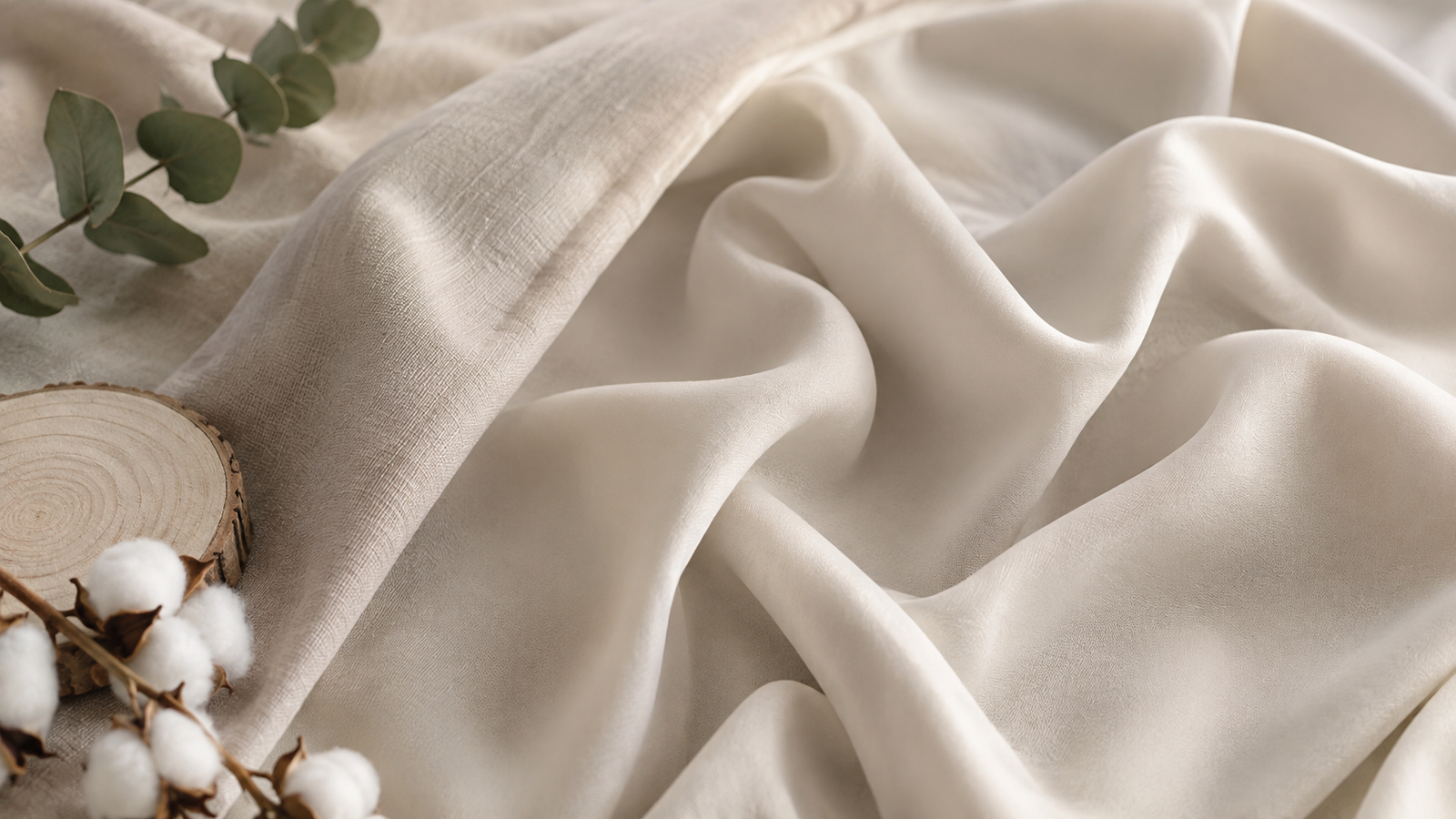
Have you ever picked up a T shirt or a set of bedsheets and wondered why the fabric felt almost silky yet held up wash after wash? There is a good chance you were touching modal fabric. You will find it in loungewear, underwear, and luxury sheets, and for good reason. Modal strikes a rare balance between softness, durability, and everyday practicality that few other fibers manage.
This guide breaks down exactly what modal fabric is, how manufacturers make it, and how it compares to cotton, rayon, and lyocell. You will also learn what to look for before you buy it. No fluff, no recycled talking points, just a clear and honest look at one of the more interesting fabrics in modern textiles.
What Is Modal Fabric?
Modal fabric is a semi synthetic fiber that manufacturers derive from beech tree cellulose. It belongs to the rayon family, so it starts as a natural raw material but goes through a chemical process before it becomes a usable textile fiber.
This origin puts modal in an interesting middle ground. It is not a purely natural fiber like cotton or linen, and it is not a fully synthetic fiber like polyester or nylon. Instead, manufacturers take plant based cellulose and transform it into something that feels closer to silk than to traditional plant fabrics.
Japanese textile engineers first developed modal in the 1950s as an upgrade to standard viscose rayon. They wanted a fiber that kept rayon’s softness but resisted the shrinking and stretching that made viscose difficult to work with. Their process created a stronger, more stable fiber that quickly found its way into clothing and home textiles around the world.
Many brands blend modal with cotton or spandex today to boost stretch and durability even further. You can also find 100 percent modal fabric, particularly in premium bedding and loungewear.
How Is Modal Fabric Made?
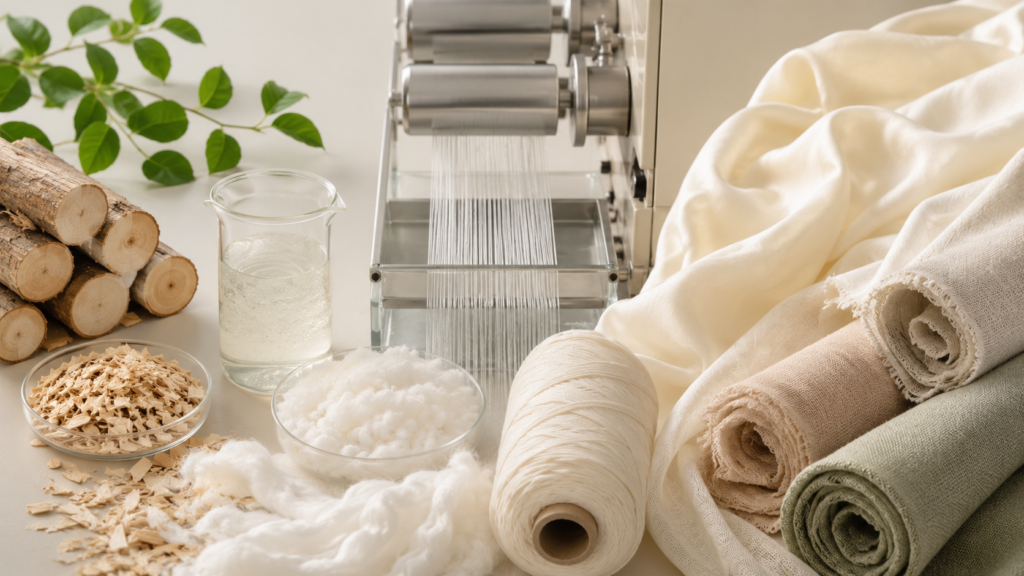
Knowing how modal is made helps explain why it behaves so differently from cotton or polyester. The process involves more steps than most people expect.
From Beech Tree to Raw Pulp
Workers harvest beech trees and break them down into small wood chips. Manufacturers then process these chips to extract cellulose, the structural component found in plant cell walls. This cellulose becomes the raw material for the fiber.
Turning Cellulose Into Fiber
Manufacturers form the extracted cellulose into sheets and steep them in a chemical solution, typically sodium hydroxide. This step breaks the cellulose down further so it can take a spinnable form.
The treated cellulose then becomes a viscous liquid that passes through a device called a spinneret. This device has tiny holes that shape the liquid into long, thin fibers. Once these fibers pass through an acid bath, they solidify and become ready for spinning into yarn.
Weaving and Finishing
Workers wash and dry the yarn, then prepare it for weaving or knitting into fabric. Manufacturers may apply additional finishing treatments to improve wrinkle resistance, softness, or colorfastness, depending on the intended use.
Modal production uses fewer harsh chemicals than standard viscose rayon and creates a fiber with a tighter, more uniform structure. This difference explains why modal outperforms basic rayon in strength and shape retention.
Key Properties of Modal Fabric
Modal has a distinctive set of characteristics that explain its popularity across so many product categories.
Softness. Modal fibers are naturally smooth and fine. This gives the fabric a silky hand feel that many people find more comfortable than cotton, especially against sensitive skin.
Breathability. The fiber structure allows air to circulate well. This quality helps prevent the clingy, overheated feeling you sometimes get with synthetic fabrics.
Moisture absorption. Modal absorbs significantly more moisture than cotton. This is one reason it performs so well in activewear, underwear, and bedding used in warmer climates.
Resistance to pilling. Modal resists the small fuzzy balls that form on fabric surfaces after repeated washing and friction, unlike wool or lower quality cotton blends.
Shape retention. Modal holds its shape well over time. It is far less prone to stretching out or shrinking compared to standard rayon.
Drape. The fabric flows naturally rather than sitting stiffly. Designers often choose it for flowy tops, dresses, and scarves because of this quality.
Stretch. Modal itself is not elastic in the way spandex is, but it has a natural flexibility that makes it comfortable for fitted garments. Manufacturers frequently blend it with elastane to add even more stretch.
Modal Fabric vs Cotton, Rayon, and Lyocell
Shoppers often confuse modal with the fabrics they already know. Here is a straightforward breakdown of the differences.
Modal vs Cotton
Cotton is a fully natural fiber, while modal is semi synthetic. Modal tends to feel softer and silkier, while cotton has a slightly more textured, familiar hand. Modal also absorbs more moisture and resists pilling better, but cotton generally costs less and comes in fully organic forms more easily.
Modal vs Rayon
Modal is technically a type of rayon, but manufacturers use a refined process that produces a stronger, more stable fiber. Standard viscose rayon shrinks and stretches more easily, while modal holds up noticeably better over time.
Modal vs Lyocell
Lyocell, often sold under the brand name Tencel, earns a reputation as the more environmentally advanced cousin of modal. Both fibers come from wood pulp, but lyocell production uses a closed loop solvent system that recycles nearly all of the chemicals involved, which results in less waste. Modal production has improved compared to older rayon methods, yet it still releases more byproducts into the environment.
Many people find modal and lyocell nearly identical in softness and drape. The real difference usually comes down to environmental impact and price, with lyocell typically positioned as the premium, eco forward option.
Common Uses for Modal Fabric
Modal shows up in more products than most people realize. Its blend of softness, breathability, and durability makes it a natural fit for anything worn close to the skin.
- Underwear and intimate apparel, where softness and moisture control matter most
- Bed sheets and pillowcases, especially in the luxury bedding market
- T shirts and casual tops, often blended with cotton for added durability
- Activewear and loungewear, thanks to its breathability and comfortable stretch
- Pajamas and sleepwear, where a smooth, non irritating fabric is a priority
- Scarves and lightweight accessories, which take advantage of its natural drape
Modal performs well in both hot and humid conditions. This makes it a popular choice in regions with warmer climates where people need breathable, moisture wicking clothing.
Is Modal Fabric Sustainable?
This is one of the more nuanced questions in the world of modal fabric, and it deserves an honest answer rather than a marketing one.
Beech trees used for modal production grow quickly and require relatively little water. Manufacturers can often source them from sustainably managed forests. Compared to cotton, which is notoriously water intensive, modal generally has a smaller water footprint at the raw material stage.
The manufacturing process still raises environmental concerns, though. Turning cellulose into fiber involves chemical treatments, including the use of carbon disulfide, a compound that can harm workers and the surrounding environment if handled poorly. Reputable manufacturers use closed loop systems and chemical scrubbers to reduce this impact, but not every producer follows the same standards.
You can gauge how responsibly a manufacturer made a piece of modal fabric by checking for certifications. Lenzing, one of the largest global producers of modal fiber, sources its wood from forests certified by organizations like PEFC. Its production facilities also maintain stricter environmental controls than many competitors.
So is modal sustainable? It marks a meaningful improvement over standard rayon and often beats conventional cotton as an environmental choice. It is not automatically eco friendly simply because it comes from trees, though. The manufacturer behind the fabric matters just as much as the fiber itself.
How to Care for Modal Fabric
Modal requires genuinely low maintenance, which is part of why it has become such a popular choice for everyday clothing and bedding.
- Wash in cold or lukewarm water using a gentle cycle to protect the fibers.
- Use a mild detergent and avoid bleach, which can weaken the fabric over time.
- Machine dry on low heat, or air dry for the best long term results.
- Avoid high heat ironing, since modal can be sensitive to excessive heat.
- Turn garments inside out before washing to reduce surface friction and preserve softness.
These simple steps will keep modal fabric feeling soft and holding its shape for years. This durability is a big part of why sellers often market modal as a long lasting investment rather than a disposable fabric choice.
Pros and Cons of Modal Fabric
No fabric is perfect, and modal is no exception. Here is a balanced look at where it excels and where it falls short.
Pros
- Feels exceptionally soft and comfortable against the skin
- Offers high breathability and moisture absorption
- Resists pilling, shrinking, and fading
- Drapes beautifully, making it ideal for flowing garments
- Provides a generally more sustainable option than cotton at the raw material stage
Cons
- Lacks the full biodegradability of untreated natural fibers
- Requires chemical treatments during manufacturing that demand responsible handling
- Wrinkles more easily than some synthetic blends
- Costs more than basic cotton
- Varies in environmental impact depending on the producer
Weigh these factors against your priorities, whether that means comfort, budget, or sustainability. This comparison will help you decide if modal fits a particular product you have in mind.
How to Tell If You Are Buying Quality Modal
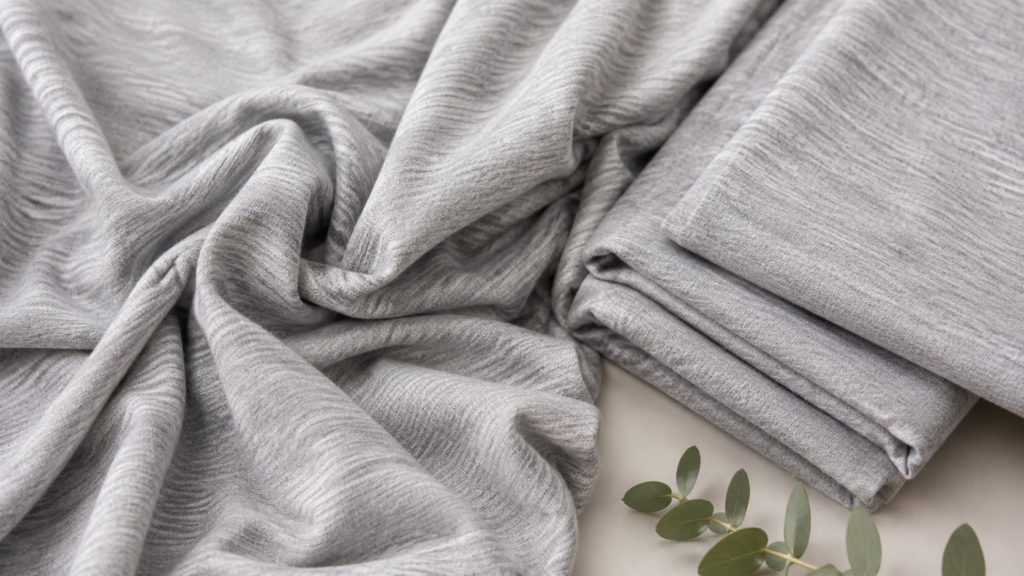
Not all modal fabric measures up equally, and a few simple checks can help you avoid lower quality blends.
Start by checking the fiber content label. Garments labeled 100 percent modal feel noticeably softer and more consistent than blends where modal makes up only a small percentage alongside cheaper synthetic fibers.
Look for branded fibers like Tencel Modal. This label indicates that Lenzing produced the fabric under stricter environmental and quality standards, so the branding often serves as a reliable shortcut for identifying higher grade material.
Feel the fabric in person when possible. High quality modal should feel smooth and almost cool to the touch, without any rough or scratchy texture. A modal labeled product that feels stiff or thin may contain a lower percentage blend or come from a lower grade production run.
Finally, check the thread count if you are shopping for bedding. Quality modal sheets commonly fall in the 150 to 300 thread count range, and higher counts generally signal a more luxurious feel.
Final Thoughts
Modal fabric occupies a unique space in the textile world. Manufacturers take a natural raw material, beech tree cellulose, and transform it into a fiber that rivals silk in softness while holding up to daily wear far better than many natural fabrics.
Modal offers a dependable mix of comfort, breathability, and durability whether you shop for bedsheets, everyday T shirts, or activewear. This combination explains why it keeps showing up in more product lines every year. Just remember that production quality varies, so paying attention to certifications and fiber content labels will help you get the best version of this fabric for your money.
Understanding what modal fabric is, how manufacturers make it, and how it compares to alternatives like cotton, rayon, and lyocell puts you in a much better position to make an informed choice. Keep these points in mind the next time you shop for clothing or home textiles.
Frequently Asked Questions
Is modal fabric good for sensitive skin?
Yes. People with sensitive or easily irritated skin often choose modal because of its smooth, silky texture and fewer rough fibers compared to many cotton blends.
Does modal fabric shrink in the wash?
Modal resists shrinking far better than standard rayon. Still, wash it in cold or lukewarm water and avoid high heat drying to preserve its shape over time.
Is modal fabric warm or cool to wear?
Modal generally feels cool and breathable thanks to its high moisture absorption and airy fiber structure. This makes it a popular choice for warmer climates and summer clothing.
Can you wash modal fabric with regular cotton clothing?
Yes, you can typically wash modal alongside cotton items. Just follow the gentle cycle and cold water guidelines to protect both fabrics.
Is modal fabric more expensive than cotton?
Modal usually costs more than basic cotton because of its more involved manufacturing process. It tends to compare closely with lyocell in price and costs less than silk.
