
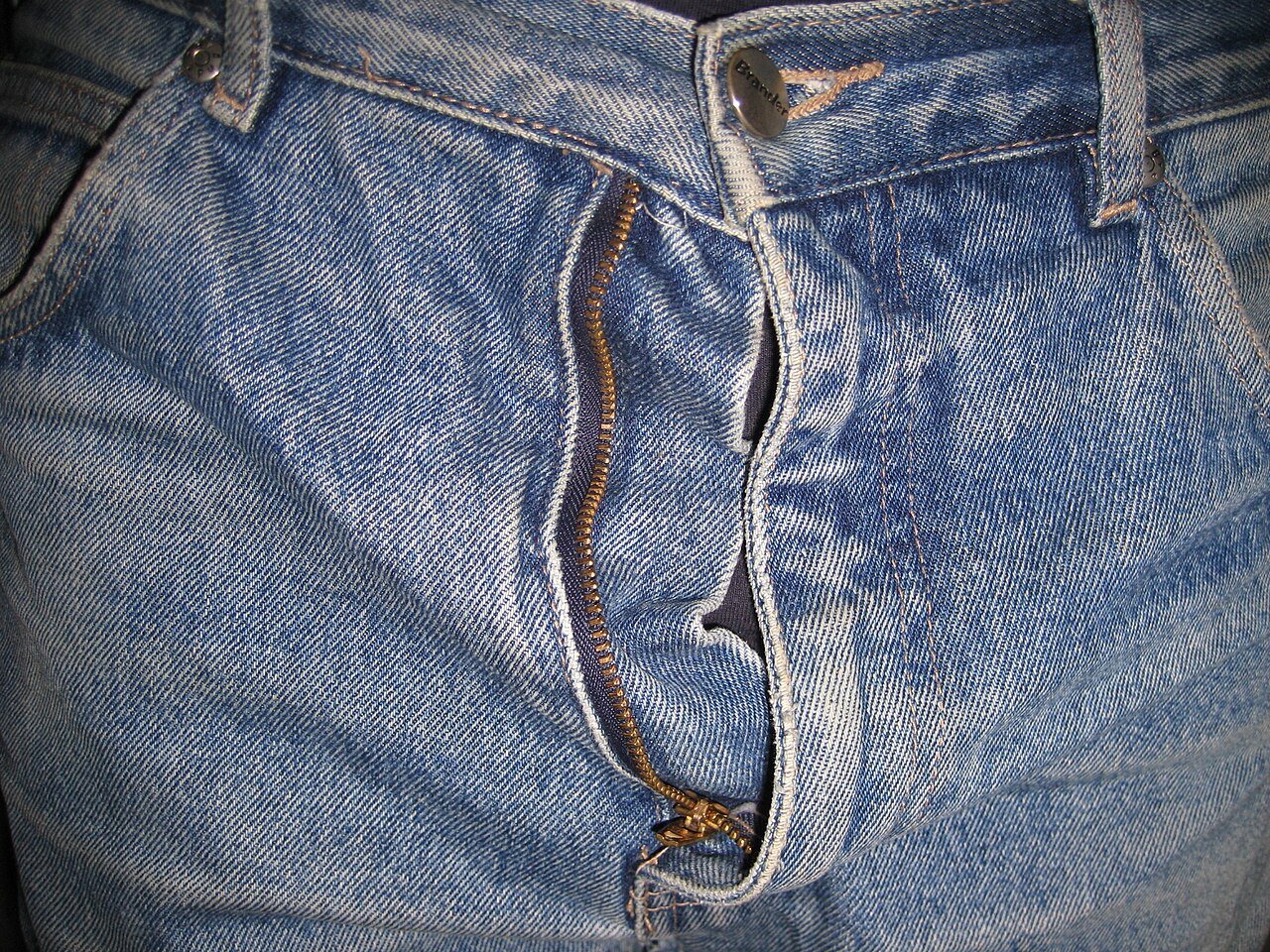
It always happens at the worst possible moment. You are walking into a meeting, standing in line at the store, or chatting with someone you just met, and you feel it. Your jeans zipper has crept down again. You tug it back up, you carry on, and ten minutes later it has slipped right back down. It is embarrassing, it is annoying, and it makes your favorite pair of jeans feel unwearable.
The good news is that learning how to stop a zipper from sliding down on jeans is one of the easiest clothing repairs there is. Most of the time the zipper itself is fine. The small metal slider that pulls the teeth together has simply worn loose, and it no longer grips the teeth tightly enough to stay put. Once you understand that, the fix becomes obvious, and you can choose between a 30 second trick that gets you through the day and a 5 minute repair that solves the problem for months.
This guide walks through both. You will learn the quick fixes that need nothing more than a key ring or a safety pin, the pliers repair that fixes the real cause, and the honest signs that tell you the zipper is done and needs a new slider or a trip to the tailor. Every method here costs almost nothing, needs no sewing skill to start, and works on the jeans you already own.
Why Your Jeans Zipper Slides Down in the First Place
A jeans zipper has only a few parts. There are two rows of metal teeth, a bottom stop that holds the rows together at the base, and the slider, which is the small piece with the pull tab that you move up and down. When you pull the slider up, its narrow channel squeezes the two rows of teeth together. When the slider is new, that channel is tight and the teeth lock firmly.
After months of wear, washing, and tugging, the metal of the slider stretches a tiny amount. The channel gets wider, the grip gets weaker, and the teeth no longer lock as firmly as they should. Gravity and the movement of your legs then do the rest, and the slider creeps down on its own. This is why the problem usually appears slowly. First it slips once in a while, then it slips every time you sit down, and finally it will not stay up at all.
Fit plays a part too. Jeans that are tight across the hips put constant sideways pressure on the zipper, and that pressure pushes the slider down. If your jeans pull at the waist when you sit, the zipper is working much harder than it was designed to. A worn slider plus a tight fit is the combination that causes the most trouble.
There is a simple test that tells you whether the slider is the problem. Zip the jeans up, then hold the fabric on each side of the zipper and pull gently apart. If the teeth separate behind the slider, or if the slider wobbles from side to side, the slider jaws are worn. If the teeth stay locked and the slider feels firm, the problem may be fit, or the slider may just need a clean. Either way, the fixes below start with the easiest option and work up to the permanent ones.
How to Stop a Zipper From Sliding Down on Jeans With a Key Ring
The key ring trick is the fastest fix of all, and it is the one to use when you need to leave the house in two minutes. All you need is a small metal key ring, the kind you would put a house key on. A ring about the size of a dime works best. A ring that is too large will show above the waistband, and a ring that is too small will not reach the button.
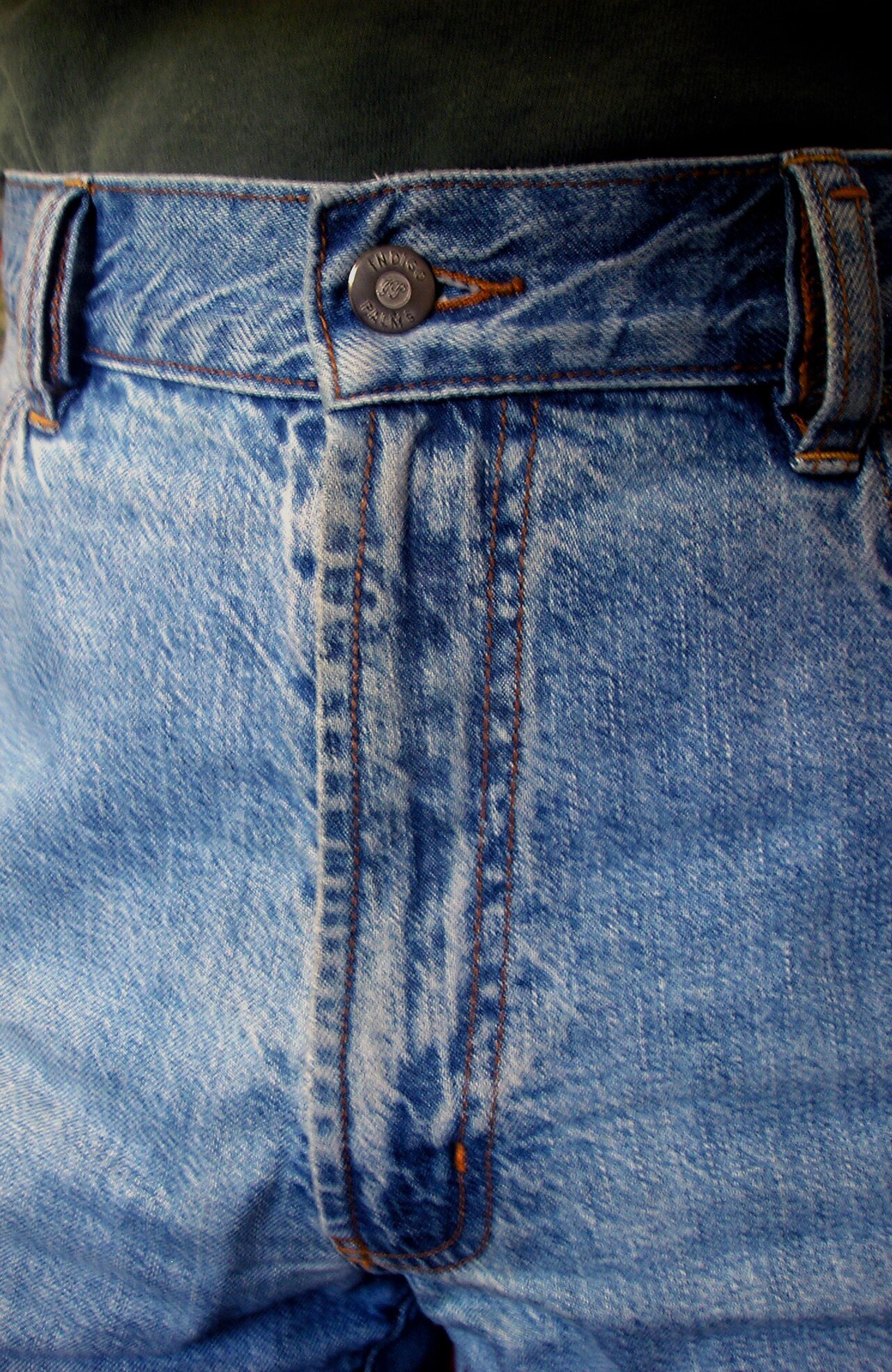
Start by zipping your jeans all the way up. Slide the key ring through the small hole at the end of the zipper pull tab. Then loop the ring over the waistband button and button the jeans as normal. The ring now anchors the pull tab to the button, so the slider cannot move down no matter how much you walk or sit. The waistband of the jeans hides the ring, so nobody can see it.
This fix costs nothing, takes less than a minute, and holds all day. It is the best option for work, school, or any day when you cannot stop to do a proper repair. The only downside is that you have to unhook the ring every time you use the bathroom, and the ring can catch on the fabric if you rush. Keep a spare key ring in your bag or your desk drawer so you are never caught out.
A rubber band works the same way if you have no key ring. Thread a small rubber band through the hole in the pull tab, zip up, then loop both ends of the band over the waistband button and button up. It holds well, but rubber bands stretch and snap after a few hours, so treat it as a one day fix only.
The Safety Pin Fix for a Zipper That Will Not Stay Up
The safety pin fix is just as quick and it works even when the zipper pull tab has no hole in it. You need one medium safety pin, the kind sold in any sewing kit or drugstore. Open the pin, and push it through the fabric of the jeans just above the top of the zipper, on the inside of the waistband where it will not show.
Zip the jeans up first, then pin the pull tab to the fabric above it. The pin holds the tab in place, and the slider cannot slide down while the tab is pinned. Close the pin fully and check that the point is covered so it cannot scratch your skin. If the pin is visible from the outside, move it a little lower on the inside of the waistband until it disappears.
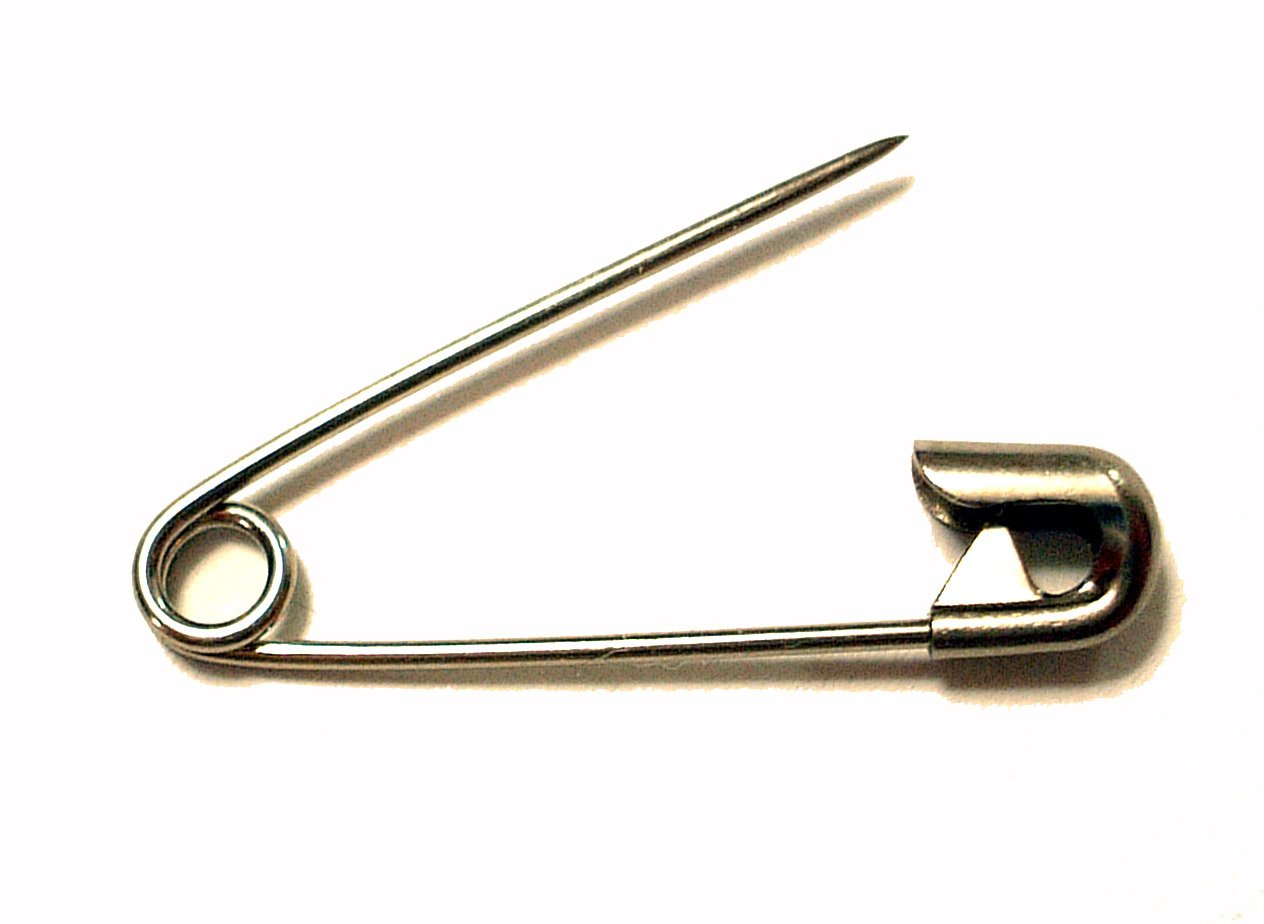
This method is useful when the pull tab itself is broken or missing, because you are pinning the slider body rather than the tab. It is also the best fix for kids jeans, since children rarely sit still long enough for a key ring to stay hooked. The pin will hold through a full day of normal wear, but check it after washing, since pins can work loose in the machine. Never put jeans with an open pin into the washer.
One warning is worth repeating. A safety pin is a temporary fix, not a repair. If you find yourself pinning the same pair of jeans every morning, the slider is worn out and it is time for the pliers method below. Pinning the same spot every day will eventually leave small holes in the waistband fabric.
Tighten the Slider With Pliers in Five Minutes
If you want a fix that lasts, this is the one to learn. Tightening the slider with pliers fixes the actual cause of the problem, which is the worn channel inside the slider. You need a pair of pliers with smooth flat jaws. Regular pliers work, but wrap the jaws in a thin cloth or a layer of tape first so they do not scratch the metal or leave marks on the teeth.
Zip the jeans all the way up. Look closely at the slider and you will see it has a wider end at the top and a narrower end at the bottom. The wide end is where the teeth enter separately, and the narrow end is where they come out locked together. The squeezing should happen at the narrow end and along the sides, never at the wide end.
Place the pliers gently across the narrow end of the slider and squeeze very lightly. You are aiming to close the channel by a fraction of a millimeter, so use far less force than you think you need. Test the zipper after each squeeze. Zip it up and down a few times and check whether the slider still creeps. If it still slips, squeeze once more, just as lightly. Two or three gentle squeezes are usually enough.
Do the same on the sides of the slider if the teeth still separate when you pull the fabric apart. Squeeze the left and right edges of the slider body lightly, test again, and repeat only if needed. The most common mistake here is squeezing too hard on the first try. A slider that is squeezed too tight will jam and refuse to move at all, and a jammed slider is much harder to fix than a loose one. Go slow, test often, and stop the moment the zipper holds.
When it works, this repair can keep a zipper working for months. It costs nothing, it needs no parts, and it is the method tailors use as a first step before they suggest a replacement. If the slider still slips after three careful squeezes, the metal is too worn to hold a new shape, and it is time to replace the slider itself.
Clear Nail Polish and Hairspray: Do They Really Work
You will see two more tricks recommended all over the internet, and both deserve an honest verdict. Clear nail polish painted onto the zipper teeth can make them slightly sticky, which adds friction and helps a loose slider stay up. It works for a few hours, and it is invisible once dry. But it washes off in the laundry, it can flake onto light colored fabric, and it does nothing to fix the worn slider underneath. Use it only as a backup when you have no key ring and no pin.
Hairspray works the same way. A light spray along the closed teeth adds tackiness that holds the slider for a short while. It is even less durable than nail polish, and it can leave a sticky residue on dark denim. Neither method is a real repair. They are useful in an emergency, and they are worth knowing about, but they should never be your only plan.
The same honesty applies to the idea of lubricating the zipper with soap or candle wax. Lubrication helps a stuck zipper move, but a sliding zipper has the opposite problem. It already moves too easily. Adding wax or soap makes the slider move more freely, which can make the slipping worse. Save the wax for a zipper that sticks, not one that slides.
Sew a Hook and Eye Above the Zipper
If you are comfortable with a needle and thread, sewing a small hook and eye closure just above the top of the zipper gives you a permanent backup. A hook and eye set costs about one or two dollars at any craft store, and the sewing takes about ten minutes. The hook goes on one side of the waistband, the eye goes on the other, and when they are fastened they take the sideways pressure off the zipper entirely.
Start by trying the jeans on and marking the spot where the waistband meets when the zipper is closed. Sew the hook to the inside of the waistband on one side, using small tight stitches through the metal loops. Sew the eye to the matching spot on the other side. Use thread that matches the jeans, and knot it firmly at the back so the stitches cannot pull out.
This fix works best on jeans that are a little tight, because the hook and eye carry the strain that was forcing the zipper open. It also helps on jeans where the waistband button has come loose, since the hook and eye take over the job of holding the waist closed. The closure sits inside the waistband, so it is invisible when you wear the jeans, and it will survive washing without any attention.
If you have never sewn a hook and eye before, practice on a scrap of fabric first. The stitches need to be small and close together, or the hook will pull loose the first time you sit down. There are good video guides for this stitch, and it is one of the simplest sewing jobs a beginner can learn. Once you can do it, you can use the same skill on skirts, trousers, and jackets with the same problem.
Replace the Slider Instead of the Whole Zipper
When the pliers method stops working, the slider itself is finished. The good news is that you do not need to replace the whole zipper. A replacement slider costs two to five dollars, and slider repair kits sold online include several sizes plus a small tool for fitting them. The only detail you need to get right is the size, which is stamped on the back of the old slider as a number like 4 or 5.
To fit a new slider, you need to get the old one off. At the top of the zipper there are two small metal stops. Use pliers to gently pry one stop open and slide it off the teeth, then slide the old slider up and off. Slide the new slider on from the same end, with the pull tab facing outward, and work it down the teeth slowly to check that it locks them together. Then put the stop back on and squeeze it closed with the pliers.
There are also clamp on replacement sliders that need no stop removal. They open up, clip over the teeth, and clamp shut. These are easier for a first timer, but they are slightly bulkier than a standard slider, and they can feel stiff for the first few days. Either type is a proper repair, and either one will give your jeans another year or two of life.
This is the point where many people give up and buy new jeans, which is a shame. A five dollar slider and ten minutes of work can save a pair of jeans that fits perfectly and is otherwise in great shape. If the teeth themselves are broken, bent, or missing, then the slider cannot help, and a full zipper replacement is the next step.
When to Replace the Zipper or Take the Jeans to a Tailor
A full zipper replacement means removing the old zipper and sewing a new one into the fly, which is a bigger job than swapping a slider. A tailor in the United States typically charges between ten and twenty dollars for a jeans zipper replacement, including the new zipper. The work takes a day or two, and a good tailor will match the zipper color and length so the repair is invisible.
Take the jeans to a tailor if the teeth are damaged, if the fabric around the zipper is torn, or if the zipper has split away from the seam. These are problems that no trick can fix, and forcing a damaged zipper will only tear the fabric further. Also consider a tailor if the jeans are expensive or a favorite fit, since a professional replacement will last as long as the original.
On the other hand, if the jeans are old, faded, and worn thin in other places, a twenty dollar repair may cost more than the jeans are worth. In that case the key ring trick can keep them wearable for casual days at home, and your money is better spent on a new pair. Be honest about the condition of the jeans before you pay for a repair.
There is one more sign that the zipper is done. If the slider moves freely but the teeth will not stay meshed even when you hold the slider still, the teeth themselves have lost their shape. No amount of squeezing will fix teeth that no longer interlock. That is the moment to stop repairing and replace the zipper or retire the jeans.
How to Keep Your Jeans Zipper Working Longer
Once your zipper is fixed, a few small habits will keep it working for much longer. Always zip your jeans up before you put them in the washing machine. An open zipper catches on other clothes in the wash, and the tumbling bends the slider and the teeth. Wash jeans inside out on a cold cycle, and skip the dryer when you can, since high heat weakens the metal and shrinks the denim around the zipper.
Keep the zipper clean. A quick brush with an old toothbrush once a month removes lint and grit from the teeth, and a tiny drop of graphite from a pencil rubbed along the teeth keeps the slider moving smoothly. Avoid yanking the zipper when it sticks. Pull the fabric on either side of the zipper apart gently first, then move the slider. Yanking bends the slider jaws, which is exactly how the slipping problem starts.
Fit matters as much as care. Jeans that fit well at the waist put almost no sideways strain on the zipper, and the slider lasts years longer. If you love a pair that is tight, the hook and eye fix above is worth doing before the zipper starts slipping, because it protects the zipper from the strain. The same care applies to other clothes. If your socks keep slipping down inside your boots, the cause is usually the same kind of slow wear, and a small fix early saves a bigger repair later. And if your clothes pick up smells in the wash, our guide on clothes smelling damp when drying indoors covers the drying habits that keep denim fresh.
The Bottom Line on a Sliding Jeans Zipper
A zipper that slides down on jeans feels like a disaster in the moment, but it is one of the simplest clothing problems to solve. Start with the key ring trick when you need to get out of the door. Use a safety pin when the pull tab is broken. Then, when you have five minutes to spare, tighten the slider with pliers and fix the real cause. If the slider is too worn to hold its shape, a replacement slider costs a few dollars and takes ten minutes to fit. Only when the teeth themselves are damaged is it time to visit a tailor or retire the jeans.
The lesson is worth remembering beyond this one repair. Most clothing problems look worse than they are, and the cheapest fix is usually the right one if you understand what has actually worn out. Your favorite jeans do not need replacing. They need a key ring today and a gentle squeeze with pliers this weekend. Do those two things, and you will stop checking your fly every ten minutes and start wearing those jeans with confidence again.
Questions About a Zipper That Slides Down on Jeans
Why does my jeans zipper keep falling down?
The slider has worn loose. Its channel no longer grips the teeth tightly, so movement and gravity pull it down. A tight fit across the hips makes the problem worse by pushing the slider open.
How do I stop my zipper from sliding down without sewing?
Loop a small key ring through the pull tab and over the waistband button, or pin the pull tab to the inside of the waistband with a safety pin. Both fixes take under a minute and hold all day.
Can I fix a zipper slider with pliers?
Yes. Squeeze the narrow end and the sides of the slider very gently with smooth jaw pliers, testing the zipper after each squeeze. Stop as soon as it holds, since squeezing too hard will jam the slider.
Does clear nail polish stop a zipper from sliding down?
It helps for a few hours by adding friction to the teeth, but it washes off in the laundry and does not fix the worn slider. Treat it as an emergency backup, not a repair.
How much does a tailor charge to replace a jeans zipper?
In the United States a tailor typically charges between ten and twenty dollars, including the new zipper. A replacement slider, which fixes most cases, costs only two to five dollars if you fit it yourself.
