
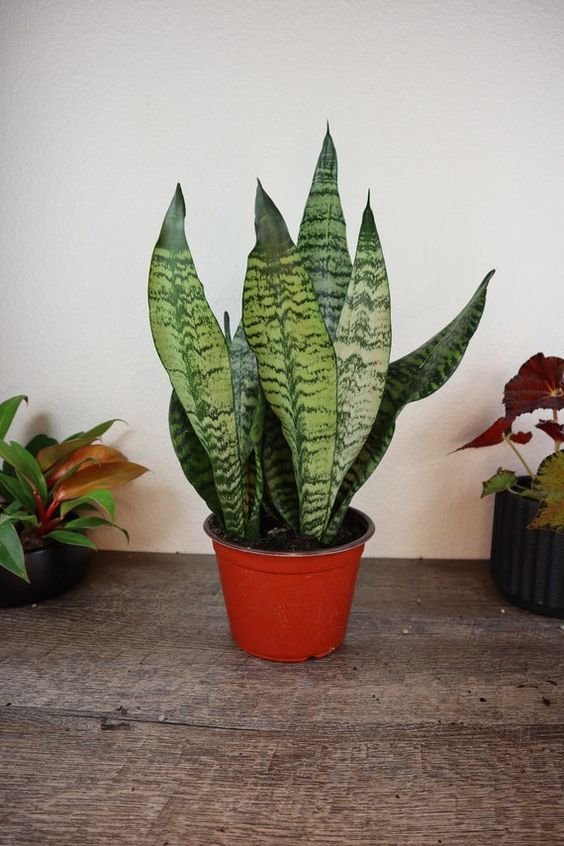
One morning you walk past your snake plant and notice something odd. Yesterday it stood tall and proud. Today it is tipping toward the window as if it is trying to climb out of the pot. If you are wondering why is my snake plant leaning to one side, take a breath. You are far from alone, and in most cases the fix is simpler than you think.
Snake plants, also known as Sansevieria or mother in law tongue, are famous for being nearly impossible to kill. But even tough plants send signals when something in their environment is off. A lean is your plant’s way of asking for help, and once you know what it is asking for, you can set things right in a single afternoon.
The Quick Answer
A snake plant usually leans to one side for one of five reasons: it is reaching toward light, its roots are rotting from too much water, it was planted too shallow, the pot is too large or has no drainage, or the soil has shrunk away from the roots after a long dry spell. Check the soil moisture and give the base of the leaves a gentle wiggle. Firm leaves in dry soil point to a light problem. Soft or mushy leaves in wet soil point to root rot, which needs faster action.
Why Is My Snake Plant Leaning to One Side: The Five Main Causes
Before you fix anything, it helps to understand what is actually going wrong. Each cause has its own set of clues, and matching the fix to the cause is what separates a quick recovery from weeks of guesswork.
1. It Is Chasing the Light
This is the most common and the least worrying cause. Plants bend toward their brightest light source through a natural response called phototropism. If your snake plant sits a few feet from a window and never gets turned, the whole cluster of leaves will slowly tilt in that direction. The lean develops gradually over weeks, the leaves stay firm and healthy, and the plant otherwise looks fine.
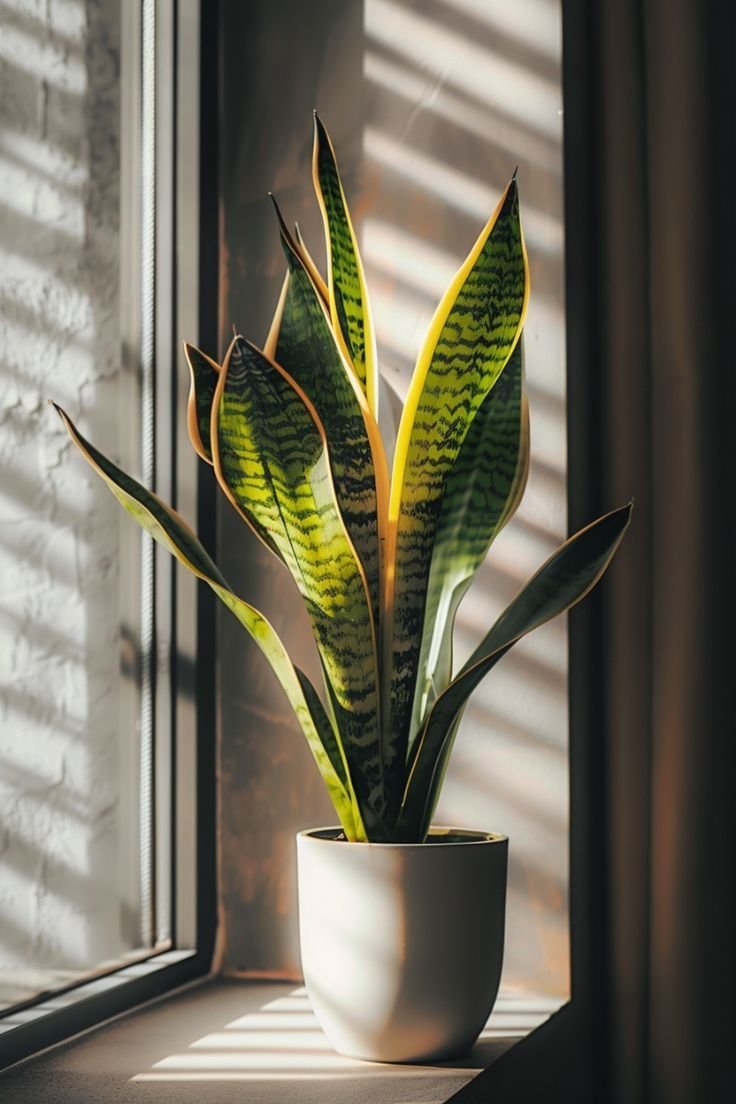
You can confirm this cause with a simple observation. Look at which way the leaves point. If every leaf angles toward the same window or lamp, light is your answer. Snake plants tolerate low light, but tolerance is not the same as thriving. In dim corners they stretch and lean far more than they would in a bright spot.
2. Too Much Water and the Start of Root Rot
Overwatering is the number one killer of snake plants, and leaning is often its first visible symptom. These plants store water in their thick leaves, so they need far less water than most houseplants. When the soil stays soggy, the roots and the base of the leaves begin to rot. The foundation weakens and the whole plant tips over like a fence post in mud.
The warning signs are hard to miss once you know them. The soil feels wet days after watering. The base of the leaves looks yellow or translucent. The leaves feel soft and mushy instead of firm. There may be a sour smell coming from the soil. If you see several of these signs together, treat it as urgent and skip ahead to the emergency section below.
3. Planted Too Shallow After Repotting
A lean that appears within days of repotting usually has a mechanical cause rather than a care problem. If the root ball sits too close to the surface, the roots cannot grip enough soil to hold the tall leaves upright. The plant wobbles like a flagpole set in a shallow hole.
This often happens when someone moves a snake plant into a bigger pot and fills soil around it without firming it in. It can also happen when the new soil is very loose and fluffy. The plant itself is healthy, it just needs a firmer footing.
4. A Pot That Is Too Big or Has No Drainage
Snake plants like to be slightly snug in their pots. A pot that is much larger than the root ball holds a large volume of soil that stays wet long after watering. That constant dampness weakens roots and makes the plant unstable. As a rule of thumb, choose a pot only one or two inches wider than the root ball.
Drainage matters just as much as size. A decorative pot with no hole in the bottom traps water where the roots sit. Contrary to popular advice, a layer of gravel at the bottom does not fix this. Water simply sits in the soil just above the gravel. The growing pot needs a real drainage hole, with any pretty outer pot used only as a cover that you empty after watering.
5. Loose Roots After a Long Dry Spell
Underwatering gets less attention than overwatering, but it can also cause a lean. When potting soil dries out completely for a long time, it shrinks and pulls away from the sides of the pot. The roots lose contact with the soil, the plant becomes top heavy, and the whole thing tips. You might notice the plant wobbling when you nudge the pot, even though the leaves still look healthy.
This is common in winter when people cut back watering too aggressively, or when a plant has been ignored during a holiday. The good news is that this cause is the easiest to fix. A thorough watering usually settles the soil back around the roots within a day or two.
How to Diagnose the Real Cause in Two Minutes
You do not need any tools to figure out what is wrong. Run through this quick check and you will know exactly which fix to use.
First, press a finger about two inches into the soil. If it feels wet and it has been more than a few days since you watered, overwatering is likely. If it is bone dry and pulling away from the pot edges, underwatering is the suspect. If it feels just barely damp, moisture is probably fine and light or potting depth is the issue.
Second, grip the base of the leaves gently and give a very light tug. Firm resistance means the roots are holding well, which points to light as the cause. If the plant shifts easily in the soil or the leaf bases feel soft, the roots are weak and you should inspect further.
Third, look at the direction of the lean. A uniform tilt toward the nearest window means phototropism. A random flop, especially with yellowing at the base, means root or soil trouble. This two minute diagnosis saves you from treating the wrong problem.
Five Fixes That Straighten a Leaning Snake Plant
Once you know the cause, pick the matching fix. Most leaning snake plants recover fully within a few weeks of the right correction.
Fix One: Rotate the Pot Every Week
If light is the cause, rotation is your simplest tool. Give the pot a quarter turn once a week so each side of the plant takes turns facing the window. Over a month or two, new growth comes in straighter and the lean stops progressing. Existing bent leaves will not fully straighten, but the plant as a whole will look balanced again. Set a weekly reminder on your phone until it becomes habit.
Fix Two: Move It Closer to Bright Indirect Light
Rotation helps, but a plant starved of light needs more of it. Move your snake plant to a spot that gets bright indirect light for most of the day, such as near an east facing window or a few feet back from a south facing one. Avoid harsh midday sun blasting directly through glass, which can scorch the leaves into pale patches. If natural light is limited, even a simple grow bulb on a timer for eight to ten hours a day makes a visible difference within weeks.
Fix Three: Repot at the Right Depth With the Right Soil
For a plant that wobbles because it was potted too shallow, take it out and reset it. Choose a pot with drainage holes, only slightly larger than the root ball. Set the plant so the base of the leaves sits about one to two inches below the rim, at roughly the same depth it grew before. Fill in with a fast draining cactus or succulent mix, or regular potting soil blended with perlite or coarse sand. Press the soil gently but firmly around the base so the plant stands on its own without support.
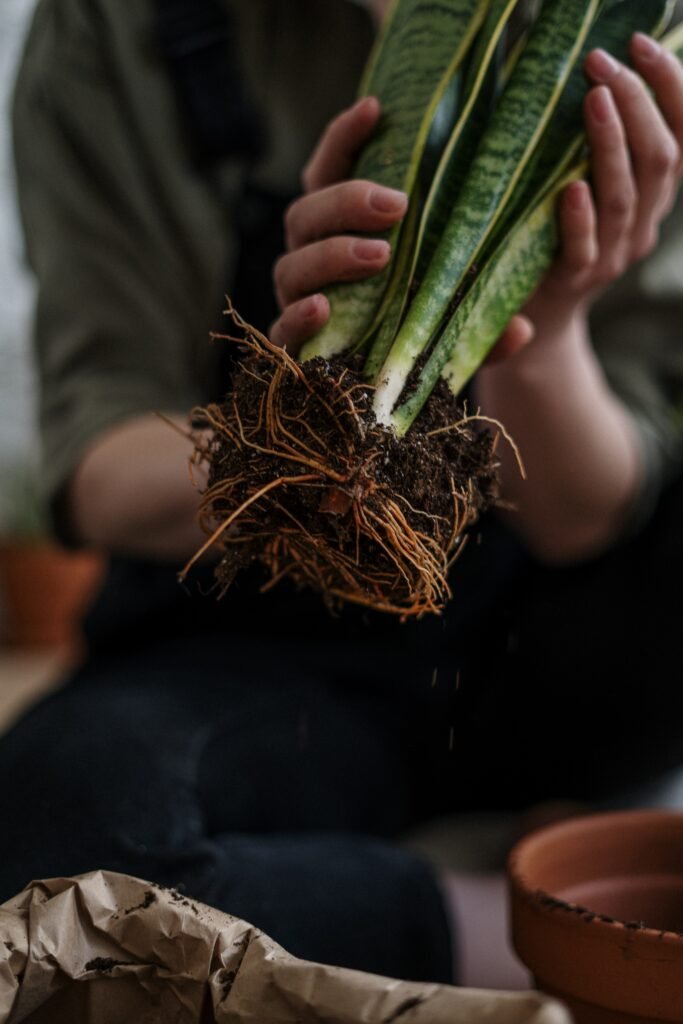
While you have the plant out of the pot, inspect the roots. Healthy roots are firm and pale, either white or light orange. Trim away any brown, black, or mushy roots with clean scissors, and let the cut ends dry for a few hours before replanting. This single step stops early rot from spreading.
Fix Four: Water Deeply but Rarely
Snake plants thrive on a soak and dry rhythm. Water thoroughly until it flows from the drainage holes, then wait until the soil is completely dry before watering again. In spring and summer that might mean every one to two weeks. In winter, once a month or even less is plenty. A wooden chopstick pushed into the soil is a reliable test. If it comes out clean and dry, it is time to water. If soil clings to it or it feels cool and damp, wait a few more days. When in doubt, wait. These plants forgive drought far more easily than they forgive soggy roots.
Fix Five: Give Temporary Support While It Recovers
Sometimes a plant needs a crutch while its roots reestablish. A simple stake works well. Push a bamboo cane or wooden dowel into the soil near the leaning side, taking care not to spear the root ball, and loosely tie the leaves to it with soft plant ties or strips of old t shirt. Keep the ties loose enough that you can slide a finger underneath. Remove the support after four to six weeks once the plant stands firmly on its own. Think of it as a cast on a sprained ankle, helpful for healing but not meant to stay forever.
How to Stake a Snake Plant the Right Way
Staking deserves a little extra detail because done badly it can damage the plant. Never tie leaves tightly with wire or string that cuts into the leaf surface. Use wide, soft material and make a figure eight loop around both the stake and the leaf cluster, so the tie cushions rather than strangles. Place the stake on the side opposite the lean to gently pull the plant upright, or use two stakes on either side for a very floppy plant. Check the ties every couple of weeks and loosen them as the plant firms up. If you notice the leaves bending sharply at the tie point, the ties are too tight.
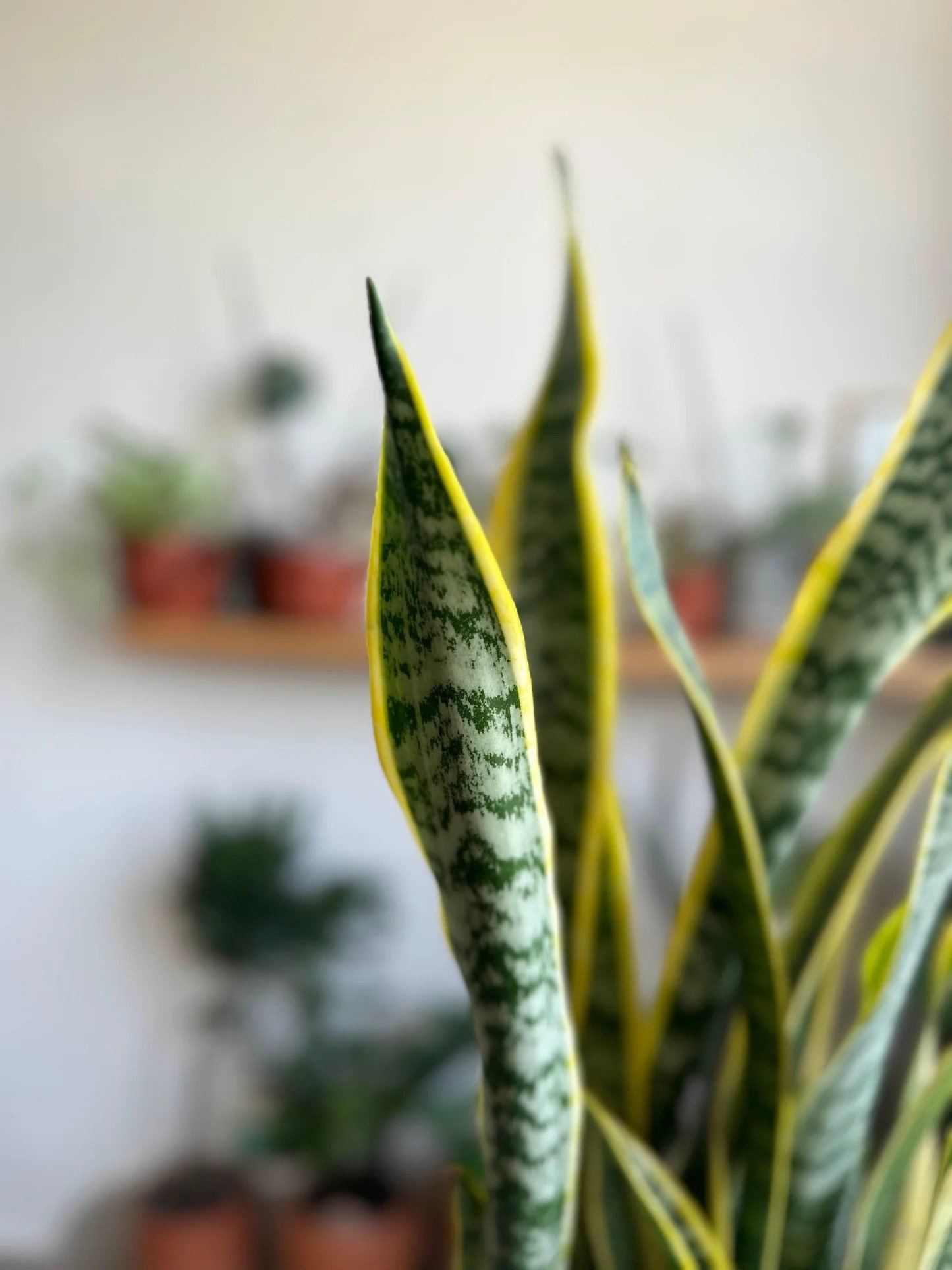
For a plant with just one or two floppy outer leaves, you can skip the stake entirely. Simply trim the worst leaf at the base with clean scissors. Snake plants constantly push up new leaves from the center, so removing a damaged outer leaf redirects energy into fresh upright growth. It feels drastic the first time, but the plant usually looks better within a month.
How to Keep Your Snake Plant Upright for Good
Fixing the lean is only half the job. A small routine keeps it from coming back. Rotate the pot weekly and keep the plant in bright indirect light. Water only when the soil is fully dry, and always empty the saucer afterward. Repot only when roots are visibly crowded, usually every two to three years, and never jump more than one pot size up. Feed lightly with a diluted houseplant fertilizer once in spring and once in summer, and skip feeding entirely in autumn and winter when growth slows. Finally, dust the leaves occasionally with a damp cloth. Clean leaves capture more light, which means less stretching toward the window.
When a Leaning Snake Plant Is an Emergency
Most leaning is cosmetic and fixable. Act fast, though, if you spot these red flags. Mushy, translucent leaf bases that pull away with a gentle tug mean advanced rot. A foul smell from the soil means the root system is decaying. Leaves that are yellow and collapsing at the base rather than just tilting will not recover on those leaves. In these cases, unpot the plant immediately, cut away all rotted tissue until only firm healthy material remains, let the cuts dry for a day, and repot in fresh dry soil. Hold off watering for at least a week. If the rot has reached the center of the plant, you can still save it by cutting a healthy leaf into sections and propagating new plants from the cuttings.
Conclusion
So why is my snake plant leaning to one side? In most homes the answer is simple. The plant is reaching for more light, sitting in soil that stays too wet, or wobbling in a pot that does not suit it. Run the two minute diagnosis, match the fix to the cause, and give the plant a few weeks to respond.
The key takeaways are easy to remember. Rotate weekly and provide bright indirect light. Water deeply but only when the soil is fully dry. Use a snug pot with drainage holes and fast draining soil. Stake temporarily if the plant needs support while it recovers. Follow this routine and your snake plant will reward you with the tall, upright leaves that made you bring it home in the first place.
Frequently Asked Questions
Will a leaning snake plant straighten itself?
Not on its own. Existing bent leaves generally keep their angle, but correcting the cause stops the lean from worsening and all new growth comes in upright. With rotation and better light, the plant looks balanced again within one or two growing seasons.
Should I cut off the leaning leaves?
Only if a leaf is badly flopped, mushy, or yellowed at the base. Healthy but tilted leaves still photosynthesize and feed the plant, so leave them in place. Trim damaged leaves at the base with clean scissors and let new center growth fill in.
How often should I water my snake plant to prevent leaning?
There is no fixed schedule that suits every home. Water thoroughly, then wait until the soil is completely dry all the way through. That is usually every one to two weeks in warm months and every four to eight weeks in winter. Always check the soil first rather than watering on a calendar.
Can low light alone make a snake plant lean?
Yes. Snake plants survive in low light, but they stretch toward whatever light exists, which produces a gradual one sided lean. Moving the plant to bright indirect light and rotating the pot weekly corrects this over time.
Is it normal for a snake plant to lean after repotting?
A slight wobble right after repotting is common and usually means the plant was set too shallow or the soil was not firmed around the roots. Lift it out, reset it one to two inches deeper in a snug pot with drainage, firm the soil gently, and it should stand steady.

1 Comment
Pingback: Why Your Houseplant Leaves Turn Yellow