
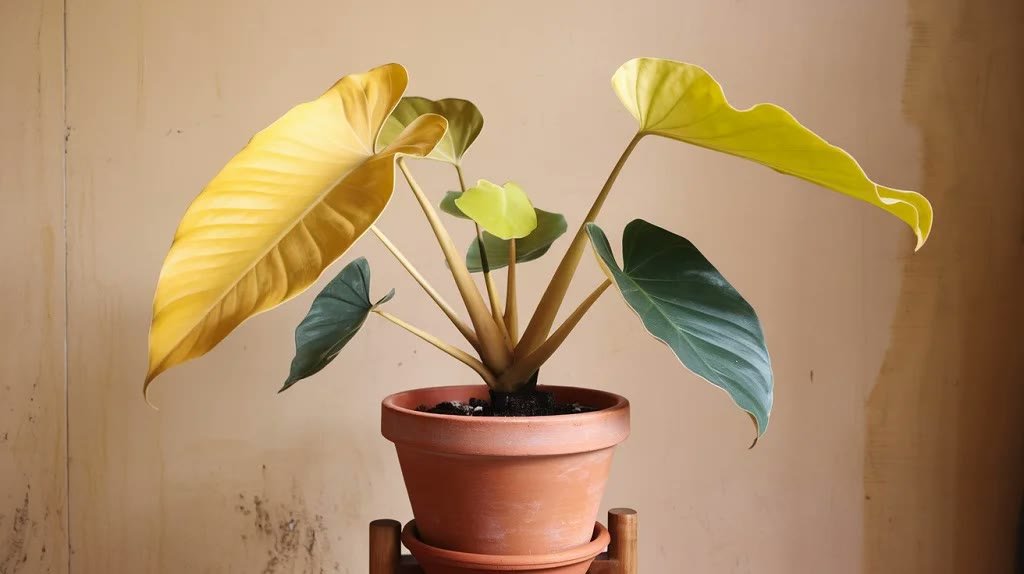
Yellow leaves on a houseplant are worrying, but they are also your plant’s way of asking for help. If you have been wondering why are my houseplant leaves turning yellow, you are not alone. It is the most common complaint among indoor gardeners, from first time plant owners to people with a whole jungle on their windowsills.
The good news is that yellow leaves are usually fixable. Yellowing is a stress signal, not a death sentence. Once you learn to read the signs your plant is giving you, you can pin down the cause and fix it fast. In this guide we will walk through the eight most common reasons houseplant leaves turn yellow, how to diagnose your specific problem, and the exact steps to get your plant green and thriving again.
Why Are My Houseplant Leaves Turning Yellow: The 8 Most Common Causes
Before you reach for the watering can, take a close look at your plant. The pattern of yellowing tells you a lot. Leaves that are soft and yellow all over point to a different problem than leaves with crispy brown edges. Work through the causes below and match the symptoms to your plant.
1. Overwatering
Overwatering is the number one cause of yellow houseplant leaves. When soil stays wet for too long, roots cannot get the oxygen they need and start to rot. A rotting root system cannot absorb water or nutrients, so the leaves turn yellow even though the soil is soaking.
Typical signs include soft yellow leaves all over the plant, soil that stays wet for days after watering, and a musty smell from the pot. The lower leaves usually yellow first. If the stems feel soft or mushy near the base, root rot has likely set in and you need to act quickly.
The fix is simple but requires patience. Let the soil dry out completely before watering again. Check that the pot has drainage holes and that excess water is not sitting in the saucer. If the plant is badly affected, take it out of the pot, trim away any brown mushy roots with clean scissors, and repot it in fresh dry potting mix.
2. Underwatering
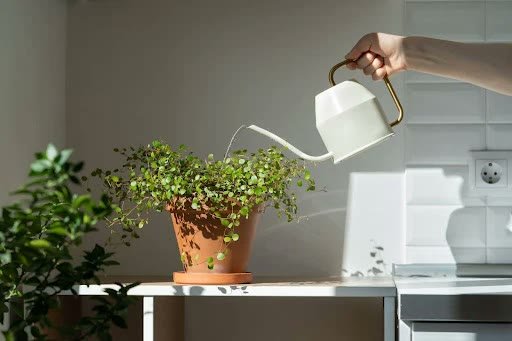
At the other end of the scale, underwatering also causes yellowing, but the look is quite different. Leaves turn yellow from the edges and tips inward, then become dry, crispy and brown. The soil will be bone dry and may pull away from the sides of the pot, and the whole pot feels very light when you lift it.
This often happens when people water on a strict schedule instead of checking the soil. Different plants, pots and seasons all change how fast soil dries out. A plant next to a radiator in winter can dry out far faster than the same plant in a cool bathroom in summer.
To fix an underwatered plant, water thoroughly until water runs out of the drainage holes, then let it drain fully. For a very dried out root ball, soak the whole pot in a bucket of room temperature water for about 20 minutes so the soil can rehydrate properly.
3. Too Little Light
Light is food for plants. When a houseplant does not get enough of it, it cannot photosynthesise properly and starts shedding its oldest leaves, which turn yellow first. You will notice slow leggy growth, pale new leaves, and a plant that seems to lean hard toward the nearest window.
This is especially common in winter when daylight hours shrink, and in rooms where the plant sits far from a window. A leaning snake plant is another classic sign of uneven light, so if you keep snake plants you may find our guide on a leaning snake plant useful too.
Move the plant closer to a bright window, ideally one facing east or south if you are in the northern hemisphere. Most popular houseplants, including pothos, peace lilies and monsteras, do best in bright indirect light. Rotate the pot a quarter turn every couple of weeks so all sides get their share of light.
4. Too Much Direct Sunlight
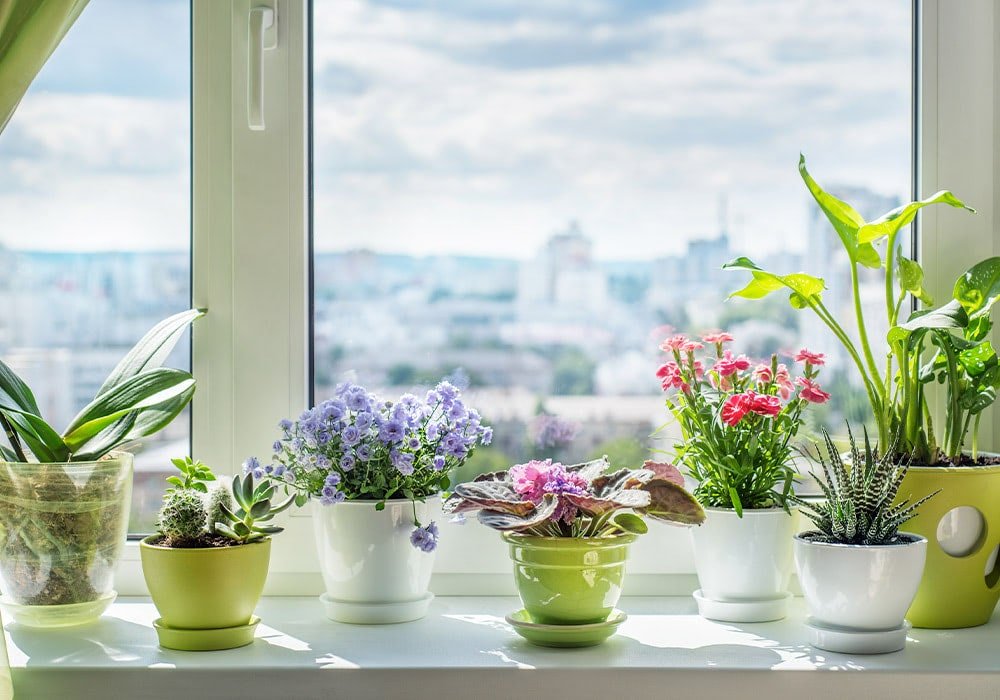
While most houseplants love light, harsh direct sun through glass can scorch leaves and turn them yellow, then white or brown. The damage usually appears as bleached patches on the leaves facing the window, often with dry crispy spots where the sun hit hardest.
Plants that prefer low to medium light, such as calatheas, ferns and peace lilies, are the most vulnerable. Even sun lovers need to be acclimatised gradually if you move them from a dim spot to a sunny sill.
Move scorched plants back from the window by a metre or two, or hang a sheer curtain to soften the light. Trim off badly damaged leaves since they will not recover, and your plant will put its energy into healthy new growth instead.
5. Nutrient Deficiency
Houseplants live in a limited amount of soil, so they use up the available nutrients over time. When key nutrients run out, leaves yellow in patterns that hint at what is missing. Nitrogen deficiency causes older lower leaves to turn uniformly yellow. Iron deficiency shows up as yellow new leaves with green veins. Magnesium deficiency causes yellowing between the veins of older leaves.
If you have not fed your plant in months and the yellowing is gradual and widespread, hunger is a strong suspect. Potting mix usually contains enough fertiliser for the first few months, after which your plant needs regular feeding.
Feed with a balanced liquid houseplant fertiliser at half strength once a month during spring and summer. Ease off in autumn and winter when most plants grow slowly. Always water the soil before fertilising, as feeding dry roots can burn them.
6. Pests
Small insects like spider mites, mealybugs, thrips and scale feed on plant sap, and the damage shows up as yellowing leaves, often with tiny spots, webbing or a sticky residue. Check the undersides of leaves and the joints where leaves meet stems, since pests love to hide there.
A single infested plant can spread pests to your whole collection, so act the moment you spot them. Isolate the affected plant from its neighbours right away.
Wipe the leaves with a cloth dampened with diluted washing up liquid, then rinse clean. For stubborn infestations, spray with neem oil or an insecticidal soap made for houseplants, following the label directions. Repeat the treatment weekly for three to four weeks to catch any newly hatched pests.
7. Temperature Stress and Drafts
Most houseplants are tropical in origin and hate sudden temperature changes. A plant sitting next to a drafty door, an air conditioning vent or a hot radiator can react with yellow drooping leaves. The damage often appears quickly, within days of the plant being moved to a new spot.
Keep your plants in the 18 to 24 degree Celsius range and away from anything that blasts hot or cold air. Even a short blast of cold air from an open window in winter can shock a sensitive plant.
If you suspect temperature stress, move the plant to a stable spot and give it time. Plants usually recover once the stress is removed, though the already yellow leaves may need trimming.
8. Natural Aging
Sometimes yellow leaves are completely normal. As houseplants grow, they shed their oldest leaves to make room for new growth. If only the odd lower leaf turns yellow now and then while the rest of the plant looks healthy, there is nothing to worry about.
This kind of yellowing is gradual and limited. The leaf slowly fades from green to yellow over a week or two, then drops off naturally. The plant keeps producing healthy new leaves at the top or centre.
Simply snip off the spent leaf with clean scissors close to the stem. Do not pull it, since that can damage the stem. If more than a couple of leaves yellow at once, work back through the other causes on this list.
How to Diagnose the Real Problem in 5 Minutes
When you are staring at a yellowing plant and feeling overwhelmed, run through this quick checklist. It takes five minutes and will point you at the right cause almost every time.
- Push your finger two inches into the soil. Wet means overwatering. Dry means underwatering. This single test solves most cases.
- Look at where the yellowing starts. Old lower leaves first suggests overwatering, low light or natural aging. New leaves first suggests nutrient deficiency or pests.
- Check the leaf texture. Soft and limp points to too much water. Dry and crispy points to too little water or too much sun.
- Inspect the undersides of leaves and stem joints for tiny insects, webbing or sticky residue. Any of these means pests.
- Think about what changed recently. A new spot near a radiator, a repot, or a change in your watering routine often explains sudden yellowing.
Most of the time, the soil test plus the pattern of yellowing gives you the answer. Trust what you see rather than guessing, and fix one thing at a time so you can tell what worked.
Step by Step Fixes to Bring Your Plant Back to Health
Once you have identified the likely cause, follow these steps in order. They are gentle, they work for almost every common houseplant, and none of them require special equipment.
First, remove the damaged leaves. A fully yellow leaf will not turn green again, and the plant wastes energy trying to keep it alive. Snip yellow leaves off with clean sharp scissors, cutting close to the stem without nicking it.
Next, correct the watering. This is where most problems live. Get into the habit of checking the soil with your finger before every watering rather than watering on a schedule. Water thoroughly when the top two inches are dry, then let excess water drain away completely. Empty the saucer after watering so the pot never sits in water.
Then, sort out the light and feeding. Move the plant to a spot with bright indirect light suited to its species, and start a simple feeding routine in the growing season if you have not fed it in a while. A half strength balanced fertiliser once a month from spring to early autumn is enough for most houseplants.
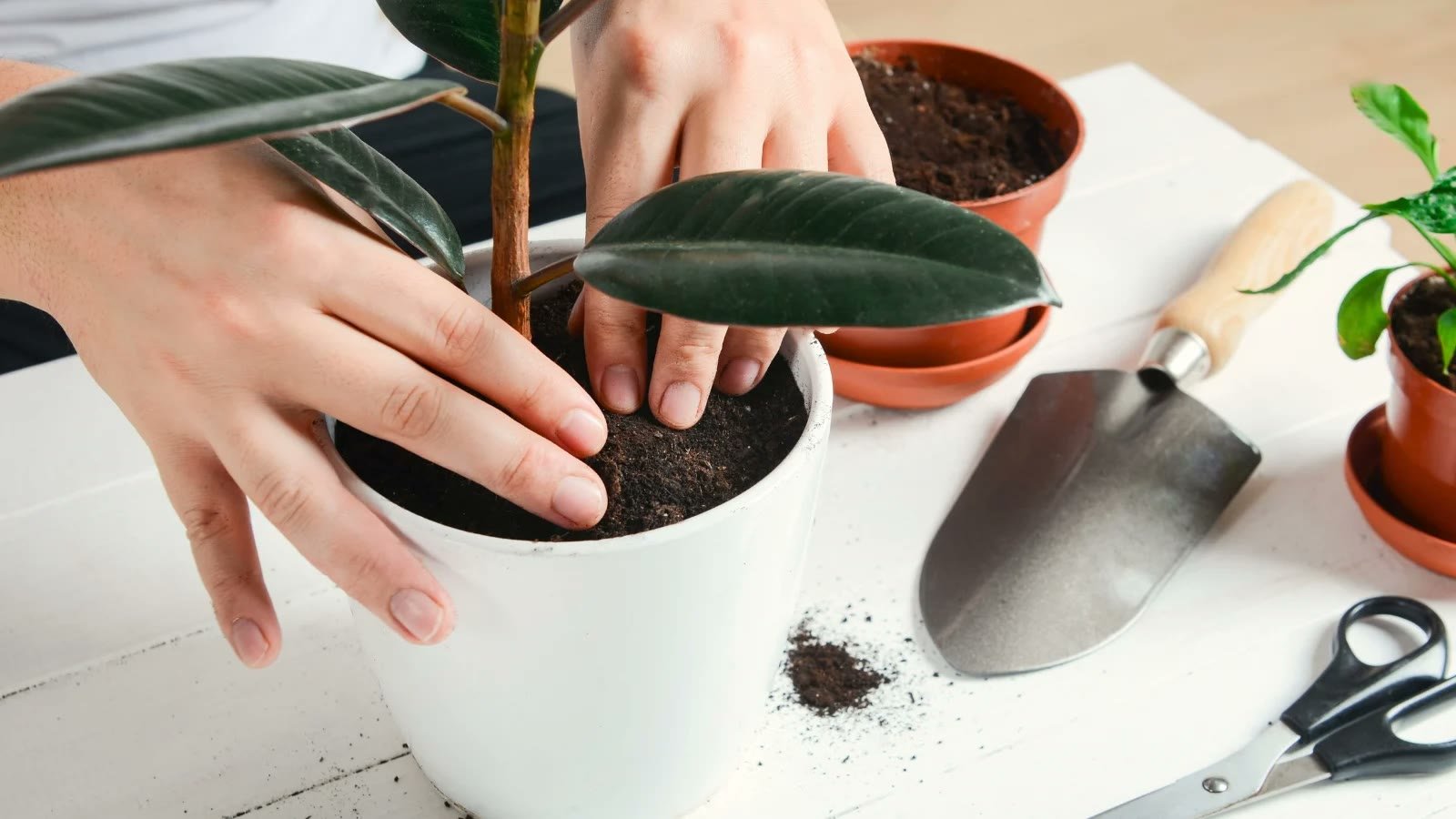
Finally, check the roots if the plant does not improve within a couple of weeks. Gently slide the plant out of its pot. Healthy roots are white or light tan and firm. Brown mushy roots mean rot, so trim the damaged parts and repot in fresh free draining potting mix in a pot with drainage holes. If roots are circling the pot tightly, move up one pot size.
Preventing Yellow Leaves in the Future
The best fix is prevention. A simple routine will keep most of your houseplants green all year with very little effort.
Water thoughtfully. Check the soil before you water, water deeply when needed, and always let the pot drain. Terracotta pots dry out faster than plastic ones, which can be a real advantage for people who tend to overwater.
Give your plants the light they were built for. Learn what each plant needs when you bring it home and place it accordingly. A quick photo of the care label, or a note on your phone, saves a lot of guesswork later.
Feed in the growing season and refresh the soil. Top dress with fresh potting mix each spring, or fully repot every one to two years. Old depleted soil is one of the quietest causes of gradual yellowing.
Finally, inspect your plants regularly. A quick look at the leaves every week or two lets you catch pests, dust buildup or early yellowing long before they become serious problems. Healthy plants are simply plants whose owners notice things early.
Frequently Asked Questions
Will yellow leaves turn green again?
No. Once a leaf has lost its chlorophyll and turned fully yellow, it will not turn green again. Remove yellow leaves so the plant can direct its energy into healthy new growth. Fixing the underlying cause stops more leaves from yellowing.
Should I cut off yellow leaves or leave them?
Cut them off. Yellow leaves do not recover and can attract pests or fungal problems if left to decay on the plant. Use clean sharp scissors and cut close to the stem without damaging it.
How do I know if my plant is overwatered or underwatered?
Check the soil and the leaf texture. Overwatered plants have wet soil and soft limp yellow leaves. Underwatered plants have dry soil and crispy yellow leaves with brown edges. Push your finger two inches into the soil before watering to avoid guessing.
Can low light cause yellow leaves?
Yes. Plants in dim spots shed their oldest leaves because they cannot photosynthesise enough to support them all. Move the plant to brighter indirect light and rotate it regularly. Leggy growth and pale new leaves are other signs of low light.
How often should I fertilise my houseplants?
Most houseplants do well with a half strength balanced liquid fertiliser once a month from spring to early autumn. Do not feed in winter when growth slows, and always water before fertilising to avoid burning the roots.
Final Takeaways
Yellow leaves are your houseplant’s way of telling you something needs to change, and in most cases the change is a small one. Check the soil moisture first, because watering problems cause the majority of yellowing. Then look at light, feeding, pests and temperature in turn until the symptoms match.
Remember the key points. Overwatering is the most common cause, and it is fixed by letting soil dry and improving drainage. A yellow leaf will never turn green again, so trim it and focus on new growth. Feed lightly in the growing season, give each plant the light it prefers, and inspect your plants weekly to catch problems early.
With these habits in place, you will spend far less time worrying about why are my houseplant leaves turning yellow and far more time enjoying a home full of healthy green plants.

1 Comment
Pingback: Keep Fresh Herbs Fresh Longer in the Fridge