

You buy a punnet of strawberries on Saturday morning. They are bright red, sweet smelling, and perfect. By Monday they are soft, dull, and speckled with mould. The fridge is full, or maybe you do not have one to spare, and the berries lose the race against time. Learning how to keep strawberries fresh longer without fridge space is the difference between eating every berry and throwing half the punnet away.
This guide gives you a simple routine that works in a real kitchen. It takes about five minutes on the day you buy the berries, then a quick check each morning. No special equipment, no expensive containers, and no fridge needed. The method rests on three ideas that anyone can follow: keep the berries dry, give them air, and keep them cool and dark. Get those three right and a punnet that used to last one day can stay good for three or four.
Strawberries are a prized fruit in Japan, where a single perfect punnet can cost as much as a lunch. Shoppers there choose each berry with care, and wasting even a few feels like a real loss. The same care pays off anywhere. A little attention on day one protects the flavour, the colour, and the money you spent.
Why Strawberries Go Soft So Fast Without a Fridge
A strawberry is mostly water, and its skin is thin. That combination makes it one of the fastest fruits to spoil. Warmth speeds up every process that turns a firm berry soft. Mould spores are already sitting on the surface of most berries when you buy them. They only need moisture and a little warmth to wake up and spread.
One soft berry can ruin the whole punnet. Mould spreads through touch, so a single berry that starts to turn will pass the problem to its neighbours overnight. Juice from a crushed berry does the same thing. It wets the berries around it and gives mould a damp place to grow. This is why a punnet can look fine at night and look ruined by morning.
Washing makes the problem worse when you wash too early. Water sits in the tiny hollows around the seeds and under the green tops. That trapped water is exactly what mould needs. A berry that stays dry on the outside keeps its defences up for much longer than a berry that was washed and put away wet.
Heat is the other enemy. A kitchen counter near a sunny window or beside a cooker can reach 25 degrees Celsius or more on a warm day. At that temperature, berries soften in hours, not days. A cool corner of the room, away from direct sun and away from cooking heat, can be several degrees cooler, and those few degrees buy you an extra day or more.
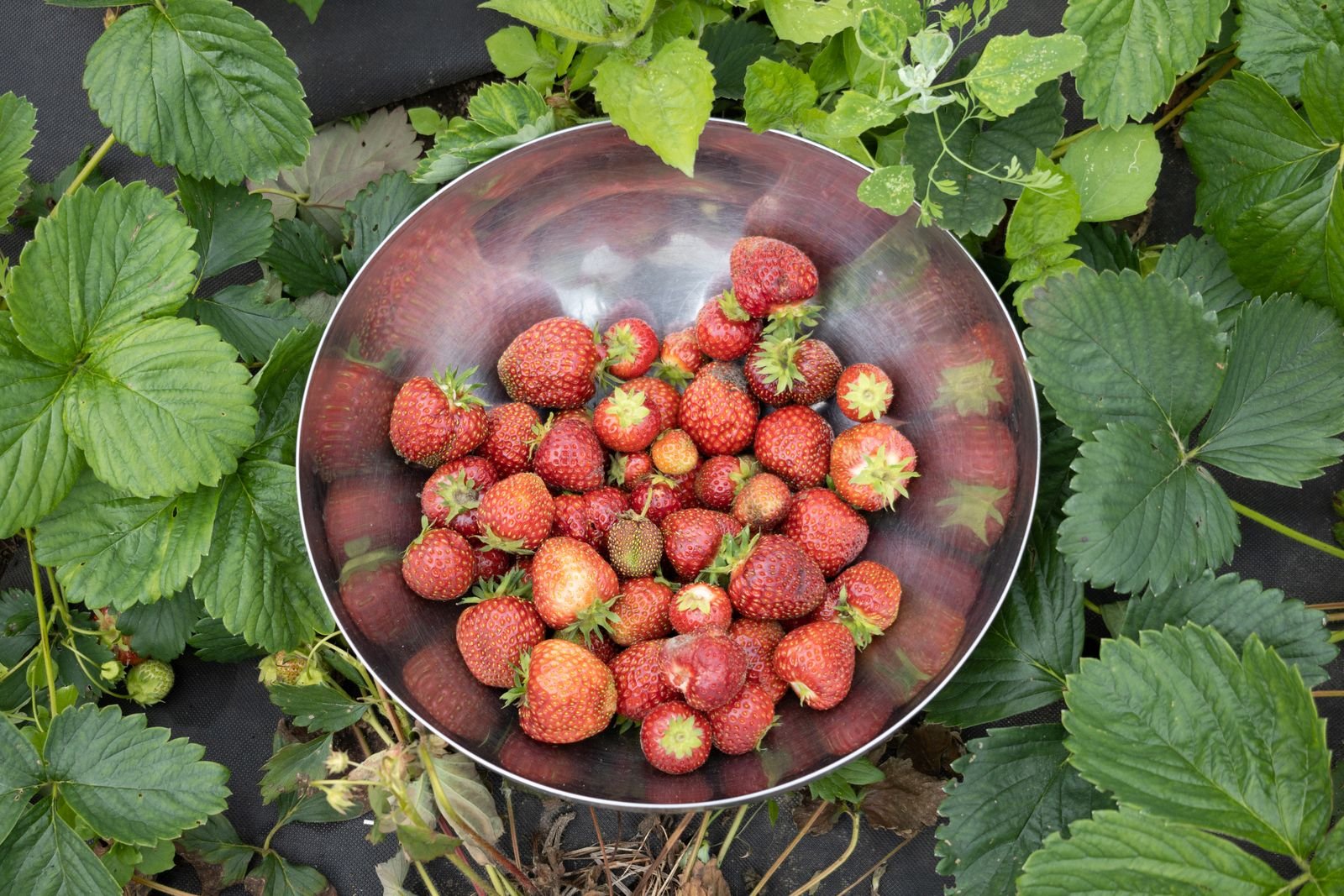
The good news is that none of this is hard to fight. You do not need a fridge. You need dry berries, a little air, and a cool dark spot. The rest of this guide shows you exactly how to set that up, and what to do when a berry starts to turn.
How to Keep Strawberries Fresh Longer Without Fridge: Three Simple Rules
Every good storage method for strawberries follows the same three rules. Learn them once and you can store berries anywhere, in any kitchen, in any season. They are simple, but skipping even one of them shortens the life of your berries by a day or more.
Rule one: keep the berries dry
Moisture is the main cause of mould on strawberries. A dry berry can sit happily for days. A wet berry starts to turn within a day. So do not wash your strawberries until the moment you plan to eat them. Washing early feels tidy, but it traps water in places you cannot dry properly, and that water feeds mould.
When you bring the punnet home, tip the berries out gently onto a clean tea towel or a tray lined with paper towel. Look at each berry as you go. Set aside any that are soft, bruised, or already showing white or grey fuzz. Those berries will not recover, and leaving them in the punnet puts the rest at risk. Eat the soft ones first, or use them in cooking the same day.
Pat the good berries dry with a soft cloth if they feel damp. Supermarket berries often carry condensation from chilled displays, and that thin film of water is enough to start trouble. A few seconds of patting now saves the punnet later.
Rule two: give the berries air
Strawberries need to breathe. A sealed plastic bag traps warm, damp air around the fruit, and that warm damp air is a perfect home for mould. A closed container with no airflow does the same thing on a smaller scale. The berries sweat, the moisture has nowhere to go, and the whole batch turns soft together.
The fix is simple. Store the berries in a shallow container with the lid left ajar, or cover the container loosely with a clean cloth. A basket, a colander, or a cardboard punnet all work well because air can move through them. Line the base with a dry paper towel. The towel soaks up any juice or condensation and keeps the berries sitting on a dry surface.
Spread the berries in a single layer if you can. Stacking berries crushes the ones at the bottom and hides the ones that start to turn. A single layer lets you see every berry at a glance each morning, and it stops juice from one soft berry soaking into the berries below it. If you have more berries than fit in one layer, use a second container rather than piling them up.
Rule three: find the coolest dark spot in the room
Cold slows mould, and darkness helps too, because direct sunlight warms the berries and dries out their flavour. The best spot is usually a cupboard away from the cooker, a shaded corner of a pantry, or a cool hallway. In many homes the floor of a north facing room is the coolest place of all. A basement or a cellar is ideal when you have one, as long as it is dry.
Keep the berries away from the fruit bowl. Apples and bananas release a gas that speeds up ripening, and strawberries sitting beside them soften faster. Keep the berries away from the cooker, the kettle, and any sunny windowsill. A few degrees make a real difference here. Berries kept at 15 degrees Celsius last noticeably longer than berries kept at 25 degrees.
If your home is warm, a simple trick helps. Place the container on a ceramic tile or a stone surface, which stays cooler than a wooden counter. You can also place the container inside a larger bowl with a little cool water around the base, like a water bath, as long as no water touches the berries. The cool base pulls a little heat away and steadies the temperature through the day.
A Simple No Fridge Routine That Works
Here is the routine in full. Do it once when the berries come home, and it takes about five minutes. Then spend thirty seconds each morning checking the punnet. That is all it takes to learn how to keep strawberries fresh longer without fridge space.
First, sort the berries. Tip them gently onto a clean tea towel. Pick out any berry that is soft, bruised, leaking juice, or showing mould. Eat those today or cook with them. Keep only firm, bright, dry berries for storage.
Second, dry the good berries. Pat each one gently with a soft cloth or a paper towel. Pay attention to the little hollow under the green top, where water likes to hide. Do not pull the green tops off. The tops protect the berry and seal in freshness, so leave them on until you eat the berry.
Third, prepare the container. Line a shallow basket, colander, or cardboard punnet with a dry paper towel. Place the berries in a single layer with a little space between them. Cover loosely with a clean cloth or leave the lid ajar so air can move.

Fourth, choose the spot. Put the container in the coolest dark place you have, away from the cooker and away from direct sun. A cupboard, a pantry shelf, or a shaded corner all work. Tell everyone in the house where the berries live, so nobody moves them into the sun by mistake.
Fifth, check every morning. Lift the cloth, look at each berry, and take out any that have gone soft or show mould. Replace the paper towel if it feels damp. This daily check is the single most useful habit in the whole routine. It stops one bad berry from ruining the rest, and it takes less than a minute.
This routine is honest about its limits. It will not keep strawberries fresh for a week. It will stretch one day of freshness into three or four, and that is often enough to finish the punnet. If you need berries to last a full week, a fridge is the right tool. But for a weekend punnet, this routine is all you need.
The Vinegar Rinse: Does It Really Help
You may have heard that washing strawberries in vinegar water keeps them fresh longer. The idea is sound. Vinegar kills many of the mould spores sitting on the surface of the berry, so fewer spores are left to grow. A quick rinse in a mix of one part white vinegar to three parts cool water, followed by careful drying, can add a day to the life of your berries.
The drying step matters more than the rinse itself. After the vinegar bath, lay the berries on a clean tea towel and pat each one dry. Then leave them spread out on the towel for ten to fifteen minutes so the last of the moisture evaporates. If you put wet berries into storage, the rinse has done more harm than good.
Use the vinegar rinse only when the berries are visibly dirty or when you know the punnet will sit for a few days. For berries you plan to eat the same day, a plain rinse under cool water just before eating is enough. Do not use the vinegar rinse as a rescue for berries that are already soft or mouldy. It cannot reverse damage that has already started.
Some people worry the vinegar will change the flavour. It will not, as long as you rinse the berries again in plain water before eating and dry them well. The vinegar smell disappears as the berries dry. If you are sensitive to it, skip the vinegar and rely on sorting, drying, and airflow instead. Those three steps do most of the work on their own.
Mistakes That Make Berries Go Soft Faster
Most strawberries are lost to a handful of avoidable mistakes. The first is washing the whole punnet as soon as you get home. It feels like good housekeeping, but it wets every berry at once and starts the mould clock ticking. Wash only what you are about to eat.
The second mistake is storing berries in a sealed plastic bag. The bag traps moisture, and the berries stew in their own damp air. If the berries came in a sealed plastic punnet, open it up or move the berries to a breathable container as soon as you get home. A cardboard punnet is better than a sealed plastic one because the card absorbs a little moisture and lets air through.
The third mistake is leaving the berries beside the fruit bowl or on a sunny windowsill. Sunlight warms the berries, and the gas from ripening bananas and apples speeds up softening. A sunny spot can cut the life of a punnet in half. Move the berries to shade and the difference is obvious by the next morning.
The fourth mistake is ignoring one bad berry. Mould spreads by touch, and juice from a soft berry wets its neighbours. Check the punnet every morning and remove any berry that looks wrong. It feels wasteful to throw one berry away, but it saves the other twenty.
The fifth mistake is stacking berries in a deep pile. The berries at the bottom get crushed, leak juice, and turn first. A single layer in a shallow container keeps every berry visible and every berry safe. Two shallow containers beat one deep pile every time.
If you want to compare storage habits across fruit, the same thinking applies elsewhere in the kitchen. Our guide on how to keep mushrooms fresh longer in the fridge without slime follows the same principle: dry, breathable storage beats a sealed damp bag. The fruit is different, but the enemy is the same.
What To Do When Berries Start to Soften
Even with a good routine, some berries will soften before you finish the punnet. That does not mean they are wasted. A soft strawberry is still sweet and full of flavour, and it has plenty of uses in the kitchen.
Use soft berries the same day. Slice them over yoghurt, porridge, or pancakes. Blend them into a smoothie with a banana and a splash of milk. Mash them lightly with a fork and a little sugar for a quick sauce over ice cream or sponge cake. Cook them briefly in a pan with a spoon of sugar and they turn into a simple jam that keeps in a jar for days.
Cut away any part that shows mould, and throw that berry away if the mould has spread through the flesh. A small mouldy spot on a firm berry can be cut off with a generous margin, but a berry that is soft all the way through belongs in the bin. When in doubt, throw it out. It is not worth the risk.
Berries that are slightly soft but still smell sweet are fine for cooking. Berries that smell sour or fermented have gone too far, and no amount of cooking will fix them. Trust your nose here. A fresh strawberry smells sweet and clean. A spoiled one smells sharp and vinegary.
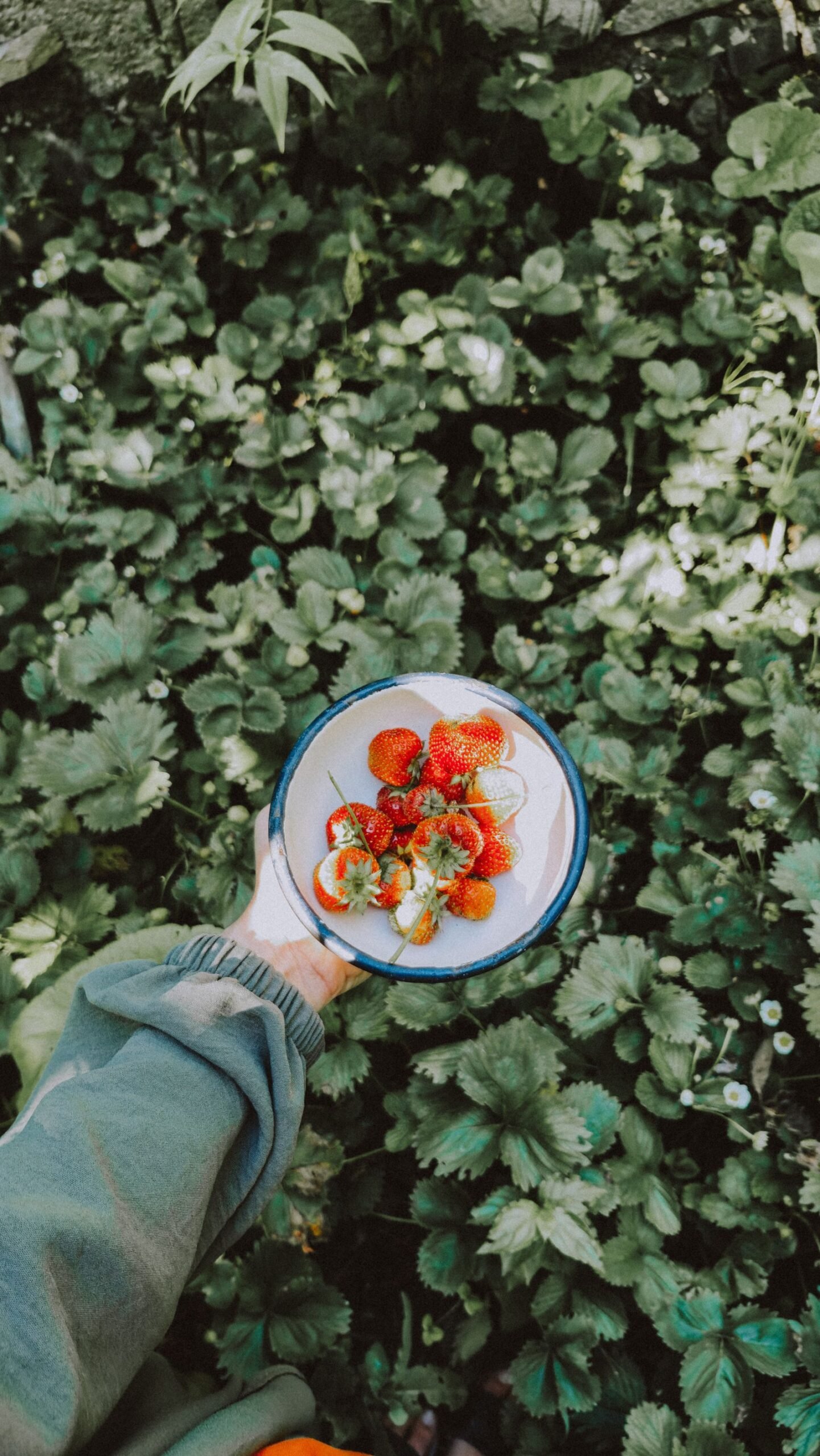
Planning ahead helps too. If you buy a large punnet and you know you cannot finish it in three days, eat the ripest berries first and keep the firmest ones for later. The same sorting habit helps with other fruit. Our guide on how to ripen a mango quickly at home shows how choosing the right fruit at the right time changes everything, and the same is true for strawberries.
How Long Strawberries Last Without a Fridge
Honest numbers matter more than hopeful ones. At a cool room temperature of 15 to 18 degrees Celsius, firm dry berries stored in a single layer with airflow usually stay good for three to four days. At a warm room temperature of 22 to 25 degrees Celsius, expect one to two days. Above 25 degrees, even a perfect routine may only buy you a single day.
Cut or washed berries are a different story. Once the skin is broken, the two hour rule applies: eat them within two hours at room temperature, or within one hour if the room is above 30 degrees Celsius. This is the same food safety guidance used for cut fruit everywhere, and it is worth respecting.
For longer storage, freezing is the honest answer. Wash the berries, dry them, remove the green tops, and spread them on a tray in the freezer until firm. Then move them into a bag or a container. Frozen berries keep for months and are perfect for smoothies, sauces, and baking. They will not taste like fresh berries when thawed, but they are far better than berries thrown away.
Storing other fresh produce well uses the same habits. Our guide on how to store fresh ginger root longer shows how a dry, cool, breathable spot keeps flavour alive for weeks, and the lesson carries straight over to strawberries.
Conclusion
Learning how to keep strawberries fresh longer without fridge space comes down to three habits: keep the berries dry, give them air, and store them in the coolest dark spot you have. Sort the punnet when you get home, wash only what you are about to eat, spread the berries in a single layer, and check them each morning. A quick vinegar rinse adds an extra day when you need it, and soft berries still make wonderful smoothies, sauces, and jam.
The real takeaway is simple. Strawberries spoil fast because they are wet, soft, and warm. Change those three conditions and the berries last. You do not need special equipment or a big kitchen. You need five minutes, a paper towel, a shallow container, and a cool corner. Do that, and the next punnet you buy will taste as good on day three as it did on day one.
Frequently Asked Questions
How long do strawberries last without a fridge?
Firm dry berries kept in a single layer with airflow last about three to four days at 15 to 18 degrees Celsius, and one to two days at 22 to 25 degrees. Above 25 degrees, expect about one day.
Should I wash strawberries before storing them?
No. Wash strawberries only just before you eat them. Washing early traps water on the skin and under the green tops, and that moisture speeds up mould.
Does a vinegar wash keep strawberries fresh longer?
Yes, a quick rinse in one part white vinegar to three parts cool water kills surface mould spores and can add about a day. Dry the berries fully afterwards, or the rinse does more harm than good.
Can I store strawberries at room temperature overnight?
Yes, if the room is cool and dark and the berries are dry and spread in a single layer. In a warm room above 25 degrees, eat them the same day or move them to a cooler spot.
What should I do with strawberries that have gone soft?
Use them the same day in smoothies, sauces, jam, or over yoghurt and porridge. Cut away any mouldy parts with a generous margin, and throw away berries that smell sour or are soft all the way through.
