
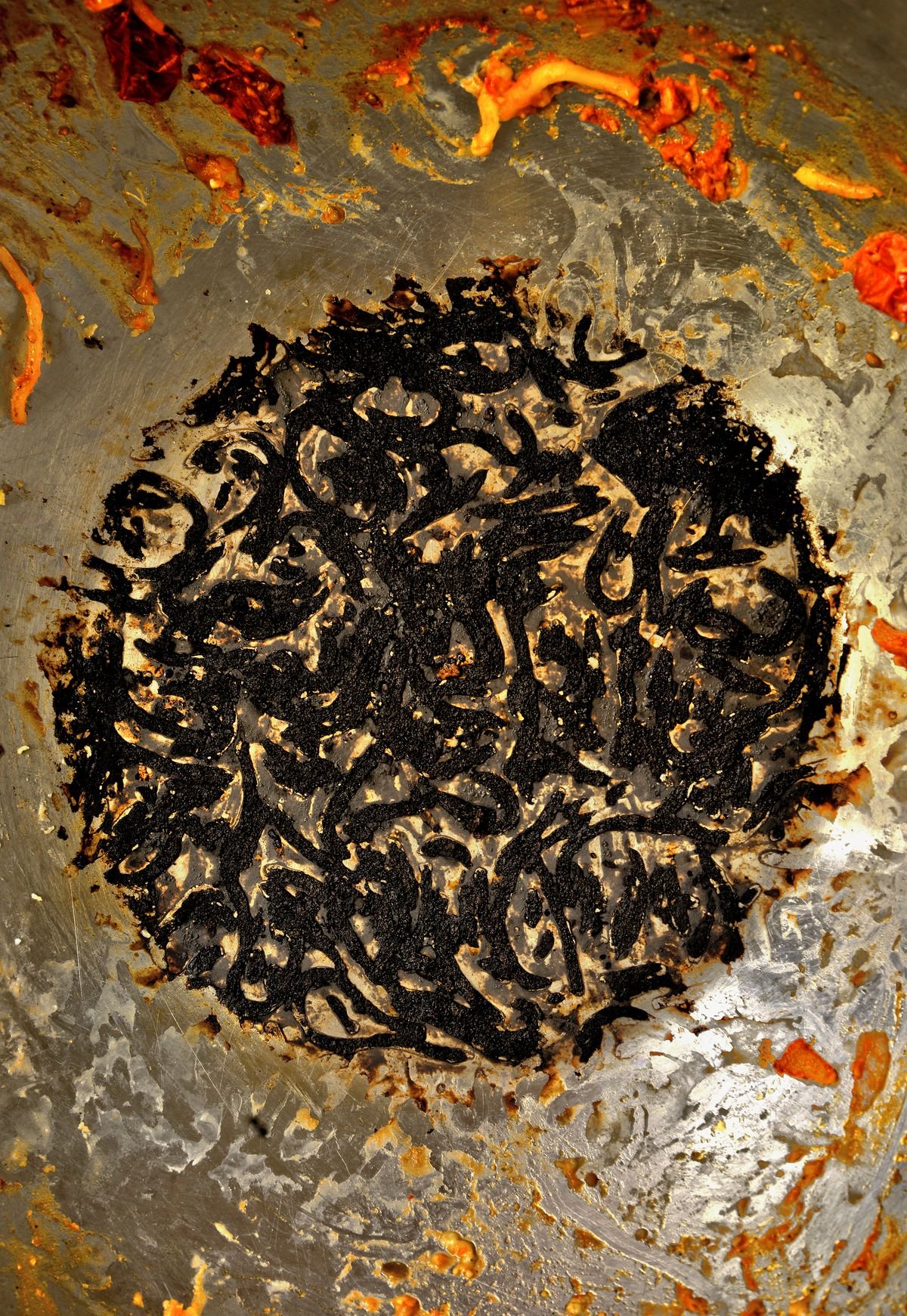
It starts the same way in kitchens all over the country. You put a pot of soup or sauce on the stove, you step away to answer a text or help a child with homework, and you come back to a smell that stops you in the doorway. The bottom of the pot is black. Dinner is ruined, the kitchen smells like smoke, and the pot looks like it belongs in the trash. You stare at that black crust and think about the scrubbing ahead, and you honestly consider just throwing the pot away and buying a new one.
Do not throw it away. Learning how to clean a burnt pot without scrubbing can save a good pot, save you money, and save your arms. The trick is simple: let heat, water, and a couple of pantry ingredients do the work for you. No steel wool, no sore shoulders, no harsh chemical smell filling the kitchen. This guide walks you through the best method first, then five more ways that work, then how to match the method to your exact pot, and finally how to keep it from happening again.
Why Burnt Food Clings So Tight
When food burns, sugars and proteins change into a hard layer of carbon. That carbon bonds to the metal almost like glue. The hotter and longer the burn, the stronger the bond. That is why a quick wipe does nothing and why scraping feels like chiseling stone. The black layer is not dirt sitting on the surface. It is a new substance fused to the pot.
The good news is that the same science works in reverse. Heat expands the metal a little. Water gets under the edges of the crust. A mild acid like vinegar softens the carbon, and baking soda lifts it away with gentle fizzing. You are not fighting the burnt layer. You are loosening its grip so it lets go on its own.
Understanding this changes how you clean. Scrubbing attacks the crust from the top and risks scratching the pot. Soaking and simmering attack the bond from underneath. That is the whole idea behind every method in this guide.
First, Do Not Make It Worse
Before you try anything, let the pot cool down for a few minutes. Never pour cold water into a very hot pot. The sudden change in temperature can warp the base, crack enamel, or even damage a glass lid. Let the pot sit on the stove until it is warm, not scorching.
Do not reach for steel wool or a metal scouring pad. Steel wool can scratch stainless steel, strip the coating off a nonstick pot, and chip enamel. Those scratches then catch food the next time you cook, so the pot burns even faster. A soft sponge, a wooden spoon, or a plastic scraper is all you will need.
Do not mix bleach with vinegar or any other cleaner. That combination creates fumes that can irritate your lungs. Plain pantry ingredients are safer, cheaper, and they work better for this job anyway.
Finally, scrape out any loose bits first. Tip the pot over the trash and tap out the flakes that come off easily. You only need to remove the loose stuff. The stuck layer stays put for now, and the methods below will deal with it.
How to Clean a Burnt Pot Without Scrubbing: The Vinegar and Baking Soda Method
This is the method to try first. It works on stainless steel, enamel, and most other pots, it uses things you already own, and it takes about 20 minutes of mostly hands off time. Here is how to clean a burnt pot without scrubbing using the vinegar and baking soda boil.

You will need one cup of white vinegar, two tablespoons of baking soda, water, a wooden spoon, and a soft sponge. That is it. No special products, no trip to the store, and no protective gloves needed, though you can wear them if your skin is sensitive.
Fill the pot with enough water to cover the burnt area, usually about one or two inches deep. Add one cup of white vinegar. Put the pot on the stove over medium high heat and bring the mixture to a boil. Let it boil gently for five to ten minutes. You will see the dark crust start to soften and curl at the edges.
Take the pot off the heat. Carefully pour out most of the liquid, leaving about half an inch in the bottom. The pot and the liquid are hot, so pour slowly and keep your hands clear of the steam.
Now sprinkle two tablespoons of baking soda across the bottom of the pot. It will fizz right away. That fizzing is the reaction working, lifting the softened carbon off the metal. Leave it alone for ten to fifteen minutes and let the fizz do its job.
After the wait, take a soft sponge or a wooden spoon and wipe the bottom gently. The burnt layer should come away in sheets and flakes. For most everyday burns, that is the whole job. Rinse with warm water and a little dish soap, dry the pot fully, and it is ready to use again.
For a thick, heavy burn, repeat the process once more instead of scrubbing harder. A second round loosens what the first round softened. If a faint stain remains after the second round, make a thick paste of baking soda and a little water, spread it over the stain, and leave it overnight. Wipe it off in the morning and rinse.
Five More Ways That Work
The vinegar boil is the best all rounder, but it is not the only way. Different burns and different pots respond better to different tricks. Here are five more methods, each with its own strengths.
1. The Baking Soda Paste Left Overnight
Mix three tablespoons of baking soda with just enough water to make a thick paste, about the texture of toothpaste. Spread it over the burnt area and leave it overnight, at least eight hours. In the morning, wipe the paste away with a soft sponge and rinse. This method is the gentlest of all, so it is a great choice for enamel pots and for burns you do not want to rush. It takes the longest, but it asks nothing of you while it works.
2. The Dish Soap Simmer
Fill the pot with water to cover the burn, add a generous squirt of dish soap, and bring it to a gentle simmer for ten minutes. Turn off the heat and let the water cool until it is comfortable to touch. The soap breaks down grease and helps the burnt layer release. Use a wooden spoon to nudge the softened bits loose, then rinse. This is the simplest method of all, and it is the best first try for a light burn or a pot you do not want to expose to vinegar.
3. The Lemon Boil
Cut two lemons into quarters and put them in the pot. Add enough water to cover the burnt area and bring it to a boil for five to ten minutes. Turn off the heat and let the pot cool. The citric acid in the lemons dissolves carbon and leaves a fresh smell behind instead of a vinegar smell. Lift the loosened residue out with a soft sponge. This method is lovely for stainless steel and enamel, and it is a good pick if the vinegar smell bothers you.
4. The Salt Rub
Pour a little hot water into the cooled pot, just enough to cover the bottom, and bring it to a simmer for a minute or two. Pour out most of the water, leaving a warm film. Sprinkle a generous layer of coarse salt over the burnt area. Kosher salt works well, and table salt works if that is what you have. Use a folded cloth or a silicone spatula to push the salt around in small circles with light pressure. The salt crystals act as a gentle abrasive while the salty water creeps under the burnt layer. Rinse well when you are done. This method gives you more control than the others, and it is fast, usually under ten minutes.
5. The Dishwasher Tablet Soak
Put one dishwasher tablet in the pot, cover it with hot water, and leave it for several hours or overnight. The tablet dissolves and its cleaning agents break down the burnt food while you do other things. Pour out the water, wipe the bottom with a soft sponge, and rinse thoroughly with clean water. This method costs a little more than the pantry methods, about 25 to 50 cents per tablet, but it is almost no work at all. It is a strong choice for a badly burnt pot that has resisted the vinegar boil.
Which Method Works Best
Here is a quick comparison so you can pick the right method for your situation.
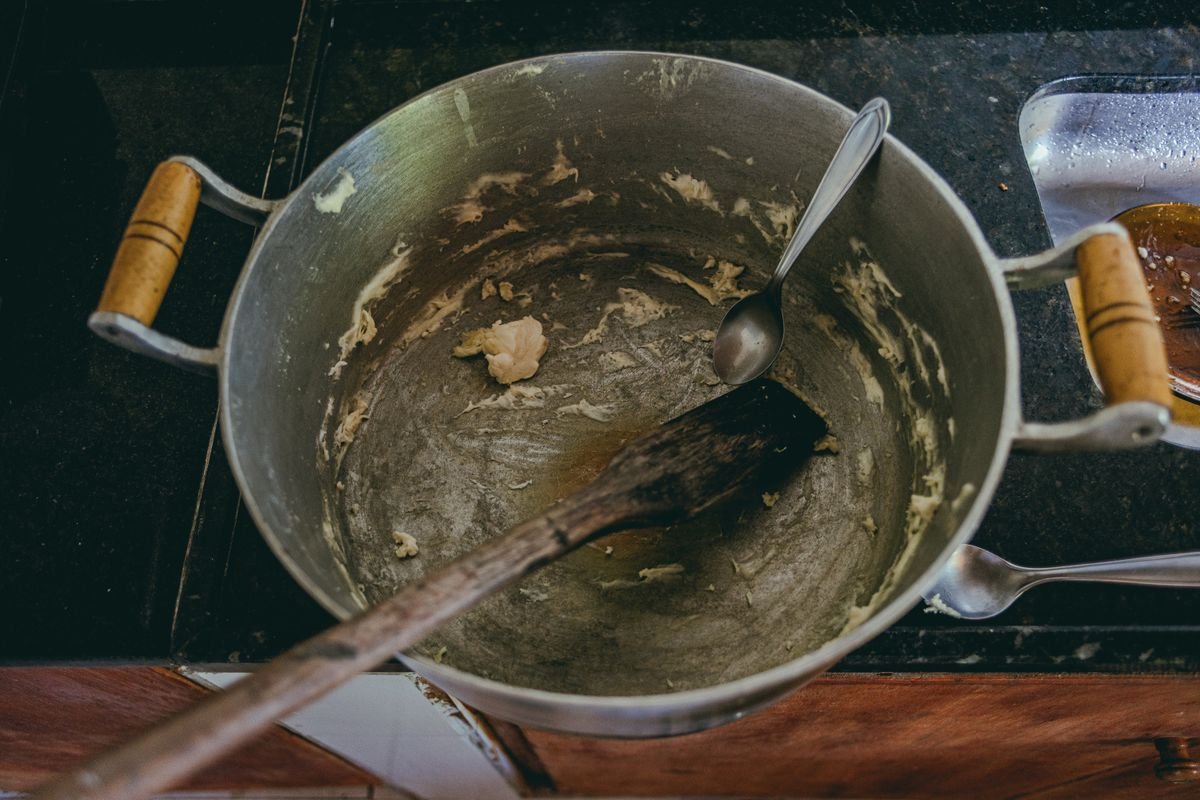
The vinegar and baking soda boil is the fastest reliable fix for most pots, about 20 minutes, and it costs only a few cents. The baking soda paste is the gentlest and the best for enamel, but it needs an overnight wait. The dish soap simmer is the simplest and the best for light burns. The lemon boil is the best smelling and works well on stainless steel. The salt rub is the fastest hands on method when you want the job done right now. The dishwasher tablet soak is the best for very heavy burns when you are happy to wait a few hours.
If you only remember one thing, remember this: try the gentlest method that fits your burn, and repeat it rather than reaching for something harsher. Two gentle rounds beat one aggressive round, and your pot will thank you for it.
Match the Method to Your Pot
Not every pot can handle every method. The wrong cleaner can ruin a good pot faster than the burn did. Here is what works for each common type.
Stainless Steel
Stainless steel is the toughest and most forgiving. The vinegar boil, the lemon boil, the salt rub, and the dishwasher tablet soak all work well. Avoid steel wool, which leaves fine scratches, and avoid bleach, which can pit the surface. If a faint rainbow stain or heat tint remains after cleaning, rub it with a little white vinegar on a soft cloth and rinse. If you want a deeper guide to a closely related job, read our guide on how to clean oven racks without scrubbing, which uses the same gentle soak first idea.
Enamel and Ceramic
Enamel is glass fused to metal, so it chips if it is hit or shocked. Never pour cold water into a hot enamel pot, and never use a metal scraper or steel wool. The baking soda paste and the dish soap simmer are the safest choices. The vinegar boil is fine too if you keep the boil gentle. A small chip in enamel can rust over time, so treat these pots gently and dry them fully after washing.
Cast Iron
Cast iron needs special care. Do not use vinegar, lemon, or any acid, because acid strips the seasoning that protects the iron. Do not soak cast iron in water for hours either, because it will rust. Instead, put a little water in the pot, bring it to a simmer for a few minutes, and scrape gently with a wooden spoon. Dry the pot on the stove over low heat, then rub a thin layer of cooking oil over the inside while it is still warm. That restores the seasoning and protects the surface.
Nonstick
Nonstick coatings are delicate. Never use vinegar boils, salt rubs, steel wool, or metal utensils on them. Fill the pan with warm soapy water and let it soak for at least an hour. Then wipe gently with a soft sponge or a microfiber cloth. If the burn is severe and the coating is peeling or flaking, the pan is done. A damaged nonstick coating cannot be fixed, and it is time to replace the pan.
Aluminum
Aluminum is light and heats fast, which is also why it burns food easily. The dish soap simmer and the baking soda paste work well. Avoid strong acids like vinegar and lemon, which can discolor aluminum and leave it dull. A dull finish is only cosmetic, but if you want the shine back, rub the outside with a paste of cream of tartar and water, then rinse.
Our own site has a close cousin to this guide for a smaller pan. If you also have a scorched frying pan, see how to clean a burnt saucepan without scrubbing for the same methods sized down for a saucepan.
Get Rid of the Smell and the Stain Left Behind
Sometimes the pot is clean but the smell lingers, or a shadow of the burn stays on the metal. Both are fixable.

For smell, fill the clean pot with water, add a sliced lemon, and simmer for ten minutes. The steam carries the fresh scent through the kitchen and neutralizes the burnt odor. Open a window or run the range hood while you do this. For a smell that has settled into the kitchen itself, simmer a small pot of water with lemon slices and a cinnamon stick for 20 minutes.
For a stain shadow on stainless steel, make a paste of baking soda and water, rub it gently over the mark with a soft cloth, and rinse. For a stain on enamel, the overnight baking soda paste usually lifts it. If the stain is on the outside of the pot, the same paste works, and a little white vinegar on a cloth can help with heat tint.
If the burnt smell has settled into soft furnishings near the stove, the pot is only half the problem. Our guide on how to clean a fabric sofa without a machine covers the same gentle cleaning idea for fabric, and it can help freshen a living room that caught the smoke.
How to Stop Burning Pots in the First Place
The best way to clean a burnt pot is to never burn it. A few small habits make a big difference.
First, match the burner to the pot. A burner that is wider than the pot sends heat up the sides and scorches food at the edges. A burner that matches the base heats evenly. Second, keep the heat lower than you think you need. Most sauces, soups, and rice cook happily on medium or medium low. High heat is for boiling water and searing meat, not for a pot of chili you plan to leave alone.
Third, stir. Thick foods like oatmeal, rice, chili, and tomato sauce settle and scorch at the bottom if they sit still. A quick stir every few minutes keeps the bottom clear. Fourth, set a timer. Most burnt pots happen because the cook got distracted. A phone timer is free, and it is the cheapest pot insurance you will ever buy.
Fifth, add a little liquid early. If a sauce starts to thicken and catch, add a splash of water or broth and stir. It is far easier to fix a sauce that is a little thin than to rescue a pot that has burnt. Finally, learn your stove. Every stove has a hot burner and a slow burner. Once you know which is which, put slow cooking pots on the gentle burner.
When a Pot Is Beyond Saving
Most burnt pots can be saved, but a few cannot. Let a pot go if the nonstick coating is peeling or flaking, if enamel is chipped down to bare metal over a large area, if the base is badly warped and rocks on the stove, or if the pot has a hole or a crack. A warped base will heat unevenly forever, and a peeling nonstick coating will keep flaking into food.
Before you recycle it, check the warranty. Many good cookware brands offer a lifetime warranty against defects, and some will replace a pot even after years of use. It costs nothing to ask. If the pot is truly done, recycle it with scrap metal if your local program accepts it, and put the money you would have spent on a cheap replacement toward one good heavy bottom pot instead. A heavy pot with a thick base is far harder to burn, and it will last for years.
Conclusion
A burnt pot feels like a disaster in the moment, but it is almost always fixable. The main points are simple. Let the pot cool before you do anything. Never use steel wool or cold water on a hot pot. Let vinegar and baking soda do the heavy lifting with a short boil, and repeat the method instead of scrubbing harder. Match the method to your pot, because cast iron and nonstick need gentler care than stainless steel.
The next time dinner catches, you will know exactly what to do. Fill the pot, add vinegar, boil, add baking soda, wait, and wipe. Twenty minutes later your pot is back on the shelf, your arms are fine, and dinner is the only thing that got burnt. That is how to clean a burnt pot without scrubbing, and once you have done it once, you will never dread a blackened pot again.
Frequently Asked Questions
Can vinegar and baking soda really clean a burnt pot?
Yes. The vinegar softens the burnt carbon when it boils, and the baking soda fizzes and lifts the loosened layer off the metal. The combination works on most everyday burns in about 20 minutes, and a second round handles heavier burns.
How do you clean a burnt pot with baking soda only?
Make a thick paste from three tablespoons of baking soda and a little water, spread it over the burnt area, and leave it overnight. Wipe it off in the morning with a soft sponge and rinse. It is the gentlest method and a great choice for enamel pots.
Is it safe to use vinegar on a nonstick pot?
No. Do not boil vinegar in a nonstick pot and do not use salt or abrasives on it. Soak the pan in warm soapy water for at least an hour, then wipe gently with a soft sponge. If the coating is peeling, replace the pan.
Will a dishwasher tablet clean a burnt pot?
Yes. Put one tablet in the pot, cover it with hot water, and leave it for several hours or overnight. The cleaning agents break down the burnt food with almost no effort from you. Rinse the pot thoroughly with clean water before you use it again.
What is the fastest way to clean a burnt pot?
The vinegar and baking soda boil is the fastest reliable method, taking about 20 minutes from start to finish. The salt rub can be faster, usually under ten minutes, but it needs a little hands on effort and suits stainless steel best.
