
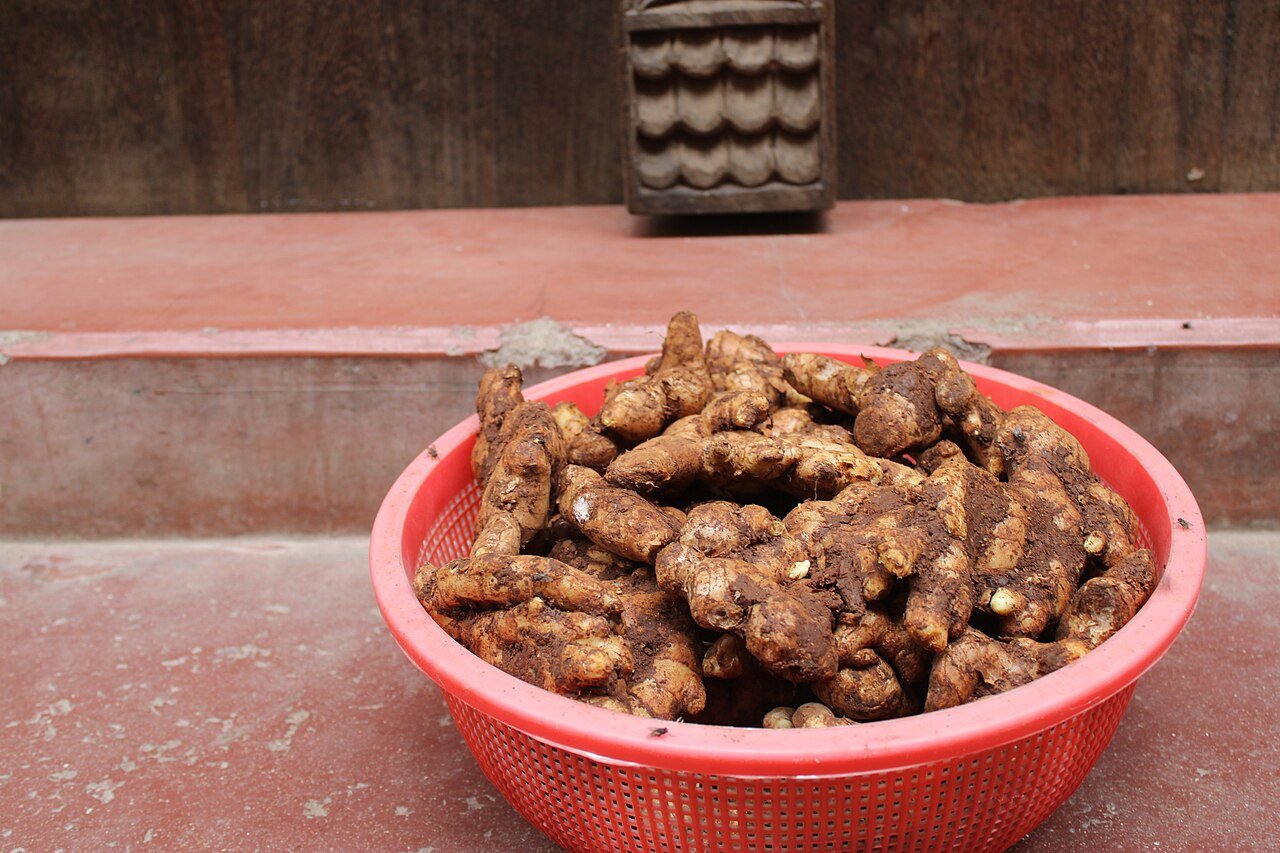
Fresh ginger makes a dish taste alive. A small knob grated into a stir fry, steeped into tea, or blended into a smoothie adds warmth that dried powder never matches. The problem is that fresh ginger dries out fast. Buy a plump root on Sunday and by the next weekend it can be shriveled, soft, or spotted with mold. If you want to learn how to store fresh ginger root longer, the good news is that a few simple habits can stretch its life from days to months, with almost no extra effort.
The story is common. You buy ginger for one recipe, use a small piece, and leave the rest in the fridge drawer. A week later it looks sad. Two weeks later it is slimy. The root is not fragile by nature. It is a living rhizome that keeps losing moisture and fighting microbes from the moment it is harvested. Storage works when you slow both of those processes at once. This guide shows you how to store fresh ginger root longer with fridge, freezer, and pantry methods, plus the mistakes that shorten its life.
Why Fresh Ginger Goes Bad So Fast
Ginger spoils for two main reasons. First, it loses water. The skin is thin, so moisture escapes quickly in dry fridge air, and the root shrivels and turns woody. Second, moisture in the wrong place invites mold. A damp root in a sealed plastic bag can grow fuzzy spots within days, especially on cut or bruised areas. Good storage balances these two forces. You want enough humidity to stop shriveling, but not so much trapped water that mold takes hold.
Temperature matters too. Warm kitchens speed up drying and spoilage. Cold storage slows everything down, but a fridge can also dry ginger out if the root sits loose on a shelf. The crisper drawer helps because it holds more humidity than the open shelves. The freezer stops spoilage almost completely, but it changes texture, which matters for some uses and not for others. Matching the method to how you cook is the key to keeping ginger useful, not just keeping it alive.

How to Store Fresh Ginger Root Longer in the Fridge
The fridge is the best everyday method for ginger you will use within a few weeks. Start with a firm, smooth root with tight skin and no soft spots. Do not wash it before storage. Water left on the skin feeds mold, so keep the root dry until you are ready to cook with it. Leave the skin on, because the skin is a natural barrier that slows moisture loss.
Wrap the unpeeled root loosely in a dry paper towel. The towel absorbs stray moisture while the wrap slows drying. Place the wrapped root in a resealable bag or a small airtight container, and press out most of the air before sealing. Store it in the crisper drawer, away from fruit that releases ethylene gas, such as apples and bananas. Ethylene speeds up aging in many kinds of produce, and ginger is no exception.
Check the towel once a week. If it feels damp, swap it for a dry one. With this routine, fresh ginger usually stays firm and fragrant for 3 to 4 weeks, and often longer. If you notice a small moldy spot, cut it away generously and use the rest promptly. Do not store a moldy root next to fresh produce, because mold spores spread in a closed drawer.
Freezing Ginger for Months of Use
Freezing is the best answer when you buy ginger in bulk or want a backup that never goes bad. Frozen ginger keeps for up to 6 months, and it grates beautifully straight from the freezer. In fact, many cooks prefer grating frozen ginger, because the firm texture makes fine shreds that melt into sauces and teas.
You can freeze ginger whole and unpeeled in a freezer bag with the air pressed out. When you need some, grate what you need and return the rest to the freezer right away. For even more convenience, peel the root, slice it into coins, and freeze the coins in a single layer on a tray before moving them to a bag. Frozen coins drop straight into soups, curries, and tea without thawing.
Another handy option is freezing grated ginger in ice cube trays. Grate a batch, pack it into trays, freeze until solid, then move the cubes to a labeled bag. Each cube is close to a tablespoon, which makes weeknight cooking faster. Frozen ginger loses some crunch, so it is best for cooked dishes, teas, smoothies, and marinades rather than raw salads where crisp texture matters.
Pantry Storage for Short Term Use
If you cook with ginger almost every day, the pantry can work for a week or so. Keep the root whole and unpeeled in a cool, dark spot with good airflow, away from the stove and direct sun. A dry basket or a paper bag in a cool cupboard is fine. Check it every couple of days, because warm or humid kitchens can turn a pantry root soft much faster than a cool one.
Do not store ginger near onions or in a damp corner under the sink. Humidity is the enemy here, and a root that sits in a warm damp spot can mold in days. Pantry storage is a short term choice, not a preservation method. If you will not use the root within a week, move it to the fridge or the freezer instead of hoping it will hold.
Storing Cut, Peeled, and Grated Ginger
Cut ginger spoils faster than a whole root, because the exposed flesh loses moisture and meets microbes directly. Wrap a cut piece tightly, with the cut face covered, and keep it in the fridge. Use it within a few days for the best flavor. A peeled root also dries out faster, so if you peel more than you need, store the extra in the fridge in a sealed container and use it within a week.
Grated ginger is the most perishable form of all. Keep it in a small sealed container in the fridge and use it within 2 to 3 days, or freeze it right away in cubes as described above. One method worth knowing is storing peeled ginger submerged in a neutral spirit or unseasoned rice vinegar in a sealed jar in the fridge. The liquid blocks air and slows mold, and the ginger can last 10 weeks or more. Rinse before use, and note that the flavor will pick up a little of the liquid, so this method suits cooked dishes better than raw ones.
For a broader look at keeping kitchen staples fresh, see our guide on how to keep bananas fresh longer, which uses the same dry wrap idea for fruit. Our guide on how to keep bread fresh for longer covers the same moisture balance problem in baking. And if you store a lot of produce at once, our guide on how to keep potatoes from sprouting shows how airflow and darkness protect another kitchen staple.
Mistakes That Ruin Fresh Ginger
The most common mistake is washing ginger before storage. A quick rinse feels tidy, but leftover water on the skin is an open invitation to mold. Wash only the piece you are about to use. The second mistake is sealing a damp root in a plastic bag with no paper towel. Trapped water condenses, and mold follows. Always start dry, and add a towel to catch stray moisture.
The third mistake is peeling the whole root at once. Peeled ginger dries out far faster than unpeeled ginger, so peel only what you need for each meal. The fourth mistake is storing ginger next to ethylene producing fruit in the crisper drawer. Apples, bananas, and onions can push ginger to age faster. Give ginger its own bag and its own corner of the drawer.
The fifth mistake is freezing and thawing the same root again and again. Repeated thawing breaks down texture and flavor. Grate frozen ginger while it is still solid, and return the rest to the freezer at once. Small portions, frozen separately, solve this problem completely.
How to Tell If Ginger Has Gone Bad
Fresh ginger should feel firm, smell warm and spicy, and show smooth, tight skin. Toss it if it feels very soft or mushy, smells sour or musty, or shows widespread mold that runs deep into the flesh. A small dry or shriveled end can simply be cut away, and the rest is often fine. A root that has gone limp and wet, or that smells off even after trimming, belongs in the compost, not in your food.
Wrinkled ginger is not always bad ginger. A slightly wrinkled root that still smells strong can be revived for cooking by soaking it in cold water for 15 minutes before grating. If the flavor is weak or the flesh is grey inside, it has passed its best and will not improve your dish.
Conclusion
To learn how to store fresh ginger root longer, keep it dry, keep it whole, and match the method to your cooking plans. The fridge with a dry paper towel wrap keeps ginger firm for 3 to 4 weeks. The freezer keeps it for up to 6 months and makes grating easier. The pantry works for about a week in a cool, dark spot. The takeaways are simple: never wash before storage, never peel more than you need, swap damp towels weekly, keep ginger away from ethylene producing fruit, and freeze in small portions for the longest life. Follow that routine and your ginger will stay fragrant and ready whenever a recipe calls for it.
Frequently Asked Questions
How long does fresh ginger last in the fridge?
Wrapped in a dry paper towel in a sealed bag in the crisper drawer, fresh unpeeled ginger usually lasts 3 to 4 weeks, and often longer if the towel stays dry.
Can you freeze fresh ginger root?
Yes. Freeze it whole and unpeeled, or peeled and sliced, in a freezer bag with the air pressed out. It keeps for up to 6 months and grates well straight from frozen.
Should you peel ginger before storing it?
No. The skin protects against moisture loss and mold. Peel only the piece you are about to use, and store the rest unpeeled.
Why did my ginger go moldy in the fridge?
The usual cause is trapped moisture, often from washing before storage or sealing a damp root in a bag with no towel. Start dry, wrap in a paper towel, and swap damp towels weekly.
Can you store ginger in water in the fridge?
Plain water storage is not recommended, because it can raise surface bacteria quickly. A dry wrap in the fridge, or submersion in spirits or vinegar for long storage, works better.
