
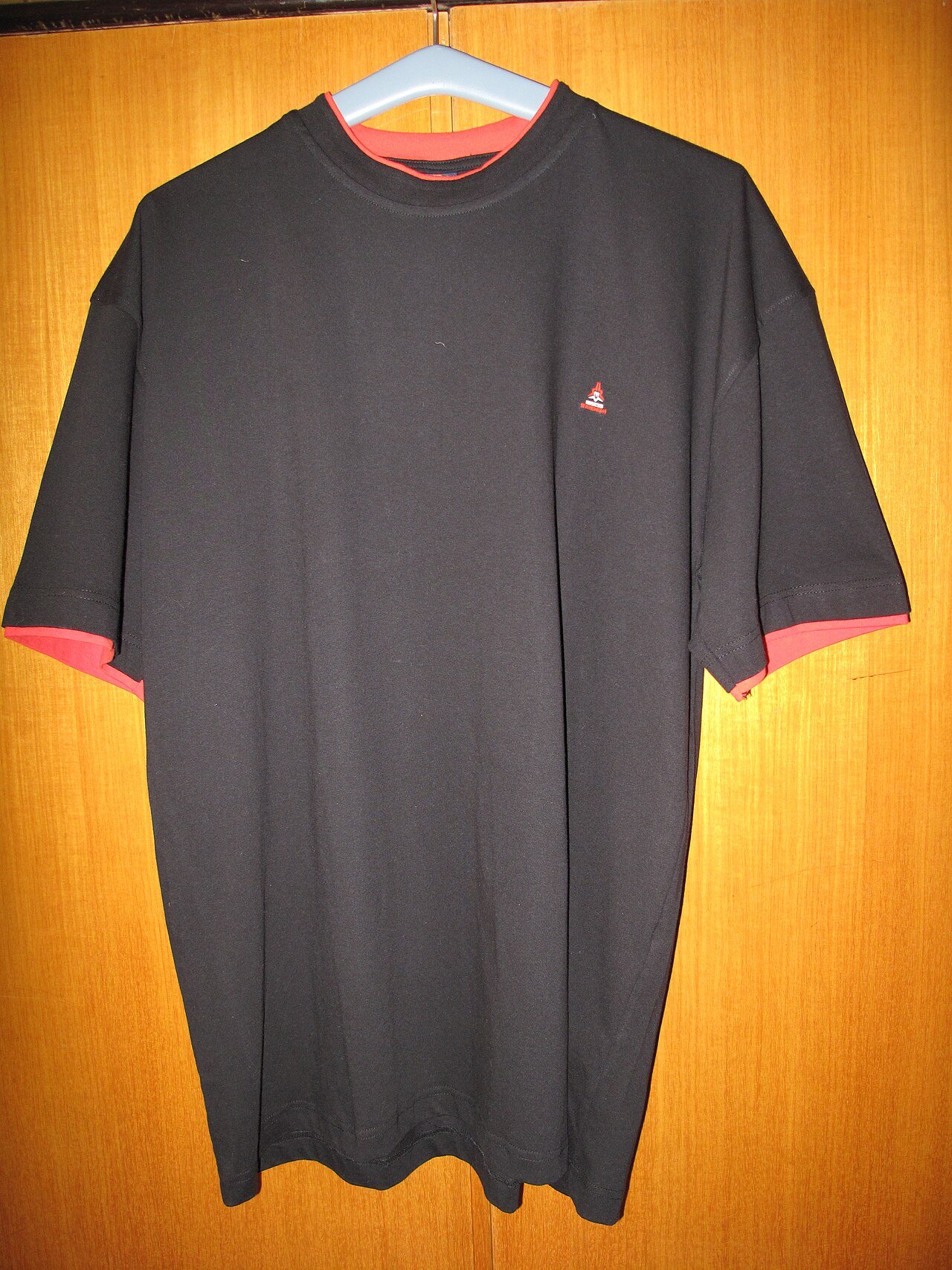
You pull on your favourite black shirt, reach for the door, and catch your reflection in the mirror. Two pale streaks run across the chest and under the arms. The shirt looked perfect a minute ago. Now the white marks are all you can see. If you know how to remove deodorant stains from black shirts, this moment does not have to ruin your plans. The marks look stubborn, and on dark fabric they stand out in a way they never would on a white shirt, but most of them come out with simple tools you already have at home.
The trick is to match the method to the age of the mark. A fresh mark needs dry friction only, and water at that stage can make the problem worse. A mark that has been through the wash, or one that has sat for days, needs a soak to loosen the residue first. Heat is the other factor that decides the result. A hot dryer can lock a stain into the fibres so firmly that no later treatment will shift it. Work through the steps in order, check the fabric after each stage, and only use heat when the mark has gone completely.
This guide walks through five methods that work on black cotton, black blends, and black T shirt fabric. You will learn why the marks appear, what to do in the first minute, how to treat a mark that has set in, and how to wash and dry the shirt so the stain stays gone. You will also learn what to avoid, how to stop the marks coming back, and how to deal with other stains that need a different approach.
Why Deodorant Leaves White Marks on Black Fabric
Most deodorants and antiperspirants contain ingredients that are meant to stay on the skin. Aluminium compounds reduce sweat, while waxes, oils, and powders help the product cling and feel smooth. When the product transfers to fabric, those same ingredients sit on the surface of the fibres. On a white shirt the residue blends in. On a black shirt it shows as a chalky white or grey smear, often with a slightly waxy feel when you touch it.
The mark is not usually a dye stain. It is a layer of product that has dried on the fabric, mixed with a small amount of sweat and skin oil. That is good news, because a surface layer can be lifted off if you act in the right way. It is also the reason water alone often fails. Water can spread the waxy layer into a wider, thinner film, which then looks like a faint haze across the whole area instead of a clear streak.
Black fabric makes the problem worse for a second reason. Dark dyes show every trace of light coloured residue, and the contrast is strongest in daylight or under bright indoor light. A mark that would be invisible on a grey shirt can look dramatic on black. The fabric itself is not damaged in most cases. The colour is still there underneath the residue. Once the residue is gone, the black looks rich and even again.
Some marks build up over time. If you wear the same black shirt often, put it on before the deodorant has dried, or wash it in hot water while a mark is still present, thin layers can collect. The fabric under the arms may start to feel stiff, and the area may look slightly lighter than the rest of the shirt even after a wash. That is a sign that the residue has worked its way deeper into the fibres and needs a soak rather than a quick rub.
How to Remove Deodorant Stains From Black Shirts When the Mark Is Fresh

A fresh mark is the easiest kind to remove, and the first step is also the simplest. Do not reach for water. Do not rub the mark with a wet cloth. Take a dry, clean cloth, a dry pair of nylon tights, or a dry foam sponge, and rub the mark with short, firm strokes. Many people keep an old pair of nylon tights in the laundry room for exactly this job. The fine texture grips the waxy residue and lifts it away without spreading it.
Work from the outside of the mark toward the centre, so you do not push residue into clean fabric. Use light pressure at first, then a little more if the mark stays put. Check your progress often. In many cases the white streak fades within a minute, and a second pass removes what is left. If you are in a hurry, this dry method alone can make a black shirt look presentable enough to wear out.
A clean, dry microfibre cloth works well too, and a dry baby wipe that has lost most of its moisture can help in a pinch. The key point is the same in every case. Friction lifts the product, while water spreads it. If you have a clothes brush, use that next. Brush the area in one direction, shake the shirt, and look again in good light. A mark that looked solid can turn out to be two thin streaks that disappear with patient brushing.
If dry friction removes most of the mark but leaves a faint shadow, do not move straight to a hot wash. Let the shirt rest for a few minutes, then try the dry method once more. The residue often comes off in layers, and a second attempt after the fibres have relaxed can finish the job. Only if a shadow remains after two dry attempts should you move to a wet treatment, and that treatment should be a targeted soak or paste, not a full wash in hot water.
The Vinegar Soak for Set In Stains

When a mark has set in, dry friction alone will not be enough. The residue has bonded with the fibres, and it needs time and a mild acid to loosen. White vinegar is the most reliable tool for this stage. It is cheap, widely available in the US, and safe for most black cotton and black blends when used diluted and rinsed well. Use clear white vinegar, not apple cider vinegar or any coloured vinegar, which can leave its own tint on dark fabric.
Mix one part white vinegar with two parts cool water in a bowl or basin. Turn the shirt inside out so the stained area is easy to reach. Lay the shirt flat, place the stained section in the mixture, and make sure the mark is fully covered. Leave it to soak for 20 to 30 minutes. For a mark that has been through the dryer, or one that has built up over several wears, extend the soak to one hour, and check the fabric every 20 minutes.
After the soak, lift the shirt out and gently rub the stained area between your fingers. You should feel the residue starting to soften and roll away. Rinse the shirt in cool water, then look at the mark in good light. If it has faded but not gone, repeat the soak with a fresh mixture rather than scrubbing hard. Aggressive scrubbing can damage black fabric and leave a shiny patch that looks worse than the original mark.
Vinegar also helps with the smell that sometimes sits under the arms of a black shirt. Sweat and deodorant can leave a stale odour even when the visible mark is gone. A vinegar soak freshens the fibres and helps the later wash work better. Rinse well before you move to the next stage, because vinegar left in the fabric can react with other cleaning products. A thorough rinse in cool water is enough to prepare the shirt for a paste or a wash.
A Baking Soda Paste for Marks That Will Not Budge
Baking soda is a gentle abrasive and a natural deodoriser, and a thick paste made from baking soda and water can lift residue that vinegar alone leaves behind. Mix three spoonfuls of baking soda with one spoonful of cool water in a small bowl. Stir until you have a smooth paste that holds its shape. It should feel like soft toothpaste, not runny and not dry and crumbly.
Spread the paste over the mark in a thin, even layer. Use your fingers or the back of a spoon, and press it lightly into the fabric. Leave the paste to sit for 20 to 30 minutes. As it dries, it draws the waxy residue out of the fibres. You may see the paste turn slightly grey as it picks up the deodorant. That is a sign that it is working.
After the wait, brush the dried paste off over a sink or bin, then rinse the shirt in cool water. Rub the area gently as you rinse, and look for any remaining shadow. For a tough mark, you can repeat the paste once more. Two gentle treatments are better than one harsh scrub. Baking soda is safe for most black fabrics, but test it first on a hidden seam if the shirt is new, expensive, or made from a delicate blend.
This method works well on the underarm area, where marks often combine with sweat and feel stiff to the touch. The paste reaches into the weave and lifts the build up without bleaching the black dye. It also leaves the fabric smelling fresh, which is a useful bonus when the shirt has been worn a few times between washes. Follow the paste with a cold wash, and let the shirt air dry so you can check the result before any heat touches the fabric.
Lemon Juice for Light Marks and Fresh Smells
Lemon juice is a mild natural acid, and a diluted lemon treatment can help with light marks that are fresh but have resisted dry friction. It is best used sparingly on black fabric, because lemon juice can lighten dark dyes if it is left too long or used at full strength. Dilute one part lemon juice with two parts cool water, and test the mixture on an inside seam first. Wait ten minutes, rinse, and check that the black has not faded.
If the test looks fine, dampen a clean cloth with the diluted mixture and dab it onto the mark. Do not pour lemon juice directly onto the shirt. Dab, wait five minutes, then rinse in cool water and check the mark. Repeat once if needed. The goal is a light touch, not a long soak. Lemon juice is most useful for a faint haze that remains after a vinegar soak or a baking soda paste, rather than for a thick, waxy streak.
Lemon also cuts through stale odour and leaves a clean scent, which makes it a good option for a shirt that smells as well as looks marked. Keep the shirt out of direct sun while the lemon mixture is on the fabric, because sun plus lemon can speed up fading on dark clothes. Rinse well, wash in cold water, and air dry in the shade. If the shirt is made from silk, wool, or another delicate fabric, skip lemon juice and use the vinegar soak or a gentle dish soap treatment instead.
Dish Soap and a Cold Wash for the Last Traces
A small amount of clear dish soap can break down the oily part of deodorant residue. Choose a clear, fragrance free dish soap if you have one, because coloured or heavily scented products can leave their own tint on black fabric. Put a pea sized drop on the mark, add a few drops of cool water, and work it in gently with your fingertips. Leave it for ten minutes, then rinse in cool water.
Dish soap is especially useful after a vinegar soak or a baking soda paste, when most of the mark is gone but a thin film remains. The soap lifts the last trace of oil and lets the rinse carry it away. Do not use a large amount. More soap does not mean a cleaner shirt. It means more rinsing, and soap left in the fibres can attract dirt and leave a dull film on black fabric.
After the dish soap treatment, wash the shirt in cold water with a small amount of regular laundry detergent. Turn the shirt inside out before it goes into the machine. Use a gentle cycle if the fabric is a blend or a lightweight knit. Cold water protects the black dye and stops any remaining residue from setting. A cold wash also saves energy, which is a welcome bonus when you are treating a single shirt rather than a full load.
How to Wash and Dry a Black Shirt After Treatment

Washing and drying are where many people undo good work. A mark that has faded after treatment can return, or become permanent, if the shirt goes into a hot wash or a hot dryer too soon. Always check the shirt in good light before it goes into the machine. If you can still see a mark, repeat the treatment. Once the mark is gone, a cold wash is the safest way to finish.
Turn the shirt inside out, fasten any buttons, and wash it with similar dark colours. Use a detergent made for dark clothes if you have one, or a small amount of regular liquid detergent. Powder detergent can leave white specks on black fabric if it does not dissolve fully, so liquid is the better choice here. Avoid fabric softener on the treated area, because it can coat the fibres and make future marks harder to remove.
When the wash ends, take the shirt out promptly and shake it gently to release creases. Do not put it in the dryer until you have checked it again. Air dry the shirt on a hanger or a drying rack, away from direct sun. Sun can fade black fabric over time, and heat from a dryer can set any trace of residue that remains. If the mark is truly gone, the shirt will look even and deep black once it is dry. If a faint shadow appears as it dries, treat it again before the next wash.
Laundry care makes a real difference to how long a black shirt keeps its colour. Washing in cold water, turning the shirt inside out, and air drying all slow fading and keep the fabric looking new for longer. If you want more ideas for keeping dark clothes in good shape, read this guide on how to get rid of static cling without dryer sheets, which covers simple laundry habits that protect fabric and reduce wear.
What Never to Do With a Deodorant Mark
The fastest way to make a deodorant mark permanent is to use heat before the residue is gone. Do not iron the shirt while a mark is present. Do not tumble dry it on a hot setting. Do not wash it in hot water and hope the heat will melt the mark away. Heat bonds the waxy ingredients to the fibres, and once that bond forms, even a long soak may not break it. Check first, treat second, and use heat last, only when the fabric is clean.
Do not scrub the mark with a stiff brush or a rough sponge. Black fabric can develop a shiny, worn patch where the fibres have been roughed up, and that patch will catch the light and look almost as obvious as the original mark. Gentle friction with a soft cloth, nylon tights, or your fingertips is enough. Patience matters more than force. Two short, gentle treatments will do more good than one hard scrub.
Do not reach for bleach on a black shirt. Chlorine bleach will strip the black dye and leave a pale or orange patch that cannot be fixed. Even a product labelled as safe for colours can be risky on a deep black fabric if it is left too long. Stick to the methods in this guide, and test any new product on a hidden seam first. If the shirt is labelled dry clean only, or if it is made from silk or wool, take it to a professional rather than risking a home treatment.
Do not use a wet wipe that is full of lotion or fragrance on a fresh mark. The moisture can spread the residue, and the lotion can add a new layer of oil to the fabric. A dry cloth is better. If you must use a wipe in an emergency, choose a plain, unscented wipe, dab rather than rub, and treat the shirt properly with a soak or paste when you get home.
Other Stains on Dark Clothes Need a Different Approach
Deodorant marks are only one kind of stain that shows up on dark clothes. Tea, coffee, food, and sweat each behave in a different way, and the treatment that works for one can fail for another. A tea stain, for example, is a tannin stain that needs a different kind of rinse and a different timing. A sweat stain is often yellow on white fabric, but on black fabric it can leave a stiff, salty residue that needs a soak before washing.
The habit that helps across all stains is the same. Act early, keep the fabric cool, and match the treatment to the stain. Hot water and harsh scrubbing are rarely the answer. A targeted soak, a gentle paste, and a cold wash will solve most everyday marks without damaging the fabric. Learning one stain at a time builds confidence, and the next time a mark appears you will know whether to reach for dry friction, vinegar, or a paste.
If you want a useful comparison, read this guide on how to remove tea stains from mugs. The subject is different, but the lesson is the same. A stain that looks permanent often comes from a simple residue that needs the right solvent and a little time, not a harsh chemical or a hot wash.
How to Care for Black Fabric Between Washes
Black shirts last longer when they are washed less often and treated gently between wears. Air the shirt after wearing it, rather than folding it straight into a drawer. Hang it on a hanger in a ventilated space for a few hours, and the fabric will freshen without a full wash. This simple habit reduces fading, saves water, and gives you more wears from each shirt.
Store black shirts inside out if they will sit in a drawer for a while. The fold lines and the outer surface stay protected, and the colour looks richer when you take the shirt out again. Keep black clothes away from direct sun in the wardrobe, and avoid hanging them next to rough fabrics that can pill the surface. Small care habits add up, and a black shirt that is treated well can look new for many months.
Fabric care is also about the way you handle the shirt when you put it on. Let deodorant dry fully before you dress, and put the shirt on after the product has set on the skin. That single pause of two to three minutes can prevent most fresh marks. If you use a spray deodorant, hold the can away from the body and let the mist settle before you dress. A little patience in the morning saves a treatment later in the day.
For more fabric care ideas, read this guide on how to clean a fabric sofa without a machine. The cleaning methods are for furniture, but the principles are the same. Gentle tools, a targeted treatment, and a cold rinse will protect fibres far better than harsh scrubbing or hot water.
How to Prevent White Marks on Black Shirts
Prevention is easier than treatment, and a few small changes can cut white marks down to almost nothing. Apply deodorant to clean, dry skin, and wait until it feels dry to the touch before you put on a black shirt. If you use a stick or a roll on product, use a thin layer. A thick layer is more likely to transfer to fabric, and it does not give better protection.
Try a deodorant that is labelled clear or invisible if you wear black often. These products are made to leave less visible residue, and many people find they make a clear difference on dark clothes. Test a new product on a shirt you do not mind marking first, and wear it for a day before you trust it with a favourite black shirt. What works for one person may not work for another, because skin, sweat, and fabric all play a part.
Put the shirt on with care. Hold the shirt away from the body as you pull it over your head, and avoid dragging the fabric across the underarms. If you are changing into a black shirt after a workout or a long day, wash and dry the skin first, then apply fresh deodorant and wait for it to dry. A clean, dry start gives the product the best chance to stay on the skin rather than on the shirt.
Keep a dry cloth or an old pair of nylon tights in your bag or your car if you wear black shirts to work or to events. A quick dry rub in the first minute can remove a fresh mark before it has time to set. That small habit can save a shirt, and it takes less time than finding a sink and a towel. Prevention plus a fast response is the combination that keeps black shirts looking sharp.
Conclusion
Learning how to remove deodorant stains from black shirts comes down to three ideas that are easy to remember. Fresh marks need dry friction only, never water first. Set in stains need a vinegar soak, followed by a baking soda paste if the mark is stubborn. Heat sets stains, so never use the dryer, the iron, or hot water until the mark is gone completely. Hold those three points in mind, and most white marks will come out with tools you already have at home.
Start with the gentlest method and work upward. Try dry friction first. Move to a vinegar soak if the mark has set in. Use a baking soda paste for a tough patch, lemon juice for a light haze, and dish soap for the last traces of oil. Finish with a cold wash and let the shirt air dry. Check the fabric in good light after each stage, and repeat a gentle treatment rather than scrubbing hard. Your black shirt will thank you for the patience.
A favourite black shirt does not have to be retired because of a white mark. With the right timing, a little vinegar, and a cold wash, the fabric can look deep and even again. Keep the methods in this guide close at hand, prevent new marks by letting deodorant dry before you dress, and enjoy wearing black with confidence.
Frequently Asked Questions
Can I remove a deodorant stain from a black shirt with water alone
Water alone rarely works, and it can spread the waxy residue into a wider haze. Start with dry friction using a clean cloth or nylon tights, then use a vinegar soak or a baking soda paste for any mark that remains. Finish with a cold wash and air dry the shirt.
Will vinegar damage a black shirt
White vinegar diluted with cool water is safe for most black cotton and black blends when it is rinsed well. Use clear white vinegar only, test on a hidden seam first, and do not leave the shirt soaking for longer than one hour. Rinse in cool water before the next treatment or wash.
How long should I soak a set in deodorant stain
Soak for 20 to 30 minutes in a mixture of one part white vinegar and two parts cool water. For a mark that has been through the dryer, extend the soak to one hour and check the fabric every 20 minutes. Repeat with a fresh mixture if a shadow remains.
Can I put a black shirt in the dryer after treating a deodorant stain
Do not use the dryer until the mark is completely gone. Heat can set any remaining residue into the fibres and make the stain permanent. Air dry the shirt, check it in good light, and only use the dryer once the fabric looks clean and even.
How do I stop deodorant marks appearing on black shirts
Let deodorant dry fully before you dress, use a thin layer, and try a clear or invisible formula if you wear black often. Put the shirt on with care so the fabric does not drag across the underarms, and keep a dry cloth handy for a quick rub if a fresh mark appears.
