

It was the 14th hole on a Saturday morning, and Mark had 135 yards to the flag. He had hit this shot a hundred times before. He took his 9 iron out of the bag, set up over the ball, and swung with confidence. The ball came off the face with almost no spin, sailed past the green, and rolled into the rough behind it. He stared at the club in his hands. The grooves were packed solid with dried mud from the last three rounds.
That missed green cost him two strokes, and it was entirely avoidable. Dirty grooves cannot grip the ball, so the ball slides up the face instead of spinning. Spin is what holds a ball on the green. Without it, even a perfect swing produces a weak shot that runs through the back. Learning how to clean golf clubs at home without damage is one of the cheapest ways to play better golf, because clean clubs perform the way the manufacturer designed them to perform.
This guide gives you three things. First, a simple cleaning method that works for every club in the bag and takes about 10 minutes. Second, the differences between irons, woods, putters and grips, because each one needs slightly different care. Third, an honest list of the mistakes that damage clubs, including the ones that look harmless, like the dishwasher and the wire brush.
Why Dirty Clubs Cost You Shots
A golf club face is not smooth. It is covered in thin horizontal grooves, and those grooves have a job to do. At impact they channel grass, water and dirt away from the contact point, and they grip the cover of the ball to create backspin. When the grooves are full of dried mud, they cannot do either job. The ball meets a flat, slippery surface instead of a clean grooved face.
The result is easy to measure. Clean grooves on a wedge can add more than 1,000 RPM of spin compared with dirty grooves, according to testing published by club fitters. That spin is the difference between a ball that stops near the flag and a ball that releases 20 feet past it. On irons the effect is smaller but still real. A dirty face also sends the ball on a less predictable flight, because the contact is less consistent from shot to shot.
Dirt damages clubs over time as well as hurting performance. Mud holds moisture against steel, and moisture leads to rust, especially on wedges with raw steel faces. Grass stains and dried sweat build up on grips, and a slick grip forces you to squeeze harder, which creates tension in the hands and arms. A five minute clean after a round protects equipment that probably cost several hundred dollars, and it keeps every club in the bag playing the way it should.
What You Need to Clean Golf Clubs Safely
You do not need a special kit. Everything on this list is probably already in your home, and the total cost is close to zero if you already own a bucket and an old toothbrush.
Start with a bucket or a sink and warm water. Warm means comfortable to touch, not hot. Hot water can soften the epoxy that bonds the club head to the shaft, so keep the temperature moderate. Add a few drops of plain dish soap. Mild dish soap is ideal because it cuts grease and dirt without attacking finishes or coatings. Skip anything with bleach, ammonia or abrasive particles.
You also need a soft bristle brush. An old toothbrush works perfectly. A soft nylon brush is fine too. The key word is soft. Never use a wire brush, steel wool or an abrasive pad on a club face. Those tools scratch chrome, strip black finishes and wear down groove edges. A clean towel finishes the job, because drying matters as much as washing. A groove cleaning tool with a plastic tip is optional and useful for packed mud, but a wooden tee does the same job for free.

How to Clean Golf Clubs at Home Without Damage
The method below is the safe baseline for the whole set. It takes about 10 minutes from start to finish, and it works after every round. The sections after it explain the adjustments for each club type.
1. Knock off the loose dirt first
Before any water touches the clubs, tap each head gently against the sole of your shoe or brush off the loose grass and dried mud with your soft brush. Dry dirt comes off easily. Wet dirt turns into paste and grinds against the finish while you scrub, so removing the dry layer first protects the face.
2. Mix warm water and a few drops of dish soap
Fill a bucket or a sink with warm water and add a few drops of mild dish soap. Stir it with your hand until you see a few bubbles. You need very little soap. Too much leaves a film on the club face, and that film is almost as bad as dirt.
3. Soak the iron heads for 5 to 10 minutes
Lower the iron and wedge heads into the water and let them soak for 5 to 10 minutes. Five minutes is enough after a normal round. Ten minutes helps when mud has dried hard in the grooves. Keep the water level below the ferrule, which is the small plastic collar where the head meets the shaft. Soaking ferrules and shafts can loosen the adhesive over time, so only the heads go under water.
4. Scrub the face, grooves, sole and back
Take each club out one at a time and scrub it with the soft brush. Work along the grooves, not across them. Brushing along the groove pushes dirt out of the channel. Brushing across it moves dirt from one groove into the next. Pay attention to the sole and the back of the head, where grass collects. For stubborn mud in a groove, use a wooden tee or a plastic groove tool and drag it slowly along the channel.
5. Rinse and dry immediately
Rinse each club under clean water to remove the soap, then dry it right away with a clean towel. Do not let clubs air dry. Water left sitting on steel leads to rust, and water spots on chrome are the start of corrosion. Dry the hosel and the area around the ferrule carefully, because water hides there. When every club is dry, put the set back in the bag and store the bag somewhere dry.
Cleaning Irons and Wedges
Irons and wedges take the most punishment, because they spend the most time in the dirt. They are also the most forgiving clubs to clean, because their heads are solid and simple. The soak and scrub method above was designed for them, and it is the right approach for every iron from the 4 iron to the pitching wedge.
Wedges need extra care for two reasons. First, their grooves matter most, because wedges create the spin that stops the ball near the flag. Check the grooves after every round and clean them before the mud dries hard. Second, many wedges have raw steel faces that are designed to rust slightly for extra grip. A raw face should never soak for more than 5 minutes, and it must be dried thoroughly every time. A light surface rust on a raw wedge is normal and even useful, but deep rust that pits the metal means the club is wearing out.
Black finished wedges and irons need a gentle touch too. The dark coating is durable, but a wire brush will haze it and steel wool will strip it. If your wedges have paint fill in the grooves, the colored paint laid into the channels, treat it as fragile. Paint sits on top of the metal rather than bonding into it, so a brass groove tool pressed too hard can lift it. Soft bristles and light pressure are enough.
One common question is whether vinegar helps with rust on irons. A mix of equal parts white vinegar and water, applied for 15 to 20 minutes to the rusted area only, can lift surface rust from carbon steel and raw steel wedges. Rinse it off completely and dry the club right away. Never use vinegar on chrome plated clubs or graphite shafts, because it can etch the finish.
Cleaning Drivers, Woods and Hybrids
Drivers, fairway woods and hybrids follow different rules. Never soak them. These clubs have hollow bodies, and the joints between the crown, the sole and the face are not designed to be submerged. Water can find a seam, get inside the head and stay there. It can also loosen adhesives and damage the paint finish on the crown.
Clean a driver or a wood with a damp cloth only. Wet a microfiber cloth with warm soapy water, wipe the face, the sole and the crown, then wipe again with a clean damp cloth to remove the soap. Use a soft brush on the face only, never on the crown, and never use a wire brush anywhere on these clubs. Carbon fiber crowns are especially easy to damage, and a scratch there is permanent.
Check the adjustable hosel on a modern driver as well. Dirt and grit collect around the adjustment sleeve, and a quick wipe keeps it turning smoothly. If your driver has a removable weight or an adjustable weight track, wipe that area too, and make sure it is dry before you put the club back in the bag.
Cleaning Putters and Grips
Putters are simple to clean but easy to damage if you rush. Most putters have a milled face or an insert, and both need a soft touch. Wipe the face with a damp cloth and warm soapy water, then dry it completely. Use a soft brush on the grooves if your putter has them. Never soak a putter, and keep water away from the joint where the head meets the shaft.
Grips deserve their own attention, because a clean grip is worth several yards of control. Grips collect sweat, sunscreen and dirt, and the rubber slowly loses tack as the grime builds up. Clean grips with warm soapy water and a cloth, scrubbing lightly with a soft brush. Rinse them under running water, then dry them with a towel and let them air dry fully before the next round. Never soak grips, because water can wick up into the shaft.
Clean grips feel noticeably tackier the next time you play. If a grip still feels slick and hard after a good clean, it is worn out and needs replacing. Most golfers should replace grips once a year, or twice a year if they play every week. A new set of grips costs far less than a new set of clubs, and it is one of the best value upgrades in golf.
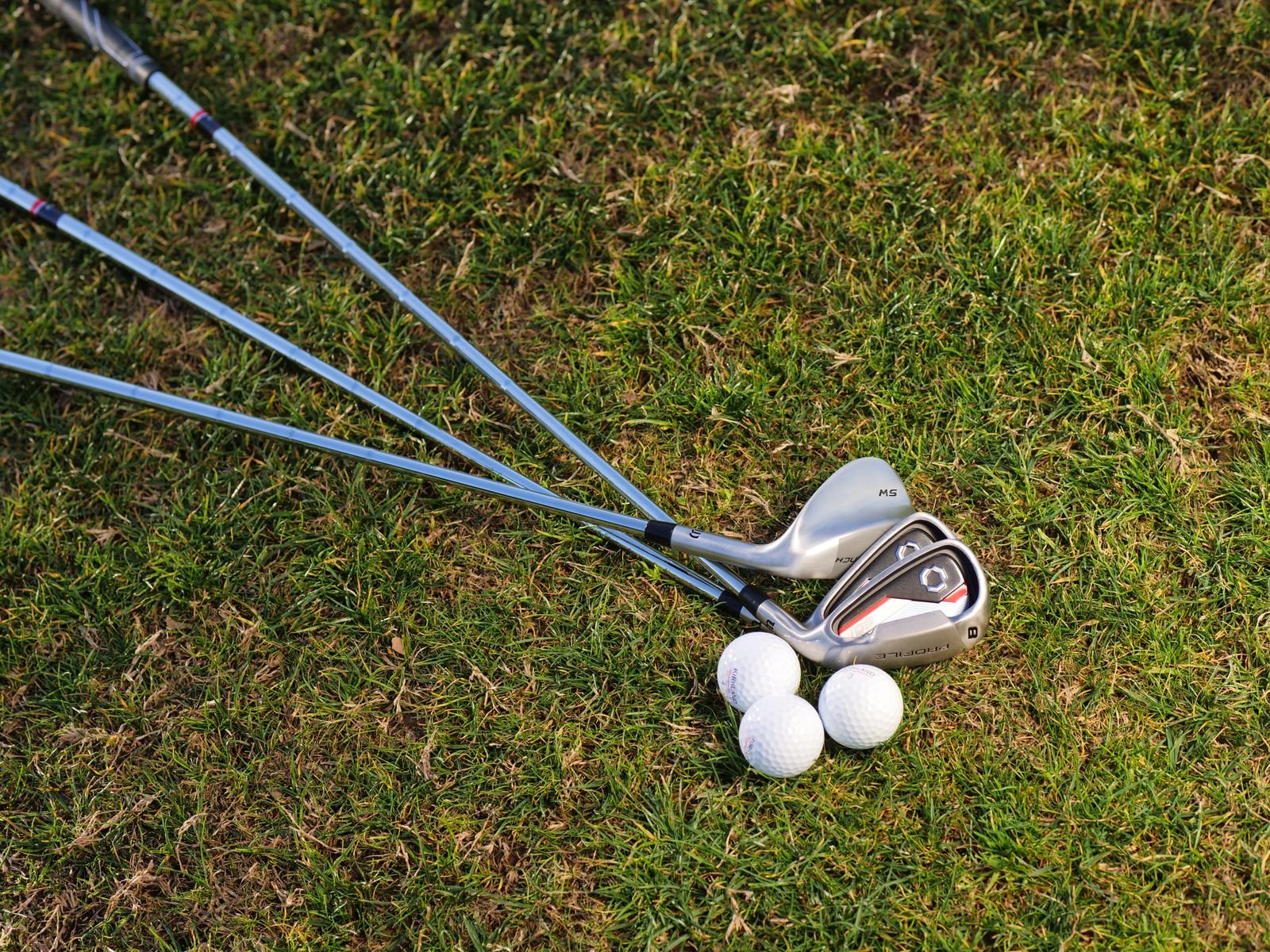
Five Mistakes That Damage Golf Clubs
Most club damage from cleaning comes from good intentions and the wrong tools. These are the five mistakes to avoid, because each one can shorten the life of a set that should last for years.
The first mistake is the dishwasher. It sounds convenient, but dishwasher heat and harsh detergent damage finishes, loosen the epoxy in the hosel and ruin grips. Hand washing with warm water takes 10 minutes and is always safer.
The second mistake is hot water. Very hot water softens epoxy and can weaken the bond between head and shaft over time. Warm water cleans just as well, so there is no reason to use hot water at all.
The third mistake is the wire brush. A wire brush scratches chrome, strips black coatings, removes paint fill from grooves and wears down groove edges. Worn groove edges reduce spin, and on a competition club they can even raise questions about whether the club still conforms to the equipment rules. Use a soft nylon brush or an old toothbrush instead.
The fourth mistake is soaking the wrong clubs. Irons and wedges can handle a short soak. Drivers, woods, hybrids and putters cannot. Soaking a hollow headed club lets water into seams and joints where it causes damage you cannot see until it is too late.
The fifth mistake is storing wet clubs. A wet club put straight back into a closed bag stays damp for hours. Damp steel rusts, damp grips go slick, and a damp bag starts to smell. Dry every club with a towel before it goes back in the bag, and leave the bag open for an hour at home so air can circulate.
How Often to Clean Your Clubs and How to Store Them
The best habit is a quick clean after every round. Wipe the faces on the course between shots with a damp towel, and do the full wash at home the same evening while the mud is still soft. A quick wipe during the round takes seconds and keeps the grooves working for the whole round. The full wash takes 10 minutes and resets the set for next time.
Once a month, give the set a deeper clean. Check every groove with a tee, clean the grips properly, inspect the ferrules for cracks and look for rust starting on the wedge faces. A monthly check catches small problems before they become expensive ones. A loose ferrule, for example, is a five minute fix at a golf shop if you catch it early, but a club head that comes off mid swing is a much bigger problem.
Storage matters as much as cleaning. Keep the bag in a dry place at room temperature, not in a damp garage or a car trunk. Heat and cold in a car trunk dry out grips, weaken epoxy and warp shafts over time. A golf bag with a rain hood is worth using on wet days, and a headcover on the driver and woods protects the finishes from dings in transit.
The same storage rules protect other sports gear you keep at home. Cool, dry and out of direct sunlight is the right formula for almost everything, from golf clubs to collectibles. If you keep sports memorabilia as well as playing gear, our guide on how to store baseball cards in a binder without damaging them explains the same principles in detail.

How Much Does It Cost to Clean Golf Clubs
Cleaning your own clubs costs almost nothing. A bucket, warm water, a few drops of dish soap, an old toothbrush and a clean towel are all you need, and most golfers already own all of them. A plastic groove cleaning tool costs about 8 to 15 dollars at a golf shop or online, and a pack of microfiber towels costs about 10 dollars. A bottle of dedicated club cleaning spray costs about 10 to 12 dollars, but plain dish soap works just as well.
Professional cleaning is available too. Many golf shops and club fitters offer a full clean and regrip service, usually for 5 to 10 dollars per club plus the cost of the grips. A full set regrip typically costs 80 to 150 dollars including labor, depending on the grip you choose. For most golfers, the home method in this guide is enough, and the money is better spent on new grips when the old ones wear out.
Conclusion
Learning how to clean golf clubs at home without damage comes down to three ideas. Match the method to the club, because irons can soak while drivers and woods must only be wiped. Use gentle tools and warm water, because heat and abrasion cause the damage that shortens a set’s life. And clean little and often, because a five minute wipe after every round beats a long rescue job once a season.
Start tonight after your next round. Fill a bucket with warm water and a few drops of dish soap, soak the iron heads for 5 to 10 minutes, scrub along the grooves with a soft brush, wipe the woods and the putter with a damp cloth, and dry everything before it goes back in the bag. Your grooves will grip the ball, your grips will feel tacky again, and your approach shots will stop closer to the flag.
Above all, protect the investment. A set of golf clubs costs hundreds of dollars and should last for years. Ten minutes of care after each round is the cheapest insurance you can buy for it.
Frequently Asked Questions
Can you use dish soap to clean golf clubs?
Yes. Mild dish soap is ideal for cleaning golf clubs. It cuts grease and dirt without attacking finishes or coatings. Use a few drops in warm water, rinse the soap off completely, and dry the clubs right away. Avoid dish soap with bleach or abrasive particles.
Can you put golf clubs in the dishwasher?
No. Dishwasher heat and harsh detergent can damage club finishes, loosen the epoxy that bonds the head to the shaft, and ruin grips. Always clean golf clubs by hand with warm water, mild soap and a soft brush.
How do you clean golf club grooves without damage?
Soak the iron or wedge head in warm soapy water for 5 to 10 minutes, then drag a soft brush or a wooden tee slowly along each groove. Brush along the groove, not across it, so the dirt comes out of the channel instead of moving into the next groove. Never use a wire brush or a metal pick.
How often should you clean golf clubs?
Wipe the faces during every round with a damp towel, and do a full wash at home after every round. A deeper clean once a month, including the grips and a check of the ferrules, keeps the set in top condition and catches wear early.
What is the best way to clean golf club grips?
Wash grips with warm soapy water and a cloth, scrubbing lightly with a soft brush. Rinse under running water and dry with a towel, then let them air dry fully. Never soak grips. If a grip still feels slick after cleaning, it is worn out and should be replaced.
