
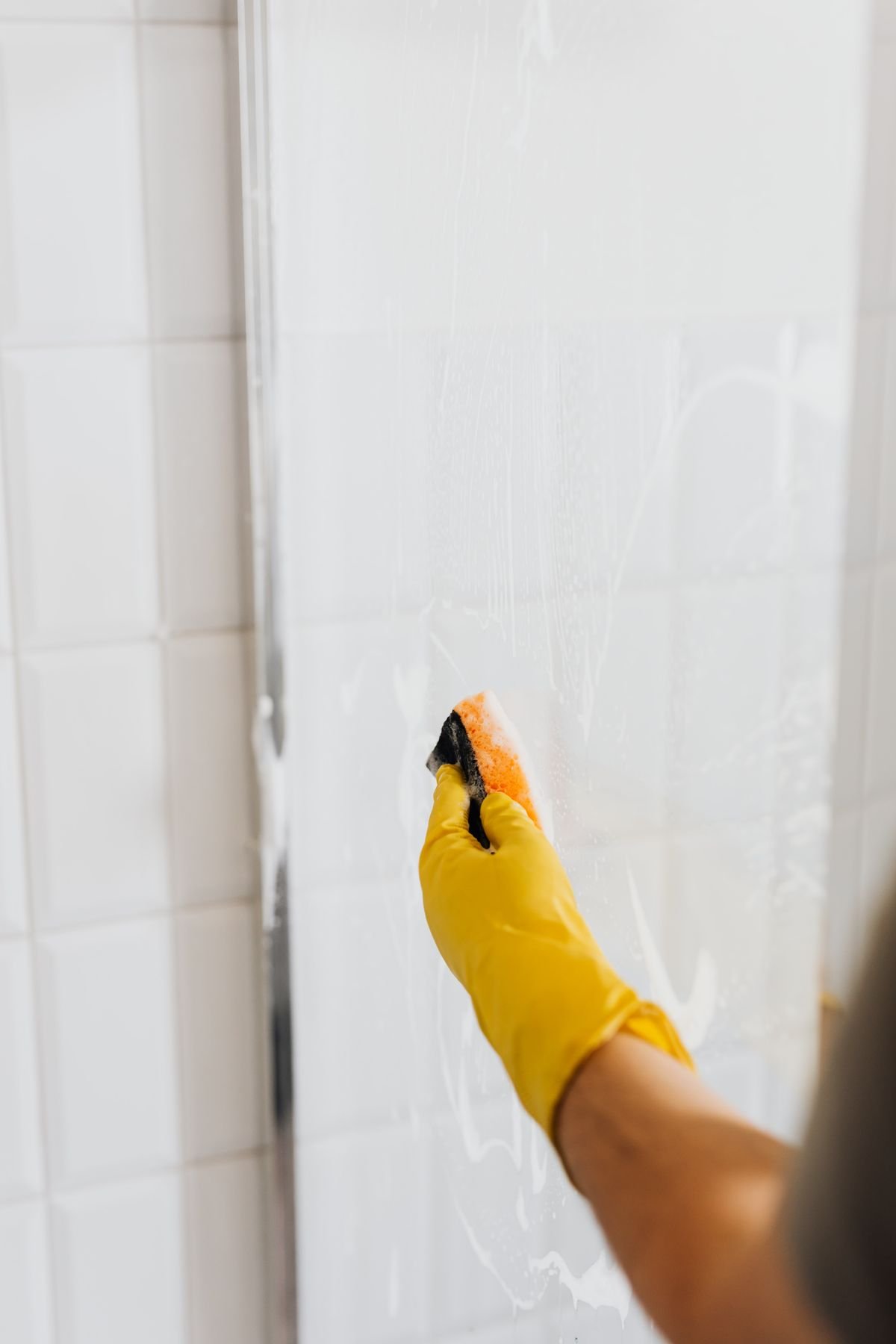
You step into the shower in the morning, reach for the shampoo, and catch your own reflection in glass that looks more like frosted plastic than a clear panel. The door was spotless when it was installed. Now it wears a cloudy film that never seems to wash away, no matter how often you rinse it. That film is soap scum, and it is one of the most stubborn cleaning problems in any bathroom. The good news is that you can learn how to get rid of soap scum on shower glass without vinegar, using gentle cleaners you probably already own, and keep the glass clear with a habit that takes about two minutes a day.
This guide walks through what soap scum really is, the methods that actually work, the mistakes that damage glass, and a simple routine that stops the film from coming back. Everything here is tested, practical, and safe for most standard shower enclosures. If your glass has a special coating, check the maker care instructions first, because coated glass plays by slightly different rules.
What Soap Scum Actually Is
Soap scum is not just dirt. It forms when the fatty acids in bar soap and body wash react with the calcium and magnesium in hard water. The result is a sticky, chalky film that bonds to glass. Body oils, shampoo residue, and conditioner add to the layer. Each shower adds a little more, and once the film dries, it hardens into a haze that plain water cannot remove.
That chemistry explains why vinegar is the usual advice. Vinegar is an acid, and acid dissolves mineral deposits. But vinegar is not the only acid in your kitchen, and it is not always the best choice. It smells strong, it can dull natural stone sills and trays, and some glass makers warn against repeated acid use on coated panels. Lemon juice, citric acid, and even a simple dish soap paste can do the same job with less smell and less risk. The goal is not to find the strongest cleaner. The goal is to match the cleaner to the buildup and to give it enough time to work.
Before you start, it helps to know what you are looking at. Soap scum looks like a dull white or grey film that smears when you wipe it with a wet finger. Hard water scale looks different: pale spots, chalky edges, or a rough crust where drops have dried again and again. The two often appear together, and the methods below handle both, but knowing the difference stops you from scrubbing a mineral crust with a cleaner meant for grease.
What You Will Need
You do not need a shelf full of products. Gather these before you start so you are not hunting for supplies with wet hands.
- Two or three clean microfiber cloths
- A soft non scratch sponge or pad made for glass
- A shower squeegee
- A small bowl and a spray bottle
- Dish soap, baking soda, and fresh lemons or lemon juice
- Rubbing alcohol for the final shine
- Rubber gloves
- A soft toothbrush for corners and the door track
Leave the steel wool, the green scouring pads, and the razor scraper in the cupboard. Glass looks tough, but a single pass with an abrasive pad leaves fine scratches that catch soap scum even faster next time. The scratches are permanent, and they make every future clean harder. Soft tools and patience beat force every time.
How to Get Rid of Soap Scum on Shower Glass Without Vinegar Step by Step
Always start with the gentlest method. Most soap scum that is less than a month old comes off with dish soap and baking soda, and this method is safe for nearly every type of shower glass, including coated panels.
Step 1: Rinse the glass with warm water
Use the shower head or a jug of warm water to wet the whole panel. Warm water softens the surface film and washes away loose dust and hair. Do not use boiling water. A sudden temperature change can stress the glass, and it is unnecessary.
Step 2: Mix a paste of baking soda and dish soap
Put two tablespoons of baking soda in a small bowl and add a few drops of dish soap plus a spoonful of warm water. Stir until you have a thick paste that holds its shape on a sponge. Baking soda is a mild abrasive, gentle enough for glass, and it lifts grease without scratching. Dish soap cuts through the body oils and conditioner residue that glue the film to the surface.
Step 3: Apply the paste and let it sit
Spread the paste over the cloudy areas with a soft sponge. Work in small sections, top to bottom, so the paste does not dry on the upper panels while you work on the lower ones. Leave it for ten to fifteen minutes. This waiting time is the part most people skip, and it is the part that matters most. The paste needs time to loosen the bond between the film and the glass.
Step 4: Scrub lightly along the glass
Rub the paste in small circles with light pressure. Let the baking soda do the work. If a patch resists, add a little more paste and wait another five minutes instead of pressing harder. Pay attention to the bottom edge of the door and the corners, where water pools and the film builds thickest.
Step 5: Rinse and dry completely
Rinse the glass with warm water until no paste remains, then dry it with a clean microfiber cloth. Drying matters as much as cleaning. If you let the glass air dry, the minerals in the rinse water leave fresh spots on the surface you just cleaned. Dry every panel, including the edges and the frame, and you will see the difference immediately.
If the glass looks clear after this method, you are done. Move to the prevention routine below and you may never need a stronger cleaner. If a haze remains, move on to the next method.
Lemon Juice and Salt for Stubborn Spots
When the gentle method leaves a faint haze, lemon juice is the next step. Lemon juice is acidic enough to dissolve mineral deposits, and it smells far better than vinegar. The salt in this method adds a light scrubbing action without the risk of a harsh scouring pad.
Mix the juice of one lemon with a tablespoon of fine salt to form a thin paste. Spread it over the stubborn patches and leave it for ten minutes. The acid softens the mineral crust while the salt grains help lift it. Rub gently with a soft cloth, then rinse well and dry. For a milder version, skip the salt and spray plain lemon juice on the glass, wait five minutes, and wipe. This works well on light buildup and on glass with a protective coating, since it involves no abrasive at all.
One warning: lemon juice is still an acid, so keep it away from natural stone. If your shower has a marble sill or a stone tray, cover the stone with a towel before you spray, or choose the dish soap method for the panels nearest the stone. Rinse the glass thoroughly when you finish, because dried lemon juice can leave its own sticky residue.
Rubbing Alcohol for a Streak Free Shine
Rubbing alcohol is the finishing touch that turns clean glass into sparkling glass. It dissolves the last traces of body oil and evaporates quickly, which is why it leaves so few streaks. Pour a small amount onto a clean microfiber cloth, not directly onto the glass, and wipe the panel in long straight strokes from top to bottom. Work one panel at a time and step back to check your work in the light. If you see streaks, the cloth is too wet or too dirty, so switch to a dry cloth and buff the panel again.
Rubbing alcohol is also useful on its own for light soap scum. If the film is thin, a single wipe with alcohol on a cloth can remove it in under a minute. Keep the bathroom ventilated while you work, and keep the bottle away from the hot shower head. This method is fast, cheap, and it leaves nothing behind to attract new buildup.

Steam and the Magic Eraser Option
If you own a handheld steam cleaner, it is one of the best tools for this job. Steam softens soap scum without any chemicals at all. Hold the nozzle a few inches from the glass and move it slowly across the panel, then wipe with a microfiber cloth. The heat loosens the film, and the cloth carries it away. Steam is especially good for the door track and the corners, where paste and spray cannot easily reach.
A melamine foam eraser, sold as a magic eraser, is another option for stubborn spots, but use it with care. It works like an extremely fine sandpaper, which is why it removes marks that nothing else touches. That same action can dull coated glass over time, so test it first on a small corner, use light pressure, and never use it on a coated panel unless the maker says it is safe. For most people, the paste and lemon methods above are enough, and the eraser stays in reserve for the rare patch that nothing else shifts.
What to Avoid When You Clean Shower Glass
Some common advice does more harm than good. Avoid these mistakes and your glass will stay clearer for longer.
- Steel wool, wire brushes, and rough green scouring pads scratch glass permanently.
- Bleach does not dissolve soap scum, and it can damage metal frames and sealant.
- Never mix cleaning products. Bleach mixed with an acid cleaner creates toxic gas, and there is no cleaning benefit that justifies the risk.
- Oven cleaner and heavy duty degreasers can strip coatings and damage sealant around the enclosure.
- Razor blades can scratch glass and are dangerous on a wet surface.
- Do not let vinegar or lemon juice sit on natural stone, even for a few minutes. Acid etches marble and limestone.
- Do not scrub in circles with a dry abrasive pad. Always wet the surface first and use a soft tool.
If a cleaner label warns against use on glass or coated surfaces, believe it. The cost of replacing a shower door is far higher than the cost of a gentler product.
How to Tell Soap Scum From Hard Water Scale
Knowing which problem you have saves time and effort. Soap scum feels slightly greasy and smears when wiped with a wet finger. It covers large areas in a dull film. Hard water scale feels rough and chalky, and it appears as distinct spots or a crust along the bottom edge where water collects. A simple test helps: wipe a small area with dish soap on a damp cloth. If the film lifts easily, it is mostly soap scum. If a rough crust remains, that is mineral scale, and it needs an acid like lemon juice or citric acid plus a longer soak.
Very old scale can bond so tightly to glass that it looks like permanent etching. Try the lemon and salt method twice, with a full thirty minute soak the second time, before you decide the glass is damaged. If the marks remain after two careful attempts, the glass may genuinely be etched, and no cleaner will restore it. At that point, a glass polishing kit or a professional is the only route.
Keep It Clear With a Two Minute Habit
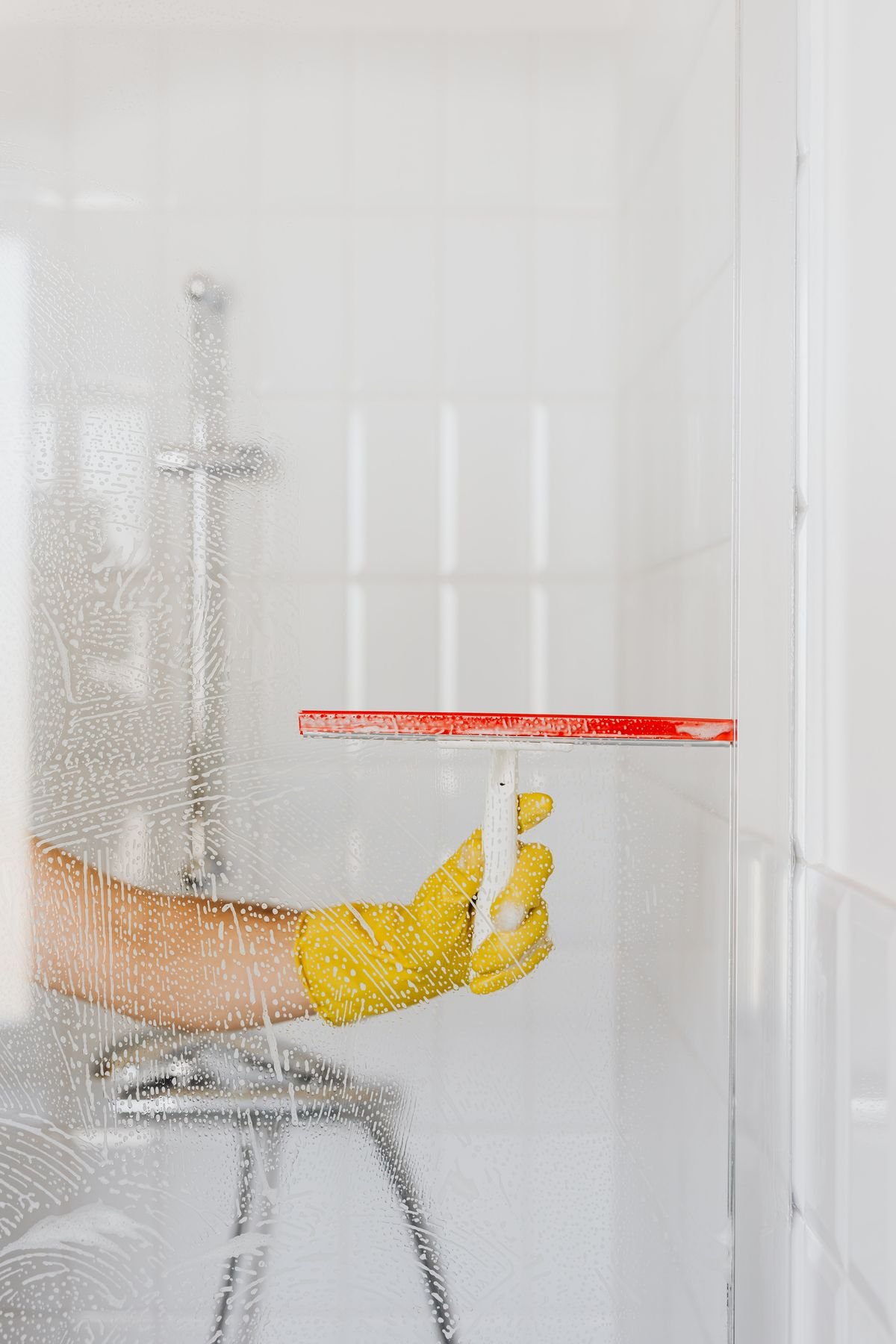
Cleaning soap scum is easy. Keeping it away is easier still, and it comes down to one habit: squeegee the glass after every shower. It takes about two minutes. Pull the squeegee down each panel from top to bottom, then wipe the bottom edge with a towel. Removing the water before it dries means the soap and minerals never get the chance to bond to the glass.
A few small changes help even more. Switch from bar soap to a liquid body wash or shower gel, since bar soap leaves far more film. Keep a spray bottle of diluted dish soap in the shower and mist the glass once a week before you step out. Open the bathroom door or run the fan for twenty minutes after a shower so the room dries faster. And wipe the bottom track once a week with a damp cloth so grime never builds up in the corners.
People who squeegee daily often find they only need a deep clean once every two or three months. People who never squeegee need one every two weeks. The habit is the whole secret, and it costs nothing.

When to Call a Professional
Most soap scum is a do it yourself job, but there are times to stop and call for help. If the glass is cracked or chipped, do not apply pressure or steam, because you can make the damage worse. If the door track is loose, the sealant is peeling, or water leaks onto the floor, a professional can fix the cause rather than the symptom. And if you have tried the methods above twice and the glass still looks cloudy, a glass specialist can tell you whether the panel is etched or simply needs a professional grade polish. Knowing when to stop is part of good home care, not a failure.
Conclusion
Learning how to get rid of soap scum on shower glass without vinegar comes down to three ideas. First, understand the film: it is soap residue bonded to mineral deposits, so you need a cleaner that cuts grease and an acid that dissolves minerals. Second, start gentle and work up: dish soap and baking soda handle most buildup, lemon juice handles the stubborn patches, and rubbing alcohol adds the final shine. Third, prevent the problem with a two minute squeegee habit after every shower, because water that never dries on the glass can never leave a film behind.
Your shower door does not need harsh chemicals or expensive products. It needs the right method, a little patience while the cleaner soaks, and a small daily habit. Try the gentle method this weekend and see the glass the way it looked on installation day. If you enjoy quick home wins like this one, our guide on how to fix a squeaky door hinge without wd40 takes about ten minutes too, and our vinegar free approach to how to get rid of fruit flies in kitchen without vinegar keeps the kitchen as fresh as the bathroom.
Frequently Asked Questions
Can I remove soap scum from shower glass without vinegar?
Yes. Dish soap mixed with baking soda removes most soap scum, and lemon juice handles stubborn mineral deposits. Rubbing alcohol adds a streak free shine. None of these methods needs vinegar.
How often should I clean my shower glass?
Deep clean every four to eight weeks, depending on your water hardness. If you squeegee after every shower, you can stretch that to every two or three months.
Does baking soda scratch shower glass?
No, when used as a paste with light pressure and a soft sponge. Baking soda is a very mild abrasive. Avoid hard scrubbing pads and steel wool, which do scratch glass.
Why does my shower glass look cloudy even after cleaning?
The cloudiness may be hard water scale rather than soap scum, or the glass may be etched from years of buildup. Try the lemon and salt method with a thirty minute soak. If the haze stays, the glass is likely etched.
Is it safe to use lemon juice on coated shower glass?
Usually yes for a short contact time, but check the maker care instructions first. Some coatings exclude acids. When in doubt, use the dish soap and baking soda method, which is safe for nearly all glass.
