
If you have started looking into meat free eating, chances are you have come across the name Vege Health Foods somewhere along the way. Maybe you spotted it on a frozen packet at your local grocer, saw it mentioned on social media, or simply typed the phrase into Google because you wanted to know what it actually is. Whatever brought you here, this guide is meant to answer the question properly, without the fluff and vague claims you often find online.
Vege Health Foods refers to a range of vegetarian and vegan food products, most commonly associated with plant based meat alternatives, frozen ready to eat items, and packaged goods designed for people who want to reduce or eliminate animal products from their diet. In this article, we will walk through what these products are made of, how they stack up nutritionally, who they tend to suit best, and how to shop for them wisely. By the end, you should feel confident enough to make an informed decision the next time you see the name on a shelf.
What Is Vege Health Foods
Vege Health Foods is a term used for a category of vegetarian and vegan branded food products, typically produced or distributed by companies that specialise in meat alternatives for the Asian and Australian markets. These products are designed to replace conventional meat in everyday cooking, using ingredients like soy protein, wheat gluten, mushrooms, and vegetables to mimic the texture and flavour of meat without using any animal derived ingredients.
The appeal is straightforward. People who follow a vegetarian or vegan lifestyle often miss the convenience of quick, protein rich meals that taste familiar. Vege Health Foods products aim to fill that gap by offering items that can be added directly to a stir fry, soup, or noodle dish, much like you would use regular meat.
It is worth noting that this is not a single monolithic brand in the way that, say, a well known supermarket label might be. Instead, the phrase covers a broader category of vegetarian meat substitutes, often imported from Malaysia, Taiwan, or manufactured locally in Australia, and sold through specialty health food retailers and Asian grocery stores.
The Range of Products You Will Find
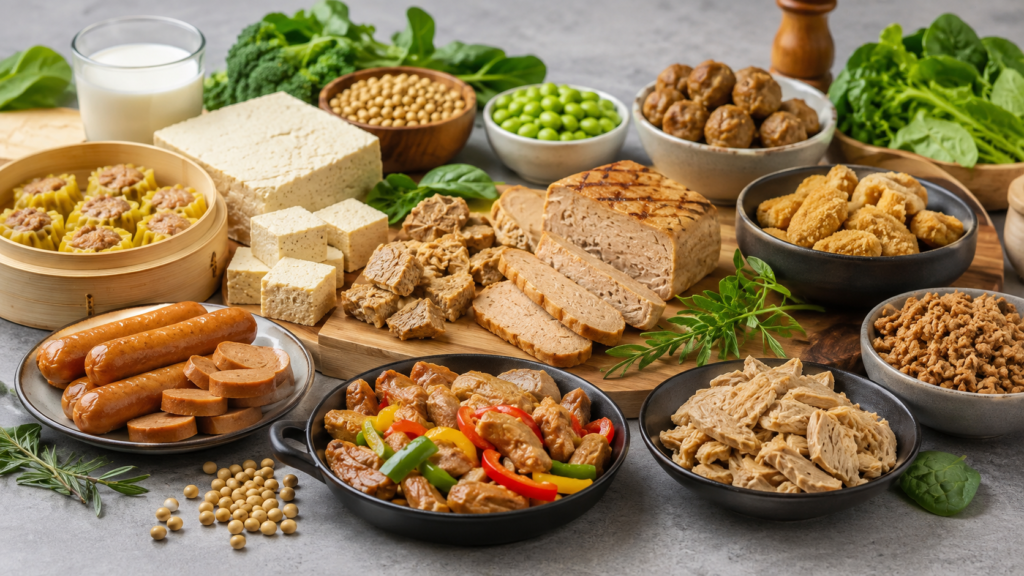
One of the strengths of this category is variety. Shoppers are not limited to a single style of meat substitute. Instead, there is usually a wide spread of options catering to different cooking styles and cultural cuisines.
Vegetarian and Vegan Meat Alternatives
The most common products include items labelled as vegetarian lean meat, mock chicken, mock duck, and vegetarian seafood alternatives. These are usually made from textured soy protein or wheat gluten, seasoned to resemble the flavour profile of the meat they are replacing.
They are commonly used in dishes such as:
- Stir fries with vegetables and sauces
- Soups and hotpots, particularly in Asian style cooking
- Noodle and rice bowls
- Curries and casseroles
Frozen and Ready to Eat Options
Many Vege Health Foods products are sold frozen, which extends shelf life significantly and makes them convenient for meal planning. Ready to eat or quick cook items, such as pre marinated vegetarian meatballs or crumbed cutlets, are popular for people who want a fast dinner solution without sacrificing their dietary preferences.
Everyday Pantry Staples
Beyond meat alternatives, the broader plant based food space this brand operates in often includes items like tofu based products, plant milks, and seasoning sauces suited to vegetarian cooking. These support a fuller, more balanced approach to meal preparation rather than focusing solely on meat substitutes.
Nutritional Value: What Is Actually Inside
This is the part most people genuinely want to know, and it deserves a straightforward answer rather than vague marketing language.
Protein Content and Quality
Most vege health foods products rely on soy protein or wheat gluten as their primary protein source. Soy protein is considered a complete protein, meaning it contains all nine essential amino acids the body cannot produce on its own. A typical serving of vegetarian lean meat style products can offer a protein content comparable to a modest serving of chicken breast, though this varies by brand and specific product.
Wheat gluten based products, often labelled as seitan style items, tend to be extremely high in protein by weight, though they are not suitable for anyone with a wheat allergy or coeliac disease, since gluten is the primary structural ingredient.
Fat, Sodium, and Processing Considerations
Where these products sometimes fall short of whole food standards is in sodium and processing level. Because they are designed to be flavourful and convenient, many contain added salt, flavour enhancers, and preservatives to maintain shelf stability, particularly the frozen varieties.
This does not mean they are unhealthy by default, but it is worth reading the nutrition panel rather than assuming a vegetarian label automatically means a low sodium or minimally processed product. If you are managing blood pressure or trying to reduce processed food intake, comparing labels across a few brands before choosing is a smart habit.
Vitamins and Minerals
Some products are fortified with vitamin B12, iron, or zinc, nutrients that vegetarians and vegans need to pay closer attention to since they are more commonly found in animal products. Not every item is fortified, so checking the label for these additions can help you decide whether supplementation elsewhere in your diet might still be necessary.
Who Benefits Most From These Products
Vege Health Foods products are not exclusively for strict vegans. In practice, the audience is broader than that.
- Vegetarians and vegans looking for convenient, protein forward meal components that save preparation time.
- Flexitarians who are gradually reducing meat consumption but still want familiar textures and flavours in their meals.
- Families with mixed dietary needs, where one household member eats meat and another does not, making shared meal prep easier.
- People exploring plant based eating for health or environmental reasons, without committing to a full dietary overhaul immediately.
That said, they are generally not recommended as the sole foundation of a diet. Like most convenience foods, they work best as part of a varied eating pattern that also includes whole vegetables, legumes, fruits, and whole grains.
How It Compares to Other Plant Based Brands
The plant based food market has grown considerably, and Vege Health Foods sits alongside a number of other established names, both local and international. Compared to some Western style plant based meat brands that focus heavily on beef style burger patties, Vege Health Foods style products tend to lean more toward Asian cuisine applications, including mock seafood, char siu style pieces, and items designed specifically for hotpot or stir fry cooking.
This is a meaningful distinction. If your cooking style leans toward Asian dishes, these products may integrate more naturally into your usual recipes than a Western style plant based patty would. On the other hand, if you are looking specifically for burger or sausage replacements, you may find better options from brands that specialise in that format.
Price point is another consideration. Products in this category are often positioned as mid range, more affordable than premium plant based meat brands, but slightly pricier than basic tofu or legume based cooking from scratch.
Where to Buy Vege Health Foods
These products are typically stocked in:
- Specialty vegetarian and vegan grocery stores
- Asian grocery retailers, particularly those with a frozen foods section
- Health food shops that carry imported or niche dietary products
- Online retailers specialising in plant based and vegetarian foods, with delivery options in many Australian cities
Availability can vary by region, so if your local supermarket does not stock a wide vegetarian range, an Asian grocer or dedicated health food retailer is usually your best bet.
How to Choose the Right Product for Your Needs
With so many options available, a little guidance goes a long way. Here is a simple approach to narrowing down your choice.
First, think about how you plan to cook the product. If you are making a stir fry, a sliced or shredded style product will work better than a whole piece cut for roasting. If you are making soup or hotpot, look for items specifically labelled for that purpose, since they are usually cut and seasoned accordingly.
Second, check the ingredient list for allergens. Soy and wheat gluten are the two most common bases, so anyone with a soy or gluten sensitivity needs to read labels carefully rather than assuming all vegetarian meat alternatives are automatically safe.
Third, compare protein and sodium content across two or three similar products before settling on one. Small differences in formulation can add up, especially if you are eating these foods regularly rather than occasionally.
Finally, consider portion size and price per serving. Bulk frozen packs often work out cheaper per meal than smaller ready to eat portions, which is worth factoring in if you cook for a family.
Simple Ways to Cook With These Products
You do not need to be an experienced vegetarian cook to use these ingredients well. A few practical tips can make a noticeable difference.
Thaw frozen products properly before cooking, either in the refrigerator overnight or briefly in cold water, rather than cooking straight from frozen, which can affect texture. Marinating plain vegetarian meat alternatives for even a short period before cooking helps them absorb flavour, since many of these products have a milder taste than pre seasoned varieties.
Pairing them with strong aromatics such as garlic, ginger, and spring onion tends to work particularly well, since these ingredients complement the neutral base flavour of soy and gluten based products. A splash of soy sauce, sesame oil, or a simple stir fry sauce toward the end of cooking also helps round out the dish.
Storage and Food Safety Basics
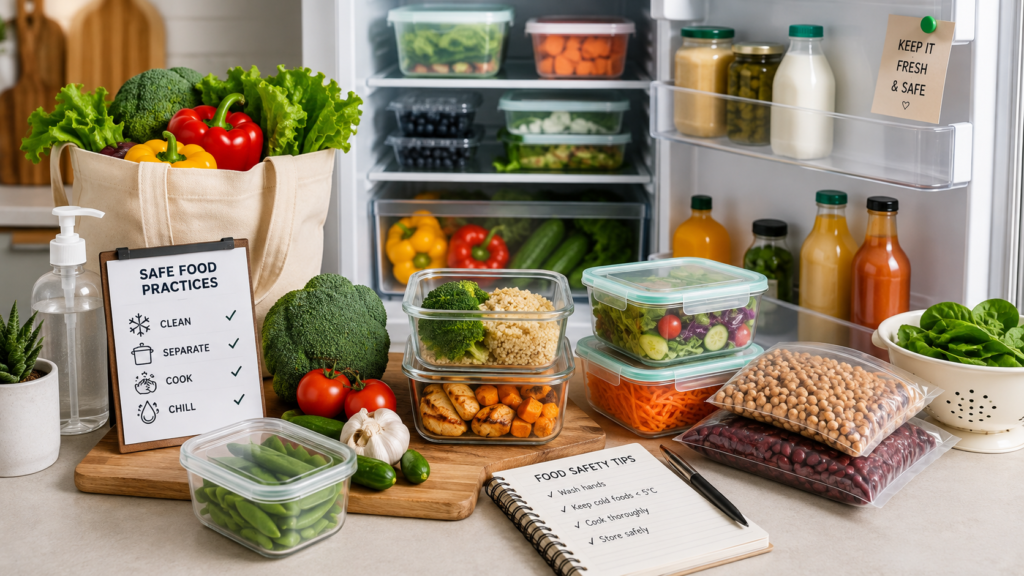
Because a large portion of the range is sold frozen, proper storage matters. Keep products at or below negative eighteen degrees Celsius until you are ready to use them, and avoid refreezing anything that has already been thawed, since this can affect both safety and texture.
Once opened, refer to the packaging for guidance on refrigerator storage duration, and consume within the recommended window. As with any packaged food, always check the use by date before cooking, particularly if a product has been stored for an extended period.
Conclusion
Vege Health Foods represents a practical entry point into vegetarian and vegan cooking, offering a wide range of meat alternative products designed to fit easily into everyday meals. The category covers everything from vegetarian lean meat and mock seafood to frozen ready to eat items, giving you flexibility whether you are cooking a quick weeknight stir fry or preparing a family style hotpot.
Nutritionally, these products can be a solid source of plant based protein, though sodium content and processing levels vary, so reading labels remains important rather than assuming every vegetarian labelled product is automatically the healthiest choice. They tend to suit vegetarians, vegans, and flexitarians alike, especially those who enjoy Asian inspired cooking styles.
If you are considering trying these products for the first time, start with a small, familiar item such as a vegetarian lean meat pack, experiment with a simple stir fry recipe, and build from there. Used thoughtfully alongside whole plant foods, Vege Health Foods products can be a genuinely useful addition to a balanced, plant forward kitchen.
Frequently Asked Questions
Are Vege Health Foods products suitable for vegans?
Most products in this category are plant based and free from animal ingredients, but some items may contain egg or dairy derivatives such as casein, so it is always worth checking the ingredient list if you follow a strict vegan diet.
Do these products contain common allergens?
Yes, many are made from soy protein or wheat gluten, both of which are common allergens. Some products may also contain traces of egg or milk due to shared processing facilities, so reading the label is essential if you have specific allergies.
Can Vege Health Foods products fit into a weight loss diet?
They can, particularly because they are often high in protein and lower in fat compared to some meat cuts. However, portion control and attention to sodium content still matter, so they work best as part of a balanced eating plan rather than being relied on exclusively.
How should these products be stored at home?
Frozen items should be kept at or below negative eighteen degrees Celsius and thawed properly before cooking. Once opened, follow the packaging guidance for refrigerated storage and use within the recommended timeframe.
Are these products suitable for children?
Many vegetarian meat alternatives can be included in a child’s diet as part of a varied meal plan, but parents should check for allergens such as soy and gluten, and be mindful of sodium content, since children generally need less salt than adults.
