
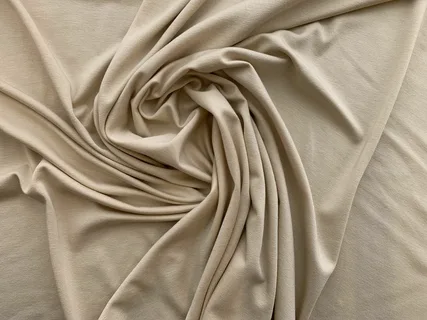
If you have spent any time browsing fabric shops online, you have probably come across the term deadstock fabric more than once. It shows up on product tags, in Instagram captions from small sewing brands, and in conversations among people who care about where their materials come from.
But what does it actually mean, and should it change the way you shop for fabric?
In simple terms, deadstock fabric is surplus textile material that never got used for its original purpose. It sat in a warehouse instead of becoming a garment. Understanding this one concept can change how you think about fabric shopping, sustainability, and even the quality of the materials you choose for your next project.
This guide breaks down everything you need to know about deadstock fabric, from where it comes from to how to buy it wisely, without the sales pitch you often find on shop pages.
What Is Deadstock Fabric
Deadstock fabric refers to unused textile material that was produced but never made it into a finished product. It is not vintage fabric pulled from someone’s closet, and it is not the same as scraps left over from cutting a garment pattern.
Instead, deadstock is fabric that reached the end of the production or retail chain and simply stopped moving forward. It might have been ordered by a fashion brand, printed by a mill, or cut and ready to ship, and then something interrupted the process before it ever became clothing.
Because this fabric was never used, it is typically in excellent condition. Many people are surprised to learn that deadstock is often high quality material from well known fashion houses and manufacturers, not damaged or defective goods.
How Deadstock Fabric Is Created
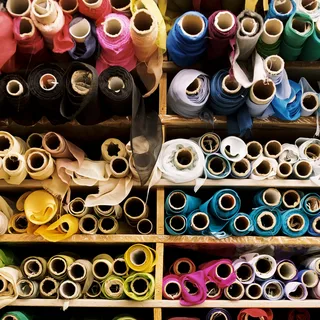
Deadstock does not appear randomly. It comes from specific points in the supply chain where production and demand do not line up perfectly. Knowing these causes helps explain why deadstock exists in the first place and why the supply is always changing.
Overproduction by Mills
Fabric mills often produce slightly more material than an order requires. This buffer protects against printing errors, dyeing inconsistencies, or damage during production. The extra yardage that is never claimed becomes deadstock.
Cancelled or Reduced Orders
Fashion brands sometimes cancel an order after fabric production has already begun. A shift in trends, a change in a collection’s direction, or a business decision can leave a mill holding fabric that has nowhere to go.
End of Season Surplus
Many fashion brands plan their collections around seasons. When a season ends, any unused fabric earmarked for that collection is often set aside rather than carried forward, especially if the print or colorway feels tied to a specific trend cycle.
Quality Control Rejections
Fabric that does not meet a brand’s exact specifications, even for minor reasons like a slightly off color match, can be rejected. The fabric itself is usually still perfectly usable, just not to the standard the original buyer required.
Deadstock Fabric vs Other Types of Surplus Textiles
People often use deadstock, remnant, and overstock interchangeably, but these terms describe different things. Knowing the difference helps you set the right expectations when shopping.
| Term | What It Means |
|---|---|
| Deadstock fabric | Unused surplus fabric from mills or fashion brands, never made into a product |
| Fabric remnants | Smaller leftover pieces cut from a larger bolt during garment production |
| Overstock fabric | Extra inventory from a fabric retailer that simply did not sell |
| Vintage fabric | Older fabric, often decades old, that may have been used or stored for a long time |
| Recycled or upcycled fabric | Material made from reprocessed fibers, sometimes from old garments or textile waste |
Deadstock sits in a unique middle ground. It is new, unused fabric, but it carries the story of an interrupted production process rather than a straightforward retail purchase.
Is Deadstock Fabric Actually Sustainable
This is one of the most debated parts of the deadstock conversation, and it deserves an honest answer rather than a marketing one.
On one hand, buying deadstock keeps existing fabric out of landfills. The resources used to grow, weave, dye, and finish that fabric have already been spent, so giving it a second chance at becoming something useful reduces waste in a very real way.
On the other hand, some critics point out that deadstock can quietly support overproduction. If mills know that unsold fabric can be resold as deadstock, there is less financial pressure to produce only what is needed in the first place.
The most balanced view is this: deadstock fabric is a better choice than buying newly manufactured virgin fabric, but it is not a perfect solution to fashion’s larger waste problem. It works best as one part of a broader sustainable sewing practice that also includes buying less, choosing natural fibers, and supporting transparent brands.
Why Sewists and Designers Love Deadstock Fabric
Beyond the sustainability angle, there are practical reasons deadstock fabric has such a loyal following among makers.
- Unique finds. Since deadstock quantities are limited and rarely restocked, you often end up with a print or texture nobody else in your sewing circle has.
- Designer quality at lower prices. Deadstock sourced from luxury or contemporary fashion brands lets home sewists work with fabric that would normally be priced far higher.
- Smaller environmental footprint. Choosing deadstock reduces demand for newly produced fabric, which lowers water use, dye runoff, and energy consumption tied to fresh textile manufacturing.
- A sense of discovery. Many sewists genuinely enjoy the treasure hunt aspect of browsing rotating deadstock collections, since the selection changes constantly.
These benefits explain why small sewing brands, fashion students, and hobbyists keep coming back to deadstock, even with its limitations.
How to Shop for Deadstock Fabric With Confidence
Buying deadstock is a little different from ordering a bolt of fabric from a regular retailer. A few habits can help you avoid disappointment.
Check the Yardage Before You Fall in Love With a Print
Deadstock listings usually show a fixed, non repeating quantity. If a pattern needs three yards and only two are available, that print simply will not work for the project, no matter how much you like it.
Read the Return Policy Closely
Most deadstock retailers sell as final sale, since the fabric is cut to order and often cannot be restocked once it is measured. Confirm this before purchasing, especially for larger orders.
Ask About Fiber Content
Many deadstock listings include fiber information, but not all do, particularly for older warehouse finds. If it is not listed and it matters for your project, reach out to the seller before buying.
Look Closely at Photos for Flaws
While most deadstock is in excellent condition, occasional rejects do include minor printing or weaving flaws. Zoom into product photos and ask questions if something looks unclear.
Buy a Little Extra When Possible
Since deadstock rarely gets restocked, ordering slightly more than your pattern calls for gives you a buffer for cutting mistakes or design changes down the road.
Identifying Fiber Content Without a Label
Unlabeled deadstock is common, especially from smaller sellers or warehouse clearances. A few simple tests can help you narrow down what you are working with.
The burn test is the most reliable home method. A small snipped thread held to a flame will behave differently depending on the fiber. Natural fibers like cotton and linen burn quickly and smell like burning paper, leaving a soft ash. Silk and wool tend to curl away from the flame and smell like burning hair. Synthetic fibers such as polyester typically melt rather than burn, forming a hard bead and often smelling slightly like plastic.
Touch and drape also offer clues. Natural fibers usually feel cooler and more matte, while synthetics often have a slight sheen and a more elastic recovery when stretched. These are not perfect methods, but combined, they can help you make an educated guess before starting a project.
Tips for Planning a Project Around Limited Yardage
Working with a fixed, non renewable amount of fabric requires a slightly different approach than shopping from an open ended bolt.
- Choose your pattern first, then match the yardage rather than falling for a print and hoping it fits your plans.
- Lay out your pattern pieces before cutting to double check everything fits, especially with directional prints or one way designs.
- Consider smaller projects for smaller cuts. A half yard remnant might not make a dress, but it could easily become a top, an accessory, or a patchwork element.
- Keep offcuts. Even small leftover pieces from deadstock can be combined later for trims, pockets, or scrap quilting projects.
Planning ahead saves you from the frustration of running short mid project with no way to order more of the exact same fabric.
Caring for Deadstock Fabric
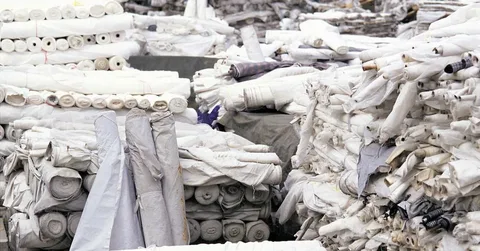
Because deadstock often lacks a care label, it helps to treat unfamiliar fabric gently until you understand how it behaves. A small swatch test, whether that means hand washing a corner or checking how it reacts to steam, can prevent shrinkage or color bleeding on your finished piece.
Natural fibers generally benefit from a gentle wash cycle or hand washing in cool water, while fabrics that feel synthetic often do better with minimal heat exposure. When in doubt, a cool iron test on a hidden edge is a safe way to check how the material responds before committing to your full project.
Where to Find Quality Deadstock Fabric
Deadstock fabric shows up in a few reliable places. Independent online fabric shops that specialize in sustainable sewing often carry rotating deadstock collections sourced from mills or designer overstock. Local fabric stores in garment district cities sometimes carry deadstock cuts pulled directly from nearby manufacturers. Some larger textile companies also run dedicated deadstock lines separate from their standard inventory, often marked as limited or one time releases.
Whichever source you choose, look for sellers who are transparent about where their deadstock comes from. Clear sourcing information is usually a good sign of a trustworthy shop.
Conclusion
Deadstock fabric offers a genuinely useful middle ground between buying newly manufactured textiles and letting good material go to waste. It gives sewists and small designers access to unique, often high quality fabric at a lower environmental and financial cost, even if it is not a complete fix for the fashion industry’s overproduction problem.
The key to shopping deadstock successfully is understanding what you are buying. Check yardage carefully, ask about fiber content when it is not listed, and plan your projects around a fixed, non restockable supply. With a little extra care at the shopping stage, deadstock fabric can become one of the most rewarding materials in your sewing collection, both for the story behind it and the results you create with it.
Frequently Asked Questions
Is deadstock fabric the same as remnant fabric?
No. Deadstock is unused surplus fabric from mills or brands, while remnants are smaller leftover pieces cut during the garment making process itself.
Why is deadstock fabric usually cheaper than regular designer fabric?
Sellers price deadstock lower because it is surplus inventory they want to move, and it often comes without the branding or packaging of a standard retail purchase.
Can deadstock fabric be restocked once it sells out?
Usually not. Since most deadstock comes from a one time surplus batch, once a specific print or cut sells out, it is typically gone for good.
Is all deadstock fabric high quality?
Most of it is, since it was originally intended for real fashion production. Occasional pieces may have minor flaws from quality control rejections, so checking photos and descriptions closely is worthwhile.
Does buying deadstock fabric actually help the environment?
It helps reduce textile waste by giving existing fabric a purpose, though it works best as one part of a broader sustainable sewing approach rather than a complete solution on its own.
