
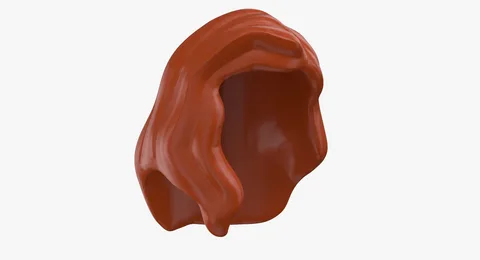
If you have ever dumped out a bin of loose LEGO parts looking for the perfect head of hair for a custom minifigure, you already know the struggle. LEGO hair pieces come in dozens of shapes, colors, and configurations, and figuring out which one you actually need can feel like searching for a needle in a haystack of tiny plastic bricks.
This guide breaks down everything you need to know about lego hair, from the basic anatomy of a hairpiece to how part numbers work, how to match hair to a head and hat, and where to actually buy the styles you want. Whether you are building a custom minifigure for the first time or you are a longtime AFOL (Adult Fan of LEGO) hunting for a specific rare piece, you will find practical, no fluff answers here.
What Is LEGO Hair, Exactly
LEGO hair is a small molded plastic piece that snaps onto the top of a minifigure’s head to represent a hairstyle. It is technically classified as part of the “top part” of a minifigure, the same category that includes hats, helmets, and other headgear.
Unlike printed details on a torso or leg, most hair pieces get their look purely from the mold itself. The plastic is shaped into waves, spikes, braids, or curls, and then colored using standard LEGO plastic colors like black, dark brown, blonde, or reddish brown. Some newer pieces also include printed patterns, such as streaks, headbands baked into the design, or two toned effects.
LEGO has been refining hair design since the 1970s, and the range has grown enormously. What started as a handful of simple molded shapes has turned into a catalog of well over 600 unique variations, according to reference databases like BrickLink. That number keeps climbing every year as new licensed sets and original characters are released.
How LEGO Hair Attaches to a Minifigure
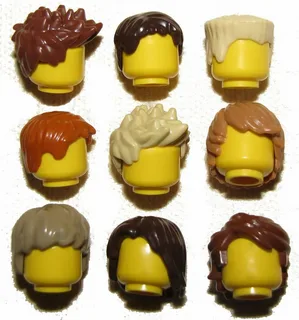
Every LEGO minifigure head has a small stud on top. Hairpieces have a corresponding hollow socket underneath that clips onto that stud, the same connection method used for hats and helmets.
This simple stud and socket system is why hair is fully interchangeable. You can pop a hairpiece off one minifigure and snap it onto another in seconds, as long as both pieces use the standard LEGO minifigure head size.
A few practical notes make this system even more useful:
- Hair pieces are compatible across most minifigure lines, including LEGO City, LEGO Star Wars, and LEGO Super Heroes.
- LEGO Friends and LEGO Elves minidoll heads use a slightly different head shape, but most current hair molds are designed to fit both classic heads and minidoll heads.
- Because the connection point is standardized, you rarely need tools to swap hair. A gentle pull and push is usually enough.
One thing to watch for is double sided heads, which have a different facial expression printed on the back. If you use a very short hairpiece, part of that second printed face can peek out from underneath. It is a minor issue, but worth checking before you finalize a custom build.
The Main Styles of LEGO Hair
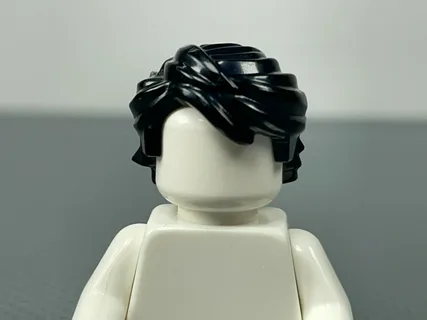
LEGO’s naming conventions on official part catalogs can get quite technical, with long descriptive names like “Minifigure, Hair Combed Front to Rear with Black Wide Streak on Top Pattern.” To make things easier, here is a simplified breakdown of the major style families you will encounter.
Short and Cropped Styles
These are compact hairpieces that sit close to the head, often used for everyday characters, professionals, or background figures. Bowl cuts, side parts, and simple swept back styles fall into this group.
Spiky and Textured Styles
Spiked hair is extremely popular in LEGO Ninjago, superhero sets, and video game tie ins. These pieces have raised, angular sections molded directly into the plastic to create a punk or action hero look.
Wavy and Curly Styles
Wavy hair pieces have soft, flowing lines and are common for both male and female minifigures. Curly and afro style hair, sometimes called bubble hair in official catalogs, adds volume and a distinct rounded silhouette.
Long and Flowing Styles
Long hair pieces often drape over the shoulders or down the back of the torso. These are frequently used for fantasy characters, historical figures, and female minifigures in general.
Ponytails, Buns, and Updos
This category covers hair pulled back and secured, including single ponytails, double ponytails, top knots, and elaborate buns. These styles are common in LEGO Friends sets and sports themed minifigures.
Braids and Plaits
Braided hair ranges from simple single braids to complex double braided styles seen on fantasy and historical characters. Some pieces even include molded texture to mimic individual braid strands.
Combo Hairpieces
Some LEGO hair pieces combine two elements into one mold, such as hair with a built in headband, hair with goggles, or hair paired with a hat like a beanie or ushanka. These combo pieces save a socket slot and often create a more polished, integrated look.
LEGO Hair Colors Explained
LEGO produces hair in a wide spectrum of shades, and understanding the standard color names helps enormously when searching catalogs like BrickLink or shopping on secondhand marketplaces.
Common LEGO hair colors include:
- Black
- Dark brown and reddish brown
- Light brown and medium nougat
- Blonde and light blonde
- Dark bluish gray and light bluish gray, used for grey or elderly characters
- White, for very old characters or stylized looks
- Bright and unnatural colors like red, blue, lavender, and lime green, typically used for fantasy or futuristic minifigures
Grey and white hair pieces are particularly useful for builders creating older characters, professors, or wise mentor figures. Bright unnatural colors, on the other hand, tend to show up in themed sets like LEGO Ninjago, DC, or Monkie Kid, where characters have stylized or supernatural appearances.
If you are trying to match a specific skin tone with a realistic hair color, it helps to look at official LEGO sets featuring similar characters first, since LEGO’s designers have already solved that combination problem thousands of times.
Understanding LEGO Hair Part Numbers
Every LEGO piece, including hair, has a unique part number that identifies its exact mold and, in many cases, its specific print variation. This numbering system might look intimidating at first, but it is actually one of the most useful tools for collectors and customizers.
Here is how it generally works:
- The base number identifies the mold shape itself, for example a specific ponytail or spiky style.
- A suffix like “pb01” indicates a printed pattern applied to that base mold, such as a headband design or a colored streak.
- Some combo pieces get entirely separate numbers because they represent a unique mold that merges hair with another element, like a hat or mask.
Reference catalogs such as BrickLink maintain searchable databases where you can look up a part number directly, view every color variation ever produced, and see which sets included that piece. This is especially useful if you already own a hairpiece and want to identify it, or if you are trying to source a replacement for a specific minifigure.
A tip that saves a lot of time: if you already know which minifigure or theme a hairstyle came from, search using the character’s name alongside “hair” rather than trying to guess a written description. Fan wikis often cross reference hair by character, which speeds up identification considerably.
Male vs Female LEGO Hairstyles
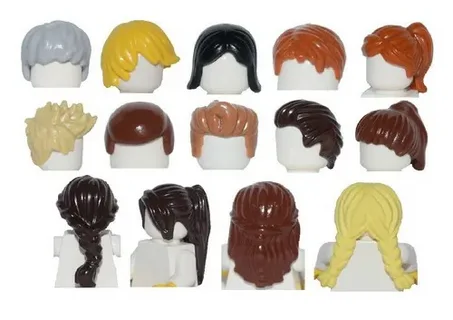
LEGO does not officially separate hair into strict male and female categories, since any hairpiece technically fits any head. That said, LEGO’s own product lines and retailers often group hair this way for shopping convenience, and there are some general design trends worth knowing.
Hair typically marketed toward male minifigures tends to lean toward shorter lengths, spiky textures, side parts, and swept back styles. Hair marketed toward female minifigures more often includes longer lengths, ponytails, braids, and buns, along with a wider range of bright or pastel colors introduced through LEGO Friends sets.
These are trends, not rules. Plenty of builders intentionally mix and match to create characters that do not fit a strict binary, and LEGO itself has expanded its hair catalog over the years specifically to support more diverse and flexible minifigure customization.
Matching Hair With Heads and Hats
Getting the right hair on a custom minifigure is about more than just picking a style you like. A few practical fit considerations will save you frustration.
First, check whether your head piece is double sided. If it is, avoid extremely short or open backed hair styles that might expose the second printed expression.
Second, think about whether the minifigure will wear a hat or helmet over the hair. Many combo hairpieces already solve this by molding hair and headgear together, but if you are using a separate hat, you will want a slimmer hairstyle underneath so the hat sits properly without gaps or awkward bulging.
Third, consider proportions. Very tall or voluminous hair, like large afros or big buns, can look fantastic on its own but may clash visually with certain body types or torso designs. Test the combination before committing to a final build.
Where to Buy LEGO Hair Pieces
There are several reliable paths to sourcing individual lego hair pieces, and each has its own strengths depending on what you are looking for.
Specialty part retailers like BrickLink connect you directly with sellers who stock specific part numbers, colors, and conditions. This is the best option if you know exactly which piece you need and want to compare prices across multiple sellers.
Dedicated minifigure part shops, often run by small businesses in Europe or North America, curate collections of loose parts specifically for custom builders. These sites usually organize hair by style, length, and color, which makes browsing far easier than digging through a general marketplace.
General marketplaces like Amazon and eBay carry both individual pieces and bulk lots, which can be a cost effective way to get a variety of colors and styles at once, especially if you plan to build multiple custom figures.
Official LEGO sets remain one of the most reliable sources too. If a set includes a character with a hairstyle you love, buying that set and parting it out is sometimes cheaper and more reliable than hunting for the loose piece individually.
When comparing prices, remember that rarity, print complexity, and condition all affect cost. A simple molded hairstyle in a common color might cost just over a dollar, while a rare printed combo piece from a limited theme can sell for significantly more.
Rare and Collectible LEGO Hair
Some hairpieces have become genuinely sought after collectibles, particularly those tied to short lived themes, promotional sets, or characters with unique printed patterns that were never reused.
A few factors tend to drive up value:
- Limited production runs, especially from promotional or convention exclusive sets
- Unique printed patterns that combine hair with tattoos, jewelry, or headwear in a single mold
- Retired molds that LEGO no longer manufactures, making existing stock the only supply
- Popularity of the character the hairpiece originally belonged to
Collectors who focus specifically on minifigure parts often track these pieces closely, watching secondary markets for price shifts. If you are building a collection with resale value in mind, it is worth researching which molds have been discontinued versus which are still in active production.
Customizing and 3D Printing LEGO Hair
For builders who cannot find an official piece that matches their vision, 3D printing has become a popular workaround. Enthusiast communities share printable files modeled to fit the standard LEGO minifigure head stud, allowing you to create entirely custom hairstyles at home.
This approach works especially well for niche requests, like recreating a specific real world hairstyle or designing something LEGO has never officially produced. Keep in mind that printed parts will not have the exact glossy finish or precise tolerances of injection molded LEGO plastic, but for personal projects, dioramas, or one off custom figures, the difference is usually minor.
If you go this route, look for files specifically labeled as compatible with LEGO minifigure heads, since stud size and socket depth need to match closely for a secure fit.
Common Mistakes When Choosing LEGO Hair
Even experienced builders run into a few recurring issues when sourcing lego hair. Knowing these ahead of time can save you both money and frustration.
One common mistake is buying based on a photo alone without checking the part number, which can lead to receiving a similar but not identical style. Always cross reference the part number when precision matters.
Another issue is ignoring color codes. LEGO uses very specific naming for shades, so “reddish brown” and “dark brown” are not interchangeable, even though they look similar in photos, especially under different lighting.
Finally, builders sometimes forget to check compatibility with the intended head type. Standard minifigure heads and LEGO Friends style minidoll heads are similar but not always perfectly interchangeable across every hair mold, so a quick compatibility check before purchasing saves a returned or wasted piece.
Conclusion
LEGO hair might seem like a small detail, but it plays an outsized role in bringing a custom minifigure to life. Understanding the different styles, from spiky and short to long and braided, gives you the vocabulary to search catalogs effectively. Knowing how the color naming system works helps you match tones precisely instead of guessing from a photo. And learning how part numbers function turns a frustrating hunt into a quick, confident search.
Whether you are sourcing a single piece to complete a beloved character or building an entire collection of interchangeable hairstyles, the key takeaways are simple. Check the part number before buying, consider how the hair will interact with heads and hats, and know where to shop based on whether you need one specific piece or a bulk variety. With those basics in hand, building the exact minifigure you picture in your head becomes a lot easier.
FAQ
What is the difference between LEGO hair and LEGO wigs?
There is no real difference. “LEGO hair” and “LEGO wig” are often used interchangeably by fans and sellers to describe the same clip on hairpiece that attaches to a minifigure’s head stud.
Can any LEGO hair fit any minifigure head?
Most standard minifigure hair fits any classic head, since they share the same stud and socket connection. LEGO Friends minidoll heads use a slightly different shape, though many modern hair molds are designed to work with both.
How do I find the part number for a specific LEGO hairstyle?
Search reference catalogs like BrickLink using descriptive terms, or look up the specific character and set the hairstyle came from, since fan wikis frequently cross reference hair pieces by character name.
Why are some LEGO hair pieces so expensive?
Price usually comes down to rarity. Pieces from limited or retired sets, unique printed patterns, and discontinued molds tend to command higher prices on the secondary market than common, still in production styles.
Is it possible to get custom LEGO hairstyles that LEGO has never made?
Yes. Many hobbyists use 3D printing to create custom hairpieces modeled to fit the standard minifigure head stud, which opens up styles and designs beyond what LEGO has officially produced.
