
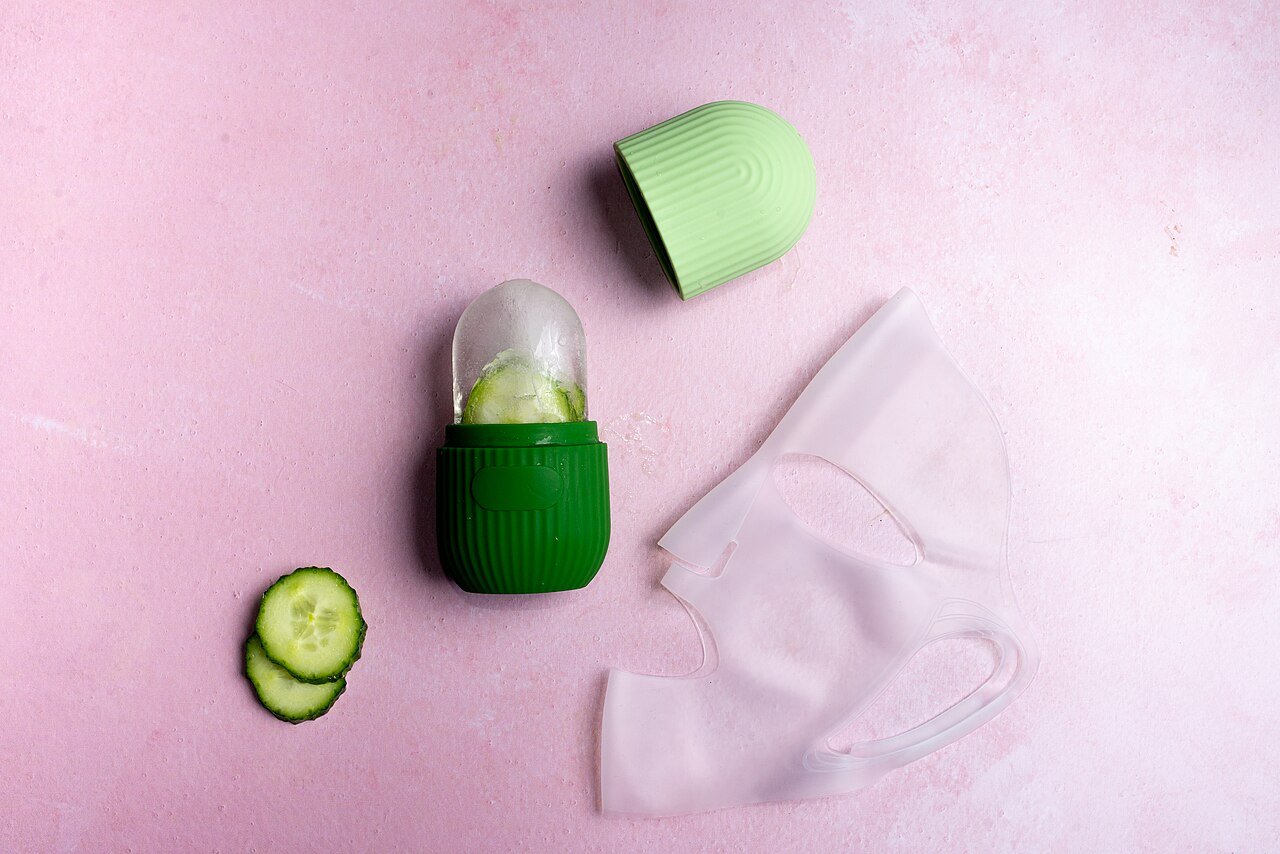
You know the moment. You catch your reflection in the bathroom mirror and your eyes look swollen, heavy, and tired, even though you slept through the night. Morning puffiness is one of the most common everyday beauty complaints, and the reassuring news is that it is usually harmless and simple to calm down at home.
Learning how to reduce puffy eyes in the morning naturally means you can skip expensive creams and harsh treatments. Most of the fixes below use things already sitting in your kitchen, take ten minutes or less, and work in the same two ways: gentle cold tightens the tiny blood vessels around the eyes, and light movement helps trapped fluid drain away from the delicate eye area.
Why Your Eyes Get Puffy Overnight
During sleep your body lies flat for hours, so fluid that gravity pulls downward during the day gets a chance to settle in loose tissue. The skin around the eyes is the thinnest on your whole body, which is why even a small amount of extra fluid shows up there first.
At the same time, your lymphatic system slows down while you sleep. This is the network that carries excess fluid away from tissues, so when it idles overnight, puffiness builds up instead of clearing. That is why eyes often look worst the moment you wake up and then improve on their own within an hour or two as you start moving around.
Several everyday habits make the problem worse. A salty dinner, a couple of alcoholic drinks, or crying before bed all encourage fluid retention. Poor sleep, seasonal allergies, and sleeping face down on a flat pillow add to the effect. None of this means anything is wrong with your health, but knowing the causes helps you pick the fixes that fit your situation.
How to Reduce Puffy Eyes in the Morning Naturally
Start at the top of this list the moment you wake up and work downward until your eyes look and feel normal again. Most people find that two or three of these steps are enough on an ordinary morning, while the full routine is worth it after a late night or a salty meal.
1. Start With a Cold Compress
A cold compress is the fastest single fix for morning puffiness. Soak a clean washcloth in cold water, wring it out, and fold it over your closed eyes for five to ten minutes. The cold narrows blood vessels and reduces swelling, much like an ice pack on a sprained ankle.
Keep a damp washcloth in a sealed bag in your refrigerator so it is ready the second you wake up. Do not use ice directly on the skin, since the eye area is too delicate for that level of cold. A bag of frozen peas wrapped in a thin towel works as a backup, because it molds to the shape of your face.
2. Try the Chilled Spoon Trick
Place two metal teaspoons in the refrigerator before bed. In the morning, press the rounded backs gently against the swollen area under each eye and hold for a minute or two, then move them in slow outward strokes toward your temples.
The steady cold constricts vessels while the light pressure nudges fluid toward the lymph nodes near your ears, where it drains away. It sounds almost too simple, yet makeup artists have used this trick backstage for years because it visibly firms the under eye area in minutes. Rinse the spoons and return them to the fridge if you want a second round.
3. Rest Cold Cucumber Slices on Closed Eyes
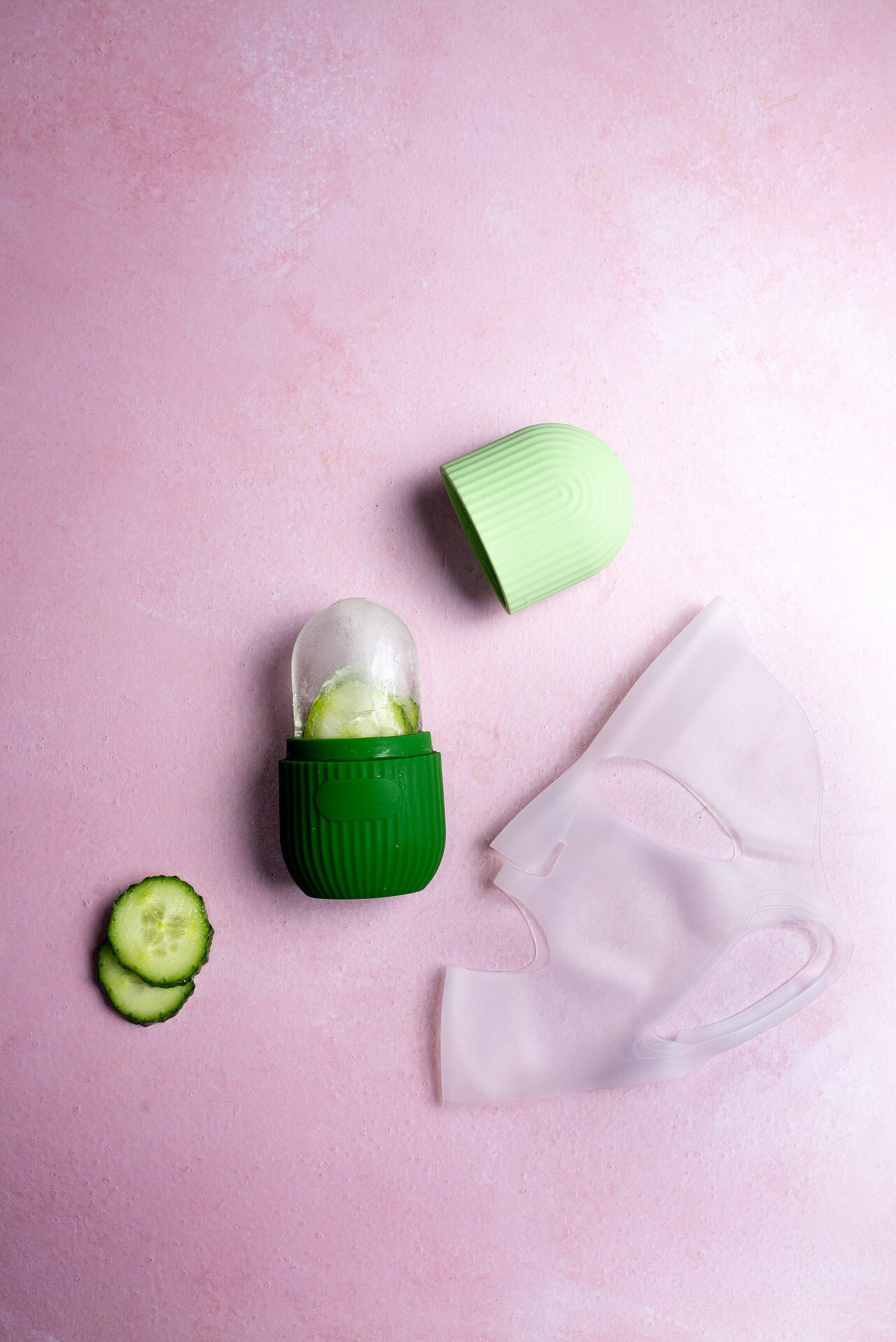
The classic spa treatment survives because it genuinely helps. Cucumbers are about 95 percent water, so a chilled slice delivers steady cooling, and they also contain vitamin C and caffeic acid, plant compounds with mild soothing properties for skin.
Cut two thick slices from a cold cucumber, lie back, and place one over each closed eye for ten to fifteen minutes. Slice them a little thicker than you think you need so they stay cool longer. When the slices warm up, the effect fades, so swap in fresh cold ones if your eyes are still puffy. Wash the cucumber first, and skip this remedy if you have any broken skin near the eyes.
4. Place Chilled Green or Black Tea Bags Over Your Eyes
Used tea bags are one of the best natural tools for puffy eyes. Both green and black tea contain caffeine, which temporarily tightens blood vessels, plus tannins that have a gentle firming effect on skin. The combination of cold plus caffeine is why so many expensive eye creams list caffeine as a main ingredient.
Steep two tea bags as you normally would, then squeeze out the extra liquid and chill them in the refrigerator for at least fifteen minutes. Lie down, close your eyes, and rest one bag over each eye for ten to fifteen minutes. Use bags without staples, and make sure they have cooled fully before they touch your skin. Rinse your face with cool water afterward to remove any tea residue.

5. Massage Gently From the Inner Corner Outward
Light massage wakes up the sluggish lymphatic drainage around the eyes. Using your ring fingers, which naturally press more lightly than your index fingers, tap gently along the under eye area starting at the inner corner near your nose and moving outward toward your temples.
Follow with slow, feather light sweeping strokes in the same direction, repeating for about a minute on each side. Some people prefer a chilled jade roller or a cold metal eye roller for the same motion. Never drag or pull the skin, and stop if anything feels sore. Done daily, this small ritual also helps prevent puffiness from building up in the first place.
6. Rinse Your Face With Cool Water
Before anything else, splash your face several times with cool water. It sounds basic, but the sudden cool temperature kick starts circulation and signals your body to move fluid along. It also washes away the crusty buildup that collects on lashes overnight, which can add to that heavy eyed feeling.
Keep the water cool rather than ice cold, and pat your skin dry with a soft towel instead of rubbing. If your tap water runs warm in summer, fill a clean bowl with cool water the night before and keep it by the sink, or add a few ice cubes and wait a minute before splashing.
7. Sleep With Your Head Slightly Raised Tonight
Prevention beats treatment, and this is the easiest preventive habit of all. Sleeping with your head raised on an extra pillow, or on a wedge pillow, lets gravity help fluid drain away from your face instead of pooling around your eyes.
You do not need to sleep sitting upright. Even a few extra inches of elevation makes a noticeable difference by morning. A bed that stays comfortable through the night helps too, since tossing and turning breaks up the deep sleep your body needs to regulate fluid properly. If your fitted sheet slides off and bunches under you, here is how to stop a fitted sheet from coming off the mattress so your sleep stays unbroken.
8. Eat Less Salt and Skip the Late Night Drink
What you eat and drink in the evening shows up on your face the next morning. Salty foods cause your body to hold on to water, and alcohol disrupts sleep quality while also dehydrating you, a combination that practically guarantees puffy eyes.
You do not need to give up flavor. Just go lighter on very salty snacks, takeout, and processed foods after dinner, and drink a glass of water between alcoholic drinks if you have any. Most people notice a visible improvement within two or three mornings of making this one change, which makes it the highest impact habit on this list.
9. Drink Steady Water Through the Day
It feels backward, but drinking more water helps your body hold on to less of it. When you are even mildly dehydrated, your body clings to every drop, and the eye area shows it. Sipping water steadily through the day keeps your fluid balance even so there is less excess to pool overnight.
Aim for regular glasses spread across the day rather than a huge amount right before bed, which can have the opposite effect. Herbal tea counts too, and cutting back on sugary sodas helps because excess sugar can also encourage fluid retention. Keep a water bottle at your desk as a simple reminder.

What to Avoid When Your Eyes Are Puffy
A few common habits make puffiness worse, so skip them on mornings when your eyes are swollen. Do not rub your eyes, since rubbing irritates the thin skin and triggers more swelling. Avoid washing with hot water, which increases blood flow to the area and adds to the puffiness you are trying to reduce.
Go easy on heavy fragranced creams around the eyes, because fragrance is a common irritant for delicate skin. If you wear makeup, apply concealer gently with a patting motion rather than dragging it across swollen skin, and consider skipping heavy eyeliner on very puffy days since it draws attention to the area. Finally, do not press hard with any tool or massage technique. The eye area responds to gentleness, not force.
When Puffy Eyes Need a Doctor
Ordinary morning puffiness fades within an hour or two and responds to the fixes above. See a doctor or eye specialist if swelling is severe, painful, or lasts all day without improving. The same applies if only one eye swells suddenly, if your vision changes, or if puffiness comes with redness, itching, or discharge that suggests infection or allergy.
Swelling that spreads to your whole face, or puffiness paired with unexplained weight gain and fatigue, can occasionally signal thyroid or kidney issues worth checking. These situations are uncommon, but persistent symptoms deserve professional attention rather than home remedies. If watering is your main problem rather than swelling, read our guide on why eyes water and how to stop it to tell the two apart.
The Bottom Line
Figuring out how to reduce puffy eyes in the morning naturally comes down to a simple formula: cool the area, help fluid drain, and fix the evening habits that cause the buildup. A cold compress or chilled spoons handle the immediate swelling, cucumber slices or tea bags add a soothing treatment, and elevated sleep plus lighter evening salt prevent most of it from returning.
Keep your routine realistic. Two or three of these fixes each morning will handle ordinary puffiness, and none of them cost more than a few cents. Your eyes will look brighter, you will feel more awake, and you will never again have to wonder what to do when the mirror surprises you at seven in the morning.
Frequently Asked Questions
Is it normal to have puffy eyes every morning?
Yes, mild puffiness on waking is completely normal. Fluid settles around the eyes overnight because you are lying flat and your lymphatic drainage slows during sleep. It should fade within an hour or two of getting up. If it does not, look at your salt intake, sleep quality, and allergies.
How long does morning eye puffiness usually last?
For most people it peaks right after waking and visibly improves within 30 to 60 minutes as movement restarts circulation and drainage. Cold compresses, gentle massage, and cool water can shorten that window to about ten or fifteen minutes.
Do cold spoons really work for puffy eyes?
Yes. The cold constricts blood vessels which reduces swelling, and the smooth rounded shape lets you apply light pressure that guides trapped fluid toward the lymph nodes near your temples. It is a simple remedy, but the mechanism behind it is sound.
Can lack of sleep cause puffy eyes?
Absolutely. Poor sleep raises stress hormones and impairs the fluid regulation that keeps swelling down, while also weakening lymphatic drainage. Aim for seven to nine hours of steady sleep, and try the elevated pillow trick to help fluid drain overnight.
Which is better for puffy eyes, cucumber or tea bags?
Both work well and you can alternate them. Cucumber gives longer lasting cooling because of its high water content, while tea bags add caffeine and tannins that temporarily tighten vessels and firm the skin. If you only pick one, chilled caffeinated tea bags tend to give the more visible result.
