
Picking the right hat feels like a small decision until you are three miles into an exposed ridgeline with the sun beating down on your neck and no shade in sight. The best hiking hats do more than complete your outdoor outfit. They protect your skin, regulate your body temperature, and can genuinely change how enjoyable a hike feels from start to finish.
Whether you are training for a thru hike, taking the family out for a weekend trail, or simply tired of sunburned ears, this guide walks you through everything you need to choose a hat that actually works for your body, your climate, and your style of hiking.
Why Your Hiking Hat Matters More Than You Think
Most hikers spend hours researching boots and backpacks, then grab whatever cap is sitting by the front door. That is a mistake. Your head and face are among the most exposed parts of your body on the trail, and the skin around your eyes, ears, and neck is thin and easily damaged by prolonged sun exposure.
A well chosen hat also helps with temperature regulation. Mesh panels and ventilated crowns let heat escape, which keeps you cooler on climbs and reduces the sweat dripping into your eyes. On the flip side, a warm beanie or fleece hat can prevent significant heat loss during cold weather hikes, since a large portion of body heat escapes through the head.
In short, the best hiking hats are functional gear, not just an accessory. They belong on the same priority list as your socks and your water bottle.
Types of Hiking Hats and When to Wear Each One
Not every hat suits every trail. Understanding the main categories helps you match the right style to your hiking conditions instead of guessing.
Wide Brim Sun Hats
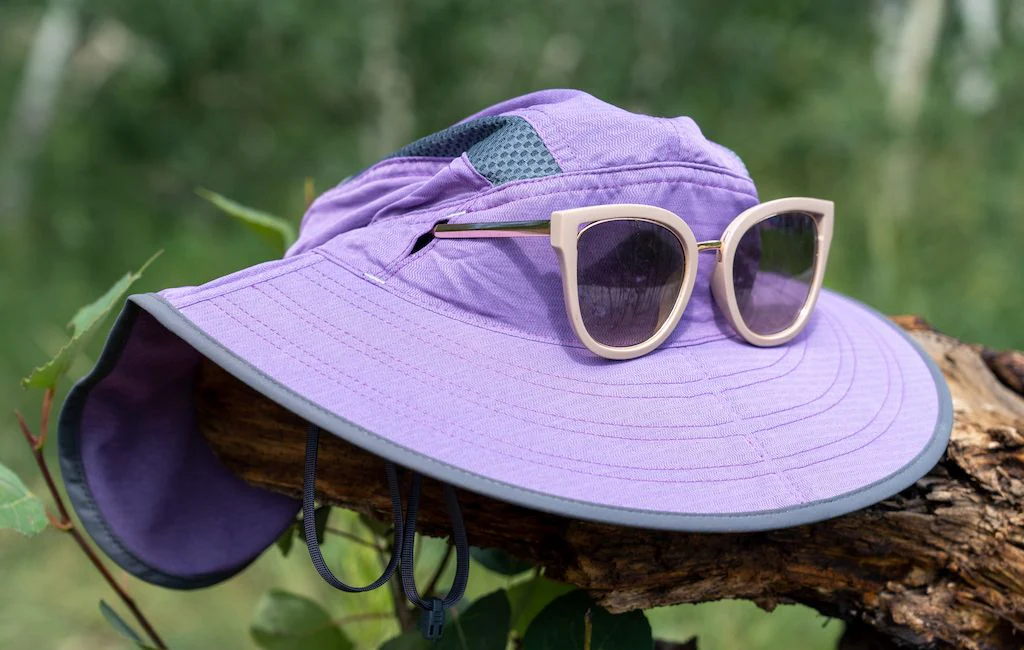
Wide brim hats offer 360 degree coverage around the head, shading your face, ears, and the back of your neck. These are ideal for exposed terrain like deserts, alpine ridgelines, or coastal trails where there is little natural shade.
The tradeoff is that wide brims can catch wind and feel bulky when packed. Many modern versions include a chin cord and a stiffened brim to reduce flopping in gusty conditions.
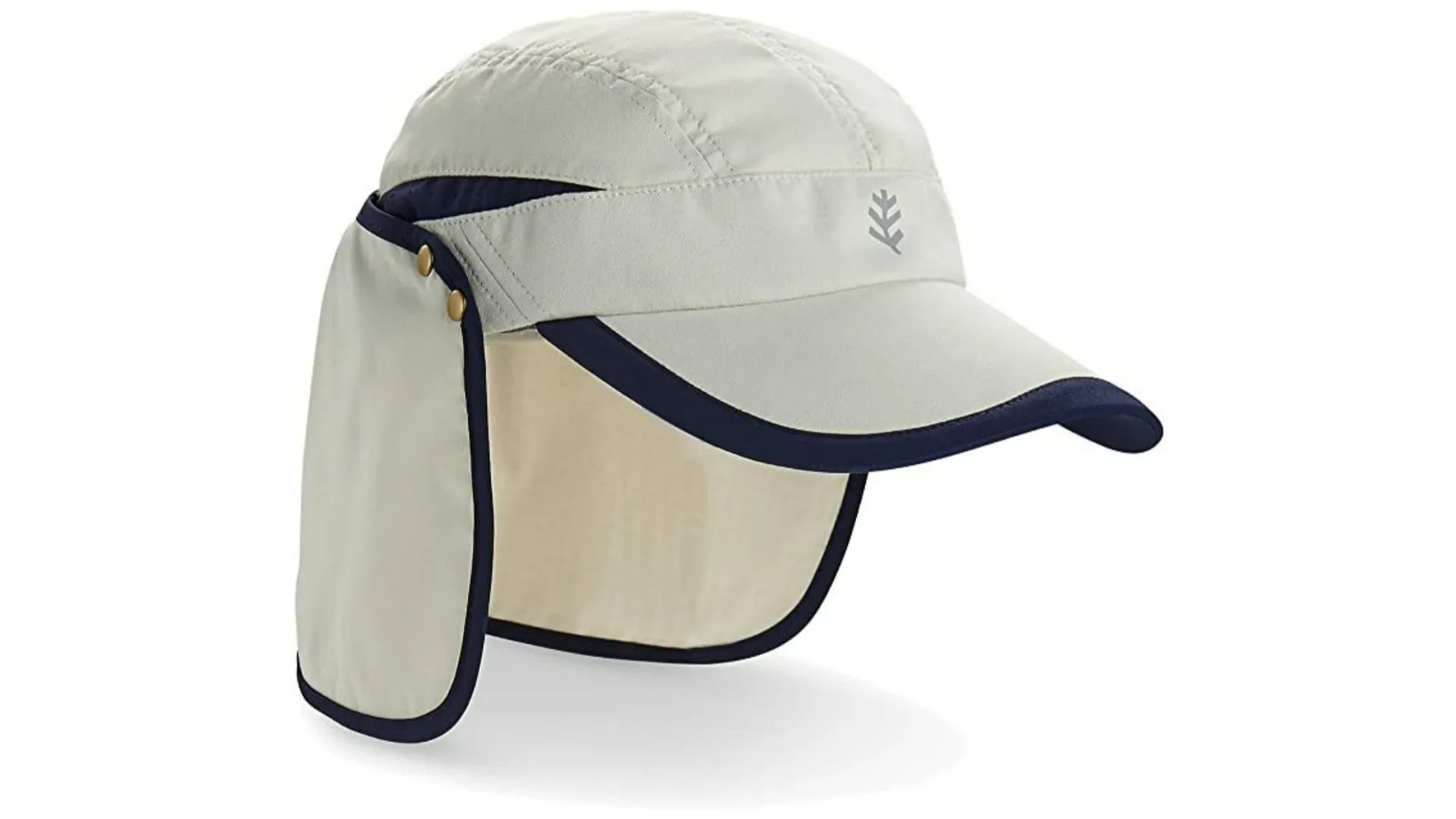
Caped Hats
Caped hats look like a standard cap with an extra piece of fabric draping down the back to shield your neck. They provide strong sun protection without the wind resistance of a full brim, which makes them a popular choice among long distance hikers and trail runners.
Some caped hats have a removable cape, giving you the flexibility to switch between full coverage and a simple ballcap depending on the weather.
Classic Ballcaps
Ballcaps are the most familiar and versatile option. They shield your eyes and forehead, pair well with sunglasses, and rarely feel awkward in town or on the trail. Their downside is minimal neck and ear protection, so hikers often pair them with sunscreen or a buff for exposed sections.
Boonie and Bucket Hats
Boonie hats, originally popularized by military use, have a soft floppy brim that circles the entire head. Bucket hats offer a similar silhouette with a more casual, packable design. Both styles are breathable, lightweight, and easy to stuff into a daypack when not in use.
Beanies and Fleece Hats
For cold weather hiking, a lightweight beanie or fleece hat is essential. Materials like merino wool, alpaca blends, and technical fleeces such as Polartec Alpha Direct offer excellent warmth without adding much weight to your pack.
Balaclavas and Neck Gaiters
For winter conditions or high altitude trips with wind chill, a balaclava or neck gaiter adds another layer of defense. These pieces protect the face and neck from cold wind and can be pulled up or down as conditions change throughout the day.
What to Look for in the Best Hiking Hats
Once you know which style fits your hiking style, a few key features separate a great hat from a mediocre one.
Breathability. Mesh panels along the crown or sides allow heat and moisture to escape, keeping your head cooler during climbs and high output sections.
Moisture wicking sweatbands. A built in sweatband pulls perspiration away from your forehead, which helps prevent stinging eyes and keeps sunglasses from fogging or slipping.
Adjustability. Look for an internal drawcord, hook and loop strap, or elastic band that lets you fine tune the fit, especially if you plan to wear the hat with a buff or beanie underneath during colder months.
Packability. A hat that folds flat or crushes down without losing its shape is far more convenient for backpacking trips where every ounce and every inch of pack space counts.
Durability. Ripstop nylon and reinforced stitching hold up better to repeated folding, sun exposure, and rough handling than cheaper cotton blends.
Water resistance. Many technical hats include a durable water repellent finish, which helps in light rain or when hiking through morning dew and low hanging brush.
Understanding UPF Ratings and Sun Protection
You will see the letters UPF on nearly every technical hiking hat, and understanding what this rating actually means helps you make a smarter purchase.
UPF stands for Ultraviolet Protection Factor, and it measures how much of the sun’s ultraviolet radiation a fabric blocks. A hat rated UPF 30 blocks about 96.7 percent of UV rays, while a UPF 50 rating blocks approximately 98 percent. Anything above UPF 50 is generally labeled UPF 50 plus, since regulatory testing caps at that number.
For context, a plain cotton t shirt typically offers a UPF rating of around 5, which is why dedicated sun protective fabrics make such a noticeable difference on long, exposed hikes.
Sun exposure is not limited to direct rays either. Reflection off snow, water, sand, and light colored rock can increase your overall UV exposure significantly, which is worth remembering if you hike near alpine lakes, coastal trails, or winter snowfields. A hat with a darker underside brim can also help reduce glare in these environments, since lighter colored fabric tends to bounce more light back into your eyes.
If you are hiking at higher elevations, keep in mind that UV intensity increases with altitude. Roughly every 1,000 meters of elevation gain increases UV exposure by about 10 to 12 percent, making sun protective headwear even more important on mountain trails.
Choosing a Hat by Season and Climate
The best hiking hat for a summer desert trek is rarely the best choice for a winter alpine hike. Matching your headwear to the season keeps you comfortable and protected in a way that a single all purpose hat cannot always achieve.
Hot and Sunny Climates
Prioritize wide brim or caped hats with high UPF ratings, mesh ventilation, and light colors that reflect rather than absorb heat. Desert and high altitude hikers especially benefit from full coverage styles that protect the ears and neck.
Humid and Forested Trails
In humid climates, breathability becomes more important than maximum coverage. A ballcap or lightweight boonie hat with strong mesh ventilation helps manage sweat without overheating your scalp under a dense canopy.
Cold and Alpine Conditions
Swap sun protection for insulation. A wool or fleece beanie, paired with a hood or balaclava for wind protection, keeps core body heat from escaping through your head during winter hikes or early morning starts in the mountains.
Rainy or Coastal Trails
Look for hats with a durable water repellent coating and a slightly stiffer brim that channels water away from your face rather than letting it pool and drip. A waterproof rain jacket hood can supplement coverage on particularly wet days.
Fit and Sizing: Getting It Right the First Time
A hat that is too loose will blow off in the wind, while one that is too tight can cause headaches on longer hikes. Most brands size hats using head circumference, so it is worth measuring your head with a soft tape measure just above your eyebrows and ears before buying.
Many technical hiking hats include an adjustable strap, drawcord, or hook and loop closure, which gives you some flexibility even if you fall between standard sizes. If you plan to wear a buff, beanie, or hood underneath your hat during colder trips, consider sizing up slightly or choosing a hat with generous adjustability built in.
Caring for Your Hiking Hat
Proper care extends the life of your hat and preserves the effectiveness of its sun protective coating. Most technical hats can be hand washed with mild soap and cool water, then air dried away from direct heat, which helps prevent the UPF treatment and fabric structure from breaking down prematurely.
Avoid tossing UPF rated hats in the dryer, since high heat can degrade the protective finish over time. If your hat has a stiffened brim, reshape it gently while damp and let it air dry flat or on a rounded surface to help it hold its form.
For wool or fleece winter hats, a gentle wool detergent and a flat drying method will help maintain softness and prevent shrinkage.
Common Mistakes Hikers Make With Headwear
Even experienced hikers fall into a few avoidable habits when it comes to choosing and using hats on the trail.
- Relying on a hat alone for sun protection instead of pairing it with sunscreen on exposed skin like the nose, lips, and ears.
- Choosing style over function, which often means sacrificing UPF protection or ventilation for a look that does not hold up on longer trips.
- Packing only one hat for a multi day trip, even when temperatures and conditions are expected to shift significantly.
- Ignoring proper fit, which leads to a hat that constantly needs readjusting or blows away in windy sections.
- Skipping neck protection entirely by wearing a plain ballcap on fully exposed trails where a caped hat or buff would offer far better coverage.
Final Thoughts
Finding the best hiking hats comes down to matching the hat to your environment, your hiking style, and your personal comfort preferences. A wide brim sun hat suits exposed desert trails, a caped cap works well for long distance hikers who want strong coverage without excess wind resistance, and a warm beanie or balaclava becomes essential once temperatures drop.
Pay attention to UPF ratings, breathability, fit, and packability, and think seasonally rather than searching for a single hat to handle every condition. A little research now saves you from sunburned ears, overheating, or a hat that ends up buried at the bottom of your pack unused.
Whatever trail you are heading out on next, the right hat on your head is one small piece of gear that makes a noticeably bigger difference than most hikers expect.
Frequently Asked Questions
What is the best type of hiking hat for sun protection?
Wide brim sun hats and caped hats generally offer the most complete sun protection, since they shield the face, ears, and neck rather than just the top of the head and forehead.
Do I really need a UPF rated hat, or will any hat work?
A UPF rated hat blocks significantly more ultraviolet radiation than a standard cotton cap, which typically offers minimal sun protection. For long or high altitude hikes, a UPF rated hat is a worthwhile investment.
How do I know what size hiking hat to buy?
Measure your head circumference just above your eyebrows and ears using a soft tape measure, then compare that measurement to the brand’s sizing chart. Many hats also include adjustable straps for a more precise fit.
Can I wear a beanie and a sun hat on the same trip?
Yes, and many experienced hikers pack both. Temperatures and sun exposure can change quickly, especially at higher elevations or during early morning starts, so having both options covers a wider range of conditions.
How often should I replace my hiking hat?
There is no strict timeline, but watch for fading fabric, a stretched or loose fit, or a brim that no longer holds its shape. These signs typically mean the UPF protection and structural integrity have started to break down.
