
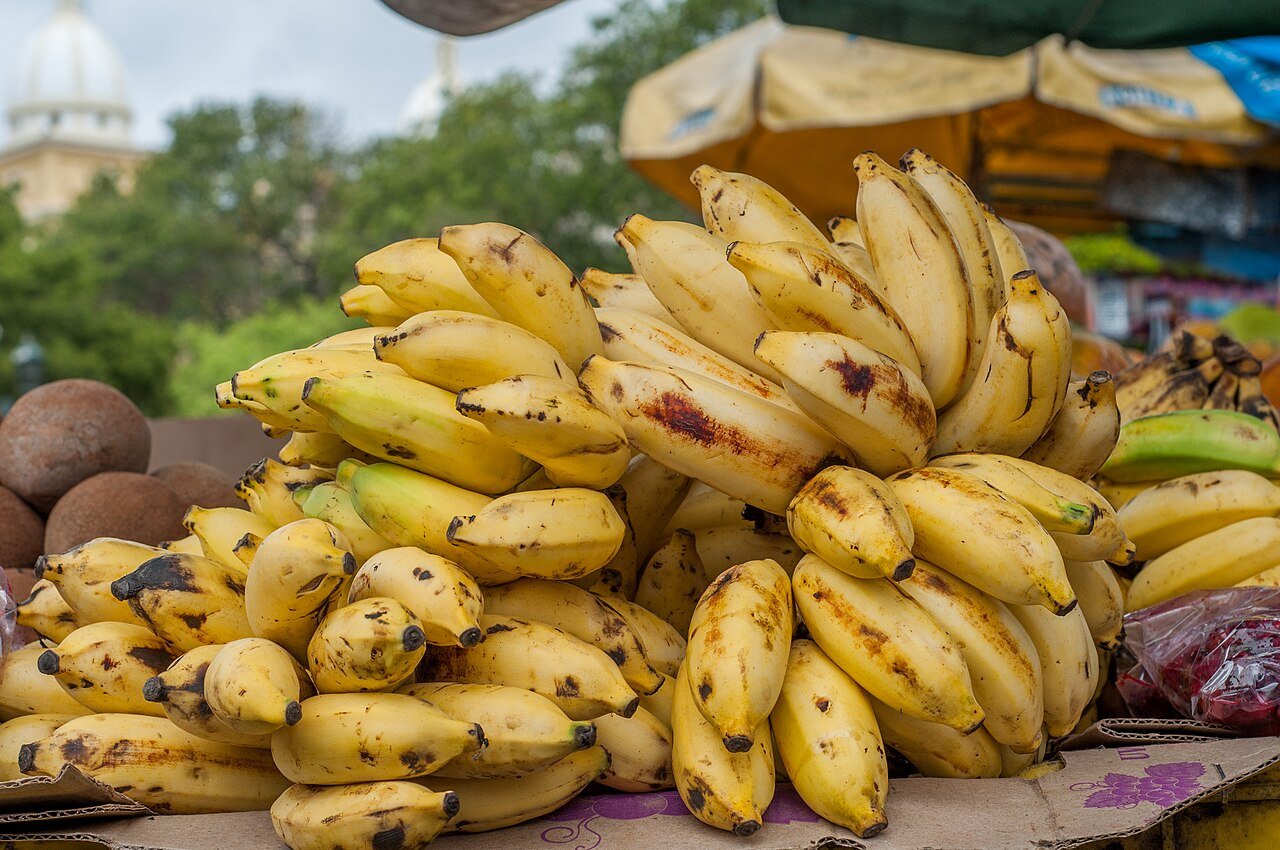
You buy a beautiful bunch of bananas on Monday morning. By Wednesday they are covered in brown spots. By Friday the whole bunch smells like a smoothie shop and the fruit flies have moved in. If you want to learn how to keep bananas fresh longer in summer, you are not alone. Heat speeds up everything about banana ripening, and most of us are making it worse without knowing.
Bananas are one of the biggest producers of ethylene gas, the natural plant hormone that tells fruit to ripen. In warm weather that process runs at double speed. The good news is that a few simple storage tricks can add several days to your bananas, sometimes a full week. This guide explains why bananas turn so fast in summer and gives you nine methods that actually work.
Why Heat Makes Bananas Ripen Twice as Fast
A banana keeps breathing after it is picked. It gives off ethylene gas through its stem, and that gas converts starches into sugars, softens the flesh, and changes the peel from green to yellow to brown. Warm air makes every step of this chemistry run faster. A bunch that lasts six days on the counter in cool weather can go from firm to mushy in two or three days when the kitchen is hot.
Humidity adds a second problem. Moisture on the peel encourages tiny dark spots to spread, and overripe fruit gives off a sweet fermented smell that attracts fruit flies from surprisingly far away. The heat does not just ripen the bananas faster. It also makes every mistake in how you store them more costly.
Here is the key point most guides skip. The majority of a banana’s ethylene escapes through the stem, not through the peel. That single fact is behind the most effective storage trick in this whole guide. Understanding it helps you see why wrapping, hanging, and separating bananas works better than any special product. The same ripening gas can even speed up other fruit in your bowl, which is why the same ethylene trick speeds up persimmon ripening when you want fruit to ripen faster instead.
How to Keep Bananas Fresh Longer in Summer: 9 Methods That Work
These methods work on their own, but they work best in combination. Start with the first three for the biggest effect, then add the rest to match how hot your kitchen gets and how quickly your household eats through a bunch.
1. Wrap the Stems to Trap the Ripening Gas
This is the single most effective trick. Cover the stem end of the bunch tightly with cling film, aluminium foil, or a beeswax wrap. Because most ethylene escapes through the stem, wrapping it keeps the gas from reaching the fruit and the air around it. Many people find this adds three to five days of freshness in summer.
Wrap the whole bunch stem first. Then, as you pull bananas off to eat them, rewrap the newly exposed stem. The wrap does not need to be fancy. A small square of cling film pressed firmly around the cut end does the job. Just make sure it is snug, because loose wrapping lets the gas leak out.
2. Separate the Bunch as You Eat
Bananas in a tight bunch ripen each other. The ethylene released by one banana washes over its neighbours, so the whole bunch moves at the speed of the ripest fruit. Pulling individual bananas away from the bunch as you eat them slows the chain reaction for the fruit that remains.
This works especially well combined with the stem wrap. Every time you separate a banana, you create a fresh cut end on the bunch. Wrap that end again right away. It takes ten seconds and it is one of the highest return habits in this guide.
3. Hang Bananas Instead of Laying Them Down
Laying bananas in a bowl puts pressure on the bottom of the fruit. Those pressure points bruise, and bruised spots ripen faster than the rest of the banana. Hanging the bunch on a banana hook, a mug tree, or even a sturdy string under a cabinet lets air circulate all the way around each fruit and removes the pressure entirely.
Hanging also keeps bananas away from the flat surfaces where moisture collects on hot days. If you do not own a banana hanger, any clean hook in a cool spot works. Just avoid hanging them right above the stove or in direct sun from a window, because heat and light undo the benefit.
4. Keep Them Away From Other Fruit
Bananas are generous with their ethylene, and nearby fruit pays the price. Apples, avocados, pears, mangoes, and tomatoes all release ethylene too, so a mixed fruit bowl becomes a small ripening chamber where everything speeds everything else up. Give your bananas their own spot on the counter, away from the rest of your produce.
This separation works both ways. If you ever buy green bananas and want them ripe by the weekend, place one in a paper bag with an apple overnight. The shared ethylene does the job. But for everyday summer storage, distance is your friend.
5. Find the Coolest Spot in Your Kitchen
Heat is the enemy, so location matters. The counter next to the oven, the windowsill in afternoon sun, and the top of the fridge where warm air rises are the three worst places for bananas in summer. Look for a shaded corner with good airflow instead. A pantry shelf, a north facing counter, or a cool dining room table can be several degrees cooler than the spot beside the stove.
Avoid putting the bunch in a sealed plastic bag or a closed drawer. Trapped air around bananas holds in both heat and ethylene, which is the exact opposite of what you want. Open air in a cool spot beats any container.
6. Buy at the Right Stage of Ripeness
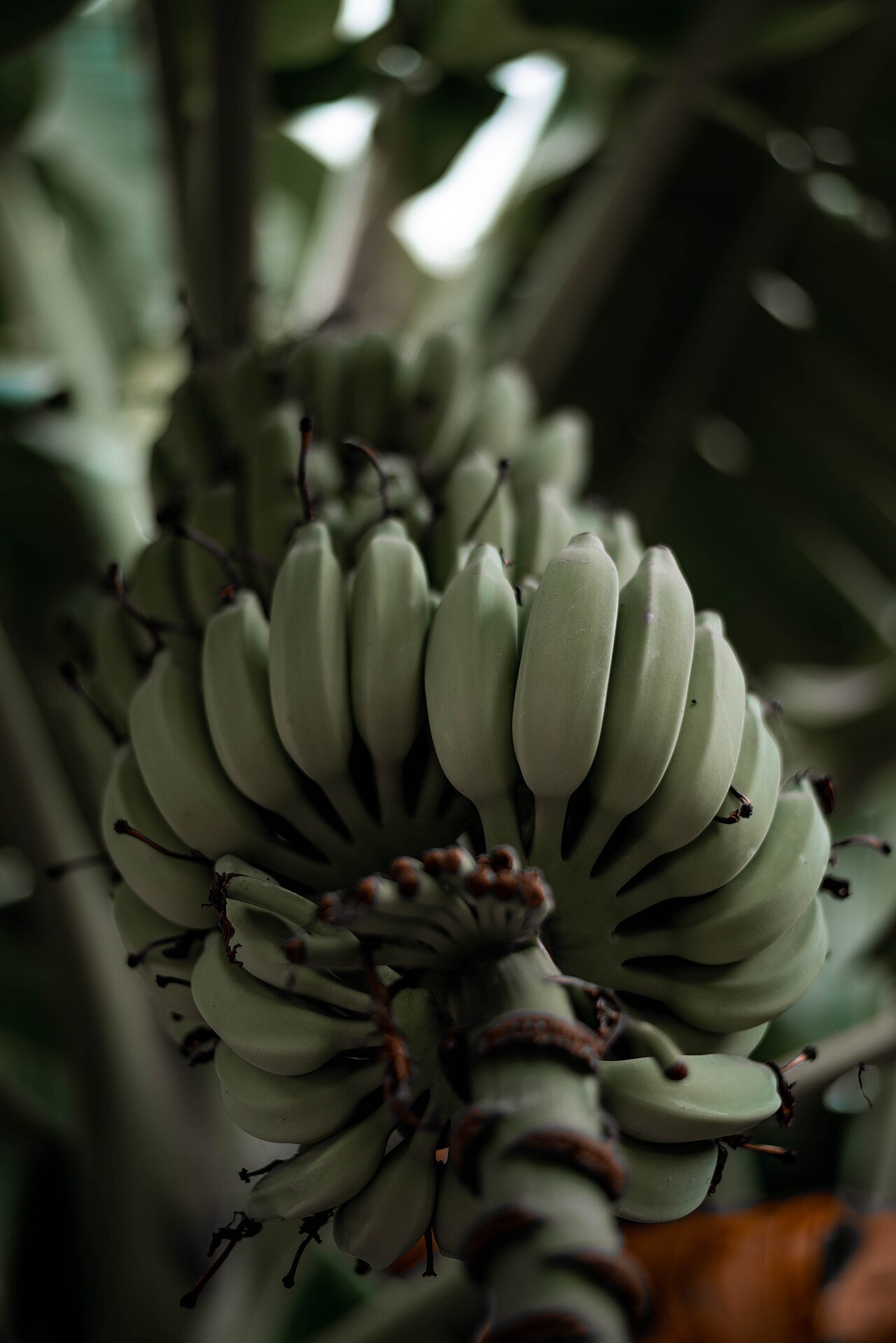
The clock starts ticking before you even bring bananas home. In summer, buy bananas a little greener than you think you need. Slightly green tipped bananas will reach perfect yellow in a day or two of warm weather, while fully yellow bananas may only give you a day before the spots take over.
If your household eats a lot of bananas, buy two bunches at different stages. Eat the riper bunch first and let the greener one catch up. This simple shopping habit does more for summer banana freshness than most storage gadgets sold online.
7. Refrigerate Only When Fully Ripe
Cold slows ripening dramatically, but it comes with a trade off. Banana peels turn dark brown or even black in the fridge, which looks alarming even though the fruit inside stays fine for several more days. The trick is timing. Only refrigerate bananas once they are exactly as ripe as you like them.
Never refrigerate green bananas. The cold damages the ripening process permanently and they may never develop proper flavour or texture. Once the bananas are perfectly yellow with a few sugar spots, move them to the fridge and they will hold at that stage for three to five extra days. The peel will darken, but the inside stays creamy and sweet.
8. Freeze Extras Before They Turn
When you can see that the bunch will outrun your appetite, freeze the surplus. Peel the bananas first, because frozen peels are nearly impossible to remove. Slice them into coins, spread the slices on a tray lined with baking paper, and freeze until solid. Then transfer the pieces to a freezer bag.
Frozen banana slices keep for about three months and go straight into smoothies, milkshakes, or a quick one ingredient banana ice cream. The texture changes after freezing, so they are best for blended or cooked uses rather than eating plain. Just like sliced apples brown quickly once cut, banana slices darken fast, so work quickly and freeze them the same day you slice them.
9. Stop the Fruit Flies Before They Start
Overripe bananas in summer attract fruit flies fast, and once the flies arrive they make the whole kitchen feel unclean. Prevention is simple. Keep a small bowl of apple cider vinegar with a drop of washing up liquid near the fruit as a trap, take out the kitchen bin more often in hot weather, and wipe up any banana drips or sticky spots on the counter right away.
The best prevention is still the storage itself. Bananas that stay yellow longer give off far less of the sweet fermented smell that draws flies in the first place. Every method in this guide doubles as a fruit fly strategy.
What to Do When Bananas Ripen Anyway
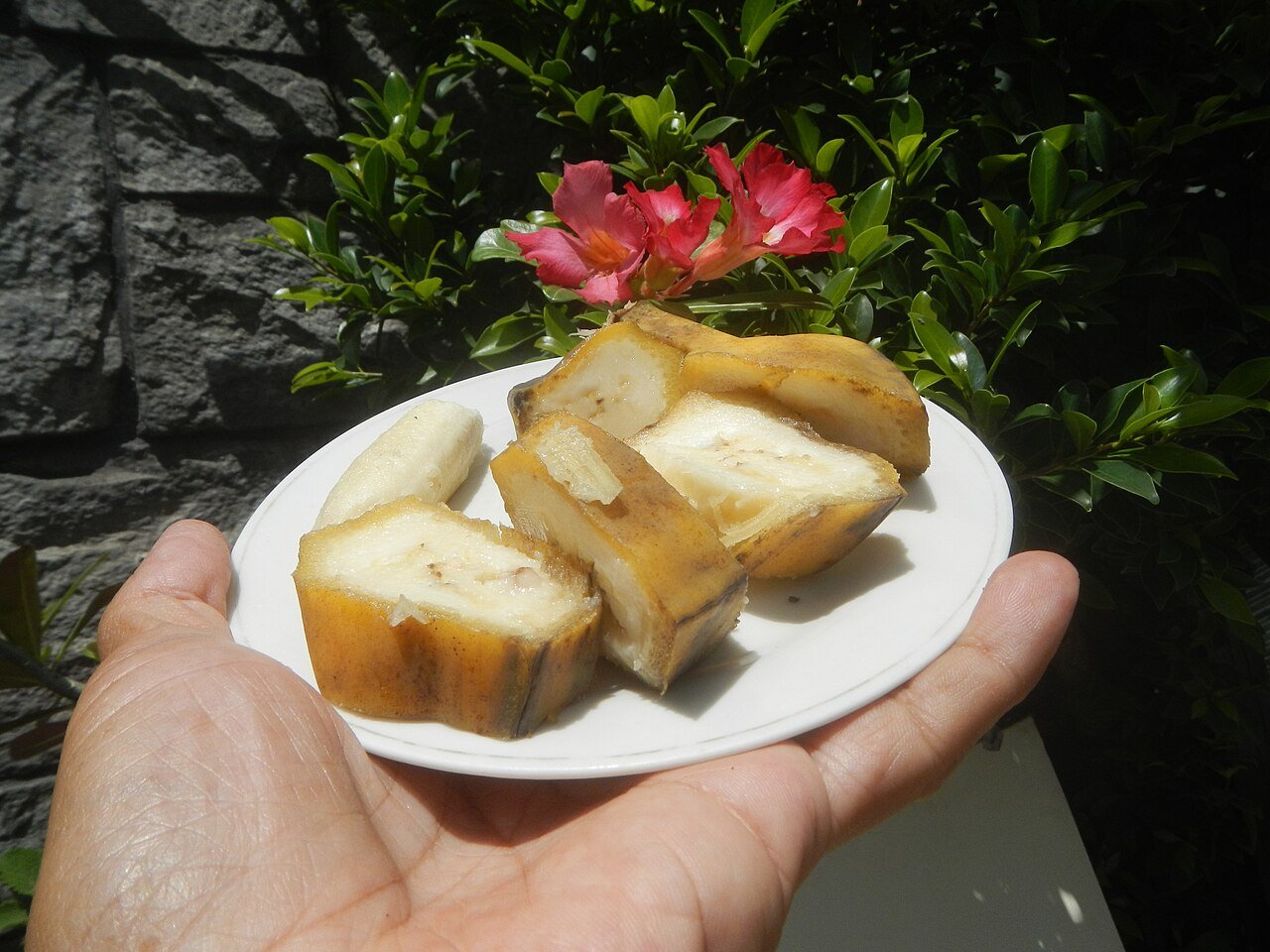
Even with perfect storage, summer heat wins sometimes. Brown spotted bananas are not ruined. In fact, the riper a banana gets, the sweeter and more flavourful it becomes. That is why bakers prize overripe bananas. The starches have fully converted to sugar, which makes them ideal for banana bread, muffins, and pancakes.
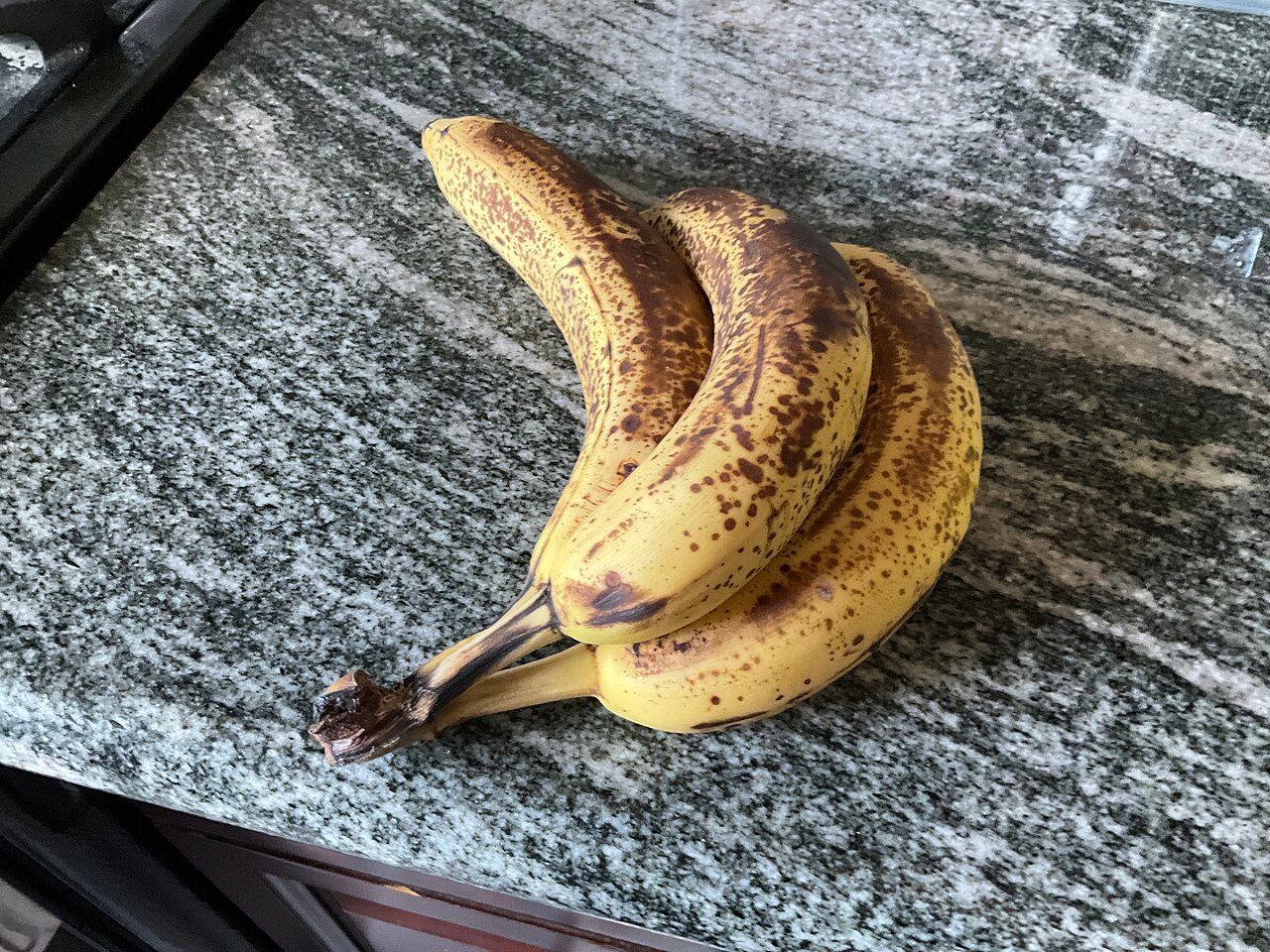
If you cannot bake right away, mash the overripe bananas and freeze the mash in portions. It thaws into a perfect banana bread batter base. You can also blend a frozen overripe banana with a spoonful of cocoa for a dessert that tastes surprisingly rich. The one time to throw a banana away is when the peel is black all over and the fruit smells like alcohol or feels liquid inside. That is fermentation, not ripeness.
Mistakes That Shorten Banana Life in Summer
Avoid these common errors and your bananas will last noticeably longer. First, do not store bananas in a sealed plastic bag. The trapped ethylene turns the bag into a ripening chamber. Second, do not pile heavy fruit on top of them. Bruises become brown mush in hours when it is hot. Third, do not leave the bunch in direct sunlight, even for part of the day. A sunny windowsill can be ten degrees hotter than the rest of the kitchen.
Fourth, resist the urge to wash bananas before storing them. Surface moisture encourages spots and mould on the peel. And fifth, do not buy more than your household can eat in four or five days during a heatwave unless you plan to freeze the extras. Matching your shopping to your appetite is the most underrated freshness trick of all.
Conclusion: Small Habits Keep Bananas Fresh Longer in Summer
Learning how to keep bananas fresh longer in summer comes down to controlling ethylene, heat, and airflow. Wrap the stems, separate the bunch, hang the fruit in a cool spot, keep it away from other produce, and freeze what you cannot eat in time. None of these steps takes more than a minute, and together they can stretch a summer bunch from two days of freshness to a full week.
Start with the stem wrap tonight on whatever bananas you have at home. It is the fastest win in the whole list, and once you see the difference it makes, the rest of the habits follow naturally. Your bananas stay yellow, the fruit flies stay away, and far less good fruit ends up in the bin.
Frequently Asked Questions
Why do bananas ripen faster in summer?
Warm air speeds up the chemical reactions behind ripening. Bananas release ethylene gas that converts starches to sugars, and heat makes this process run much faster. A bunch that lasts nearly a week in cool weather can ripen in two or three days in a hot kitchen.
Should I put bananas in the fridge in summer?
Only once they are fully ripe. The fridge slows further ripening for several days, but the peel will turn dark brown. Never refrigerate green bananas, because the cold permanently damages their ability to ripen properly.
Does wrapping the banana stems really work?
Yes. Most of a banana’s ethylene gas escapes through the stem, so wrapping it tightly with cling film or foil traps the gas and slows ripening for the whole bunch. Rewrap the stem each time you remove a banana for the best effect.
How long do bananas last at room temperature in summer?
Typically two to six days depending on how ripe they were when bought and how hot the kitchen is. Using the stem wrap, hanging, and cool spot methods in this guide can push that toward the longer end of the range and beyond.
What can I do with bananas that turned too ripe?
Use them for banana bread, muffins, pancakes, or smoothies, where extra sweetness is an advantage. You can also peel, slice, and freeze them for up to three months. Throw them away only if the fruit smells fermented or feels liquid inside.
