
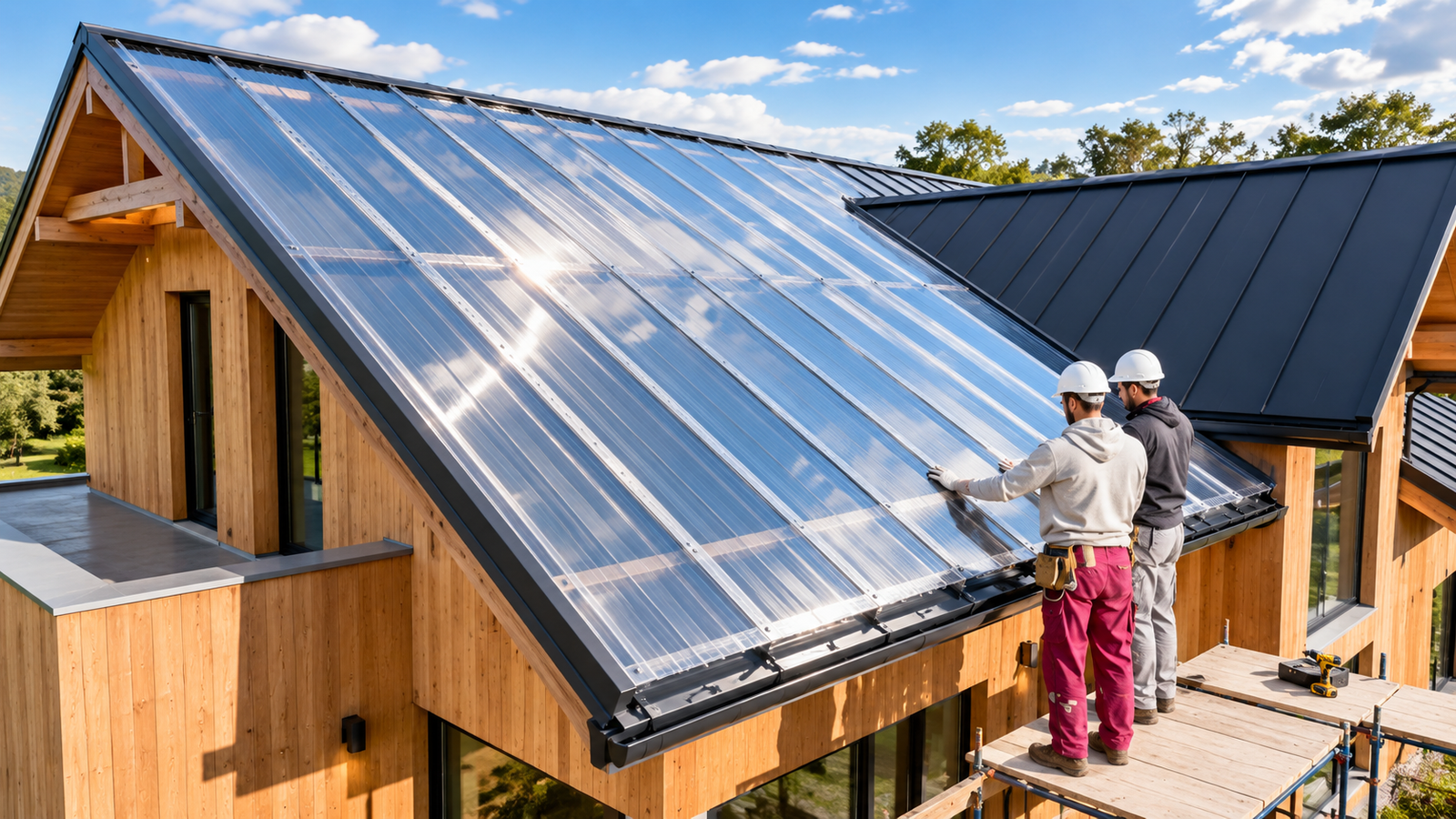
Choosing the right roofing material for a patio, greenhouse, or pergola can feel more complicated than it should be. If you have started researching clear roof panels, you have probably noticed that most of what shows up online is a product listing rather than an actual explanation of what you are buying.
This guide fills that gap. Instead of pushing a single brand or product line, it walks you through everything you need to know before you buy: the materials available, how to choose the right thickness and size, what installation actually involves, and how to make sure your panels last for years instead of fading or cracking within a season.
Whether you are covering a carport, building a greenhouse, or adding natural light to a shed, this article will help you make a confident, informed decision.
What Are Clear Roof Panels
Clear roof panels are transparent or translucent sheets used to cover outdoor structures while still allowing sunlight to pass through. They are typically made from polycarbonate, PVC, or fiberglass, and they are designed to replace traditional opaque roofing in areas where natural light is a priority.
You will most often see them used on patios, pergolas, carports, greenhouses, sunrooms, walkways, and skylights. Unlike glass, these panels are lightweight, flexible enough to install without heavy equipment, and far more resistant to impact.
The appeal is simple. You get weather protection and daylight at the same time, something that solid roofing materials simply cannot offer.
Why Homeowners Choose Clear Roof Panels
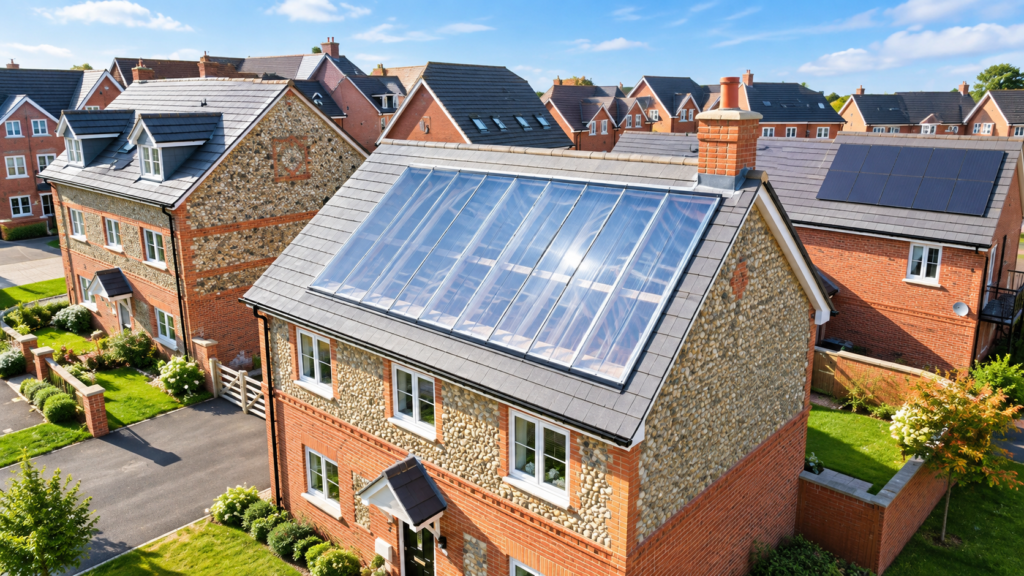
There are a few clear reasons this category has grown so popular over the past decade.
- Natural light without exposed structures. You can cover a deck or patio without making it feel closed in.
- Lower cost than glass. Clear roof panels deliver a similar aesthetic at a fraction of the price and weight.
- Easier installation. Most panels can be cut and fastened using basic tools, which makes them realistic for DIY projects.
- Better impact resistance. Polycarbonate in particular can handle hail and debris that would shatter glass.
These benefits explain why the material shows up everywhere from backyard greenhouses to commercial hangar interiors.
Types of Clear Roof Panels
Not all clear roof panels are built the same way, and understanding the differences will save you from a costly mistake.
Corrugated Panels
Corrugated panels have a wavy, ridged profile similar to traditional metal roofing. They are the most common style for patios, carports, and agricultural buildings because the ridges add strength and help channel water off the surface.
Multiwall or Twin Wall Panels
These panels have two or more layers with internal air chambers, similar to double pane windows. The trapped air improves insulation, which makes multiwall panels a strong choice for greenhouses and sunrooms where temperature control matters.
Solid Flat Panels
Solid sheets offer the closest look to real glass and the highest impact strength. They are heavier and provide less insulation than multiwall versions, but they are often used for skylights or storm rated coverings where clarity and toughness are the priority.
Polycarbonate vs PVC vs Fiberglass
This is the comparison most buyers actually need, and it is largely missing from the product pages you will find in a typical search.
Polycarbonate is the most versatile option. It offers excellent impact resistance, handles temperature extremes well, and typically comes with a UV protective coating on one or both sides. It costs more than PVC but lasts significantly longer, especially in sunny climates.
PVC panels are budget friendly and simple to install, making them a good fit for short term projects, sheds, or covered walkways where extreme durability is not essential. They tend to become brittle faster under constant UV exposure compared to polycarbonate.
Fiberglass panels are known for strength and a slightly more diffused light quality, which some buyers prefer for greenhouses since it reduces the risk of scorching plants. They are less flexible than polycarbonate, so tighter curves or domed installations are harder to achieve.
If you want a simple rule of thumb: choose polycarbonate for long term outdoor use, PVC for lighter budgets and shorter lifespans, and fiberglass when diffused light matters more than crystal clarity.
Choosing the Right Thickness and Panel Structure
Thickness affects both strength and insulation, so this decision should match your specific use case.
- Thin panels, around 0.8mm to 1mm, are common for basic corrugated sheets used on sheds or simple covers.
- Mid range thickness, around 6mm to 10mm multiwall, balances insulation and cost, making it ideal for greenhouses and patio covers.
- Heavier options, 16mm and above, are built for larger spans, colder climates, or areas that need extra structural support, such as skylights over living spaces.
As a general guideline, the larger the unsupported span, the thicker and more rigid the panel should be to prevent sagging over time.
Sizing Your Project Correctly
Before ordering, measure your structure carefully and account for overlap between panels, which is typically recommended to prevent water leakage at the seams.
Most retailers sell panels in standard lengths such as 8, 10, and 12 feet, with widths generally falling between 24 and 26 inches for corrugated styles. Larger multiwall sheets are often sold in wider format, sometimes up to several feet across, which reduces the number of seams needed for bigger roofs.
If your structure does not match standard dimensions, many suppliers offer cut to size options, which can reduce waste and simplify installation, especially for irregular shaped patios or greenhouses.
Light Transmission and UV Protection Explained
Light transmission percentage tells you how much sunlight actually passes through the panel. Clear polycarbonate panels typically transmit around 85 to 90 percent of visible light, while opal or tinted versions transmit less in exchange for added privacy or heat reduction.
UV protection is usually applied as a coating on the exterior facing side. This layer blocks harmful ultraviolet rays from degrading the panel material and also helps protect furniture, plants, or flooring underneath from sun damage. When comparing products, always check whether the UV coating is one sided or two sided, since two sided coatings offer better protection if the panel could be exposed to reflected sunlight from both directions.
Installation Basics
Installing clear roof panels is a manageable weekend project for most DIYers, though a few steps make a noticeable difference in the final result.
- Prepare the frame. Make sure your supporting structure has purlins spaced appropriately for your panel thickness, usually every 24 to 36 inches.
- Cut panels to size. Circular saws with fine toothed blades work well for polycarbonate, while PVC can often be cut with a utility knife or fine saw.
- Predrill holes. Drilling oversized holes allows the panel to expand and contract with temperature changes without cracking.
- Use proper fasteners. Look for screws with rubber washers designed for plastic roofing panels to prevent leaks at each fastening point.
- Add closure strips. These fill the gaps under corrugated panels where they meet the frame, keeping out insects, dust, and water.
Taking your time on these steps prevents the most common installation failures, which usually involve cracked panels from overtightened screws or leaks from missed sealing points.
Maintenance and Lifespan
Quality polycarbonate panels with UV protection can last 10 to 20 years with minimal upkeep. PVC panels often have a shorter service life, typically in the 5 to 10 year range, depending on sun exposure.
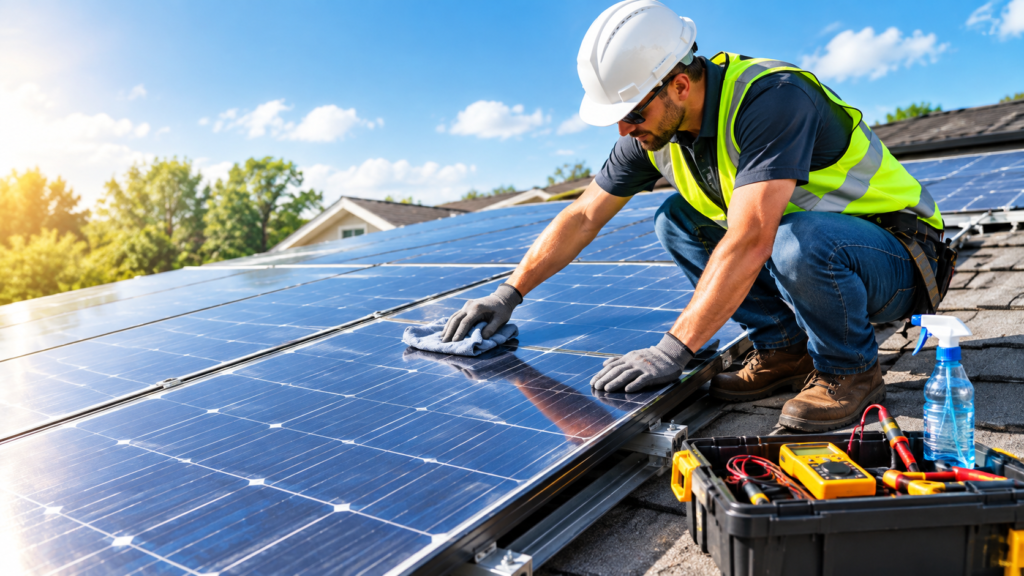
Routine maintenance is simple. Rinse the surface with mild soap and water a couple of times a year, avoid abrasive cleaners that can scratch the coating, and check fasteners periodically to ensure none have loosened from thermal expansion and contraction.
If you notice yellowing, clouding, or brittleness developing earlier than expected, it usually signals that the panel lacked adequate UV protection or was installed in an area with unusually intense sun exposure.
Cost Considerations
Pricing varies widely depending on material and thickness, but as a general guide, PVC corrugated panels tend to be the most affordable option per square foot, polycarbonate corrugated panels sit in the middle, and multiwall polycarbonate sheets cost more upfront due to their layered construction and added insulation value.
While it can be tempting to choose the cheapest option, it is worth calculating cost per year of expected lifespan rather than upfront price alone. A slightly more expensive polycarbonate panel that lasts twice as long often ends up being the better financial decision.
Common Mistakes to Avoid
A few recurring issues cause most of the complaints associated with clear roof panels.
- Overtightening screws, which cracks the panel around the fastener.
- Skipping closure strips, which leads to water and pest intrusion.
- Choosing the wrong thickness for the span, resulting in sagging.
- Ignoring UV coating direction, which causes premature yellowing.
- Underestimating overlap requirements, which creates leak points at the seams.
Avoiding these mistakes is far easier than fixing them after installation, so it is worth reviewing your plan before you start cutting panels.
Frequently Asked Questions
How long do clear roof panels last?
Polycarbonate panels with proper UV protection typically last 10 to 20 years, while PVC panels usually last 5 to 10 years depending on sun exposure and climate.
Are clear roof panels waterproof?
Yes, when installed correctly with proper overlap and closure strips. Most leaks come from installation errors rather than the material itself.
Can clear roof panels withstand hail or storms?
Polycarbonate is significantly more impact resistant than glass or fiberglass, making it a common choice for storm prone regions, though thicker multiwall panels offer even better protection.
Do clear roof panels get too hot in summer?
Panels with UV coatings and higher opacity, such as opal tinted options, reduce heat buildup compared to fully clear panels, so climate should factor into your material choice.
Can I install clear roof panels myself?
Yes, most homeowners can install corrugated or multiwall panels with basic tools, as long as the supporting frame is properly spaced and fasteners are not overtightened.
Final Thoughts
Clear roof panels offer a practical way to bring natural light into outdoor living spaces without sacrificing durability or breaking your budget. The right choice comes down to matching the material, thickness, and panel structure to your specific project, whether that is a sunny patio cover, a greenhouse built for year round growing, or a storm resistant carport.
Take time to compare polycarbonate, PVC, and fiberglass options based on your climate and expected lifespan rather than price alone. With the right preparation and installation approach, a well chosen clear roof panel can serve your outdoor space reliably for many years to come.
