
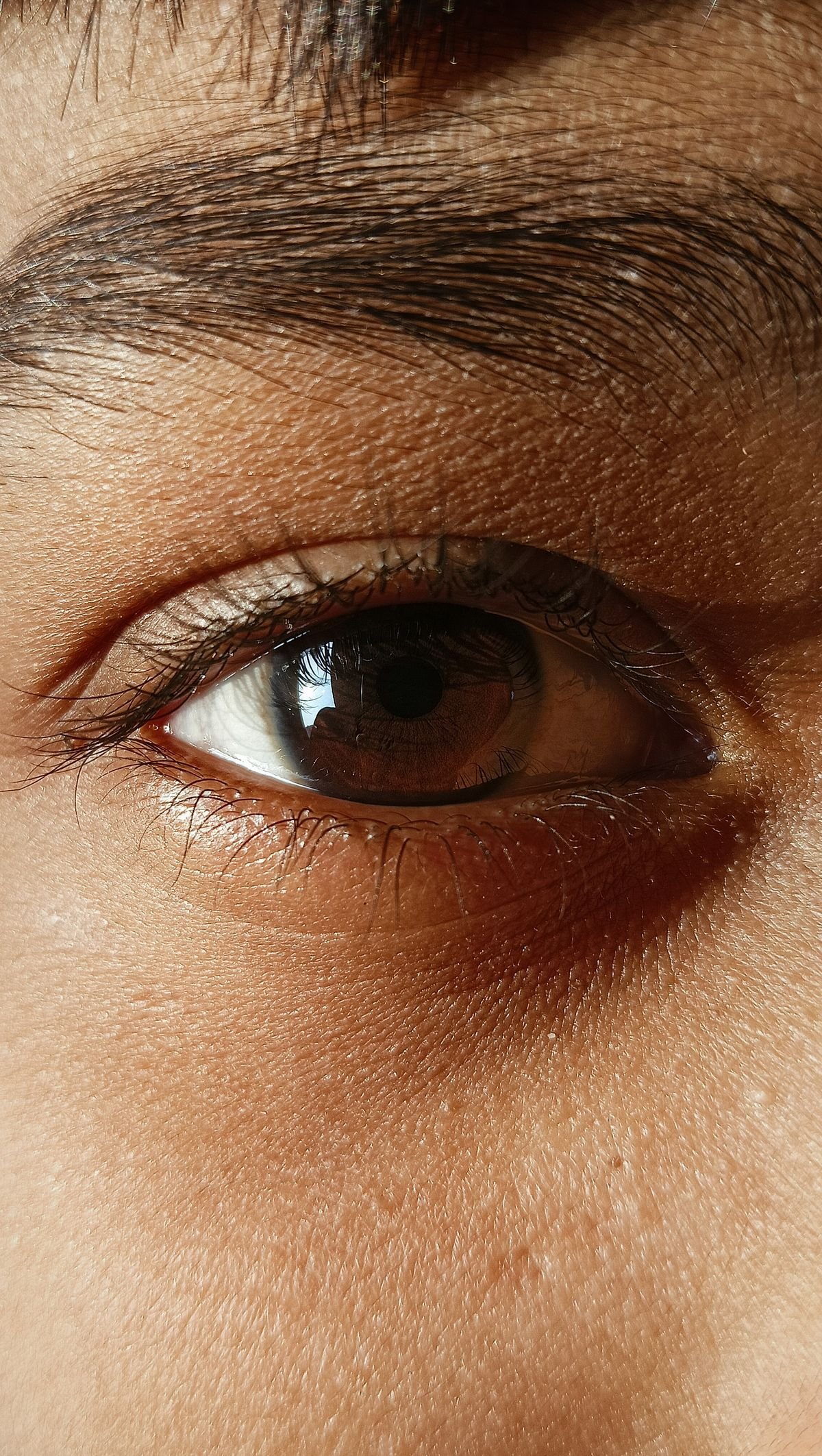
You are halfway through a video call when it starts. Your lower eyelid gives a small flutter, then another, then a steady little pulse that will not quit. You try to ignore it, but every few seconds it is back, and now you are wondering whether everyone on the call can see it.
That flutter has a name, eyelid myokymia, and it is one of the most common eye complaints in the United States. It is annoying, distracting and almost always harmless. The good news is that most twitches settle within a few days once you remove the triggers that feed them. This guide shows you how to stop eye twitching fast, with simple fixes you can start in the next two minutes, and a short plan to keep it from coming back.
What Eye Twitching Really Is
An eyelid twitch is a small involuntary spasm of the orbicularis oculi, the thin ring of muscle that closes your eyelid. The muscle fires on its own in short bursts, which is why the movement feels like a flutter under the skin rather than a full blink. It usually affects one eyelid at a time, most often the lower lid, and it can come and go for hours or days.
Doctors call the common form benign eyelid myokymia. Benign means it is not caused by disease, and myokymia is simply the medical word for this kind of muscle ripple. It is not a sign that your eyesight is failing, and it is not something other people usually notice, even though it can feel huge to you.
The twitch is a signal, not a disease. In most cases it means the nerves around your eye are overstimulated or tired. Stress, poor sleep, too much caffeine and long hours in front of a screen are the usual suspects, and they often arrive together after a hard week.
Why Your Eyelid Keeps Twitching
A twitch rarely has one single cause. It is usually the result of several small strains piling up at once. Here are the triggers that show up most often in research and in eye clinics.
- Stress and anxiety. Stress raises adrenaline, which makes muscles more reactive. A tense week at work or a worrying few days is enough to set off a twitch.
- Sleep debt. Short nights leave the muscles around your eyes tired and irritable, and the twitch often appears the morning after a late night.
- Too much caffeine. Coffee, energy drinks and some pain relief tablets stimulate the nervous system. In one small study, a single 200 milligram dose of caffeine raised eyelid muscle activity within a short time.
- Screen strain. Staring at a monitor for hours dries out your eyes because you blink far less often while you focus. The dryness irritates the eyelid and keeps the muscle firing.
- Dry eyes. Dry air, air conditioning, contact lenses and age can all leave the eye surface dry, which is a direct trigger for twitching.
- Alcohol and smoking. Both can irritate the nerves around the eyes and disturb sleep, which adds a second trigger on top of the first.
- Eye irritation. Allergies, dust, smoke and a scratched contact lens can all make the eyelid twitch while the irritation lasts.
- Some medicines. A few medicines for asthma, mood and other conditions list muscle twitching as a side effect. Never stop a prescribed medicine on your own, but do mention the twitch to your doctor.
If your twitch started after a late night, a deadline, a long day of screen work or a few extra cups of coffee, the cause is probably in that list. The fixes below work because they target those triggers directly.
How to Stop Eye Twitching Fast: 9 Fixes That Work Right Now
You do not need a prescription or a special product to calm a twitch. Start with the first three fixes for relief in the moment, then work through the rest over the next day.
1. Rest Your Eyes for Two Minutes
Close your eyes and sit quietly for two full minutes. Let your eyelids rest completely, with no screen, no reading and no squinting. This short pause lets the overworked eyelid muscle relax, and for many people it is enough to break the twitch cycle on the spot. If you are at work, step away from your desk, close your eyes and breathe slowly while you wait.
2. Try a Warm Compress
Soak a clean washcloth in warm water, wring it out and lay it over your closed eyelid for five to ten minutes. The warmth relaxes the eyelid muscle and improves blood flow around the eye. Repeat this once or twice a day while the twitch is active. Make sure the cloth is warm, not hot, and use a fresh cloth each time.
3. Use Lubricating Eye Drops
Dry eyes are a common trigger, and artificial tears can calm the irritation that keeps the muscle firing. Choose plain lubricating drops sold without a prescription, and use them as directed on the label. Avoid redness relief drops for daily use, because they can make dryness worse over time. If you wear contact lenses, check that your drops are safe to use with lenses.
4. Cut Back on Caffeine Today

Caffeine is one of the strongest twitch triggers. It stimulates the nervous system, and in one small study a single 200 milligram dose of caffeine raised eyelid muscle activity within a short time. You do not have to quit coffee forever, but try cutting your intake in half today and skip any caffeine after 2 in the afternoon. Switch the extra cups for water or herbal tea and see whether the twitch eases within a day or two.
Energy drinks, workout drinks and some pain relief tablets also contain caffeine, so check labels if the twitch keeps returning.
5. Drink a Glass of Water
Dehydration can make muscles more likely to spasm, and the tiny muscles around your eyes are no exception. Drink a full glass of water when the twitch starts, and keep a bottle at your desk so you sip through the day. Most adults do well on around eight glasses a day, and more if the weather is hot or you exercise.
6. Give Your Screen a Break

Long stretches of screen time dry out your eyes because you blink far less often while you stare at a monitor. Try the 20 20 20 rule: every 20 minutes, look at something 20 feet away for at least 20 seconds. It sounds simple, but it gives the muscles that focus your eyes a real rest, and it is one of the most recommended habits in eye care.
While you are at it, check your screen setup. Move the monitor so the top of the screen sits at or just below eye level, and keep it about an arm’s length away. If your eyes feel dry at your desk, a small humidifier can help. Long hours at a laptop strain your eyes and your machine, so if your laptop also runs hot during long sessions, read our guide on why a laptop gets hot and shuts down. The same screen habits apply after work, and if your evening viewing keeps dropping out, see why a TV keeps disconnecting from WiFi.
7. Blink on Purpose
When you focus hard, your blink rate can drop by half or more, which leaves the eye surface dry and irritated. Every hour, take 30 seconds to blink slowly and fully ten times, closing your lids all the way each time. It spreads fresh tears across the eye and gives the eyelid muscle a gentle workout in the right direction.
8. Ease Stress With Slow Breathing
Stress floods your body with adrenaline, which makes muscles twitchy. A short breathing reset can calm that response in a few minutes. Breathe in through your nose for four seconds, hold for two seconds, then breathe out through your mouth for six seconds. Repeat for two to three minutes. It will not fix a deadline, but it can quiet the twitch that the deadline caused.
9. Get to Bed on Time Tonight

Sleep is when your eye muscles recover, and a single short night can be enough to start a twitch. Aim for 7 to 9 hours tonight, and keep your wake time steady even on weekends. Put your phone away 30 minutes before bed, dim the lights and let your eyes rest. Many people find the twitch is gone or much weaker after one good night of sleep.
A Simple 7 Day Plan to Stop the Twitch Coming Back
Quick fixes calm a twitch, but a short reset stops it returning. Try this simple plan for one week.
- Days 1 to 2: cut caffeine in half, use the 20 20 20 rule at work, and use a warm compress twice a day.
- Days 3 to 4: keep a steady bedtime, drink water through the day, and add lubricating drops if your eyes feel dry.
- Days 5 to 7: add a daily walk or stretch break, review your screen setup, and note which days the twitch appears and what happened that day.
Keep a short note of when the twitch shows up. A simple log often reveals the pattern in a few days: a late night, a third coffee, a long video call. Once you see the pattern, you can change the trigger instead of chasing the twitch.
When to See a Doctor
Most eyelid twitches are harmless and fade within days to a few weeks. Book an eye exam promptly if you notice any of these warning signs:
- The twitch lasts more than two to three weeks
- Your eyelid closes completely with each spasm
- The twitch spreads to other parts of your face
- Your eye is red, swollen or painful, or your vision changes
- The twitch follows an eye injury
- You also notice a drooping eyelid or weakness on one side of your face
These signs are uncommon, but they can point to a condition that needs proper care, such as blepharospasm, a nerve problem or an eye infection. A doctor can check the eye, review your medicines and rule out anything serious in one visit.
Conclusion
Learning how to stop eye twitching fast comes down to three things: rest your eyes, remove the triggers and give your body sleep. Start with a warm compress and two quiet minutes, cut back on caffeine and screen strain today, and protect your sleep tonight. Most twitches fade within a few days once those basics are in place, and a simple one week reset keeps them from coming straight back.
If your twitch lasts more than a few weeks or comes with any of the warning signs above, see a doctor and get it checked. For everyone else, the flutter is usually your eyes asking for a break. Give them one, and they will usually settle on their own.
This article is for general information only. It is not medical advice, and it does not replace care from a qualified health professional.
Frequently Asked Questions
How long does eye twitching usually last?
Most episodes last a few seconds to a few minutes at a time, and the twitch itself usually settles within a few days once the triggers ease. A twitch that keeps returning for more than two to three weeks deserves an eye exam.
Can stress cause eye twitching?
Yes. Stress raises adrenaline, which can make the small muscles around your eyes fire on their own. Slow breathing, regular breaks and better sleep usually calm a stress related twitch within days.
Does caffeine make eye twitching worse?
Yes, caffeine is one of the most common triggers. It stimulates the nervous system and can increase eyelid muscle activity. Cutting back, and avoiding caffeine after 2 in the afternoon, often helps within a day or two.
What is the fastest way to stop eye twitching?
There is no instant off switch, but the quickest relief usually comes from resting your eyes for two minutes, using a warm compress and cutting caffeine. Most people notice improvement within a day or two of removing the main triggers.
When should I worry about eye twitching?
See a doctor if the twitch lasts more than two to three weeks, closes your eyelid fully, spreads to other parts of your face, or comes with redness, pain, vision changes or a drooping lid.
