
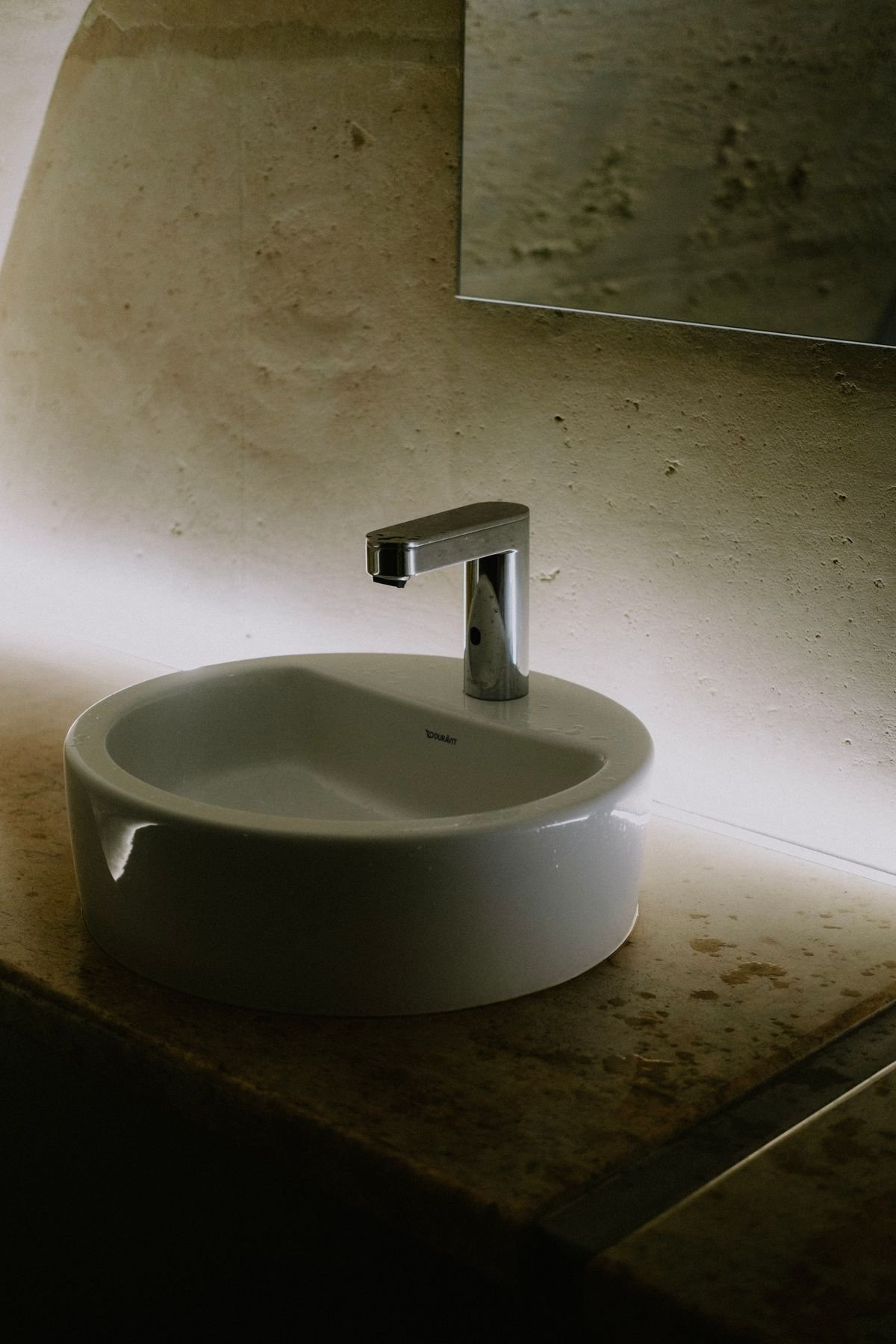
You lean over the bathroom sink to brush your teeth and a tiny dark speck lifts off the plughole. Then another. By the time you reach for the tap, half a dozen little flies are drifting around the mirror, and they were nowhere to be seen yesterday. You wave them away, but they are back within the hour, hovering exactly where the water goes down.
Those tiny visitors are almost certainly drain flies, and they are one of the most common bathroom pests in the UK. The good news is that they do not bite, they do not spread disease in the way some pests do, and they are usually gone within a week once you remove what they are living on. This guide shows you how to get rid of drain flies in bathroom UK homes, with seven clear steps that work, a simple plan to follow day by day, and the mistakes that waste your time.
What Are Drain Flies and Why Are They in Your Bathroom
Drain flies are small fuzzy insects, usually grey or dark brown, about 1 to 4 mm long. They look like tiny moths, with broad wings covered in fine hairs, and they fly in short hopping bursts rather than in straight lines. You will most often see them resting on the wall near a sink, a shower or a bath, or walking slowly around the plughole.
They are also called moth flies, sewer flies and filter flies. The adult flies are only the visible part of the problem. The real colony lives out of sight, in the thin layer of slime that coats the inside of your drains. That slime is called biofilm, and it is a mix of soap residue, hair, skin cells, toothpaste and grease. Female drain flies lay their eggs in it, and the larvae feed on it until they grow into adults.
A female can lay dozens of eggs at a time, and the full life cycle from egg to adult can take as little as one to two weeks in a warm bathroom. That is why a handful of flies can turn into a steady cloud so quickly. The flies are not coming in through the window. They are breeding inside your own pipework, which is also why spraying the air does nothing. Until the biofilm is gone, new adults keep appearing.
Damp autumn weather makes the problem worse in UK homes. Windows stay shut, extractor fans get switched off to keep the heat in, and bathrooms stay humid for hours after every shower. A guest bathroom or a sink that is rarely used is a favourite breeding spot, because the water in the trap sits still and the drain stays damp and undisturbed.
How to Tell Drain Flies Apart from Fruit Flies
Before you treat anything, make sure you are dealing with drain flies. Fruit flies are a different pest with a different fix, and the two are easy to confuse at a glance.
Drain flies have fuzzy moth like wings that they hold flat over their bodies when they rest. Their bodies look dusty or hairy, and they are weak fliers that hop from the wall to the mirror and back. They gather around drains, plugholes and overflow holes, and they are most active in the evening.
Fruit flies are smaller and smoother, with shiny reddish brown bodies and bright red eyes. They hover around fruit bowls, bins and wine glasses, not around drains. If the flies in your bathroom are smooth and quick, and they also appear in the kitchen near food, you probably have fruit flies instead.
A quick check helps. Cover the plughole with a piece of clear tape overnight, sticky side down, leaving a small gap for air. If flies are stuck to the tape in the morning, they are coming out of that drain. That simple test also tells you which drain is the source when you have more than one in the room, so you can focus your effort where it matters.
Step 1 Find the Source Drain First
Do not start pouring cleaners down every drain in the house. Find the breeding drain first, because treating the wrong one wastes a week.
Use the tape test on each plughole in the bathroom: the basin, the bath, the shower and the bidet if you have one. Stick a strip of clear packing tape across each opening before bed, sticky side down, and leave a small gap at one edge so air can still move. Check the tape first thing in the morning. The drain with flies stuck to it is the source.
Also check the overflow hole on the basin, the small round opening near the top of the bowl. Drain flies love overflow channels because they stay damp and are almost never cleaned. Shine a torch into it and look for tiny flies or a dark slimy coating.
If no flies appear on any tape after two nights, the source may be a floor drain, a rarely used shower in another room, or a leak behind the bath that is keeping the floor damp. Check under the bath panel and around the base of the toilet for damp patches or a musty smell.
Step 2 Scrub the Drain Clean
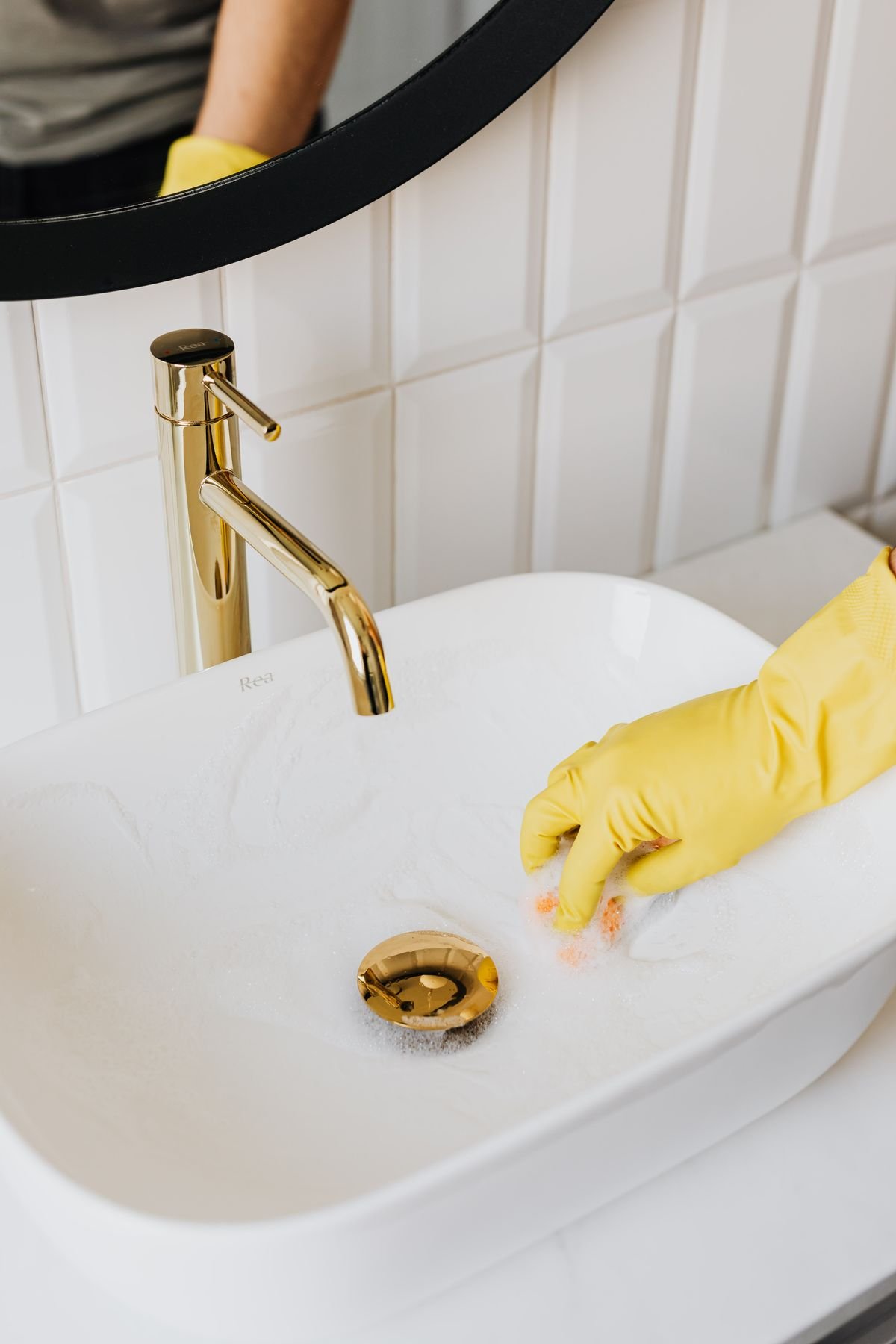
Scrubbing is the single most important step. No cleaner can do this job on its own, because the biofilm clings to the pipe walls like a skin, and liquid poured down the drain simply runs over the top of it.
Start by lifting out the plughole cover or pop up waste if you can. Wear rubber gloves and pull out any hair and gunk you can reach with your fingers or a pair of old tweezers. A surprising amount of hair collects just below the surface, and it traps the slime that larvae feed on.
Next, push a long handled drain brush or a bottle brush down the pipe and scrub the walls firmly. Twist the brush as you push it in and pull it out, and rinse it often. A drain brush costs about £5 to £8 at a DIY shop or online, and it reaches much further than a toothbrush. If you do not have one, a length of old wire with a small cloth tied to the end will do for a first pass.
Do the same for the overflow channel. Feed a thin brush or a pipe cleaner into the overflow hole and work it back and forth. Then flush the drain with hot water from the tap for a full minute to wash the loosened slime away.
Repeat the scrub on the second evening as well. The first scrub removes the bulk of the film, and the second catches the layer underneath. If your shower drain also smells, our guide on how to stop a shower drain from smelling covers that problem in detail, and many of the same cleaning steps apply.
Step 3 Flush with Boiling Water Twice a Day
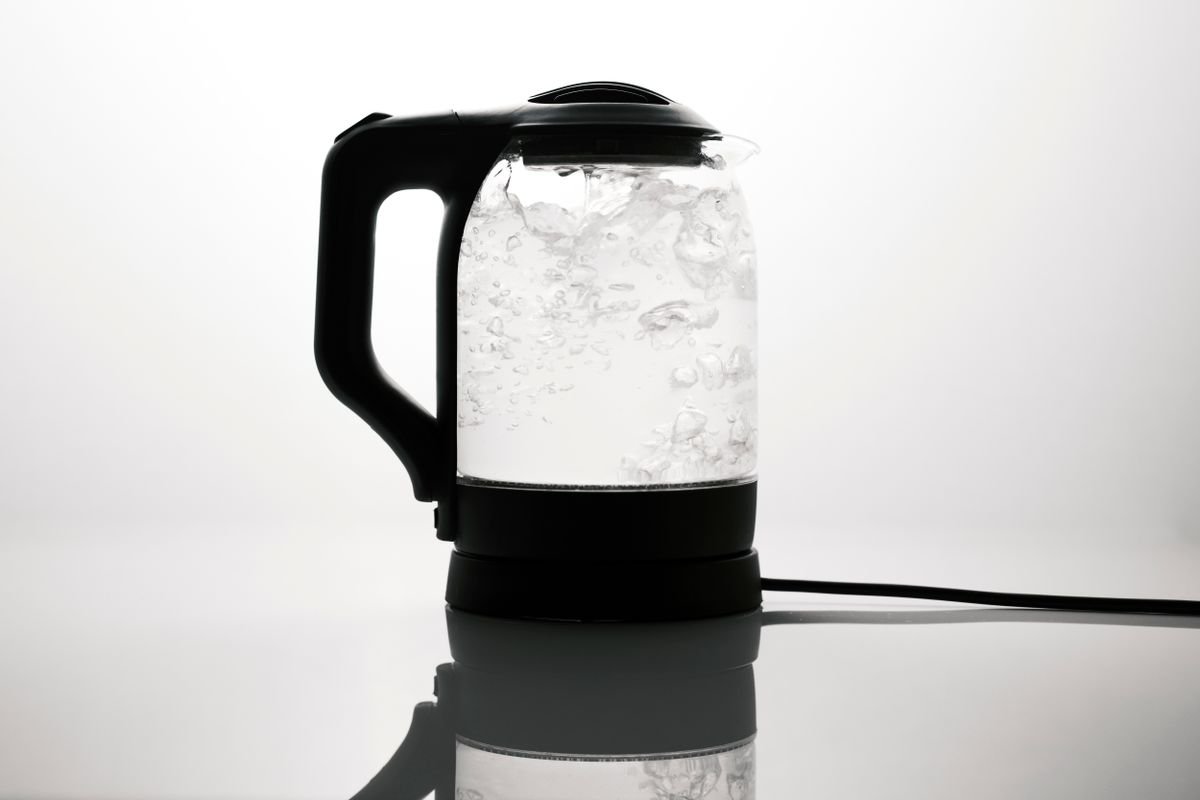
Once the drain is scrubbed, hot water does the rest of the daily work. Boil a full kettle and pour it slowly down the affected drain, in a steady stream rather than all at once. The heat softens the remaining biofilm and kills larvae and eggs sitting near the surface.
Do this twice a day, morning and evening, for at least seven days. A single flush is not enough, because eggs hatch over several days, and a fresh batch of larvae can appear after the first flush. Steady repetition is what breaks the life cycle.
Take care with plastic pipework. Most modern PVC waste pipes handle boiling water without trouble, but if your pipes are very old, or the maker of your shower tray warns against it, let the kettle stand for a minute after boiling so the water is very hot rather than at a rolling boil. Never pour boiling water into a toilet, because the sudden heat can crack the porcelain.
While you are flushing, run the taps in any little used sink or shower for a minute each day. Stagnant water in an unused trap is an open invitation for drain flies, and a daily flush keeps it moving.
Step 4 Use an Enzyme Drain Cleaner
After two days of scrubbing and hot water, add an enzyme based drain cleaner. These products use natural enzymes and bacteria to break down the organic matter inside the pipe, which is exactly what drain fly larvae eat. They are widely sold in UK supermarkets and DIY shops for about £5 to £10 a bottle, and brands such as Bio Clean and Ecozone are easy to find.
Pour the cleaner down the drain last thing at night, when the drain will sit unused for hours. Follow the label dose exactly. Do not mix it with bleach or any other cleaner, and do not use a caustic drain unblocker at the same time, because harsh chemicals kill the helpful bacteria that make enzyme cleaners work.
Repeat the enzyme treatment every night for three to five nights. Enzyme cleaners work slowly, and they need repeated contact with the biofilm to clear it fully. You should see fewer adult flies each morning as the food source disappears.
Avoid the old baking soda and vinegar trick as your main treatment. It fizzes nicely, but the fizz is the two ingredients cancelling each other out, and it does very little to the biofilm stuck to the pipe walls. It is fine as a freshening rinse after the real cleaning is done, but it will not clear an infestation on its own.
Step 5 Trap the Adults While the Drain Clears
Traps will not solve the problem alone, because they only catch the adults, but they stop the flies from laying a new round of eggs while you clean the drain, and they show you whether your treatment is working.
The simplest trap is a jar trap. Pour a little apple cider vinegar into a small jar, add one drop of washing up liquid, and cover the top with cling film. Poke a few small holes in the film with a toothpick. The vinegar smell draws the flies in, the washing up liquid breaks the surface tension so they sink, and the film stops them climbing back out. Place the jar next to the affected drain and replace the vinegar every two days.
Sticky fly traps also work well. Hang a yellow sticky trap near the drain or stick a small strip on the wall where the flies rest. Check it each morning. When the number of trapped flies drops to zero for three days in a row, you can be confident the breeding cycle is broken.
Do not use a fly spray in the bathroom as your main weapon. It kills the flies you can see and leaves the larvae untouched, so new adults appear the next day. Save the spray for the odd fly that escapes, and put your effort into the drain instead.
Step 6 Fix Leaks and Dry the Room
Drain flies need constant damp to survive, so drying the room takes away their home. Start by fixing anything that keeps the bathroom wet. A dripping tap, a slow leak under the basin, a cracked seal around the bath or a shower tray that never quite drains will keep the floor and the pipework damp around the clock.
Run the extractor fan during every shower and for at least 20 minutes afterwards. If your fan is old and weak, cleaning the grille can improve it a lot, and a replacement fan costs far less than most people expect. If you have no fan, open the window for ten minutes after a shower, even in winter. Short bursts of fresh air clear the steam without chilling the whole house.
Wipe down the shower walls and the area around the plughole after use, and hang towels so they dry fully between uses. A damp towel draped over the bath is another little breeding ground. Keep the bathroom door open when the room is empty so air can move through it.
Damp bathrooms attract more than drain flies. Silverfish love the same warm humid conditions, so if you spot those silvery insects too, see our guide on how to keep silverfish out of your bathroom in the UK. A steamy bathroom also fogs the mirror every morning, and our guide on how to keep your bathroom mirror from fogging up shares ventilation tricks that help with that problem too.
Step 7 Keep Them Away for Good
Once the flies are gone, a short weekly routine stops them coming back. Clean the plughole cover and the overflow hole every week when you clean the bathroom. Pull out any hair before it builds up, and give the drain a quick scrub with a brush once a month.
Pour a kettle of hot water down each bathroom drain once a week. Run the taps in guest bathrooms and little used showers for a minute a week so the traps never sit stagnant. Check the seals around the bath and basin every few months, and fix a leak the week it appears rather than leaving it to drip for months.
Keep an eye on humidity. If the walls stay damp, the mirror fogs for hours and the window runs with condensation, the room is too humid, and drain flies will return. Better ventilation, a short daily airing and a small dehumidifier in a windowless bathroom all help. The goal is a bathroom that dries out between uses, not one that stays damp all day.
What Does Not Work
A few popular remedies sound convincing but achieve very little. Knowing them saves you days of wasted effort.
Bleach poured down the drain does not clear biofilm. It runs straight past the slime, and it can damage rubber seals and harm the bacteria in a septic tank. Worse, bleach mixed with other cleaners can release dangerous fumes, so never mix it with anything else. If you use bleach in the bathroom, use it on surfaces, never as a drain treatment.
Boiling water alone, without scrubbing, will not work either. The water flows over the biofilm instead of removing it, and the larvae sheltered underneath survive. Hot water is a helper, not a cure.
Plughole covers and drain stoppers do not stop an infestation. They may keep a few adults out of the room, but the colony keeps breeding behind them, and the flies simply appear somewhere else. Fly spray, sticky traps and vinegar jars all catch adults, yet none of them touches the eggs and larvae in the pipe. Every one of these tools has a place, but only scrubbing and an enzyme cleaner remove the cause.
When to Call a Professional
Most drain fly problems clear up within a week of proper cleaning. Call a pest controller or a plumber if the flies are still appearing after ten days of scrubbing, flushing and enzyme treatment, because the source may be somewhere you cannot reach.
Signs that you need help include flies coming from several drains at once, a persistent sewage smell, slow draining that does not improve after cleaning, or damp patches on the wall or floor that point to a hidden leak. A cracked or broken drain pipe under the floor can breed drain flies for months, and no amount of surface cleaning will fix it.
A professional drain survey with a small camera can find a cracked pipe or a blockage deep in the system. A local pest control firm in the UK typically charges £60 to £120 for a first visit, and a camera survey costs more, so it is worth ruling out the simple causes first. If you rent, tell your landlord before you pay for any work, because drain repairs are usually their responsibility.
A Simple 7 Day Plan to Get Rid of Drain Flies
Here is the whole method as a day by day plan. Follow it in order and the flies should be gone by the end of the week.
- Day 1: tape test every plughole overnight to find the source drain. Buy a drain brush and an enzyme based cleaner.
- Day 2: scrub the source drain and the overflow channel, pull out hair and gunk, and flush with a full kettle of boiling water morning and evening. Set a jar trap beside the drain.
- Day 3: scrub the drain again, flush twice with boiling water, and pour enzyme cleaner down the drain before bed.
- Day 4: flush twice with boiling water, repeat the enzyme cleaner at night, and check the trap count. It should already be falling.
- Day 5: flush twice with boiling water, repeat the enzyme cleaner at night, and fix any drips or leaks you found.
- Day 6: scrub the drain once more, flush twice, and run the extractor fan after every shower.
- Day 7: check the tape test again overnight. No flies on the tape means the cycle is broken. Keep the weekly hot water flush going.
If flies are still appearing on day 7, repeat days 2 to 5 for another week. A heavy infestation in an old pipe can take two weeks to clear fully, and that is normal. What matters is that the numbers keep falling. If they do not fall at all, the source is probably a hidden leak or a cracked pipe, and it is time to call a professional.
Conclusion
Learning how to get rid of drain flies in bathroom UK homes comes down to three things: find the source drain, scrub the biofilm away, and keep the bathroom dry. Spraying the adults only buys you an evening of peace. Scrubbing the drain, flushing with boiling water twice a day and using an enzyme cleaner for a few nights removes the food the larvae live on, and the flies stop appearing.
Start tonight with the tape test, scrub the drain tomorrow, and follow the 7 day plan. Most bathrooms are clear within a week, and a quick weekly flush keeps the flies from coming back. If the problem beats you after ten days of proper cleaning, get a professional to check for a hidden leak or a cracked pipe, because some sources sit too deep for a brush to reach.
Frequently Asked Questions
What are drain flies?
Drain flies are small fuzzy moth like insects that breed in the slimy biofilm inside drains. The adults are about 1 to 4 mm long and gather near sinks, showers and baths. They do not bite and they are mostly a nuisance, but they are a sign that a drain needs cleaning.
Where do drain flies come from?
They come from inside your own drains. Female drain flies lay eggs in the organic slime coating the pipe walls, and the larvae feed on it until they become adults. They do not fly in from outside, which is why cleaning the drain is the only lasting fix.
Do drain flies bite?
No, drain flies do not bite people or pets. They are not known to spread disease in homes, but they can carry bacteria from drains onto surfaces, so it is still worth getting rid of them promptly and cleaning the drain properly.
Will boiling water kill drain flies?
Boiling water kills larvae and eggs near the surface of the drain, but on its own it does not remove the biofilm they live in. Scrub the drain with a brush first, then flush with boiling water twice a day for a week for the best result.
How long does it take to get rid of drain flies?
Most infestations clear within 7 to 10 days of scrubbing, twice daily hot water flushes and nightly enzyme cleaner. A heavy infestation in an old pipe can take two weeks. If flies are still appearing after ten days of proper cleaning, call a professional to check for a hidden leak or cracked pipe.
