
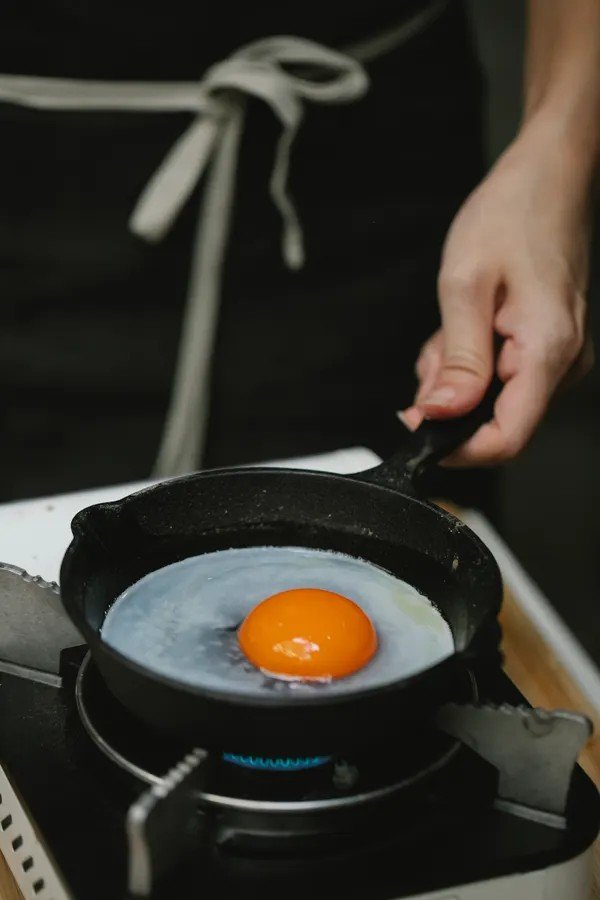
You crack an egg into the pan, hear that satisfying sizzle, and reach for the spatula with full confidence. Then the white refuses to move. It has glued itself to the metal, and by the time you prise it free, the yolk has broken and breakfast is ruined. If you keep asking yourself why do my fried eggs stick to the pan, you are far from alone. It is one of the most common cooking frustrations in British kitchens, and it happens in expensive pans just as often as cheap ones.
The good news is that sticking eggs are almost never about bad luck or a faulty pan. They come down to a small handful of fixable mistakes involving heat, timing, fat and the surface of your pan. Once you understand what is happening in those first thirty seconds after the egg hits the metal, you can fry perfect eggs in almost any pan you own.
Why Fried Eggs Stick to the Pan in the First Place
An egg white is around ninety percent water and ten percent protein. Those proteins are the troublemakers. The moment they meet a hot surface they unfold and form strong bonds with whatever they touch. A pan that looks perfectly smooth to your eyes is actually covered in microscopic pits and scratches, and the unfolding proteins lock into them like tiny hooks.
Heat makes the problem worse in two ways. If the pan is scorching hot, the proteins seize instantly and fuse to the metal before any steam can lift them. If the pan is too cool, the egg sits in lukewarm fat and spreads out, and the white never sets firmly enough to release. There is a narrow sweet spot in the middle, and most sticking happens because the pan is outside it.
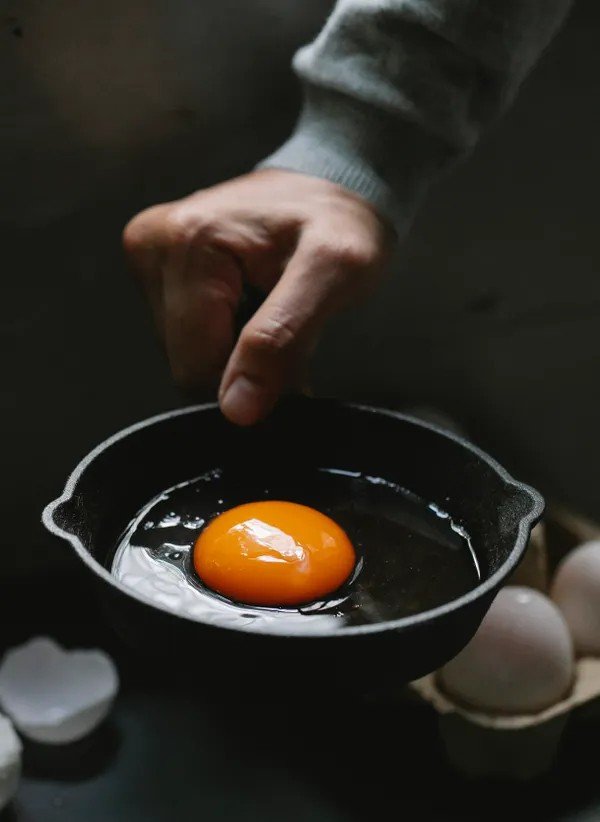
Moisture plays a second, quieter role. As the white cooks it releases water, and that water flashes into steam under the egg. Tiny steam pockets lift and drop parts of the white, creating little sticky zones where the egg snags on the metal. This is why an egg can look fine for a few seconds and then suddenly weld itself down.
The type of fat you use changes the picture too. Oil and butter sit between the egg and the metal, but oil moves around and pools in some spots while leaving others nearly dry. The dry spots are where the proteins make direct contact and grab hold. Butter adds milk solids that can brown and stick if the heat is too high. Understanding this chemistry is what turns a frustrating breakfast into a reliable one.
The Five Mistakes That Make Sticking Worse
Almost every stuck egg can be traced back to one or more of these five errors. Run through them honestly and you will probably spot your own habit in the list.
1. The pan is too cold when the egg goes in
This is the classic error for anyone who has switched from nonstick to stainless steel. A cold pan lets the egg spread into every microscopic crevice before the proteins have a chance to set. The white then cooks into the surface rather than on top of it. Always give the pan a proper preheat of two to three minutes over medium heat before the egg goes anywhere near it.
2. The pan is far too hot
The opposite mistake is just as common, especially on a powerful gas hob. When the pan is smoking, the proteins seize the instant they touch the metal and form a firm crust that clings hard. You want steady medium heat, not a blast. If the oil is smoking before the egg goes in, the pan is too hot and you should take it off the heat for a minute to calm down.
3. Not enough fat, or the wrong fat for the job
A whisper of oil is not enough. You need a thin but complete film covering the whole base of the pan, with no dry patches. Olive oil is a poor choice here because many varieties smoke at the temperature you need, and the burnt flavour taints the egg. A neutral oil with a higher smoke point, such as sunflower or rapeseed oil, behaves much better.
4. Moving the egg too soon
Patience is part of the technique. If you slide the spatula under the egg before the white has set around the edges, you tear the delicate layer that is still bonding and the whole thing collapses into the pan. Wait until the edges turn opaque and lightly golden, usually about two minutes, then test one corner gently. If it lifts cleanly, the rest will follow.
5. A dirty or scratched pan surface
Old food residue, mineral scale from hard water and scratches from metal utensils all give proteins extra places to grip. A stainless steel pan that has boiled dry or been scrubbed with wire wool will stick far more than a clean smooth one. Even a nonstick pan loses its easy release coating over time, especially if it has seen metal spatulas or the dishwasher too many times.
Your Pan Matters More Than You Think
Different pan materials behave in very different ways, and each one rewards a slightly different approach. Here is how the three common types compare when it comes to fried eggs.
Stainless steel pans
Stainless steel is the trickiest surface for eggs because it is designed to let food stick a little. That fond, the browned layer left behind, is what makes great pan sauces, but it is the enemy of a clean fried egg. The secret is proper preheating followed by the water drop test. Heat the dry pan over medium heat, then flick in a few drops of water. If they sizzle and vanish, keep heating. If they roll around the surface in little dancing beads, the pan has reached the Leidenfrost point and the surface is hot enough to form a vapour layer under the egg. Add your oil now, let it warm for a few seconds, then crack in the egg.
Cast iron pans
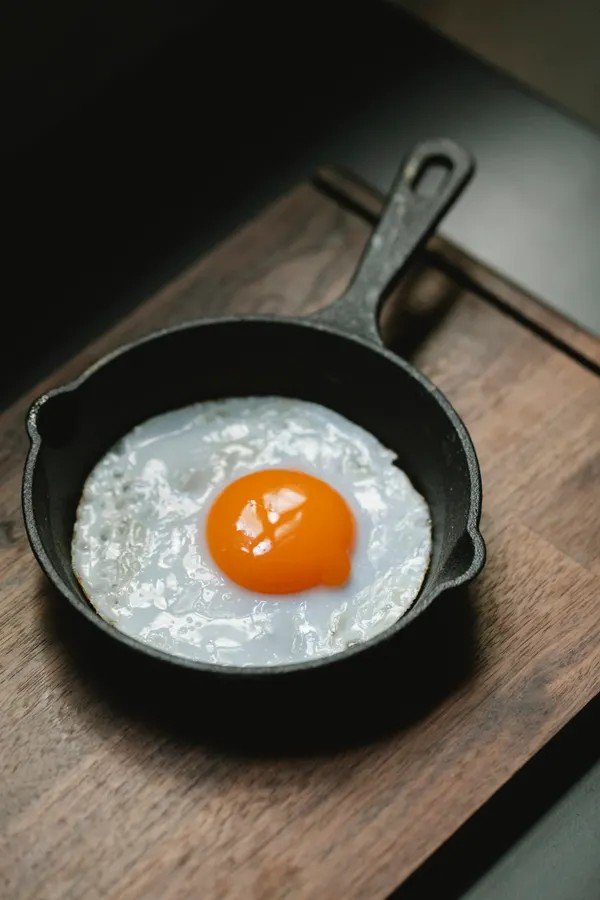
A well seasoned cast iron pan can be wonderful for eggs, but a dry or poorly seasoned one will trap them like glue. Seasoning is simply layers of oil baked onto the iron, and it fills the rough surface so the egg has less to grip. If your cast iron sticks, it usually means the seasoning is thin or the pan went in too cool. Heat it slowly and thoroughly, add a generous knob of butter or a spoon of oil, and cook on medium low. Never soak cast iron or put it in the dishwasher, as that strips the seasoning you are relying on.
Nonstick pans
Nonstick is the forgiving option and the reason most of us grew up with perfect fried eggs. The coating does the work that technique does elsewhere. But coatings wear out. If your three year old nonstick pan has suddenly started grabbing eggs, the coating is probably past its best. Overheating speeds up the damage, so keep nonstick on low to medium heat and use wooden or silicone utensils. A decent replacement nonstick frying pan costs from about fifteen pounds in UK supermarkets, so there is no need to suffer with a worn one.
The Simple Method That Stops Eggs Sticking Every Time
Here is a reliable routine that works on gas, induction and electric hobs. Follow it exactly a few times and it will become second nature.
- Take your eggs out of the cupboard a little before cooking. In the UK, eggs carry the British Lion Quality mark and are stored at room temperature in shops, so there is no need to warm them up from the fridge. Room temperature eggs spread less and cook more evenly.
- Put your chosen pan on the hob over medium heat and let it preheat for two to three minutes. Do not add oil yet.
- Test the heat with the water drop test described above. On stainless steel, wait for the dancing beads. On nonstick or cast iron, hover your hand above the surface to feel steady warmth.
- Add a thin, complete film of neutral oil or a knob of butter. Swirl it so the entire base is coated with no dry patches. If using butter, wait until the foaming subsides.
- Crack each egg into a small cup first, then slide it gently into the pan. This stops shell going in and lets you lower the egg in smoothly instead of dropping it from a height.
- Leave the egg completely alone for about two minutes. Let the edges set and turn opaque. Resist every urge to poke it.
- Slide a thin spatula under one edge. If it lifts cleanly, the egg is ready to serve or flip. If it resists, give it another thirty seconds.
- Season with salt and pepper and slide the egg onto a warm plate. A cold plate chills the bottom of the egg and can make it seem stuck when it is simply cooling.
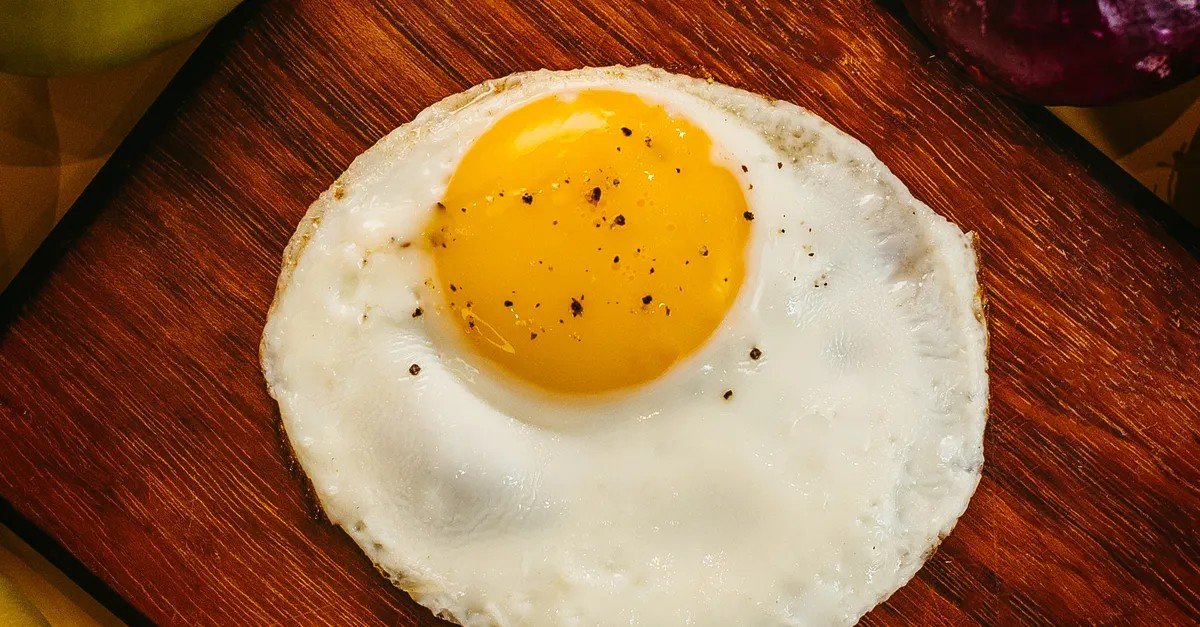
That is the whole method. No gadgets, no special ingredients, just heat control and patience. Once you have done it three or four times, you will be able to judge the pan temperature by feel and sound alone.
Butter, Oil or Lard: What Should You Fry Eggs In
The fat you choose affects both flavour and sticking, so it is worth picking deliberately. Butter gives the best flavour by far, with a nutty richness that suits a proper weekend fry up. Its weakness is a low smoke point, so it burns easily on a fierce gas flame. If you love butter, use medium heat and consider mixing it with a little neutral oil to raise the smoke point.
Neutral oils such as sunflower, rapeseed or groundnut oil are the most forgiving choice. They tolerate higher heat without smoking and form an even film across the pan. They add almost no flavour, which is fine when the egg is the star. Rapeseed oil is a particularly good UK option since much of it is grown here.
Lard and beef dripping are the traditional choices for a full English breakfast, and they make wonderfully crisp edges. They are solid at room temperature, so melt a teaspoon in the hot pan and swirl it around before the egg goes in. Olive oil sits at the bottom of the list for fried eggs. Extra virgin olive oil smokes too easily and its strong flavour fights the delicate egg.
What to Do When the Egg Has Already Stuck
Even with good technique, an egg will occasionally weld itself down, perhaps because the phone rang or the pan had a worn patch. Do not attack it with a metal spatula and brute force. Take the pan off the heat and let it cool for a minute. The proteins relax slightly as the temperature drops, and the egg often releases on its own.
If it is still stuck, add a tablespoon of water to the pan and put the lid on for thirty seconds. The trapped steam loosens the bond from underneath. Slide a thin flexible spatula under the egg and it should come away in one piece. For burnt on residue left behind, soak the pan in hot soapy water rather than scrubbing at it dry.
A useful cleaning trick is borrowed from microwave care. A mix of lemon juice and vinegar loosens burnt on egg the same way it loosens burnt on food elsewhere in the kitchen, a method explained in our guide to cleaning a microwave with lemon and vinegar. Apply the same idea to the pan, let it sit, then wipe clean.
Keep Your Pan in Good Shape So Eggs Slide Every Time
Prevention beats rescue. A few small habits will keep your pans in the condition that eggs need.
First, clean pans properly after every use. For stainless steel, a paste of bicarbonate of soda and water lifts discolouration without scratching. If you have ever battled a burnt saucepan, the gentle approach in our guide to cleaning a burnt saucepan without scrubbing works just as well on pans with stuck egg, and it protects the smooth surface that stops future sticking.
Second, store pans carefully. Stacking pans inside each other without protection scratches nonstick coatings and dulls stainless steel. Slip a tea towel or a pan protector between them. It takes five seconds and adds years to a pan.
Third, match your utensils to your pan. Metal fish slices and forks are the fastest way to ruin a nonstick coating or score stainless steel. Keep a silicone or wooden spatula by the hob and reach for it automatically when eggs are cooking.
Finally, know when a pan is finished. A nonstick pan that sticks even with perfect technique is telling you the coating has gone. In hard water areas, heavy limescale inside a stainless steel pan can also create a rough surface that no amount of technique will fix. A quick descale with vinegar brings it back.
The Bottom Line on Fried Eggs That Stick to the Pan
So why do my fried eggs stick to the pan? In almost every case the answer is heat that is too high or too low, too little fat, an impatient spatula or a pan surface that needs some care. None of these are difficult to fix, and none of them require buying expensive equipment.
Remember the three habits that matter most. Preheat the pan properly and test it before the egg goes in. Use enough of the right fat to coat the base completely. And leave the egg alone until the edges have set. Do those three things and your fried eggs will slide out of the pan looking like the ones in the cookbooks, with the yolk intact and the white in one beautiful piece.
Frequently Asked Questions
Why do my fried eggs stick to a stainless steel pan but not a nonstick one?
Stainless steel has no release coating, so the egg proteins bond directly with the metal surface. Nonstick pans have a coating that prevents those bonds forming. On stainless steel you can get a similar result with proper preheating, the water drop test and a complete film of oil.
Should eggs be at room temperature before frying?
Yes, it helps. Cold eggs straight from the fridge chill the pan surface on contact, which makes sticking more likely and cooks the white unevenly. In the UK, eggs are sold and stored at room temperature anyway, so just take them out of the cupboard a few minutes before cooking.
Is butter or oil better for stopping eggs sticking?
Both work when used correctly. Butter gives better flavour but burns easily on high heat. Neutral oils like sunflower or rapeseed tolerate higher heat and form a more even film. Many cooks use a mix of both to get the flavour of butter with the reliability of oil.
Why do my eggs stick even though I use plenty of oil?
Too much oil can be as bad as too little if the pan temperature is wrong. If the pan is too cool, the egg sits in lukewarm oil and bonds with the metal underneath. If it is far too hot, the proteins seize instantly. Plenty of oil only helps when the pan is at a steady medium heat.
Can I fix a pan that eggs always stick to?
Sometimes. A stainless steel pan can be brought back with a thorough clean and descale to remove residue and limescale. A cast iron pan can be re seasoned with baked on layers of oil. But a nonstick pan with a worn or scratched coating cannot be repaired, and replacing it is the only real fix.
