
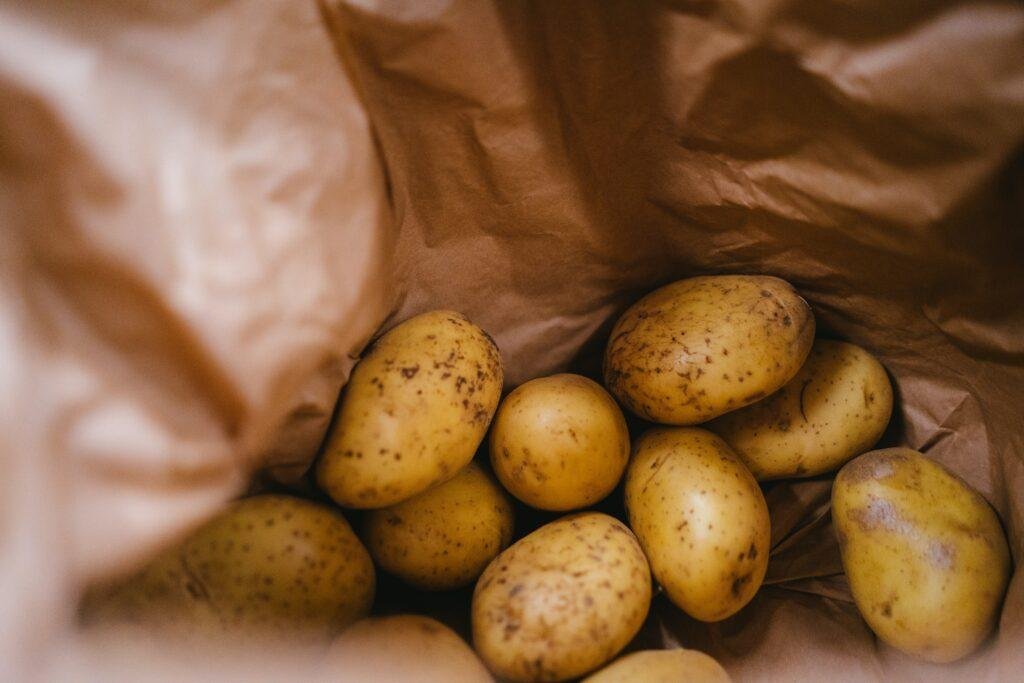
You bring home a bag of potatoes on Monday, full of plans for roast dinners and fluffy jacket potatoes. By the following weekend, pale shoots are poking out of every eye and the whole bag looks tired and sad. If this sounds familiar, you are not alone. Potatoes sprout fast when they are stored badly, and those little shoots turn firm potatoes soft and wrinkly within days. The good news is that learning how to keep potatoes from sprouting is mostly about where you put them, not what you buy. In this guide you will learn seven simple storage habits that work in any UK kitchen, even if you do not have a cellar. We cover the ideal temperature and light conditions, the containers that help, the classic mistakes that speed up sprouting, and what to do when a few shoots appear anyway.
Why Do Potatoes Sprout in the First Place?
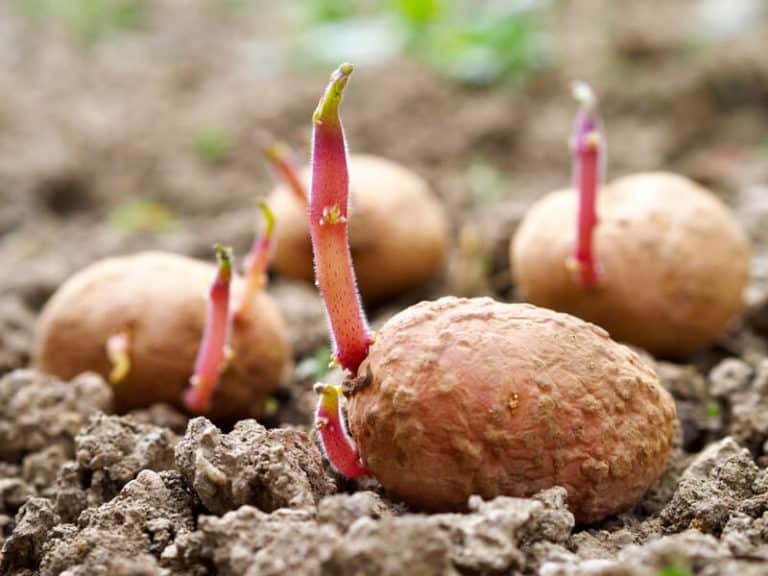
It helps to know what you are dealing with. Potatoes are alive, even after harvest. Every potato carries tiny buds in its eyes, and those buds are programmed to grow when conditions start to feel like spring. Three things wake them up: light, warmth and moisture. Light is the biggest trigger. Even dim light tells a potato it is close to the soil surface and that it is time to grow. Warmth speeds everything up, which is why a bag left beside the oven can sprout within a week. Damp air softens the skin and encourages the buds to push through. Once you understand this, storage becomes simple. You are just keeping the potato convinced it is still winter underground: dark, cool and dry.
Are sprouted potatoes still safe to eat?
This is the question everyone asks the moment they spot shoots. In most cases, a potato with small sprouts is still fine to eat. Snap or cut off the sprouts, trim away any soft spots, and cook the potato as normal. The real warning sign is green skin. Green patches mean the potato has seen too much light and has built up natural compounds called glycoalkaloids, which taste bitter and can upset your stomach if you eat a lot of them. If the green covers only a small area, cut it away generously. If the whole potato is green, wrinkled and soft, it belongs in the bin rather than on your plate.
7 Proven Ways to Keep Potatoes From Sprouting
1. Store them somewhere cool and dark
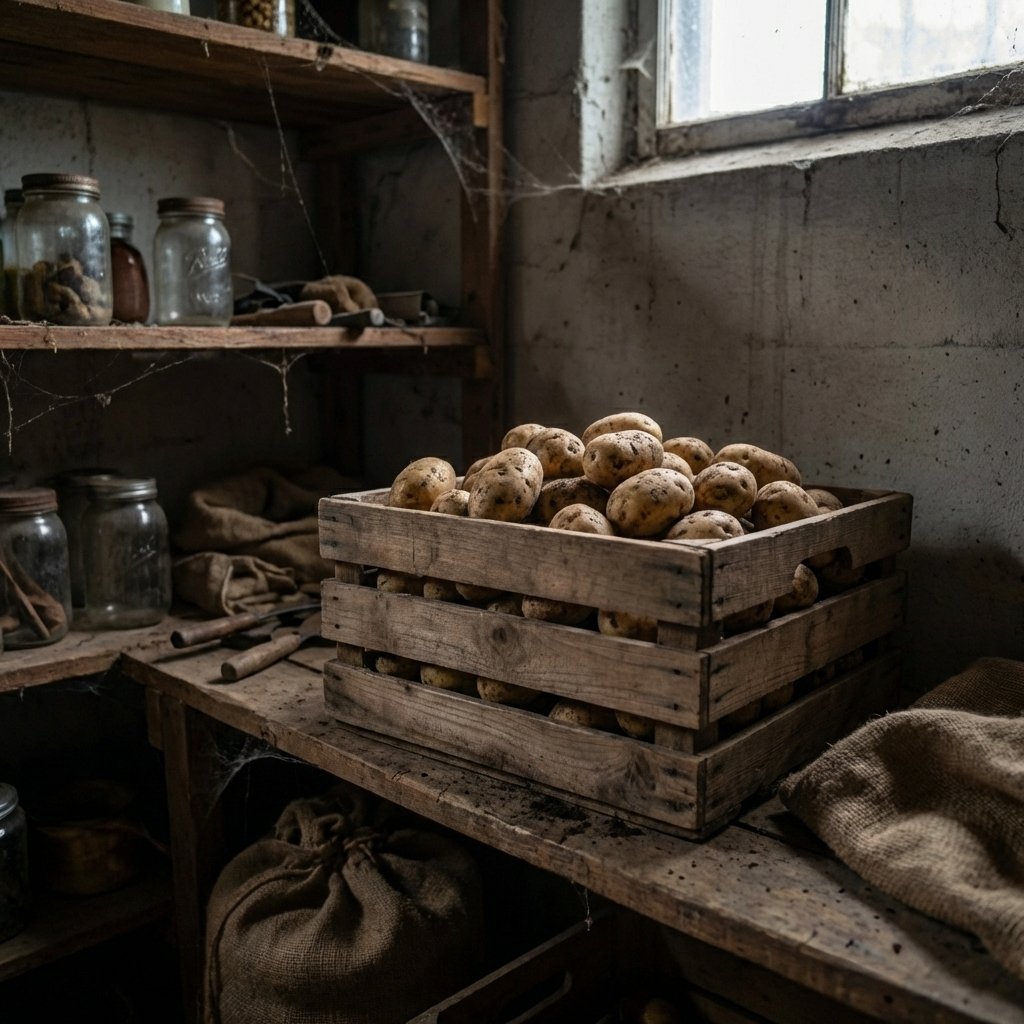
Temperature matters more than anything else. Aim for a steady spot between 7 and 10 degrees Celsius. A pantry, a cupboard under the stairs or an unheated utility room all work well in most UK homes. Darkness matters just as much. A closed cupboard blocks the light that triggers both sprouting and greening. Keep the bag away from sunny windowsills, open worktops and anywhere near the oven, dishwasher or boiler, where heat builds up quietly through the day.
2. Use a container that lets air move
Potatoes need to breathe. A paper bag, a mesh sack, a woven basket or a slatted wooden crate all let air circulate and stop moisture building up around the skins. What you should avoid is a sealed plastic bag or an airtight tub. Trapped moisture softens the skin, speeds up sprouting and invites mould. If your potatoes came home in plastic, tip them into something breathable straight away. It takes two minutes and it makes a real difference to how long they last.
3. Keep onions and fruit in a different spot
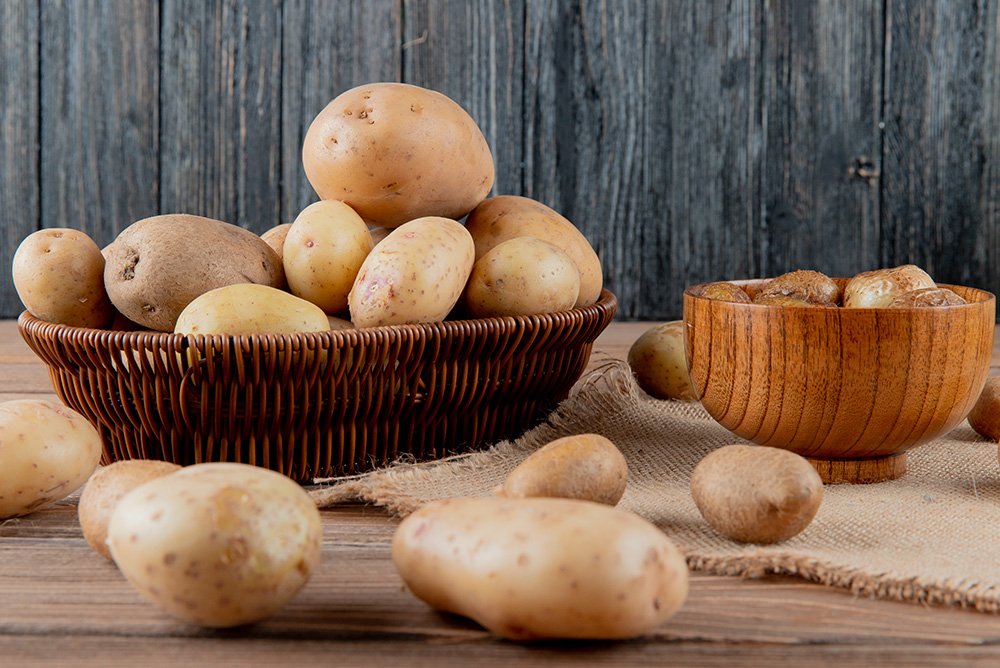
Many of us store onions and potatoes together out of habit, but they make a bad pairing. Onions give off moisture and gases that nudge potatoes towards sprouting, while potatoes can make onions turn soft sooner. Give them separate cupboards. The same rule applies to fruit. Apples, bananas, pears and tomatoes release a natural gas called ethylene. You may have heard the old tip that placing an apple in the potato bag stops sprouting. Research suggests the opposite is true: ethylene tends to encourage sprouting in potatoes rather than prevent it. Your spuds do best with their own space.
4. Do not wash potatoes before storing
It feels tidy to rinse potatoes the moment you get home, but water is the enemy of long storage. Damp skins invite mould and hand the sprout buds exactly the moisture they need. Leave the light soil on, since it actually protects the skin. Only wash potatoes right before you cook them. If they arrive very muddy, brush them dry with a soft brush and let them sit in the open air for an hour before they go into their container.
5. Give the batch a quick check every week
One rotting potato can spoil a whole bag, so build a one minute weekly habit into your routine. Tip the bag out or reach in and feel for any potatoes that are soft, damp or sprouting. Pull out anything suspect and cook the sprouted ones first. This tiny routine is how market gardeners keep sacks of potatoes good for months, and it works just as well in an ordinary kitchen cupboard.
6. Buy a sensible amount for your household
Bulk bags look like a bargain, but a five kilo sack only saves money if you eat it before it sprouts. Most households do best with a smaller bag that gets used up within two to three weeks. If you grow your own potatoes or receive a big harvest share, keep the bulk of it in the coolest and darkest place you have, and bring only a small working supply into the kitchen at a time.
7. Keep the storage spot dry with steady airflow
Damp corners, steamy utility rooms and cupboards directly above the kettle all work against you. Choose a spot with gentle, steady air movement and low humidity. A cupboard with a small gap for ventilation, a pantry shelf kept clear of dishwasher steam, or a cool corner of the garage in winter are all solid choices. Stable conditions matter more than people realise. Potatoes kept somewhere with a constant temperature last far longer than ones that swing between warm and cool.
Where Is the Best Place to Store Potatoes in a UK Home?
Not everyone has a root cellar, so here is how to make the most of a normal home. The classic answer is a cool cupboard or pantry, ideally on a north facing wall that stays cool through the day. Under stair cupboards are often perfect because they are dark, enclosed and far from kitchen heat. A garage or shed works well in autumn and winter as long as temperatures stay above freezing, since frost damaged potatoes turn sweet and mushy. The one place to avoid is the fridge. Cold fridge temperatures turn potato starch into sugar, which changes the flavour and causes dark, bitter patches when the potatoes are fried or roasted. If you have no cool cupboard at all, a breathable bag in the coolest corner of a spare room beats the fridge every time.
Common Potato Storage Mistakes to Avoid
Most sprouting problems come down to a few easy to fix habits. Leaving potatoes in their original plastic bag is the biggest mistake of all. Storing them right next to the onions runs a close second. Other frequent errors include piling the bag in sunlight on the worktop, parking it beside the oven, and washing the potatoes on shopping day. Many people also forget to sort. Damaged or cut potatoes sprout and rot first, so cook those within a day or two and save only the firm, whole ones for the weeks ahead. If you are giving your kitchen storage a wider refresh, the same freshness first thinking applies in our guides on how to keep bread fresh for longer and how to keep fresh herbs fresh longer in the fridge.
How Long Do Properly Stored Potatoes Last?
With cool, dark and dry conditions, maincrop potatoes easily keep for six to eight weeks, and some varieties last for months. New potatoes and thin skinned salad varieties are more delicate, so plan to use them within two weeks. The weekly check matters more than the calendar. As long as each potato feels firm, shows no green skin and carries only tiny sprouts at most, it is still good to cook.
Final Takeaways
Keeping potatoes fresh comes down to a handful of habits rather than special equipment, and now you know exactly how to keep potatoes from sprouting. Store them cool, dark and dry. Give them air with a breathable container. Keep onions and fruit at a distance. Skip the wash until cooking day, and check the batch once a week. Follow these steps and a humble bag of potatoes will stay firm and free of sprouts for weeks, saving you money and cutting food waste. Next time you unpack the shopping, give your potatoes two minutes of care. Future you, planning that roast dinner, will be glad you did.
Frequently asked questions
Can you eat potatoes after they sprout?
Yes, as long as the potato is still firm. Remove the sprouts and any soft spots, then cook it as normal. Throw the potato away if it is green all over, wrinkled and soft.
Do apples stop potatoes from sprouting?
This is a popular old tip, but the science points the other way. Apples release ethylene gas, which tends to encourage sprouting in potatoes. Store your apples and potatoes separately.
Should you store potatoes in the fridge?
No. Fridge temperatures turn potato starch into sugar, which affects the flavour and causes dark patches when fried or roasted. A cool, dark cupboard is a much better choice.
Why do my potatoes sprout so quickly?
Fast sprouting usually means the storage spot is too warm, too bright, or too close to onions or fruit. Move the bag somewhere cooler and darker, and check the batch weekly.
How do you store a large harvest without a cellar?
Use the coolest, darkest room you have and store the potatoes in breathable crates or sacks with good airflow. Keep only a small working supply in the kitchen and inspect the main store every week.
