
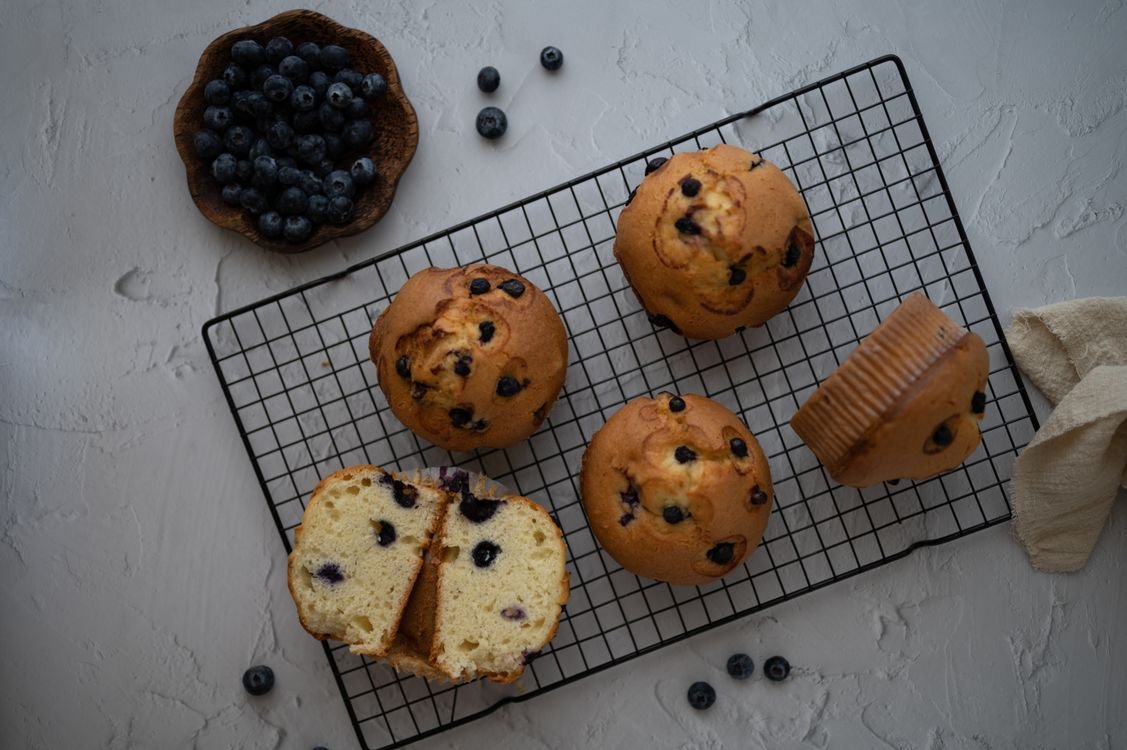
You pull a warm muffin from the pan, peel back the paper, and half the muffin comes away with it. If you have ever asked why do my muffins stick to the paper liners, you are far from alone. This is one of the most common frustrations in home baking, and the good news is that it is almost always fixable with a few small changes.
The short answer is that sticking happens when moisture and sugar in the batter bond with the fibers of the paper as the muffin bakes and cools. Lean batters with little fat, cheap uncoated liners, and leaving muffins in a hot pan too long all make the problem much worse. In this guide you will learn exactly what causes the sticking, how every liner type compares, and nine practical fixes that actually work, plus how to store and reheat muffins so they never stick again.
Why Do My Muffins Stick to the Paper Liners?
To fix the problem it helps to understand what is happening inside the oven. Paper liners are made of pressed plant fibers with tiny pores. As the batter heats up, sugars melt, starches swell, and proteins set, and this sticky mixture presses into those pores. When the muffin cools, the mixture firms up while it is still locked into the paper, almost like glue setting inside fabric.
Fat is the natural release agent in baking. It coats the flour proteins and keeps them from gripping the paper. That is why rich, buttery batters usually pop out of their liners cleanly while lean, low fat batters cling for dear life. But fat is only one piece of the puzzle. Let us look at each cause in turn.
Your Batter May Be Working Against You
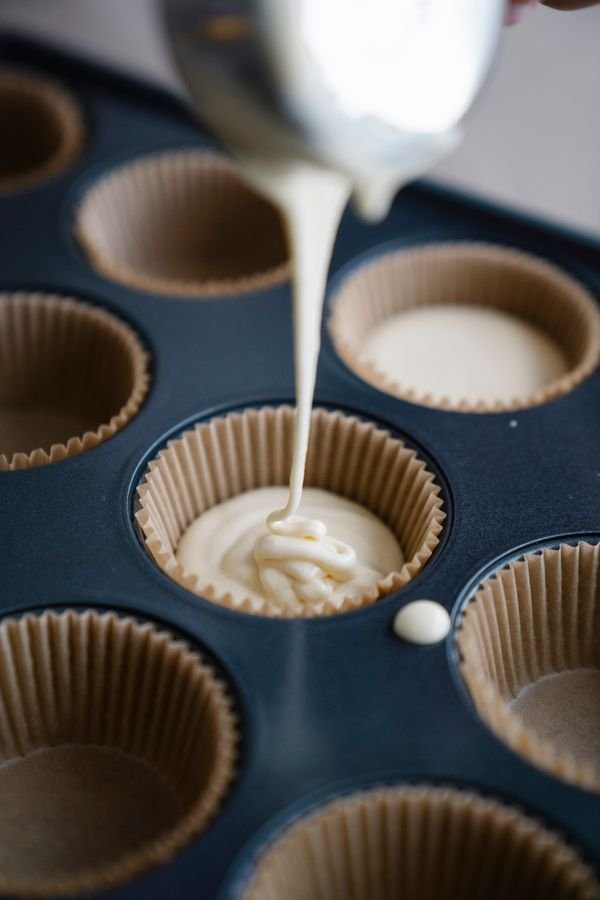
Low fat batters are the number one batter related cause of sticking. Recipes made with applesauce, mashed banana, or yogurt instead of oil or butter simply have less lubrication between the crumb and the paper. The muffin tastes lighter, but it pays for that lightness by fusing itself to the liner.
High sugar batters cause trouble in a different way. Sugar melts into a syrup in the heat of the oven, and that syrup seeps into the paper fibers. As the muffin cools, the sugar firms up and cements the liner to the crumb. Blueberry muffins, streusel topped muffins, and anything with a sugary swirl are classic offenders.
Very wet batters also stick more. Fruit heavy recipes release juice as they bake, and that liquid soaks the liner from the inside. A soggy liner bonds to the muffin far more strongly than a dry one. If your recipe includes fresh berries, grated zucchini, or crushed pineapple, expect extra sticking unless you take steps to prevent it.
Overmixed batter can play a role too. When you stir the batter too much, you develop more gluten, and gluten is stretchy and clingy by nature. A tough, chewy muffin grips paper harder than a tender one. Mix just until the dry ingredients disappear and stop there.
The Liners Themselves Are Often the Problem
Not all paper liners are created equal, and the cheapest ones are usually the worst offenders. Thin, uncoated paper liners have open pores that soak up batter like a sponge. Once that batter sets inside the paper, no amount of careful peeling will save the muffin.
Better liners use a greaseproof coating or a parchment style finish. These liners have a smooth, sealed surface that the batter cannot penetrate easily. They cost a little more, but the difference in release is dramatic. If you have only ever bought the cheapest multipack at the supermarket, upgrading your liners alone may solve the problem.
Wax coated liners sit in the middle. They resist moisture better than plain paper, but the coating can melt at high oven temperatures and lose some of its nonstick quality. They are fine for standard bakes but not the best choice for very hot ovens or long bake times.
Decorative liners with printed patterns can stick more than plain ones. The inks and surface treatments on some printed liners interfere with the coating, and darker colors absorb more heat, which can overbake the edges. Pretty liners are lovely for parties, but for everyday baking, plain greaseproof liners perform better.
Steam Is the Silent Culprit
Here is the cause most bakers never suspect. When muffins finish baking, they are full of steam. If you leave them sitting in the hot pan, that steam has nowhere to go. It condenses between the muffin and the liner, turning the paper damp and soft. Damp paper bonds to the crumb, and by the time the muffins cool, the two are practically one.
This is why muffins that released beautifully when warm can become impossible to unwrap after sitting in the pan for half an hour. The sticking did not happen in the oven. It happened during cooling. It is the same basic physics you see with other foods, and our piece on when food clings to the pan explains the sticking side of things in more detail.
The fix is simple once you know it. Get the muffins out of the pan quickly and let the steam escape. A wire rack allows air to circulate all around each muffin, so the liners stay dry and the release stays clean.
Overfilling and Underbaking Make It Worse
Cups filled to the brim bake into wide muffin tops that drape over the liner edges. Batter that spills over the rim bakes directly onto the outside of the paper and glues the whole liner to the pan and to itself. Fill cups no more than two thirds full and you avoid this mess entirely.
Underbaked centers are another hidden cause. If the middle of the muffin is still wet when you take the pan out, that wet crumb stays soft and tacky against the paper as it cools. It never sets firmly enough to pull away cleanly. A toothpick test is your best friend here. If it comes out with wet batter, give the muffins a few more minutes.
Paper vs Parchment vs Foil vs Silicone: Which Liner Sticks the Least?
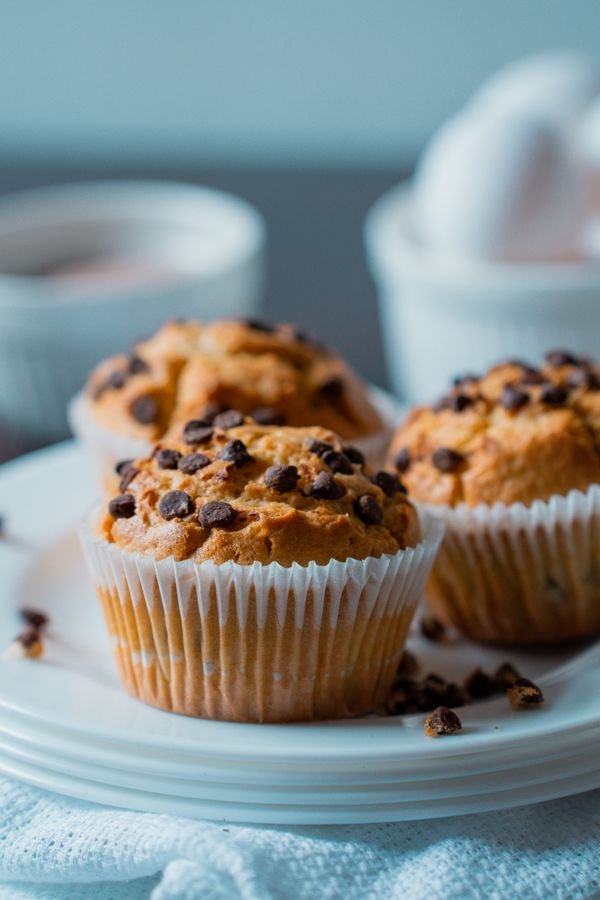
Choosing the right liner is half the battle. Here is how the main options compare, from worst release to best.
- Standard plain paper liners. The worst for sticking. Thin, absorbent, and uncoated. Fine for rich, high fat batters if you grease them first, but a poor choice for lean or fruity recipes.
- Wax coated paper liners. Better moisture resistance than plain paper, but the coating can break down in a hot oven. A decent middle ground for everyday baking.
- Greaseproof and parchment liners. The best paper option by far. The sealed, smooth surface stops batter from soaking in, so muffins release cleanly even with low fat recipes. Look for liners labeled greaseproof, parchment, or nonstick on the pack.
- Foil liners. Excellent release because batter cannot soak into metal at all. They also hold their shape beautifully and keep muffins fresher longer. The only downsides are cost and the fact that you cannot see the muffin through the liner.
- Silicone cups. Reusable, naturally nonstick, and muffins pop out with a gentle squeeze. They need no liner at all. The trade off is that they do not give you that classic bakery look, and muffins baked in silicone sometimes brown a little less on the sides.
If you bake muffins often, keep two types on hand. Use greaseproof paper liners for everyday batches and foil liners or silicone cups for lean, fruity, or sticky recipes. That combination covers nearly every situation.
9 Fixes That Stop Muffins From Sticking
These nine fixes are ordered from the easiest win to the deeper batter tweaks. Start at the top and work down until your muffins release perfectly.
- Grease the liners before filling. A quick spray of nonstick cooking spray or a light brush of melted butter or oil inside each liner creates a barrier the batter cannot grip. This single step fixes most sticking problems, even with cheap liners. Do it right before you add the batter so the coating does not soak away.
- Switch to parchment or greaseproof liners. If greasing feels like a chore, upgrade the liners instead. Parchment style liners have a sealed surface that resists sticking on its own. Many bakers find they never need to grease these at all. Buy a pack and compare them side by side with your old liners. The difference is usually obvious on the very first batch.
- Try foil liners for wet batters. For recipes loaded with fruit, jam swirls, or sugary streusel, foil liners are close to foolproof. Moisture cannot penetrate metal, so even the stickiest batter releases cleanly. They are ideal for blueberry muffins and anything with a gooey center.
- Cool in the pan for 5 minutes, not 30. Let the muffins rest in the hot pan for just 5 to 10 minutes, long enough to firm up so they hold their shape. Then lift them out onto a wire rack. This short rest prevents breakage while still letting the steam escape before it can glue the liners in place. Setting a timer helps, because it is easy to forget a pan sitting on the stove.
- Use the warm towel trick. If muffins are already stuck, place the hot pan on a damp kitchen towel for 2 to 3 minutes. The gentle steam loosens the bond between the liner and the pan, and the slight cooling helps the muffin firm up. Then transfer the muffins to a wire rack. This trick also works preventively. Some bakers rest the pan on a damp towel for the first minute of cooling.
- Check your oven temperature. An oven that runs cool bakes muffins slowly, leaving the centers damp and tacky for longer. An oven that runs hot overbakes the edges while the middle stays wet. Either way, sticking gets worse. An inexpensive oven thermometer tells you the truth. Most muffins bake best at 180 degrees Celsius (350 degrees Fahrenheit), and even a 10 degree error can change the result.
- Fill cups only two thirds full. Overfilled cups spill batter over the liner edges, and that overflow bakes into a sticky mess that glues everything together. A standard ice cream scoop gives you a consistent fill. Leave room for the muffins to rise without breaching the rim.
- Add a little more fat to lean batters. If your recipe uses applesauce or yogurt in place of oil, try replacing just one quarter of the substitute with real oil or melted butter. You keep most of the lighter texture while giving the crumb enough lubrication to release. Even one extra tablespoon of oil in a 12 muffin batch can make a noticeable difference.
- Let muffins cool fully before wrapping. Wrapping warm muffins traps steam inside the packaging, and the liners turn soggy and bond to the crumb all over again. Wait until the muffins are completely cool to the touch, then store them properly. Once cool, wrap them the way we describe in our guide to keeping baked goods fresh so they stay soft for days without going soggy.
The Cooling Window Most Bakers Miss
Cooling is where most sticking actually happens, so it deserves special attention. Think of cooling in three stages. In the first 5 to 10 minutes, the muffins are still in the pan, firming up enough to move safely. In the second stage, they sit on a wire rack for 30 to 45 minutes while steam escapes freely and the crumb sets. In the third stage, they are fully cool and ready to store.
The danger zone is leaving muffins in the pan past that first stage. A hot pan keeps pumping heat into the muffins while trapping steam underneath them. Ten minutes is the sweet spot for most standard muffins. Large bakery style muffins may need 12 to 15 minutes because their centers stay hot longer, but never leave any muffin in the pan for half an hour.
A wire rack is worth the small investment if you do not own one. It lifts the muffins into the air so moisture escapes from the bottom as well as the top. Cooling muffins on a plate or a cutting board traps steam underneath and recreates the same soggy liner problem you were trying to avoid.
If you live somewhere humid, cooling matters even more. Moist air slows evaporation, so liners stay damp longer. In humid weather, move muffins to the rack at the 5 minute mark rather than waiting, and let them cool near good air circulation.
Mini Muffins Need Extra Care
Mini muffins stick more often than standard ones, and the reasons are simple geometry. They have more surface area touching the liner relative to their volume, so there is more contact where bonding can happen. They also bake faster, which means the window between done and overbaked is narrow.
Use mini sized parchment liners rather than cutting down standard ones, and grease them lightly even if the pack claims they are nonstick. Fill mini cups only half to two thirds full, because mini muffins rise proportionally more. Start checking for doneness at 10 minutes, since most mini muffins finish between 10 and 14 minutes at 180 degrees Celsius.
Cool mini muffins out of the pan even sooner than standard ones. Three to five minutes in the pan is plenty. Their small size means they firm up fast, and every extra minute in the hot pan is another minute of trapped steam working against you.
Storing and Reheating Without the Sticking Coming Back
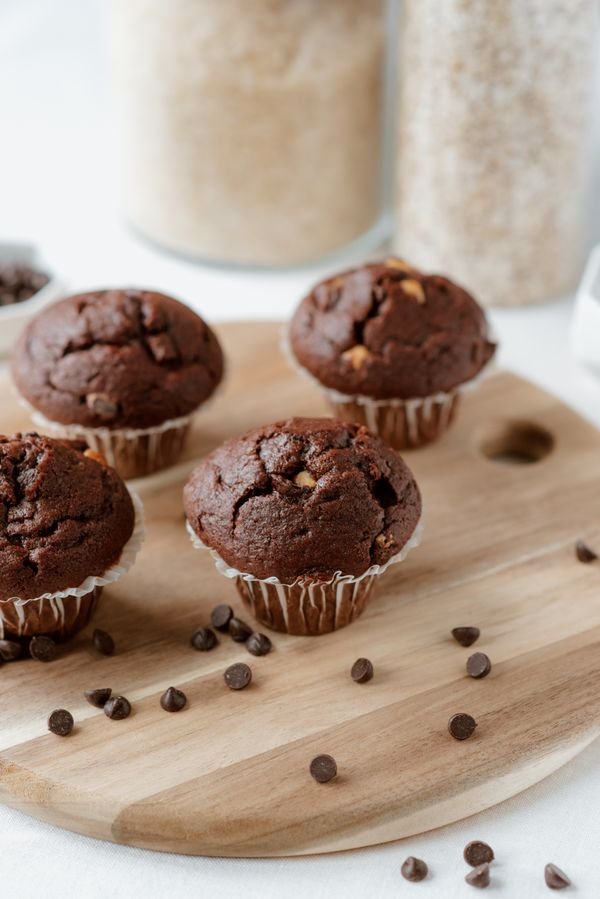
You did everything right, the muffins unwrapped beautifully, and then they stuck to their liners again overnight in the storage container. This happens because muffins release moisture as they sit, and sealed containers trap that moisture against the paper.
The solution is to store muffins with a paper towel in the container. Line the container with a paper towel, arrange the muffins in a single layer, and lay another paper towel over the top before sealing the lid. The towels absorb excess moisture and keep the liners dry. Replace the towels if they become damp.
Keep muffins at room temperature for up to 3 days. Refrigeration makes the crumb go stale faster and encourages condensation when the cold muffins meet warm air. For longer storage, freeze them instead. Wrap each fully cooled muffin individually in cling film, then place them in a freezer bag. They keep well for up to 3 months.
To reheat, unwrap the muffin first while it is still cold or at room temperature. Cold liners release more easily than warm ones. Then warm the unwrapped muffin in the microwave for 15 to 20 seconds or in a warm oven for 5 to 8 minutes. Never reheat a muffin in its liner in the microwave, because the steam will glue the paper right back on.
Final Takeaways for Muffins That Release Cleanly
Now you know exactly why do my muffins stick to the paper liners is such a common question. It comes down to batter gripping paper fibers, cheap uncoated liners soaking up moisture, and steam trapped during cooling cementing the two together. None of these causes is mysterious once you see them, and none of them is hard to fix.
If you remember nothing else, remember these three habits. Grease your liners or buy greaseproof ones, get the muffins onto a wire rack within 10 minutes, and let them cool fully before wrapping. Those three steps alone solve the problem for the vast majority of bakers.
For the stubborn cases, lean batters, fruit heavy recipes, and mini muffins, reach for foil liners or silicone cups and add a spoonful of extra fat to the batter. Keep an oven thermometer handy, fill cups two thirds full, and store cooled muffins with paper towels to absorb moisture. Follow this playbook and every muffin will unwrap cleanly, with the whole muffin staying where it belongs.
Frequently Asked Questions
Should I grease paper muffin liners?
Yes, especially if you use standard plain paper liners or bake low fat recipes. A quick spray of nonstick cooking spray or a light brush of oil inside each liner prevents most sticking. Parchment or greaseproof liners often release well without greasing.
Why do my low fat muffins stick more than regular ones?
Fat acts as a natural release agent by coating flour proteins and stopping them from gripping the paper. When you replace oil or butter with applesauce or yogurt, that lubrication disappears and the crumb bonds directly to the liner fibers.
Are silicone muffin cups better than paper liners?
For release, yes. Muffins pop out of silicone with a gentle squeeze and there is no paper to stick at all. The trade offs are a less traditional look and slightly less browning on the sides. Many bakers use silicone for sticky recipes and paper for presentation batches.
How long should muffins cool in the pan before moving them?
About 5 to 10 minutes for standard muffins, and 3 to 5 minutes for mini muffins. This is long enough for them to firm up so they do not break, but short enough that trapped steam cannot soak the liners. Then move them to a wire rack to finish cooling.
Can I stop muffins from sticking to liners when I freeze them?
Yes. Cool the muffins fully, then wrap each one individually in cling film before freezing. Unwrap them while still cold before reheating, because warm steam in a microwave will glue the liner back onto the muffin.

2 Comments
Pingback: How to Make Fake Blood Without Corn Syrup: Three Easy Recipes - Daily Spark News
Pingback: Pumpkin Puree Without a Blender: Easy Method