
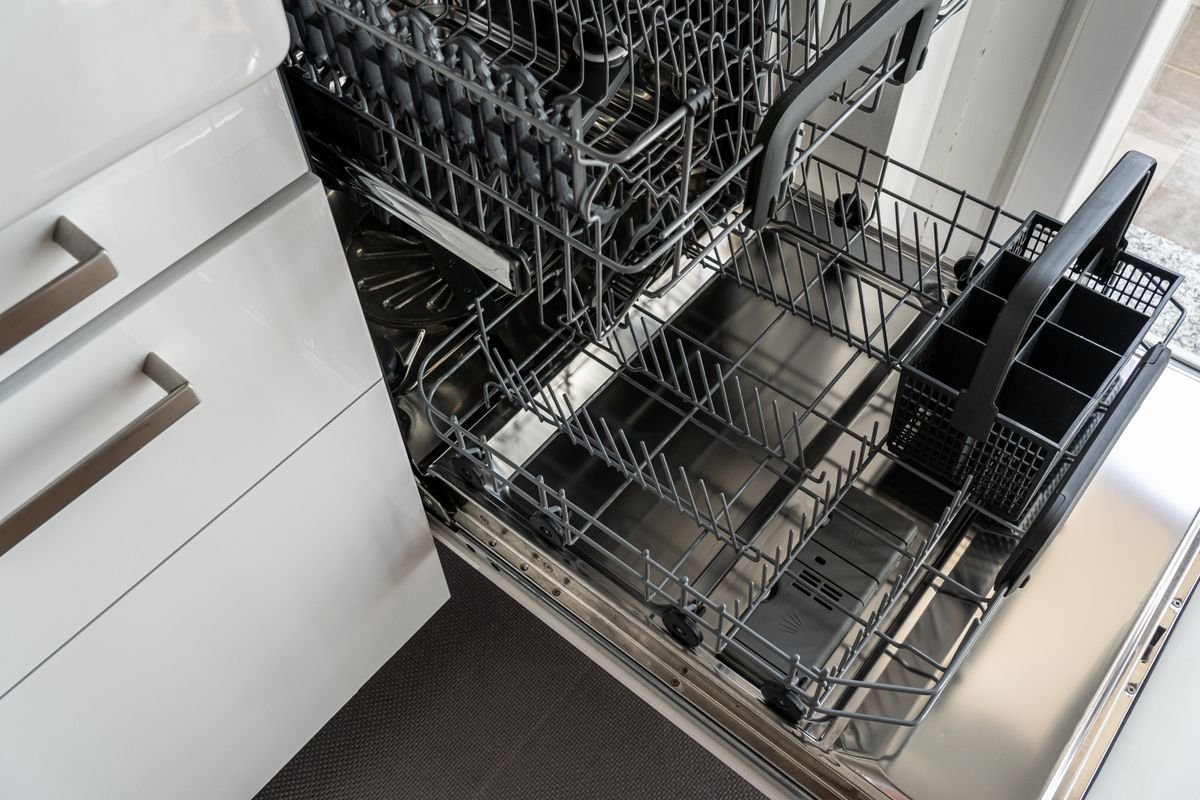
You open the dishwasher door expecting the clean scent of fresh dishes. Instead, a damp musty odor rolls out that smells exactly like a wet dog. Your plates look spotless, the cycle finished normally, and yet the whole machine stinks. If this sounds familiar, you are dealing with one of the most common and most annoying dishwasher problems in American homes.
The good news is that a dishwasher smelling like wet dog is almost never a sign of a broken machine. It is a cleaning problem hiding in places your wash cycle never reaches. This guide walks you through what that smell actually is, the surprising food that causes it most often, the seven spots where the odor hides, and a simple 30 minute deep clean that removes it for good. You need no special tools and no harsh chemicals.
What That Wet Dog Smell Actually Is
That musty wet dog odor is not a mechanical failure. It is a microbial one. Inside every dishwasher lives a warm damp environment where tiny food particles settle in corners and crevices. Bacteria feed on those particles and form a thin slimy layer called biofilm on surfaces like the filter, the spray arms, and the rubber door seal.
As bacteria break down proteins and fatty acids from your meals, they release volatile organic compounds. Those are the gases your nose reads as a damp dog smell. Cooked eggs, dairy, and sulfur rich vegetables are the worst offenders because they contain sulfur compounds that turn into hydrogen sulfide gas during breakdown. Hydrogen sulfide smells like rotten eggs on its own, and when it mixes with other food residue and detergent, it reads as that familiar musty wet dog stink.
So when you catch that whiff, your dishwasher is telling you that organic residue is staying damp somewhere inside it and odor producing organisms are thriving. The fix is to find the hiding spots and clean them, not to buy a new machine.
The Surprising Number One Cause: Cooked Egg Residue
Ask around appliance repair forums and one answer comes up again and again: eggs. More specifically, cooked egg residue left on plates and pans. This one catches people off guard because eggs seem harmless. But the science is straightforward. Cooked eggs contain sulfur compounds that, when left on dishes and heated through a hot wash cycle, release hydrogen sulfide gas. That gas can transfer to every glass, plate, and utensil in the load.
One homeowner on Reddit figured this out the hard way after a batch of egg bites left egg baked onto a muffin tin. The dishwasher could not fully remove the egg on the first run, the tin went back in a second time, and the wet dog smell spread to everything. Once the eggy tin was removed and the dishwasher filter was cleaned, the smell disappeared. A plumbing professional confirmed the chemistry: as egg material breaks down, it releases hydrogen sulfide gas, which blends with moisture and detergent residue into that musty odor.
The practical takeaway is simple. If you eat eggs for breakfast, scrape and rinse egg plates, spatulas, and pans before they go into the dishwasher. Cooked egg that sits on a plate for hours gets harder to remove and more likely to stink up the whole cycle. This one habit alone solves the problem for many households.
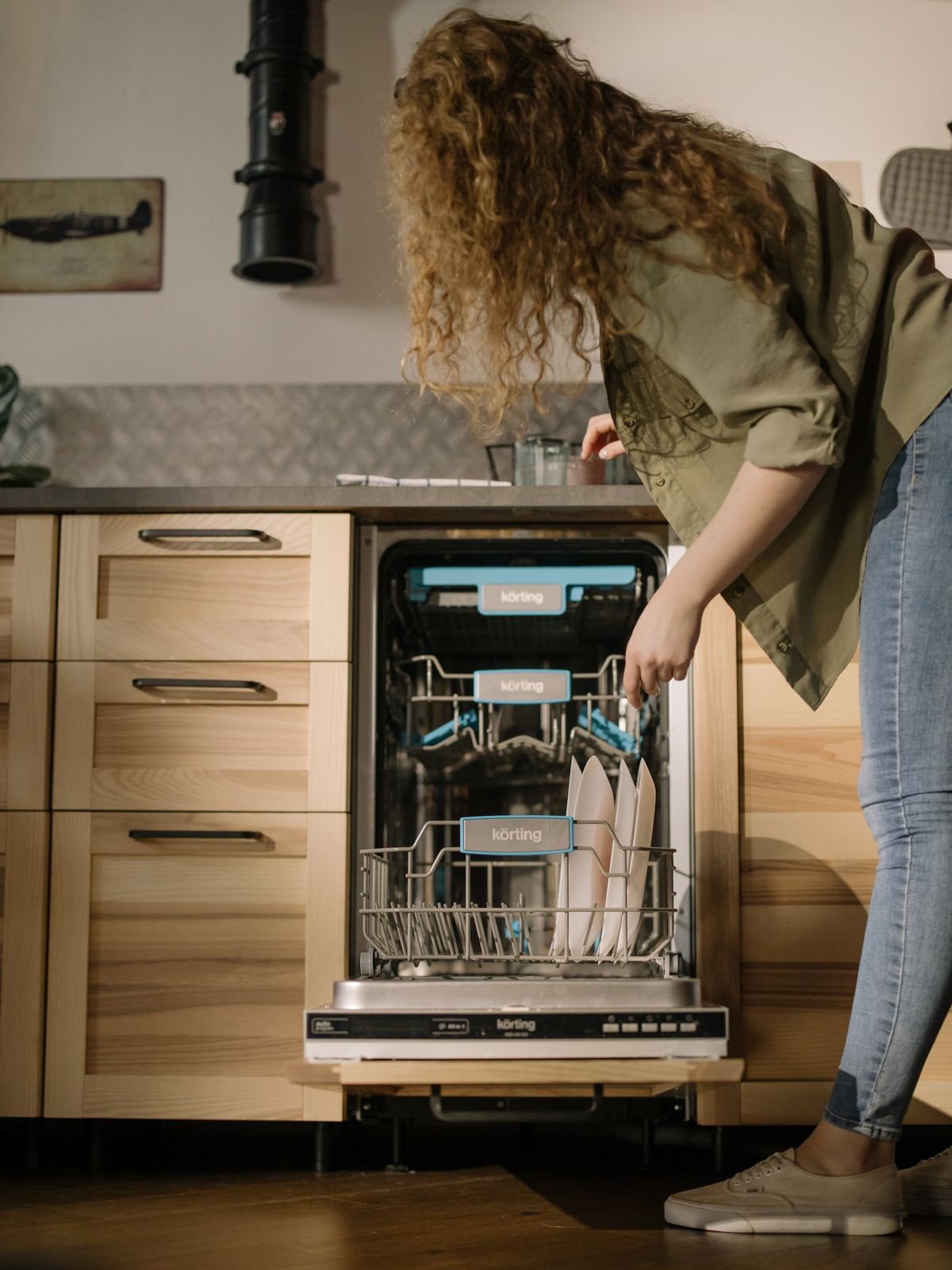
Seven Places the Smell Hides and How to Clean Each One
If eggs are not your problem or rinsing them did not fix it, the smell is hiding in one of these seven places. Work through them in order.
1. The dishwasher filter
Most modern dishwashers have a removable filter at the bottom of the tub. It catches food particles so they do not clog the drain. But if it is not cleaned regularly, trapped food starts to rot right there. Twist the filter out, soak it in hot soapy water for ten minutes, and scrub it with a soft brush or old toothbrush. Rinse it well and put it back. Clean the filter once a month going forward.
2. The spray arms
The spinning spray arms distribute water during the cycle, and food particles love to lodge in their tiny holes. Pull out the lower rack, twist the lower spray arm free, and remove the upper rack to reach the upper arm. Use a toothpick to clear each hole, then rinse the arms under warm water. Letting them soak in vinegar for a while loosens stubborn grime.
3. The rubber door seal
The gasket around the dishwasher door stays damp long after a cycle and almost never gets rinsed. Moisture collects there and mold moves in. Dip a soft rag in warm soapy water and wipe the entire seal, including the folds. For stubborn spots, make a paste of baking soda and water and scrub gently, then wipe dry. Do this every few weeks.
4. The pump sump and standing water
Under the filter sits the pump sump, a low point where a small amount of water always remains. If the machine is not draining fully, that water turns dirty and feeds odor. After a cycle, open the door and check whether water pools at the bottom beyond the normal small puddle. If you see standing water, the filter or drain path needs attention first.
5. The drain hose and the missing high loop
This is the fix Reddit users swear by. Your drain hose should run upward in a high loop under the sink before it drops down to the drain or garbage disposal. Without that loop, dirty sink water can flow back into the dishwasher between cycles, bringing food waste and smell with it. You can usually see the loop just by looking under the sink, no tools needed. If the hose runs straight into the drain, that is very likely your culprit. Repositioning it into a high loop is an easy fix, but call a plumber if the hose connections look complicated.
6. The garbage disposal connection
If your dishwasher drains through a garbage disposal, leftover food in the disposal can push odors backward into the dishwasher hose. Run the disposal with cold water before starting the dishwasher, and clean the disposal itself regularly with ice cubes and a lemon wedge. A dirty disposal is often the true source of the smell.
7. Mold under the racks and on the tub walls
Water pools and stays stagnant under the racks and along the tub walls, especially near the bottom corners. Bacteria and mold grow in these films even when the machine looks clean. During your deep clean, wipe the interior walls and the bottom of the tub with a vinegar dampened cloth before you run the maintenance cycle.
The 30 Minute Deep Clean That Ends the Smell
Once you have checked the hiding spots, run this deep clean. It combines hand cleaning of the parts with a vinegar wash cycle that reaches everything else. Set aside about half an hour.
Step 1: Empty the dishwasher and pull the racks out. Give yourself full access to the bottom of the tub. Set the racks aside.
Step 2: Remove and scrub the filter. Twist out the filter assembly, soak it in a sink of hot soapy water, scrub every surface with a brush, rinse, and reinstall it. This single step fixes more smelly dishwashers than anything else.
Step 3: Clear the spray arms. Twist off both spray arms and poke out each hole with a toothpick. Rinse them under hot water and put them back. A quick vinegar soak helps with mineral buildup if you live in a hard water area.
Step 4: Wipe the door seal and tub walls. Go over the rubber gasket with warm soapy water, then wipe down the interior walls and bottom of the tub with a cloth dampened with white vinegar.
Step 5: Run the vinegar wash. Place a dishwasher safe bowl filled with one to two cups of white vinegar on the top rack. Run the dishwasher empty on the hottest cycle your machine offers. The vinegar cuts grease, kills odor causing bacteria, and dissolves the film the bacteria live on. If you want a gentler approach, a steam style clean with vinegar works the same way it does in a microwave. Our guide on how lemon and vinegar loosen grease in a microwave shows the same principle at work.

Step 6: Finish with baking soda. After the vinegar cycle ends, sprinkle a cup of baking soda across the bottom of the tub and run a short hot rinse. Baking soda absorbs lingering odors and leaves the interior smelling fresh.
Step 7: Leave the door ajar. Prop the door open a couple of inches after the cycle. Air circulation lets the remaining moisture evaporate instead of feeding bacteria overnight.
If the smell is gone after this protocol, you have won. If it is weaker but still there, repeat the vinegar cycle once more. A smell that survives two deep cleans usually points to a plumbing issue like a poorly routed drain hose, which needs a professional look.
Check the Drain Hose High Loop Under Your Sink
Because this fix is so often overlooked, it deserves its own moment. Open the cabinet under your sink and look at the hose running from the dishwasher to the sink drain or garbage disposal. It should rise up and fasten to the underside of the countertop, then loop back down to the drain. That high loop uses gravity to stop dirty sink water from flowing backward into your dishwasher.
If the hose runs straight into the drain with no loop, sink water can sit in the hose and slowly feed the wet dog smell into your dishwasher every single day. You can often secure the hose into a loop yourself with a zip tie or a screw mounted hook, making sure the top of the loop sits as high as possible under the counter. If you are not comfortable touching the plumbing, a plumber can do this in minutes.
When the Smell Is the Dishes, Not the Dishwasher
Sometimes the dishwasher is innocent. Certain dishes, especially matte finish stoneware and unglazed ceramic plates, are porous enough to absorb odors during the wash. If the wet dog smell started right after you bought a new set of plates, test this theory: run a load without those dishes and smell the rest of the load. If the smell disappears, you have found your problem.
There is no great fix for porous dishes other than retiring them from dishwasher duty or washing them by hand. It feels strange to blame the plates, but plenty of people have spent weeks deep cleaning their dishwasher only to discover a set of matte blue dinner plates was the real source.
How to Keep the Smell From Coming Back
A fresh smelling dishwasher is a maintenance habit, not a one time project. These five habits take almost no effort.
Scrape every plate, rinse the eggy ones. You do not need to fully wash dishes before loading, but scrape off solid food and give egg and dairy crusted items a quick rinse. Your dishwasher is designed for food film, not solid waste.
Clean the filter monthly. Set a phone reminder. A clean filter is the single biggest predictor of an odor free machine.
Leave the door cracked after every cycle. Moisture trapped in a sealed dark tub is an invitation for mildew. Even a one inch gap makes a huge difference.
Run hot water and use enough heat. Your water heater should deliver water between 120 and 140 degrees Fahrenheit to the dishwasher. Lukewarm water leaves grease behind and bacteria alive. You can check the temperature by running the kitchen tap and holding a thermometer in the stream.
Run a vinegar maintenance cycle monthly. An empty hot cycle with a bowl of vinegar costs almost nothing and keeps buildup from returning. Appliances last longer and smell better when they get regular attention, and your freezer is no different. Keeping up with tasks like defrosting a freezer quickly and safely stops other kitchen odors before they start.
One more tip: keep the machine running regularly. A dishwasher that sits unused for a week or two develops stale water smells fast. If you are going away, leave the door open while you are gone.
Conclusion
A dishwasher that smells like wet dog is annoying but very fixable. The smell comes from bacteria and biofilm feeding on food residue in places the wash cycle never reaches, with cooked egg residue as the most surprising and most common trigger. Start by rinsing egg plates before loading, then work through the hiding spots: the filter, the spray arms, the door seal, and the drain hose. The 30 minute deep clean with vinegar and baking soda removes most odors in a single session. Check the high loop under your sink, keep the door ajar after cycles, and clean the filter monthly, and your dishwasher will stay as fresh as your dishes look. Odors are rarely just a dishwasher problem, by the way. If the whole kitchen still smells off, the culprit could be nearby, so see why a fridge can keep smelling even after a deep clean too.
Frequently Asked Questions
Is a wet dog smell in a dishwasher dangerous?
No, it is unpleasant but not harmful. The odor comes from bacteria and food residue, not toxic chemicals. Still, a dirty dishwasher does not clean well, so it is worth fixing for hygiene reasons.
Why do my dishes smell like wet dog even though the dishwasher looks clean?
The smell hides where you cannot see it: inside the filter, under the spray arms, in the pump sump, and inside the drain hose. These areas collect food residue and biofilm that a normal cycle never touches. Hand cleaning them usually solves it.
Can I use bleach to remove the dishwasher smell?
Skip the bleach. It can damage stainless steel interiors and rubber seals, and it does not remove the food residue that feeds the odor. White vinegar and baking soda are safer and more effective for this job.
How often should I clean my dishwasher filter?
Once a month is the sweet spot for most households. If you cook often or load dishes with heavy food soil, check it every two weeks. A clean filter is the best defense against returning odors.
Why does my brand new dishwasher smell like wet dog?
New dishwashers can smell if the drain hose was installed without a high loop, letting dirty sink water flow back into the tub. Check the hose routing under the sink first. Manufacturing oils can also cause a temporary odor that fades after a few hot cycles.
