
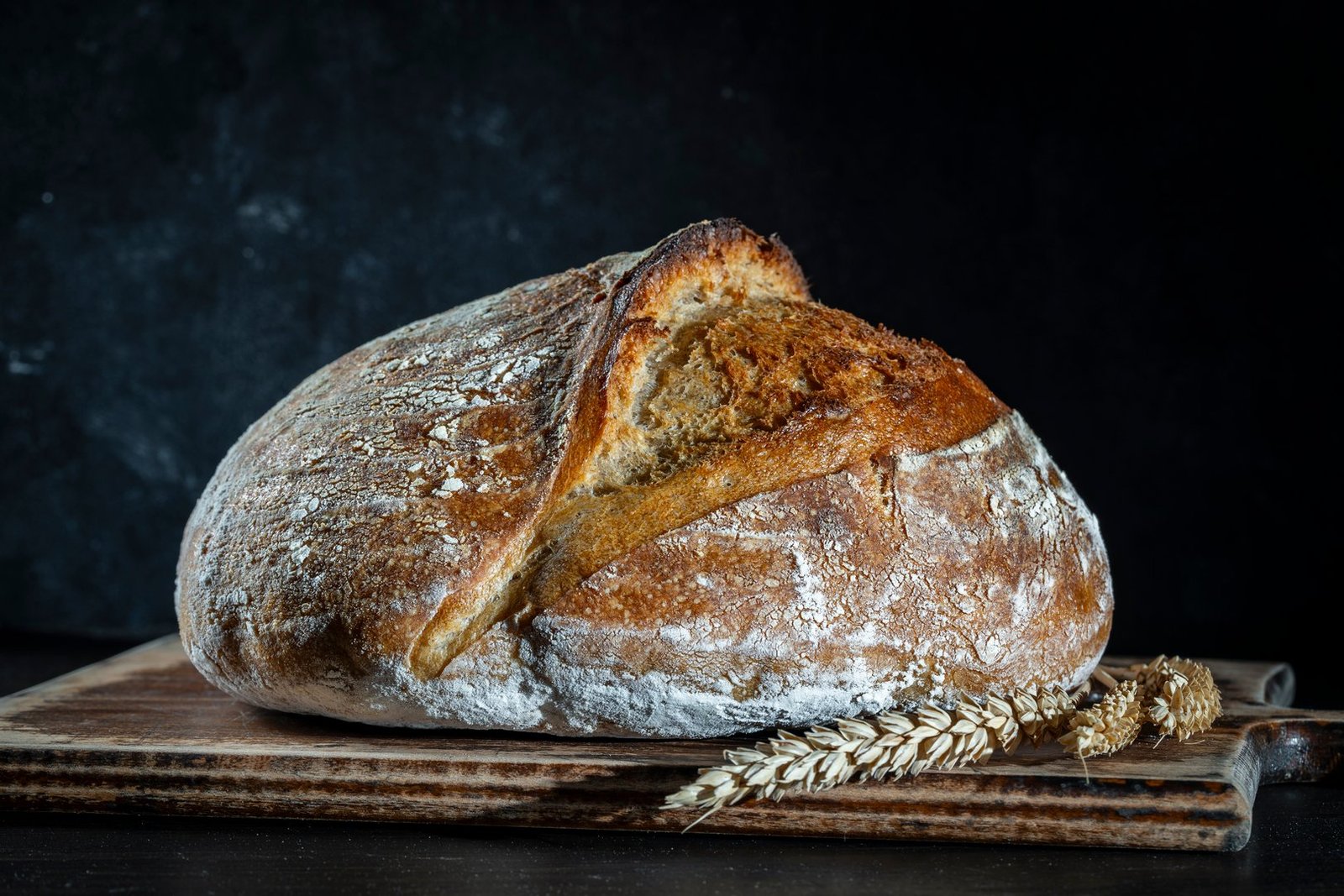
There is nothing quite like a fresh loaf. The crackle of the crust, the soft spring of the crumb, the smell that fills the whole kitchen. Then, one day later, that same loaf feels firm, tastes dull and starts to crumble instead of slice. If you have ever wondered how to keep bread fresh for longer, you are not alone. Bread is one of the most wasted foods in British homes, and most of that waste comes down to storage mistakes that are easy to fix.
The good news is that keeping bread fresh for longer does not require special gadgets or complicated tricks. A few small changes to how you store, slice and freeze your bread can stretch its life from a day or two to a full week, and even months if you use the freezer properly. This guide walks through the science of staling, the storage methods that actually work, and the ones you should avoid.
Whether you buy crusty sourdough from the bakery, soft sandwich loaves from the supermarket or bake your own at home, the rules below will help you waste less and enjoy better bread.
Why bread goes stale so fast
Bread staling is not really about drying out, although moisture loss plays a part. The main culprit is a process called starch retrogradation. When bread bakes, starch molecules absorb water and swell into a soft gel. As the loaf cools and sits, those starch molecules slowly reorganise and crystallise again, squeezing water out and turning the crumb firm and leathery. This happens fastest at fridge temperatures, which is why the fridge is the worst place for most bread.
Moisture migration speeds things along too. Water moves from the soft crumb to the crisp crust, which is why a baguette turns limp while its middle goes tough. Air exposure dries the surface, warmth encourages mould, and every cut you make opens a new surface to the air. Understanding this helps explain why the best storage methods all do the same two things: they limit air exposure and they keep the loaf at a stable, cool room temperature.
Enriched breads with fat, sugar or eggs, like brioche and soft rolls, stale more slowly because the fat coats the starch and slows crystallisation. Lean crusty breads like baguettes and ciabatta stale fastest, sometimes within hours. Sourdough sits in the middle: its natural acidity slows both staling and mould, which is one reason it keeps better than ordinary white bread.
The best way to keep bread fresh for longer
For most loaves, the simplest answer to how to keep bread fresh for longer is room temperature storage in something breathable. A cool, dry spot away from direct sunlight and heat sources, like a pantry shelf or a kitchen cupboard, beats the worktop next to the oven every time. Heat and steam from cooking create exactly the warm, damp conditions that mould loves.
How you position the loaf matters as well. Once sliced, store the loaf with the cut face pressed down on a clean board or plate. The crust then acts as a natural shield, protecting the exposed crumb from the air. This one habit alone can buy you an extra day of freshness, and it costs nothing.
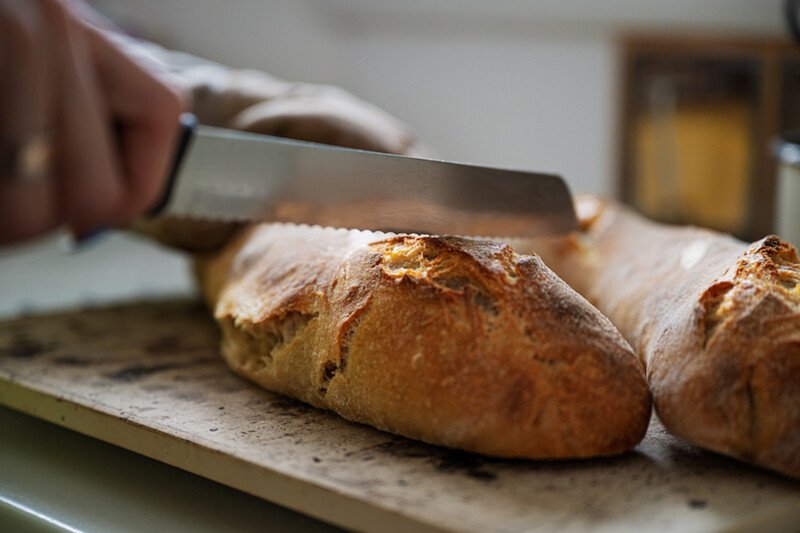
Only slice what you need. Every slice you cut exposes fresh crumb to the air and speeds up staling for the rest of the loaf. If your household eats toast one slice at a time, leave the loaf whole and cut as you go rather than slicing the entire thing in advance.
Bread boxes: the classic storage hack
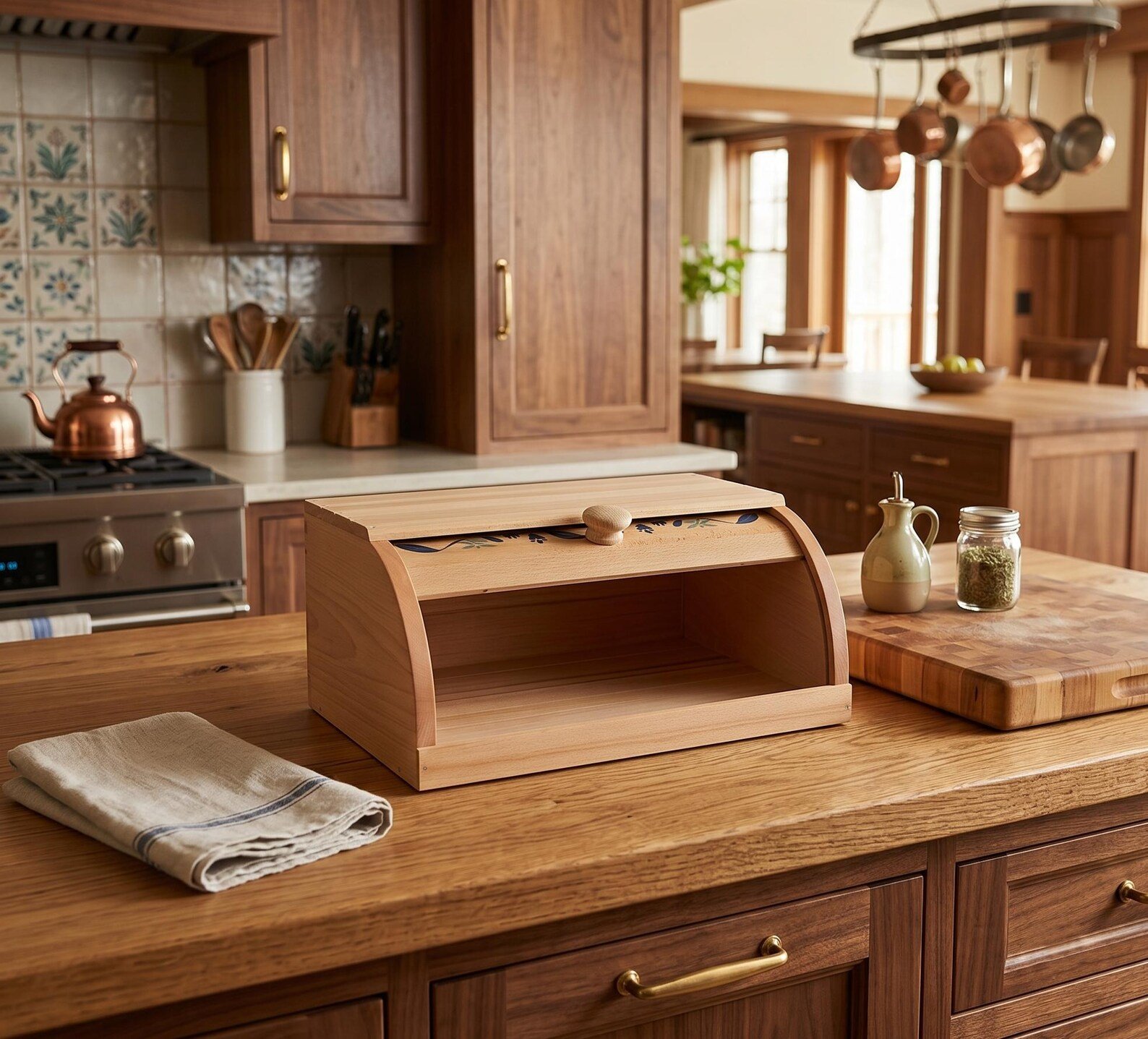
The humble bread box earns its place on the counter. A wooden, bamboo or metal bread box creates a stable little microclimate around the loaf: it slows air circulation enough to keep the crumb moist, but it still allows enough ventilation to stop condensation building up. That balance is exactly what bread needs.
Choose a box that is big enough for your usual loaf with a little room to spare, and keep it clean. Crumbs left in the corners hold moisture and feed mould spores, so give the box a quick wipe and empty it once a week. A bread box works brilliantly for sourdough, country loaves and sandwich bread alike, and most loaves will stay pleasant for three to four days inside one.
Paper, cloth and beeswax wraps that work
If you do not have a bread box, breathable wrapping is the next best thing. A simple paper bag is excellent for crusty bread for the first day or two. It lets the crust breathe so it stays crisp, while slowing moisture loss from the crumb. Fold the top over loosely rather than sealing it tight.
A clean linen tea towel or bread bag works in a similar way and is reusable, which makes it a lovely low waste option. Wrap the loaf snugly and pop it in the cupboard. For cut loaves, beeswax wraps are a smart choice: they mould around the loaf, keep air out and can be wiped clean and reused for months. They suit sourdough and sandwich bread particularly well.
What about plastic bags? Plastic traps moisture, which keeps soft sandwich bread feeling soft, but it also softens crusts and encourages mould. If plastic is your only option, leave the bag slightly open or use it only for soft enriched loaves that you will finish within a day or two.
Freezing bread: your best weapon against waste
When you know you will not finish a loaf within three days, the freezer is your friend. Freezing almost completely halts starch retrogradation, so a well wrapped loaf can keep excellent quality for up to three months. This is the single most effective way to keep bread fresh for longer across weeks rather than days.
Slice before you freeze. Frozen slices let you take out exactly what you need, and they thaw far faster than a whole loaf. Wrap slices or the whole loaf first in foil or baking paper to protect the crust, then slip everything into a freezer bag and press out as much air as you can. Less air means less freezer burn and better flavour. Label the bag with the date so you use older bread first.
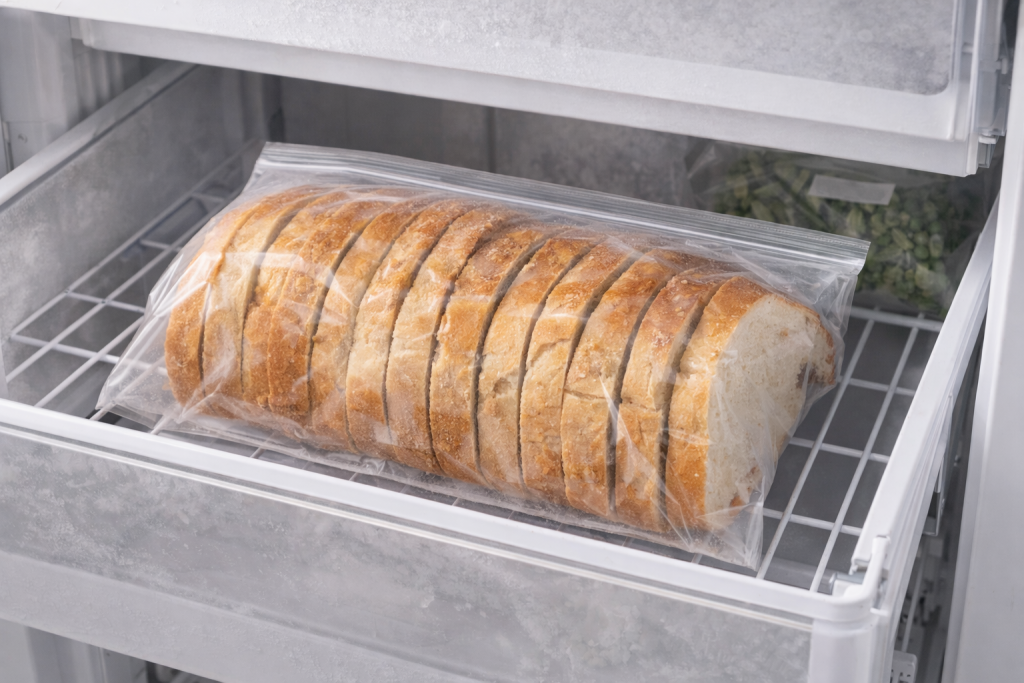
Thaw bread still wrapped at room temperature. Unwrapping too early lets condensation form on the cold surface, which ruins the crust texture. Slices thaw in twenty to thirty minutes on the counter, or you can toast them straight from frozen. For a whole loaf, warm it in the oven at 180°C for eight to ten minutes after thawing and the crust will crisp up beautifully.
One honest note: the fridge is not a substitute for the freezer. Cold fridge temperatures actually speed up starch crystallisation, so bread stored in the fridge goes stale faster than bread kept at room temperature. (Fridge storage suits some foods well, for example keeping fresh herbs fresh longer, but bread is not one of them.)
Different breads need different rules
Not all bread behaves the same, so match your method to the loaf. Crusty breads like baguettes, ciabatta and sourdough do best in paper bags or a bread box at room temperature, eaten within two to three days or frozen for later. Their crisp crusts suffer most from plastic.
Soft sandwich bread and enriched rolls are more forgiving. They keep well in a bread box or a loosely closed bag at room temperature for up to a week, thanks to the fat and sugar in the dough. Brioche and hot cross buns follow the same rules.
Homemade bread with no preservatives stales faster than shop bought loaves, so plan around that. Eat it fresh on day one, store it in a bread box or linen bag on day two, and freeze whatever is left on day three. Your future self will thank you when a slice of homemade toast is only a toaster away.
How to bring stale bread back to life
Slightly stale bread is not a lost cause. The starch crystallisation behind staling can be partly reversed with heat and a little moisture. Run a whole loaf or baguette quickly under the tap, or mist the crust lightly with water, then bake at 180°C for six to eight minutes. The water turns to steam, the starch softens again and the crust crackles back. Let it cool for a minute before slicing.
For individual slices, the toaster is the fastest fix. Toasting drives off surface moisture and crisps the outside while warming the crumb. A hot dry frying pan works too: warm the slice for a minute on each side and finish with a lid on for thirty seconds to create a little burst of steam. Eat revived bread soon after warming, because once it cools the starches set firm again.
Smart ways to use up bread that is past its best
Bread that is too stale to revive still has plenty of value in the kitchen. Dry it out completely and blitz it into breadcrumbs, which keep for weeks in a jar and lift everything from pasta bakes to breaded chicken. Cube it, toss with oil and garlic, and toast in a hot pan for croutons that beat anything from a packet.
Tear stale sourdough into a tomato salad for panzanella, soak thick slices in milk and egg for French toast, or layer it into a proper bread and butter pudding. Stale bread also thickens soups and stews beautifully: a handful of torn crumbs stirred through adds body without any flour. Thinking of stale bread as an ingredient rather than a failure cuts waste and often produces the best dishes of the week.
Mistakes that make bread go stale faster
The most common mistake is storing bread in the fridge, which speeds up staling three times over compared with room temperature. The second is leaving the loaf in the plastic bag it came in on a warm worktop, where trapped moisture softens the crust and invites mould.
Other freshness killers include storing bread near the oven or hob, where heat and steam fluctuate constantly, and slicing the whole loaf at once when you only eat a slice or two a day. Finally, do not put warm bread straight into any wrapping. Freshly baked loaves release steam as they cool, and wrapping too early traps that moisture against the crust and makes it soggy. Always cool completely on a rack first.
Frequently asked questions
How long does bread last at room temperature?
Most bread stays fresh for two to four days at room temperature when stored in a bread box or breathable wrapping. Crusty baguettes are best on day one, while sourdough and sandwich loaves often stay pleasant for three to four days.
Should you keep bread in the fridge?
No, not for freshness. Fridge temperatures accelerate starch retrogradation, the process that makes bread go stale, so refrigerated bread firms up faster than bread kept at room temperature. Freeze it instead if you need longer storage.
What is the best way to freeze bread?
Slice the loaf first, wrap it in foil or baking paper, then place it in a freezer bag with the air pressed out. Label with the date and use within three months. Thaw still wrapped at room temperature, or toast slices straight from frozen.
How can you tell if bread has gone off?
Mould is the clear signal: any fuzzy white, green or blue patches mean the whole loaf should go in the bin, because bread is porous and mould threads spread further than you can see. Staleness alone, firmness or a dry crust, is not spoilage and can be revived with heat.
Does sourdough really last longer than white bread?
Yes. The natural acidity in sourdough slows both starch crystallisation and mould growth, so a sourdough loaf typically stays fresh a day or two longer than an equivalent white loaf stored the same way.
Final takeaways
Learning how to keep bread fresh for longer comes down to a handful of simple habits: store loaves at cool room temperature in a bread box or breathable wrap, keep the cut face down, slice only what you need, and freeze anything you will not eat within three days. Skip the fridge, cool homemade loaves fully before wrapping, and remember that heat can revive bread that has started to stale.
Put these habits together and a single loaf can stretch across the whole week with almost no waste. Your bread will taste better, your bin will be lighter, and that sad end of the loaf will finally get the second chance it deserves.

3 Comments
Pingback: How to Keep Towels Soft After Washing
Pingback: How to Keep Potatoes From Sprouting: 7 Proven Storage Tips - Daily Spark News
Pingback: How to Keep Bananas Fresh Longer: 7 Tips