
Your Body Loses Water All Night Long
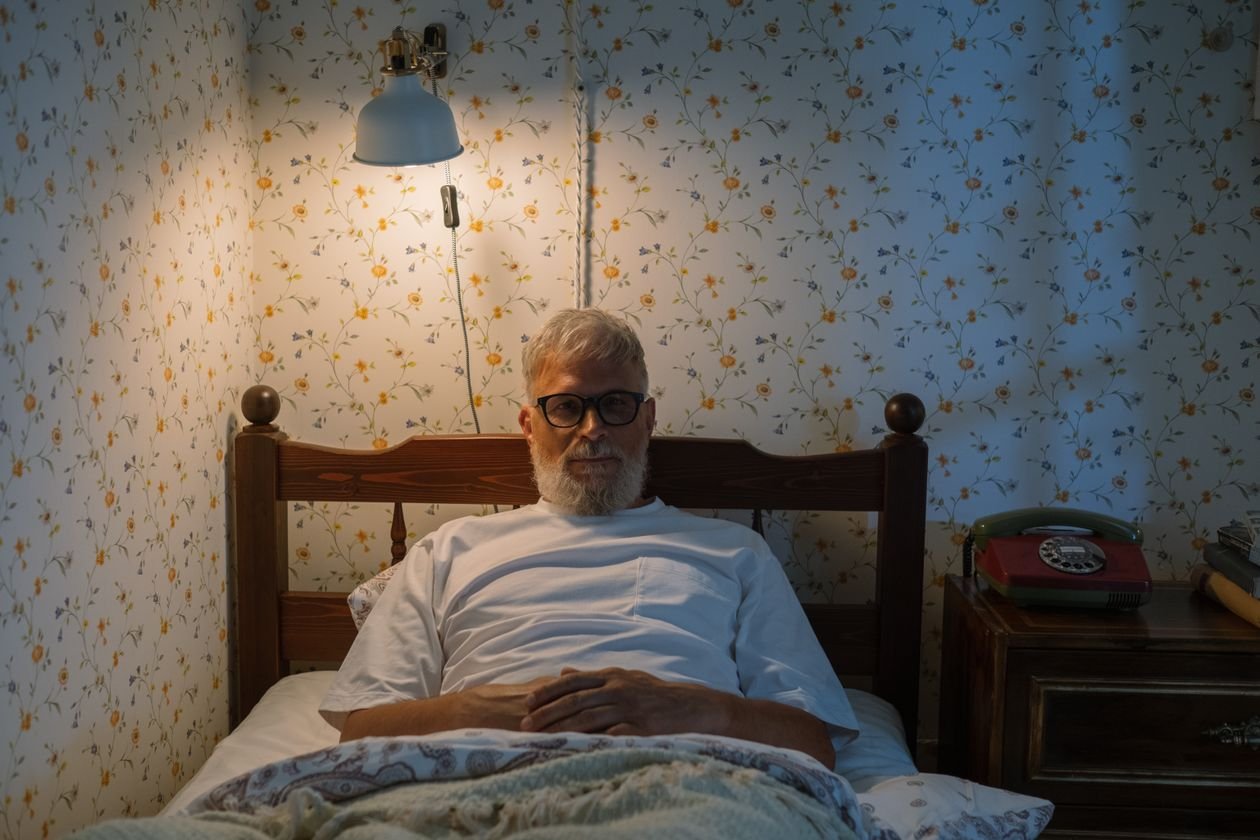
You know the moment. It is 3am, the room is dark, and you wake up with a mouth that feels like cotton. You reach for the glass on your bedside table, take a long drink, and lie back wondering why do I wake up thirsty in the middle of the night when I drank plenty of water before bed.
You are not alone in this. Waking up thirsty in the small hours is one of the most common sleep complaints people look up, and most of the time the explanation is simple. Your body keeps working while you sleep, and water quietly leaves your system through your breath, your skin, and the air around you.
In this guide we will walk through what actually happens to your hydration overnight, the everyday habits that make that 3am thirst worse, and a simple evening timeline that can stop it. You will also learn how to tell the difference between an annoying dry mouth and something worth mentioning to your doctor.
Sleep looks restful from the outside, but inside your body the night shift never stops. Every breath you take carries moisture out of your lungs. You lose a smaller amount through your skin, even on cool nights when you do not feel sweaty. Over seven or eight hours these small losses add up to roughly half a litre, and on warm nights the total can be closer to a full litre.
Your brain knows this is happening. A hormone called vasopressin rises in the evening and tells your kidneys to hold on to water, which is why you usually do not need to visit the bathroom every hour at night. Researchers have also found that the brain nudges thirst neurons before sleep, a kind of early warning system that encourages you to drink before the long dry stretch ahead.
This system works well on most nights. You drink something in the evening, your kidneys conserve, and you sleep through. The 3am wake up usually means something tipped the balance. Either you lost more water than usual, or you started the night with less than you thought.
Why Do I Wake Up Thirsty in the Middle of the Night? The 7 Most Common Causes
If this question keeps crossing your mind, run through the list below. Most people find their answer in the first three.
1. You Breathe Through Your Mouth While You Sleep
Breathing through your nose keeps moisture in. Breathing through your mouth lets it escape with every exhale, and it also dries the soft tissues of your mouth and throat directly. If you wake up with a dry tongue, cracked lips, or a scratchy throat alongside the thirst, mouth breathing is the likely culprit.
Snoring, a blocked nose from a cold, or simply sleeping on your back can push you into mouth breathing. A saline rinse before bed, treating congestion, or trying your side can make a noticeable difference within a few nights.
2. The Air in Your Bedroom Is Too Dry
Heated indoor air in winter can drop bedroom humidity well below the comfortable range, and every breath you take in dry air pulls extra moisture from your airways. Air conditioning does the same thing in summer. This is one reason the problem often appears suddenly when the seasons change.
A small hygrometer costs very little and takes the guesswork out. If your bedroom sits below 40 percent humidity, a cool mist humidifier near the bed often solves the 3am wake up on its own. Just remember to clean it weekly so it does not become a source of dust.
3. Dinner Was Salty or Spicy
A salty meal raises the salt concentration in your blood, and your brain responds by triggering thirst so you drink enough water to restore the balance. The effect can lag by several hours, which is why a salty dinner at 7pm can wake you at 3am. Spicy food adds to the problem by raising body temperature and making you sweat lightly overnight.
You do not need to give up flavour. Just drink a full glass of water with a salty or spicy dinner and another smaller glass an hour or two later, and your body will have the fluid it needs to process the salt before sleep.
4. Alcohol or Caffeine in the Evening
Alcohol suppresses vasopressin, the very hormone your body relies on to conserve water overnight. That is why a couple of evening drinks can leave you waking up parched at 3am even though you felt fine at midnight. Caffeine is a milder diuretic, and a late coffee, energy drink, or even a strong cup of matcha can keep your kidneys working when they should be resting.
If you enjoy matcha in the afternoon, it helps to know exactly how much of a lift you are getting, which is why our guide on whether matcha has caffeine is worth a quick read. As a rule, keep caffeinated drinks to the first half of the day and give alcohol at least three hours to clear before bed.
5. A Medication Is Drying You Out
Antihistamines, some blood pressure tablets, antidepressants, and decongestants are all known for reducing saliva or increasing fluid loss. If your nighttime thirst started within a week or two of a new prescription, the timing is unlikely to be a coincidence.
Do not stop or adjust any medication on your own. Instead, mention the symptom to your pharmacist or doctor, who can often suggest a different dosing time or a simple adjustment.
6. You Stopped Drinking Water Too Early
Many people deliberately stop drinking in the evening to avoid bathroom trips, then go to bed slightly under hydrated. Your body starts the night with a deficit, and the normal overnight losses push you over the edge around 3am, right when sleep is lightest between cycles.
The fix is timing, not volume. Spread your water steadily through the evening rather than drinking a huge glass at bedtime, and you will stay hydrated without the 2am bathroom visit.
7. Your Blood Sugar May Be Running High
Persistent, intense thirst that does not respond to the fixes above can occasionally signal high blood sugar. When glucose builds up in the blood, the kidneys flush it out with extra urine, and the body calls for more water to compensate. We cover the warning signs in detail below.
Dry Mouth Is Not the Same as Dehydration
It helps to separate two different sensations. Dry mouth means your mouth feels sticky or dry, usually because of mouth breathing or reduced saliva. True dehydration is a whole body state, and it usually brings darker urine, a headache, or a generally washed out feeling in the morning.
Why does the distinction matter? Because the fixes differ. A dry mouth often responds to bedroom humidity, nasal breathing, and gentle habits like avoiding alcohol based mouthwash before bed. True overnight dehydration responds to the evening drinking timeline in the next section.
Try this quick check in the morning. If your mouth feels dry but your urine is pale and you feel fine otherwise, you are probably dealing with dry mouth. If your urine is dark and you wake with a headache, focus on the hydration timeline.
An Evening Timeline That Stops the 3am Wake Up
Rather than a pile of random tips, here is a simple sequence that covers the main causes in order.
- At dinner: drink a full glass of water with your meal, especially if it is salty or spicy.
- Two hours before bed: have your last caffeinated drink no later than this point, and finish alcohol at least three hours before sleep.
- One hour before bed: sip, do not gulp, a moderate glass of water. Take any evening medication with water now rather than at lights out.
- At bedtime: set out a small glass or bottle on your nightstand so a sip is effortless if you stir. Run the humidifier if your room is dry, and clear your nose so you start the night breathing through it.
- If you wake up anyway: take a few small sips rather than a huge drink, which can fully wake you and send you to the bathroom. Roll onto your side if you were sleeping on your back.

Most people notice a difference within three to four nights. If nothing changes after two full weeks of this routine, treat that as useful information and read the next section.
When Nighttime Thirst Means You Should See a Doctor
Occasional 3am thirst is normal. Persistent, intense thirst every single night, especially paired with frequent urination, unexplained tiredness, or blurry vision, deserves a conversation with your doctor, because these can be early signs of diabetes or another condition that affects fluid balance.
Other red flags include waking up thirsty despite drinking well all day, a sudden change after starting a new medication, or thirst paired with swelling, dizziness, or rapid weight change. A simple blood test can usually rule the serious causes in or out quickly, so there is no reason to worry in silence.
Keep a short log for a week before your appointment. Note what you drank in the evening, what time you woke, and any other symptoms. Doctors find this far more useful than a vague memory of feeling thirsty.
The Short Version
So why do I wake up thirsty in the middle of the night? For most people the answer is a mix of normal overnight water loss and one or two everyday triggers: mouth breathing, dry bedroom air, a salty dinner, or evening alcohol and caffeine. Your body is simply asking for the water it lost while you slept.
The fixes are refreshingly simple. Drink steadily through the evening, keep your bedroom air comfortably moist, breathe through your nose when you can, and keep a small glass of water by the bed. Give the timeline two weeks, and if the 3am wake up persists or comes with other symptoms, let your doctor take a look.
Better hydration is also kinder to your mornings in general. If you regularly wake up looking as tired as you feel, our guide to reducing puffy eyes in the morning naturally pairs well with the routine above.
Frequently Asked Questions
Is it normal to wake up thirsty in the middle of the night?
Yes, occasional nighttime thirst is normal and usually comes from mild overnight fluid loss plus dry air or mouth breathing. It becomes worth investigating only when it happens every night despite good habits, or when it comes with other symptoms.
How much water do you lose while you sleep?
Most adults lose around half a litre overnight through breathing and light sweating, and up to a litre on warm nights or after salty food and alcohol. Your kidneys conserve water during sleep thanks to the hormone vasopressin, which is why the loss stays manageable on most nights.
Should I drink water right before bed?
Small sips are fine, but a large glass right at bedtime often leads to a bathroom trip that breaks your sleep. The better strategy is to drink steadily through the evening and keep just a small glass on your nightstand for the night.
Why am I thirsty at night even though I drink a lot of water during the day?
Daytime drinking does not fully protect you if evening habits work against it. Late caffeine, alcohol, salty dinners, mouth breathing, and very dry bedroom air can all undo a well hydrated day by the time 3am arrives.
When should I worry about waking up thirsty?
See your doctor if intense thirst happens every night for weeks, especially with frequent urination, constant fatigue, or blurry vision. These can be early signs of diabetes, and a simple blood test gives a clear answer.

1 Comment
Pingback: Journal Without Writing Daily: 9 Gentle Ways