
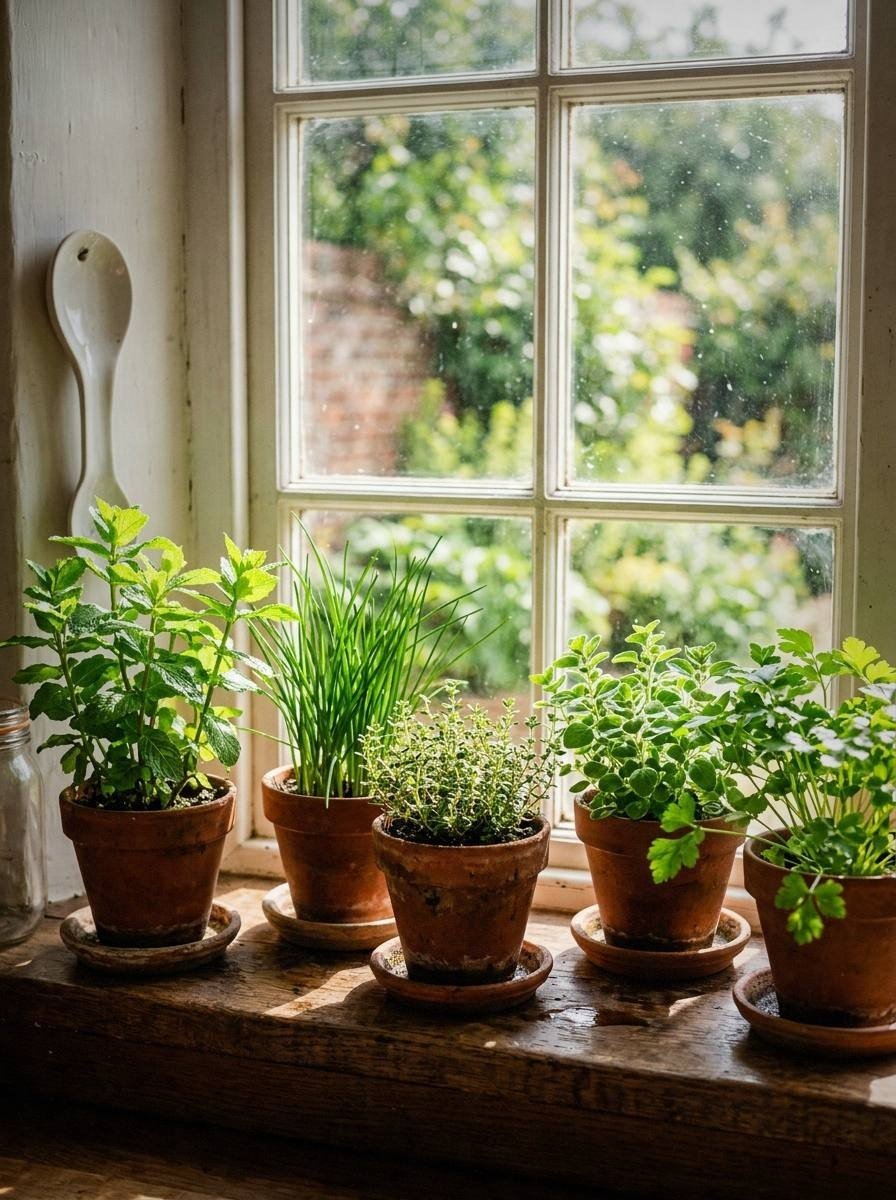
You buy a bright little basil plant in November, set it on the kitchen windowsill, and for a week it looks full of promise. Then the leaves go pale, the stems stretch toward the glass, and one cold morning the whole plant flops. It feels like bad luck. In most cases it is not bad luck at all. It is a plant built for summer sun trying to survive short days, cold glass, dry heated air, and a watering routine that made sense in July.
Learning how to keep herbs alive on windowsill in winter without grow light starts with accepting one honest fact. You cannot give a winter windowsill the same light as a summer garden, so you have to change everything else instead. Pick tougher herbs, squeeze more value from the light you do have, water with restraint, keep roots warm, and harvest in a way that helps the plant branch rather than fade. Do those five things well and you can keep fresh leaves coming until spring, even in a north facing home.
This guide is built around a simple story. A cook who wants fresh herbs in winter, owns no grow light, and refuses to watch another supermarket pot die in two weeks. The advice below is the routine that cook actually needs, in the order that matters most.
How to Keep Herbs Alive on Windowsill in Winter Without Grow Light: The Short Answer
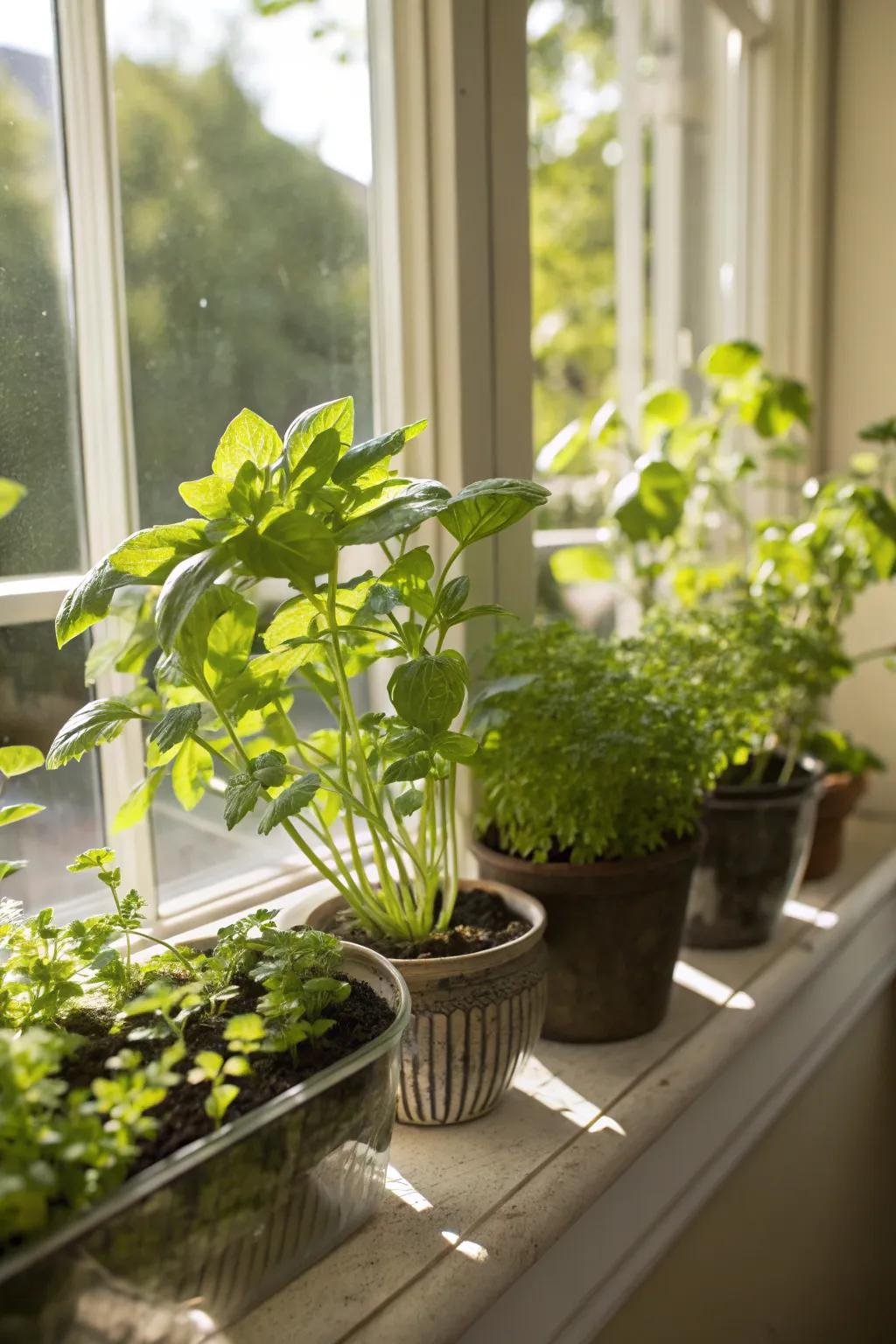
Put herbs on your brightest windowsill, as close to the glass as you safely can, and rotate the pots every few days so growth stays even. Water only when the top inch of soil feels dry, and always empty the saucer so roots never sit in water. Keep pots away from cold drafts and hot radiators, and give plants a cool but not cold room where night temperatures stay above about 50 degrees Fahrenheit. Choose mint, chives, parsley, and lemon balm first, because they tolerate low light far better than basil, rosemary, or thyme. Harvest little and often, never taking more than a third of the plant at once, and pinch out flower buds as soon as they appear.
That short answer works because it fixes the real causes of winter herb death. Weak light, wet roots, cold shock, and overharvesting do far more damage than a missing fertilizer or a fancy pot. Get the basics right and the plant has a fighting chance.
Why Winter Windowsills Are Hard for Herbs
Winter changes four things at once. Days get shorter, the sun sits lower, windows collect grime, and the light that does arrive is often filtered through cloud. A spot that felt bright in June can be dim by December, even if nothing in the room has moved. Herbs respond by growing slowly, stretching toward light, and producing smaller, paler leaves.
At the same time, central heating dries the air. That dry air pulls moisture from leaves faster than roots can replace it, especially when soil is already cool. Add a radiator under the windowsill and you get a cruel combination. Cold air leaks in around the window frame while hot dry air rises from below, and the plant sits in the middle of that tug of war.
Watering causes the third problem. In summer, a thirsty herb in strong light can drink a pot dry in a day. In winter, growth slows and evaporation drops, so the same watering schedule leaves soil soggy for days. Soggy soil starves roots of air, invites fungus gnats and mold, and can rot a plant from below while the top still looks green. Many winter herb deaths are really drowning deaths in disguise.
The good news is that winter herbs do not need perfection. They need steady, gentle care and a home that avoids extremes. A bright window, a pot with drainage, and a patient watering hand will carry most hardy herbs through the cold months.
Choose Herbs That Can Cope With Low Light
The single biggest decision is which herbs to grow. If you pick sun hungry herbs for a dim window, no amount of clever watering will save them. Start with the forgiving group and treat basil as a bonus plant rather than the main event.
Mint is the easiest winter windowsill herb by a wide margin. It tolerates shade, grows fast, and bounces back from a heavy cut. Keep it in its own pot, because it spreads eagerly and will crowd out quieter neighbors. Fresh mint lifts tea, fruit salads, and winter desserts, so it earns its place even in a small kitchen.
Chives are almost as forgiving. They grow happily in indirect light, regrow quickly after cutting, and add fresh onion flavor to eggs, soups, and potatoes all winter. Cut from the outside of the clump, leaving the young center leaves to keep growing. A pot of chives that is cut regularly stays dense and productive.
Parsley tolerates lower light better than most people expect, and it handles cooler rooms well. It grows more slowly in winter, so be patient and do not strip the plant bare. Take a few outer stems at a time and let the center keep producing. Flat leaf parsley gives the best flavor for cooking, while curly parsley makes a cheerful garnish.
Lemon balm loves partial shade and fills a room with a fresh lemon scent when you brush the leaves. It is a lovely tea herb in winter and it copes with a north facing window better than Mediterranean herbs do. Like mint, it grows vigorously, so give it its own pot and trim it often to keep it bushy.
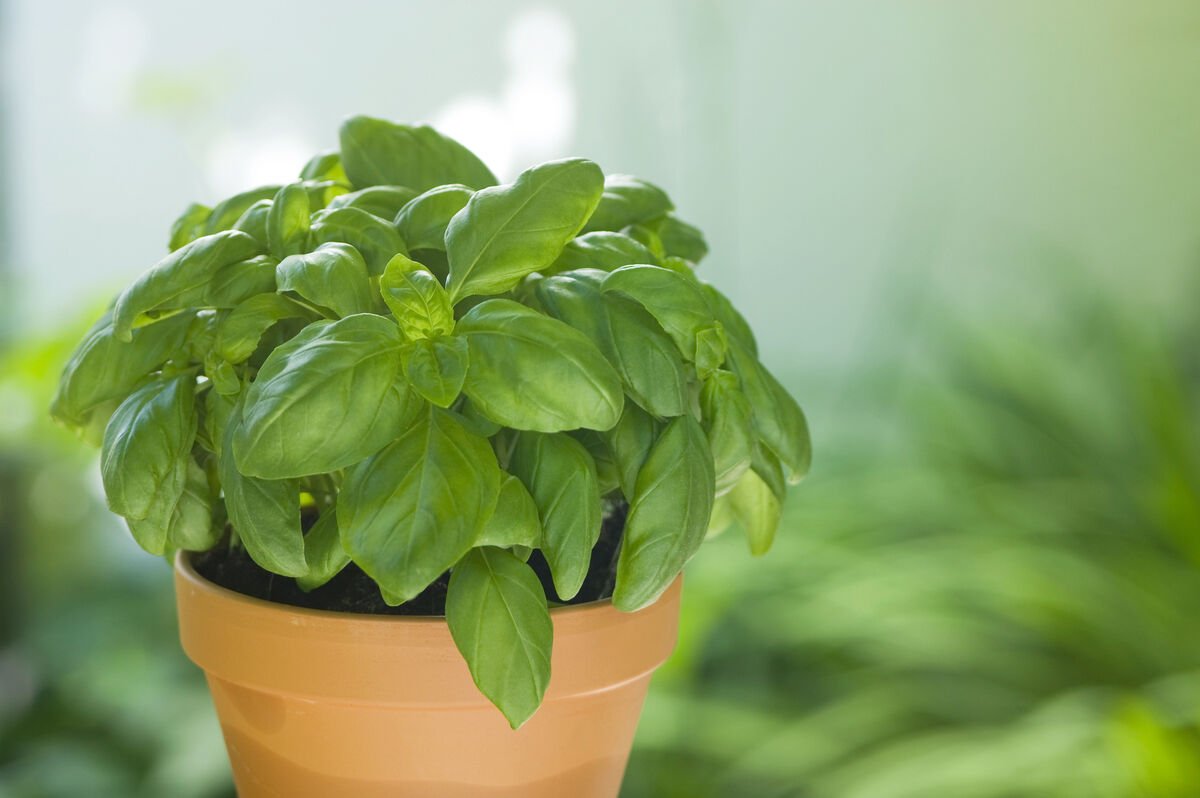
Basil, rosemary, and thyme are the risky trio in winter. Basil wants warmth above about 60 degrees Fahrenheit, plenty of light, and no cold drafts. Rosemary wants bright light and cool, airy conditions, not a warm stuffy kitchen. Thyme wants sun and very free draining soil. If you love one of these, grow it as an experiment on your brightest sill, but do not build your whole winter herb supply around it. If you want reliable fresh leaves every week, mint, chives, parsley, and lemon balm are the safer bet. For more ideas on keeping cut herbs usable once you harvest them, see our guide on how to keep fresh herbs fresh longer in the fridge.
Put Every Bit of Daylight to Work
Light is your scarcest resource in winter, so treat it like gold. Start by cleaning the window, inside and out if you can reach it safely. Dust and grime can cut light by a surprising amount, and a clean pane is the cheapest improvement you will ever make to a windowsill garden.
Place pots as close to the glass as possible without letting leaves touch cold panes overnight. Light falls off sharply even a short distance back into a room, so a pot on a table a few feet from the window gets far less light than the same pot on the sill. If night temperatures drop sharply, move pots a few inches back from the glass in the evening and return them in the morning. That small nightly move protects leaves from cold damage without losing daytime light.
A south facing window is best in the northern hemisphere, with a west facing window second. An east facing window gives gentle morning light and suits parsley and mint well. A north facing window is the hardest case, and it is where herb choice matters most. On a north facing sill, stick to mint, chives, parsley, and lemon balm, and accept slower growth as normal.
Use simple reflectors to bounce light back onto plants. A sheet of white card behind the pots, a light colored tray, or a pale wall can all help. A small mirror placed behind the pots can work too, but keep it angled so it does not focus harsh sun onto leaves on a rare bright day. The goal is soft, even light from more than one direction, not a spotlight.
Rotate every pot a quarter turn every few days. Without rotation, stems lean hard toward the window and one side of the plant stays pale and weak. Rotation keeps growth balanced and helps the plant use all the light it gets. While you rotate, look closely at the leaves. Pale, stretched growth tells you light is still too low. Scorched or bleached patches tell you a rare burst of direct sun through cold glass is too strong, and the pot needs a slight move back.
Water Less, But Water Well
Winter watering is where most windowsill herbs are lost. The rule is simple to say and harder to follow. Water only when the soil needs it, then water thoroughly, then let the pot drain completely.
Push a finger about an inch into the soil before you water. If it feels damp, wait. If it feels dry at that depth, it is time to water. A wooden skewer pushed into the pot works well too. If it comes out clean and dry, water. If soil sticks to it, wait another day or two. Never water on a fixed calendar schedule in winter, because light, temperature, and plant size change how fast soil dries.
When you do water, use room temperature water and water slowly until a little runs from the drainage holes. Then empty the saucer after about fifteen minutes. Roots sitting in a full saucer are the fastest route to rot. If your pot has no drainage holes, repot into one that does before winter sets in. No herb survives long in a sealed pot in winter.
Water in the morning so leaves and soil surface dry a little during the day. Avoid splashing leaves late in the evening, when cool damp foliage invites mold. Keep a small watering can with a narrow spout near the sill so you can water the soil, not the leaves, with control.
Watch for the two opposite warning signs. Drooping leaves that recover quickly after watering usually mean the plant was simply thirsty. Leaves that yellow from the base upward, soil that stays damp for many days, and tiny flies hovering over the pot usually mean overwatering. If you spot the second set of signs, stop watering, let the soil dry well, and improve drainage before you water again. Our guide on why houseplant leaves turn yellow explains how to tell a watering problem from other causes.
Keep Pots Warm and Air Moving
Most kitchen herbs prefer steady temperatures between about 55 and 70 degrees Fahrenheit in winter. They dislike sudden swings more than they dislike a cool room. A pot that sits above a hot radiator by day and against freezing glass by night will struggle, even if the average temperature looks fine.
Lift pots off a cold windowsill with a wooden board, a cork mat, or a folded towel under the tray. That small layer of insulation protects roots from the coldest surface in the room. Keep pots away from doors that open onto cold air and away from direct blasts from heating vents. A stable spot a few inches back from the glass, on an insulated sill, is better than a dramatic spot pressed against a drafty pane.
Air movement matters too, but gently. Stale, still air encourages mold on damp soil. A room that is aired briefly each day, or a small fan on its lowest setting across the room, helps soil dry evenly and keeps leaves healthy. Do not aim a fan directly at the plants, and never leave a window wide open next to tender herbs on a freezing day. A short burst of fresh air is plenty.
Humidity is a balancing act in heated homes. Most herbs do fine at normal indoor humidity, and grouping pots together creates a slightly more humid pocket that helps leaves stay fresh. A shallow tray of pebbles and water under the pots can help, as long as pot bases sit above the waterline and never soak in it. Misting leaves is not a reliable fix and can encourage disease in cool weather, so skip the spray bottle and focus on soil moisture and air flow instead.
If your windowsill sits over a radiator, raise the pots on a stand or move them to the side of the radiator rather than directly above it. Hot dry air rising straight through the foliage dries leaves fast and stresses the plant. A simple shelf bracket or a sturdy plant stand can lift herbs into better light and calmer air at the same time.
Feed Lightly and Harvest the Right Way
Winter herbs grow slowly, so they need very little food. Feeding a dormant plant like a summer plant can burn roots and push weak, leggy growth that collapses in low light. Hold off on fertilizer until you see clear new growth in late winter or early spring. If a plant looks hungry, with very pale leaves despite good light and watering, a single very dilute liquid feed at half the label strength is enough. Never feed a dry plant. Water first, feed lightly, and then wait.
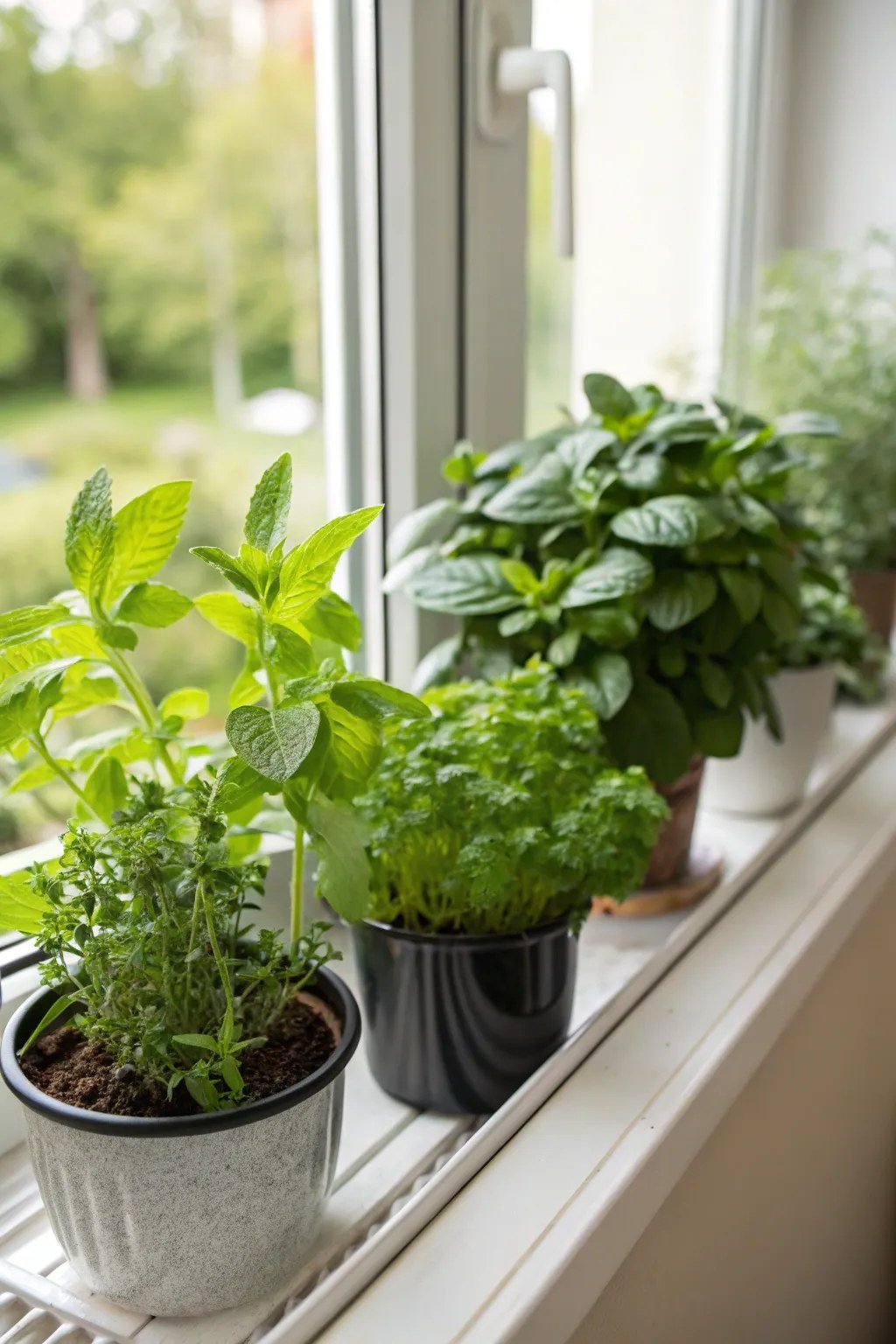
Harvesting is actually a form of care when done well. Regular picking encourages branching and keeps plants compact. The key is to take little and often, and to cut in the right place. For basil and mint, snip stems just above a pair of leaves. Two new shoots will grow from that point, making the plant bushier. For chives and parsley, cut outer stems near the base and leave the young center untouched.
Never take more than a third of a plant at one harvest. A plant that loses most of its leaves in one go cannot photosynthesize enough to recover in weak winter light. If you need a large amount for a recipe, take a little from several pots rather than stripping one plant bare.
Pinch out flower buds as soon as you see them, especially on basil. Once a herb flowers, leaf flavor often turns bitter and growth shifts away from tasty leaves. Pinching keeps energy in the foliage and extends the harvest for weeks. It takes only a few seconds during your regular check, and it makes a real difference.
Repot only if a plant is clearly root bound, with roots circling tightly and water running straight through the pot. Winter is not the best time for repotting, because growth is slow and roots recover slowly. If you must repot, move up only one pot size, use fresh free draining potting mix, and water gently afterward. Do not be tempted to move a struggling herb into a much larger pot. Extra soil stays wet longer and makes rot more likely, not less.
A Simple Weekly Routine That Works
A routine beats guesswork in winter. You do not need a long checklist, just a short weekly rhythm you can actually keep.
Once a day, glance at the plants while the kettle boils. Look for drooping, yellowing, or dry soil, and check that no pot is sitting in water. That thirty second look catches most problems before they become fatal.
Every few days, rotate the pots and feel the soil. Water only the pots that are dry an inch down. Wipe dusty leaves gently with a damp cloth once every week or two, because clean leaves catch more of the weak winter light. Dusty leaves photosynthesize poorly, and a quick wipe is an easy win.
Once a week, harvest a little from each healthy plant, pinch out any flower buds, and remove yellow or dead leaves. Dead leaves left on the soil invite mold, so pick them off and bin them. Check under leaves for aphids or whitefly, which love warm indoor plants in winter. A few pests can be washed off with a gentle stream of water, but isolate a badly affected plant so pests do not spread to the whole sill.
Once a month, check drainage holes, empty and wash saucers, and make sure pots are not sitting in cold puddles. If a plant has stopped growing entirely and the soil stays wet for more than a week, lift it gently from the pot and look at the roots. Healthy roots are pale and firm. Dark, mushy roots mean rot, and the plant needs drier soil, better drainage, and a trim of the damaged roots before it can recover. For a plant that leans hard toward the window despite rotation, see why a snake plant leans to one side, because the same light seeking behavior affects herbs too.
Mistakes That Kill Winter Herbs
Overwatering tops the list, as it does in almost every indoor plant guide. If you remember only one winter rule, make it this one. Wet roots in cold soil rot fast, and a rotted herb rarely recovers. When in doubt, wait a day and check again.
Choosing the wrong herb for your window is second. Basil on a dark north facing sill in January is a brave experiment, not a reliable food supply. Match the plant to the light you truly have, not the light you wish you had.
Putting pots directly above a radiator or tight against freezing glass is third. Both extremes stress the plant, and the combination in one day is worse than either alone. Insulate the pot base, move pots slightly back at night, and keep them out of direct heat blasts.
Feeding too much, harvesting too hard, and repotting at the wrong time round out the common mistakes. All three come from treating a winter plant like a summer plant. Winter herbs need patience more than products. Give them light, drainage, steady warmth, and gentle picking, and they will repay you with fresh flavor when shop bought herbs are at their dullest.
Conclusion
Keeping herbs alive on a windowsill in winter without a grow light is not about a secret trick. It is about respecting what winter does to light, water, and temperature, and adjusting your care to match. Choose mint, chives, parsley, and lemon balm for low light sills. Clean the window, use the brightest spot you have, and rotate pots so growth stays even. Water only when the soil is dry an inch down, drain pots fully, and keep roots warm and steady. Harvest little and often, pinch out flowers, and hold back on fertilizer until spring growth returns.
Start with one or two pots this week, follow the simple weekly routine, and judge success by steady new leaves rather than dramatic growth. Even a modest winter windowsill harvest, a handful of mint for tea or chives for eggs, feels like a small victory in January. That victory is well within reach, with no grow light required.
Frequently Asked Questions
Can herbs survive winter on a windowsill without a grow light?
Yes, hardy herbs like mint, chives, parsley, and lemon balm can survive winter on a bright windowsill without a grow light. Growth will be slower than in summer, but steady care with light, drainage, and careful watering keeps them productive until spring.
Which herbs are best for a windowsill in winter?
Mint, chives, parsley, and lemon balm handle low light best. Basil, rosemary, and thyme need much more light and warmth, so treat them as experiments on your brightest sill rather than your main winter supply.
How often should I water winter windowsill herbs?
Water only when the top inch of soil feels dry, which may be once a week or less in winter. Water thoroughly until a little drains out, then empty the saucer. Never water on a fixed schedule, because winter soil dries much more slowly than summer soil.
Why are my windowsill herbs going leggy in winter?
Leggy growth usually means too little light. Move pots closer to the brightest window, clean the glass, rotate pots every few days, and use a white reflector behind the pots. Accept that some stretching is normal in midwinter, and trim leggy stems back in spring.
Should I feed herbs in winter?
Usually no. Winter herbs grow slowly and need very little food. Wait until clear new growth appears in late winter or spring, then feed lightly at half strength. Feeding a dormant plant can burn roots and cause weak growth.
