
You open a fresh bag of coffee beans on a Monday morning and the first cup tastes bright, rich, and full of aroma. By the next week the same beans brew a cup that tastes flat and dull, and by week three you wonder if you bought a bad bag. You did not. The beans changed because the bag was open. Learning how to keep coffee beans fresh after opening is the difference between great coffee every morning and a bag that slowly turns into brown dust with a coffee smell.
The good news is that keeping beans fresh is simple once you understand what hurts them. You do not need expensive gear or a special fridge drawer. You need a decent container, a cool dark spot, and a few habits that take less than a minute a day. This guide explains why opened beans go stale, the seven rules that protect them, and the mistakes that quietly ruin a good bag.
Why Opened Coffee Beans Go Stale So Fast
Roasted coffee beans are full of tiny pockets of gas and aromatic oils. Roasting creates carbon dioxide inside each bean, and the oils carry the flavors you taste in the cup. The moment you break the seal on a bag, oxygen starts to work on those oils. Flavor fades first, then aroma, and finally the beans take on a stale, cardboard note that no brewing method can fix.
Four things speed up this decline. Oxygen is the biggest enemy because it oxidizes the oils and dulls flavor within days. Moisture is next because coffee beans absorb water from the air, which softens them and invites mold in damp kitchens. Heat speeds up every chemical reaction that ages coffee, so a bag stored near the oven or in a sunny window goes stale much faster. Light breaks down flavor compounds too, which is why clear jars on an open counter are a poor choice. A good storage routine fights all four at once.
How Fast Does the Flavor Fade
Whole beans kept in an airtight container at room temperature stay in good shape for about one to three weeks after opening. Ground coffee fades much faster, often within one to two weeks, because grinding exposes a huge surface area to oxygen. Beans left in an open bag on the counter can taste noticeably flat within three or four days. These are quality ranges, not safety deadlines. Stale coffee will not harm you, but it will disappoint you every single morning.
Rule 1: Move the Beans Out of the Bag the Day You Open It
The bag your beans came in did a good job before you opened it. Many roasters use bags with a small one way valve that lets carbon dioxide escape while keeping oxygen out. The moment you tear the bag open, that valve stops protecting anything. The folded top and the little tin tie do not seal out air, no matter how tightly you roll the bag down.
Transfer the beans to a proper container on the same day you open the bag. Pour them in gently, press out as much air as you can, and close the lid firmly. Every day the beans sit in an open bag is a day of flavor you will not get back. If you buy beans in bulk, keep a small working supply in your daily container and store the rest sealed away, as Rule 5 explains.

Think of it like the pantry habits that keep other foods at their best. The same care that helps you keep bread fresh for longer applies here too: the right container, sealed promptly, in the right spot. Small steps at the moment of opening pay off for weeks.
Rule 2: Pick a Container That Blocks Air and Light
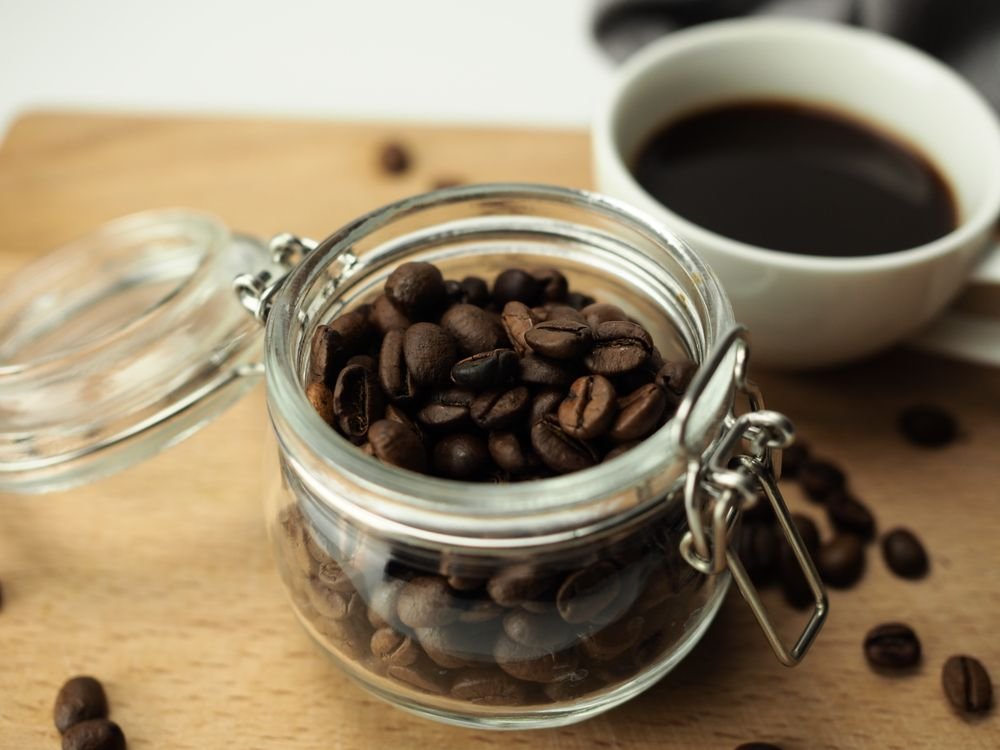
Your container is the single most important purchase in this whole routine. A good coffee container does three things: it seals airtight, it blocks light, and it holds only the beans you need. Glass jars look beautiful on a counter, but clear glass lets in light every time the kitchen lights come on. If you love a glass jar, keep it inside a dark cupboard.
Opaque ceramic or stainless steel canisters are the best everyday choice. They block light completely and most of them seal well. Press seal canisters with a plunger lid push air out as you close them, which gives your beans a little extra protection. Vacuum canisters go a step further by pumping air out of the headspace, and they are worth it if you buy large bags and brew slowly.
What matters more than the brand is the seal. Test it before you trust it. Close the empty container, press the lid, and see if it holds. If the lid wobbles or the seal feels loose, the container will not protect your beans. A cheap container with a tight seal beats an expensive one with a weak seal every time.

What About the Original Bag
If your beans came in a high quality resealable bag with a strong zip seal, you can keep using it for a few days, provided you press the air out before each closing. Most bags do not reseal well after a few openings, though, and the zip track fills with fine coffee dust that stops it sealing. A dedicated container is a one time upgrade that improves every bag you buy from then on.
Rule 3: Keep the Container in a Cool Dark Cupboard
Once your beans are sealed in a good container, put that container somewhere cool, dark, and stable. A pantry shelf or a kitchen cupboard away from the oven, dishwasher, and kettle is ideal. Room temperature between 60 and 70 degrees Fahrenheit suits beans you plan to use within two weeks.
The worst spots in most kitchens are the ones that feel convenient. The top of the fridge vibrates and runs warm. The shelf above the stove gets hot every time you cook. The counter beside a sunny window heats up every afternoon and bathes the beans in light. Each of these spots quietly steals flavor, day after day, even when the container is sealed.
Pick one cupboard and make it the coffee cupboard. Keep the container there, keep the grinder nearby if you have one, and open the container only when you need beans. Every opening lets in a little fresh oxygen, so a quick scoop and a firm close is better than leaving the lid off while you fiddle with the grinder.
Rule 4: Skip the Fridge Entirely
Many people store coffee in the fridge because it feels like the safe place for fresh food. For coffee beans, the fridge is one of the worst choices. It causes two problems at once. First, the temperature swings every time you take the container out and put it back, and those swings cause condensation on the beans. Second, coffee beans absorb odors, and a fridge is full of them. Beans stored next to onions, leftovers, and open containers pick up flavors you never wanted in your cup.
The National Coffee Association gives the same advice: keep coffee in a dark and cool location at room temperature, away from heat and light, and skip the fridge. The association notes that whole beans kept in the fridge stay fresh for about two weeks, which is no better than a good container at room temperature. The fridge adds risk without adding freshness.
Cold storage logic works well for many foods, and the same care that helps you store fresh ginger root longer in the fridge shows how much the right spot matters for each food. Coffee is different from ginger, though. Ginger likes cold and damp. Coffee beans want dry, dark, and steady.
Rule 5: Freeze Only the Beans You Will Not Use Soon
Freezing can work, but only if you do it properly. The freezer slows oxidation and keeps beans in good shape for three to four months. The catch is that most people freeze coffee the wrong way. They toss the whole opened bag into the freezer, take it out every morning, scoop out beans, and put it back. Each trip in and out causes condensation, and the beans absorb freezer odors through a thin bag.
Freeze coffee the right way and it works beautifully. Divide the beans into small portions of about one week each. Seal each portion in a truly airtight bag or container, squeeze out the air, and label it with the date. Take out one portion at a time and never return thawed beans to the freezer. Let a frozen portion come to room temperature before you open it, so moisture from the air does not condense on the cold beans.
Only freeze beans you will not use within two weeks. If you brew every day and finish a bag in ten days, the freezer adds nothing. Save it for the extra bag you bought on sale or the gift beans you plan to enjoy next month.
Rule 6: Buy Small and Check the Roast Date
No storage method can rescue beans that were already old when you bought them. The freshest bag in the world starts losing flavor the day it is roasted, and most of the best flavor lives in the first two to five weeks after roasting. After that the decline is steady, even in a perfect container.
Buy only as much coffee as you expect to use within one to two weeks. A small bag finished quickly always beats a large bag that sits around for a month. Check the roast date on the bag, not just the best by date. A bag with a roast date from last week is a far better buy than a bag with a best by date six months away and no roast date at all.
Buying from a local roaster helps because the beans are often roasted within days of sale. If you order online, look for roasters who print the roast date on every bag and ship quickly. Fresh beans plus good storage is the combination that keeps your morning cup tasting the way it should.
Rule 7: Grind Only What You Brew
Grinding is the point of no return for coffee freshness. A whole bean has a small surface area exposed to air. Ground coffee has a huge surface area, and the aromatic oils start escaping within minutes of grinding. That is why coffee ground at the shop on Monday tastes flat by the weekend, while whole beans from the same bag stay lively for weeks.
If you own a grinder, grind only the amount you need for each brew. A simple burr grinder pays for itself quickly in flavor, and it lets you match the grind to your brewing method, coarse for French press, medium for drip, fine for espresso. If you do not own a grinder, buy smaller bags of ground coffee more often and store them exactly as described above. Whole beans are always the better choice when you have the option.
Grinding fresh also gives you control over the cup itself. You can adjust the grind when a brew tastes sour or bitter, which is much harder to do with preground coffee. Fresh grinding is a small daily habit, thirty seconds of effort, and it makes the biggest single difference to the taste in your cup.
How to Keep Coffee Beans Fresh After Opening for Weeks
Use this table as a rough guide for quality, not a safety rule. Stale coffee is safe to drink, it just tastes tired.
- Whole beans in an airtight container at room temperature: about one to three weeks of good flavor
- Whole beans in an airtight container in the freezer, portioned and sealed: about three to four months
- Ground coffee in an airtight container at room temperature: about one to two weeks
- Whole beans left in an open bag on the counter: flavor fades noticeably within three to four days
- Whole beans in the fridge: about two weeks, with a real risk of moisture and odor pickup
Your nose is the best test. Open the container and smell the beans. Fresh beans smell rich, sweet, and complex. Stale beans smell faint, dusty, or flat. If the aroma is gone, the flavor in the cup will be gone too. Trust your senses over any date on the bag.
Mistakes That Ruin Fresh Coffee
Most coffee waste comes from a handful of avoidable habits. Fix these and your beans will last noticeably longer.
- Leaving the bag open on the counter after the first use, which lets oxygen in around the clock
- Storing beans in a clear jar on a sunny counter, where light and heat work on them all day
- Keeping beans in the fridge next to strong smelling food, where they absorb odors through the bag
- Freezing and refreezing the same bag, which causes condensation and dulls the beans
- Grinding a whole bag at once for convenience, which exposes all the flavor to air at the same time
- Buying a large bag to save money, then brewing slowly while the beans go stale
- Scooping beans with a wet spoon or a damp container, which adds moisture straight into the supply
One more small habit is worth a mention. Coffee spills happen, especially when you pour beans from a bag into a container. If grounds or beans end up on your clothes, deal with the stain quickly, since coffee sets fast on fabric. Our guide on how to get coffee stains out of a white shirt covers the steps that work before the stain has time to set.
Conclusion
Learning how to keep coffee beans fresh after opening comes down to three ideas you can remember every morning. Move the beans out of the opened bag into an airtight opaque container on day one. Keep that container in a cool dark cupboard at room temperature and skip the fridge. Buy small, check the roast date, and grind only what you brew.
None of this takes more than a minute a day, and the payoff is a cup that tastes the way the roaster intended it to taste, week after week. Start with the container, because that single change does more than any other. Then fix the storage spot, then the buying habit. Your future self, standing at the kitchen counter tomorrow morning, will taste the difference.
Frequently Asked Questions
How long do coffee beans stay fresh after opening?
Whole beans in an airtight container at room temperature stay fresh for about one to three weeks. Ground coffee lasts about one to two weeks. The exact time depends on the roast date, the container, and the storage spot.
Should I store coffee beans in the fridge?
No. The fridge causes condensation when the container moves in and out, and coffee beans absorb odors from nearby food. A cool dark cupboard at room temperature keeps beans fresher with less risk.
Can I freeze coffee beans after opening?
Yes, if you do it properly. Divide the beans into one week portions, seal each portion airtight, and freeze them. Take out one portion at a time, let it reach room temperature before opening, and never refreeze thawed beans.
Is it better to store whole beans or ground coffee?
Whole beans stay fresh much longer because less surface area is exposed to oxygen. Grind only the amount you need for each brew. If you buy ground coffee, buy smaller bags more often.
Does the roast date matter more than the best by date?
Yes. The roast date tells you when the beans were actually roasted, and the best flavor lives in the first two to five weeks after roasting. A recent roast date is the best sign of a fresh bag.
