
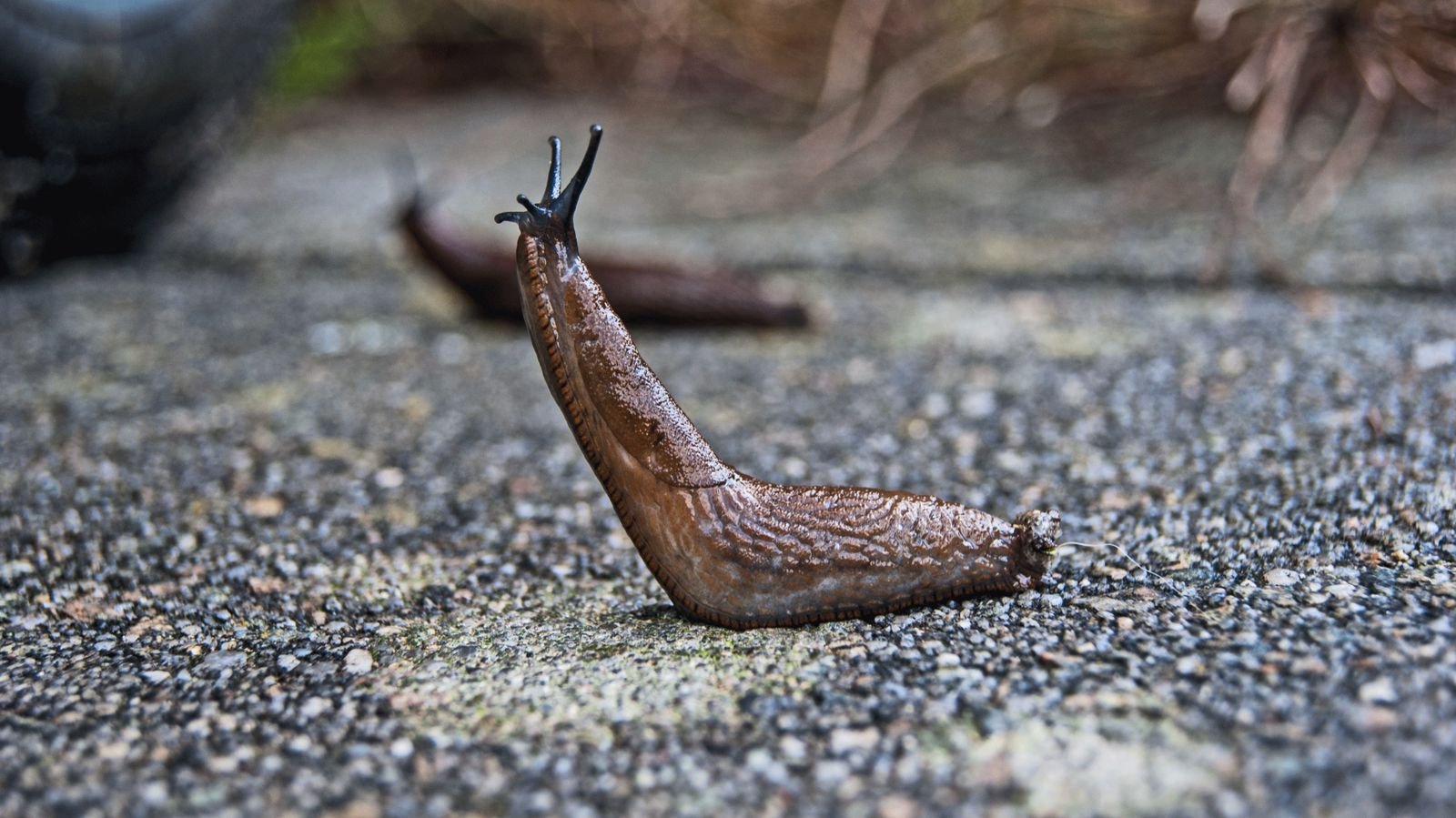
You plant a neat row of lettuce seedlings on a Saturday afternoon. The soil is damp, the sun is out, and the little green leaves look full of promise. You go back on Monday morning with a watering can in your hand and your heart sinks. Half the row is gone. What is left looks like green lace, full of ragged holes and shiny slime trails. Slugs found your lettuce before you even had a chance to enjoy it.
If that scene feels familiar, you are not alone. Lettuce is one of the first things slugs look for in a British garden. It is soft, it is low to the ground, it stays damp, and it tastes good to them. The good news is that you can learn how to stop slugs eating lettuce without chemicals, and you do not need to spend a fortune or patrol the garden all night. You need a plan that layers a few simple methods together, and you need to start with the plants, not with the slugs.
This guide gives you that plan. It covers why slugs choose your lettuce, which barriers are worth your money, how to set traps that actually catch slugs, and a short weekly routine that keeps your salad crop safe from planting day to harvest.
Why slugs love your lettuce so much
Slugs are simple creatures with simple tastes. They want soft food, damp air and a safe place to hide during the day. A lettuce bed gives them all three. Young lettuce leaves are tender and full of water. The plants sit close to the soil, so a slug never has far to travel. And a well watered lettuce bed stays moist long after the rest of the garden has dried out.
Slugs feed mostly at night and after rain. During the day they hide under pots, boards, stones, thick mulch and the rims of raised beds. That is why the damage always seems to appear overnight. You go to bed with a healthy row and wake up to holes.
It helps to know that slugs do not attack everything equally. They love soft young growth and leave tougher plants alone. A three week old lettuce seedling is an easy meal. A mature rosemary bush or a woody shrub is not. That simple fact shapes the whole plan in this guide. If you protect lettuce while it is young and soft, and you make the bed harder for slugs to reach, most of your crop will survive.
Slugs are also a year round problem in the UK. Mild winters and wet springs mean they rarely die back fully, and a damp autumn can be just as bad as spring. So this is not a one week job. It is a habit, but a short one, and once it is in place it takes only a few minutes a day.

How to stop slugs eating lettuce without chemicals: the plan that works
No single trick stops slugs on its own. That is the honest truth, and it is also the reason so many gardeners feel let down. They buy one product, scatter it around the lettuce, and wake up to the same damage. The methods in this guide work as a team. Each one removes a few slugs or blocks a few more, and together they keep damage down to a level you can live with.
Think of it in three layers. First, make the plants stronger before they go outside. Second, make the bed harder to reach and less comfortable for slugs. Third, catch the slugs that still get through. Do all three and your lettuce stands a real chance.
Step one: grow them big before they go out
The single best thing you can do is also the simplest. Grow your lettuce seedlings on in modules or small pots until they are sturdy, then plant them out. A small seedling sown straight into slug heavy soil can vanish in one night. A sturdy young plant with six or eight leaves can lose a leaf or two to nibbling and keep growing.
Start seeds indoors or in a cold frame, in trays or modules, and keep them watered and in good light. When the plants are about 8 to 10 cm tall, with strong roots filling the module, harden them off for a few days. That means putting them outside during the day and bringing them in at night, so they get used to wind and cooler air. Soft growth raised on a warm windowsill is slug food with a label on it. Hardened plants are tougher, and slugs are less keen.
Plant out on a dry morning if you can, and water the soil around the roots rather than soaking the leaves. Give each plant a little space so air can move between the leaves. Crowded, damp lettuce is a slug hotel. Spaced plants dry faster after rain, and slugs prefer damp shade.
The same care helps other soft leafy plants too. If you grow herbs alongside your salad leaves, our guide on why basil plants die covers the watering and light mistakes that leave young plants weak and easy prey.

Step two: make the bed a bad place for slugs
Slugs spend the day hiding. Take away the hiding places near your lettuce and you take away half the problem. Clear away boards, flat stones, empty pots and piles of leaves from around the bed. Keep grass and weeds cut short at the edges. Lift pots and check underneath them once a week, because that is where slugs sleep.
Water in the morning, not in the evening. Evening watering leaves the soil and the leaves wet all night, which is exactly when slugs feed. Morning watering gives the soil time to soak in and the surface time to dry before dark. Aim the water at the soil, not over the leaves. A soaker hose or a watering can with a rose held low works well.
Go easy on rich nitrogen feed while lettuce is young. Fast, soft, lush growth is the growth slugs like best. A steady supply of compost in the soil is enough for lettuce. If you feed, use a balanced feed sparingly and stop once the plants are growing well.
Finally, keep the bed tidy. Pick off yellow or damaged outer leaves, because rotting leaves attract slugs and give them a place to hide. A clean bed is a bed you can inspect in seconds, and quick inspection is half the battle.
Barriers that help and barriers that waste your money
Barriers are the method most gardeners try first, and they cause the most disappointment. Some help. Some do very little. The honest evidence matters here, so let us look at what the research actually says.
An entomologist at the Royal Horticultural Society, Dr Hayley Jones, tested copper tape, bark mulch, gravel, eggshells and wool pellets on lettuce. After six weeks of growth, there was no significant difference between the lettuce with barriers and the lettuce with nothing at all. That does not mean barriers are useless. It means they are not a wall. Slugs are persistent, and a well hydrated slug can push past a dry barrier by making extra slime. So use barriers as one layer of your plan, not as the whole plan.
Copper tape and copper rings
Copper tape is a thin strip of copper that you stick around pots, raised beds and containers. The idea is that a slug gets a tiny shock or an unpleasant taste when its slime touches the metal, so it turns back. Studies are mixed. Some show copper working, some show it failing, including the RHS trial above.
In practice, copper works best around a few high value pots rather than a whole vegetable bed. Use a band at least 5 cm wide, keep it clean, and make sure no leaves or mulch bridge over it. A dirty or bridged band is no band at all. A roll of copper tape costs around £6 to £10 at a garden centre, which is fair for protecting a pot of prized lettuce, but it is dear for a whole allotment.
Wool pellets, grit and eggshells
Wool pellets are small pellets of sheep wool that swell when wet and form a rough mat around plants. They double as a mulch and break down into the soil over time. They help a little, especially around pots and young plants, but they go patchy in very wet weather, which is exactly when slugs are worst.
Sharp grit and rough mulch can slow slugs down, but do not treat them as force fields. Eggshells are the classic tip, and they are also the weakest. Crushed shells feel sharp to us, but a slug simply glides over them with extra slime. Save your eggshells for the compost heap and spend the effort on night patrols instead.
Collars, cloches and mesh covers
Physical covers are the most reliable barrier of all, because they simply keep slugs out. A plastic collar cut from a drinks bottle, pushed a few centimetres into the soil around a seedling, stops most slugs reaching it. A cloche or a sheet of fine mesh over a whole row does the same job for a group of plants.
Covers work best when the lettuce is young, which is when it is most at risk. Once plants are big and sturdy, you can take the covers off and let the other methods carry the load. Check under covers after rain, because a slug that does get inside has a perfect damp shelter.
Traps that catch slugs while you sleep
Traps do not need you to stay up late. You set them in the evening and empty them in the morning. Two kinds work well, and both are cheap.
Beer traps done right
Beer traps are the best known slug trap, and they do catch slugs. The yeast in beer attracts them from a good distance. They crawl in and drown overnight. The trick is in the setup, because a badly placed beer trap can attract more slugs to your lettuce than it catches.
Sink a shallow container, a yoghurt pot or a jam jar, into the soil so the rim sits level with the surface. Fill it with about 2 to 3 cm of cheap lager. Place the traps a little away from the lettuce, not right next to it, so slugs heading for the beer do not stop for a snack on the way. Six to eight traps around a medium vegetable garden is a good number. Empty and refill them daily. After about two weeks of steady trapping, catches fall sharply, which tells you the local population is down.
If you would rather not use beer, mix two tablespoons of sugar with a teaspoon of baker’s yeast in a pint of warm water. It works the same way, because it is the yeast that does the attracting.
Board traps and citrus shells
Lay a flat board on damp soil near the lettuce bed. Slugs will gather underneath it during the day to shelter from sun and dry air. Lift the board each morning and remove the slugs you find. It is simple, it costs nothing, and it shows you exactly how many slugs you are dealing with.
Hollowed out orange or grapefruit halves work the same way. Put them cut side down near the plants. Slugs crawl inside for shelter, and you lift the shell in the morning and deal with them. These traps are a good choice if you have children or pets and you want nothing liquid sitting in the soil.
Night patrols: the fastest fix of all
Hand picking is the method most gardeners avoid, and it is also the fastest way to cut slug numbers. Go out about two hours after sunset, or very early in the morning, with a torch and a container. Pay special attention after rain or watering, on warm damp evenings, and around the plants that are being eaten.
Check under leaves, around pot rims, under boards and along the edges of raised beds. Wear gloves. Pick the slugs off and drop them into a tub of soapy water, or move them well away from the garden if you prefer. A few nights of patrols after planting out can save a whole row, because you are catching the slugs before they find the seedlings.
Do not feel you must catch every slug. You only need to keep numbers low while the lettuce is young. Once the plants are big, a little nibbling does not matter, and you can ease off.
Nematodes: the biological option
Nematodes are tiny worms that live in the soil and infect slugs with bacteria that stop them feeding within days. The species used for slugs is Phasmarhabditis hermaphrodita, sold in the UK under names like Nemaslug. It is a biological control, not a chemical, and it is widely used by organic growers.
Mix the powder with water and apply it with a watering can fitted with a coarse rose. Apply in the evening, when the soil is moist and the temperature is above 5°C, usually between March and October. The nematodes tackle the slugs that live in the soil, including the kinds that surface barriers never reach.
A pack costs around £10 to £15 and treats a fair sized bed. It is not instant, and it works best as part of the layered plan, but for a bad slug year it is the strongest tool in the box that still counts as chemical free.
Invite the predators in
Your garden already has slug eaters, and you can give them reasons to stay. Frogs and toads eat slugs, especially young ones. Ground beetles hunt them at night. Hedgehogs eat them too. Song thrushes are famous for smashing snail shells on stones.
A small pond, even a washing up bowl sunk into the ground, brings frogs. A log pile in a quiet corner gives beetles and hedgehogs a home. A bird table and a few berry rich shrubs bring thrushes and blackbirds. These helpers will never clear every slug, but a garden full of predators has fewer slugs than a bare garden, and the help costs nothing.
Cats can be a mixed blessing in a vegetable bed, and they bring their own problems. If cats are digging in your beds as well as slugs eating your lettuce, our guide on how to stop cats digging in garden beds covers the fixes that keep both problems down.
What not to do
A few popular slug remedies cause more harm than good, so it is worth knowing what to skip.
Salt kills slugs, but it also damages soil and plants. A salty patch grows nothing well, and salt washed into the bed harms the very lettuce you are trying to save. Never use it in a vegetable bed.
Old style slug pellets based on metaldehyde are banned in the UK. Since April 2022 they can no longer be sold or used here, because they poison birds, hedgehogs, cats and dogs that eat poisoned slugs. Pellets based on ferric phosphate are still legal and are classed as safe for organic gardening, but this guide is about doing without pellets entirely, and the methods above make them unnecessary for most gardens.
Finally, do not rely on a single barrier and walk away. A ring of eggshells or a strip of copper tape will not save a row on its own. The gardeners who win against slugs are the ones who layer methods and check the bed often.
A simple weekly routine that keeps lettuce safe
Here is the whole plan boiled down to a routine you can follow from planting day to harvest. It takes about ten minutes a night for the first two weeks, then less.
On planting day, put sturdy seedlings out in the morning, water the soil, and fit collars or a mesh cover over the row. Set out beer traps a little away from the bed. Clear hiding places nearby.
Each evening for the first two weeks, do a short night patrol with a torch. Lift the board trap, check under pot rims, and remove any slugs you find. Refill the beer traps. In the morning, water early and check the leaves for new damage.
Once a week, tidy the bed. Remove yellow leaves, top up mulch, check copper tape for dirt and gaps, and apply nematodes if the weather is warm and damp. Once the lettuce is big enough to pick, harvest outer leaves often. Regular picking keeps plants healthy, and a plant you inspect often is a plant whose problems you catch early.
When you do harvest, pick in the morning when leaves are crisp, and wash them well. If you want your cut lettuce to stay crisp for days, our guide on how to keep lettuce fresh in the fridge for two weeks shows a simple storage method that keeps it salad ready.

Frequently asked questions
Do beer traps really work for slugs?
Yes, when they are set up right. Sink the container level with the soil, place it a little away from the lettuce, and refill it daily. Catches fall sharply after about two weeks of steady trapping.
Does copper tape stop slugs?
Sometimes, and never on its own. Studies are mixed, and an RHS trial found no significant difference on lettuce after six weeks. Use it around pots and raised beds as one layer, with clean tape at least 5 cm wide and no leaves bridging it.
Do eggshells stop slugs?
No, not in any reliable way. Slugs glide over crushed shells with extra slime. Save the effort for night patrols and beer traps, and put the shells in the compost heap.
Are slug pellets safe for pets?
Metaldehyde pellets are banned in the UK since April 2022 because they poison pets and wildlife. Ferric phosphate pellets are still legal and are classed as safe for organic gardening, but the methods in this guide let you manage slugs without pellets at all.
When should I apply nematodes for slugs?
Apply them between March and October, in the evening, when the soil is moist and above 5°C. Water them in with a coarse rose and keep the soil damp for a few days so they can reach the slugs.
Conclusion
Slugs will always be part of a British garden, and lettuce will always be near the top of their menu. That does not mean you have to give up your salad crop or reach for chemicals. Once you know how to stop slugs eating lettuce without chemicals, a damp spring stops being a disaster and becomes a routine you can follow without thinking.
Start tonight. Grow your seedlings on until they are sturdy, plant them out in the morning, fit a collar or a cover, set a beer trap, and do a quick torch patrol after dark. Keep it up for two weeks and your lettuce will be big enough to look after itself. Then all that is left is the best part: picking fresh leaves for dinner, knowing exactly how they were grown, and knowing that not a single chemical was needed to get them there.
