
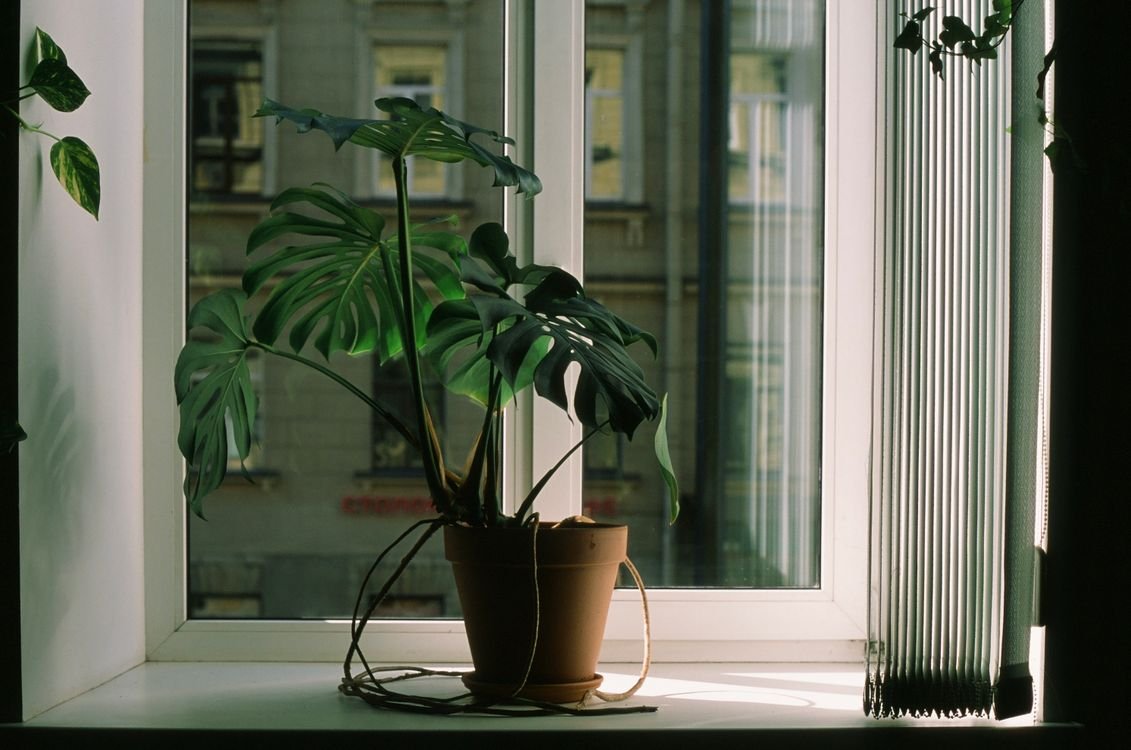
Last summer your monstera threw out a new leaf every few weeks. Your pothos trailed happily across the shelf, your peace lily flowered, and the whole collection looked like the photos you had seen online. Then November arrived. The days turned short and grey, the heating clicked on, and suddenly leaves are yellowing, dropping, or going brown at the edges. If that sounds familiar, you are not a bad plant parent. You are simply meeting a British winter for the first time with tropical plants.
Learning how to keep houseplants alive in winter in the UK is mostly about understanding one idea. Winter is a rest, not a growth season. Your plants are not failing because you are doing too little. In most cases they are struggling because the season has changed the rules and the summer routine no longer fits. A few small changes to light, water, warmth and feeding will carry almost any houseplant through to spring in good health.
Why winter is so hard for houseplants in the UK
Most houseplants come from tropical or subtropical parts of the world, where the light is strong, the air is humid and the nights stay warm all year. A British home in January is none of those things. Daylight can shrink to seven or eight hours, and even a bright south facing windowsill may receive only a fraction of the light it got in June. On a grey day in Manchester or Glasgow, a north facing sill may get almost no useful light at all.
Central heating adds a second problem. It dries indoor air to desert levels, sometimes below 30 per cent humidity, while most tropical plants expect 40 to 60 per cent. At the same time, windowsills turn cold after dark, radiators blast hot dry air by day, and draughts near front doors and letterboxes can shock plants that expect warm still air. Growth slows right down, roots take up water far more slowly, and any mistake with watering or feeding shows up faster than it would in summer.
The good news is that most houseplants do not die in winter. They simply slow down. Your job is to work with that slowdown rather than against it. Think of the next few months as a resting period, and almost every decision you make between November and March becomes easier.
Give them every bit of light you can
Light is the scarcest resource in a UK winter, so chase it before you change anything else. Move plants closer to windows for the winter months, but not so close that leaves touch cold glass, which can cause brown patches overnight. South and west facing windows are the brightest options. East facing sills are a decent second best. If your only space is north facing, a simple LED grow light on a timer for six to eight hours a day can make a real difference, and a basic bulb costs from around £15.
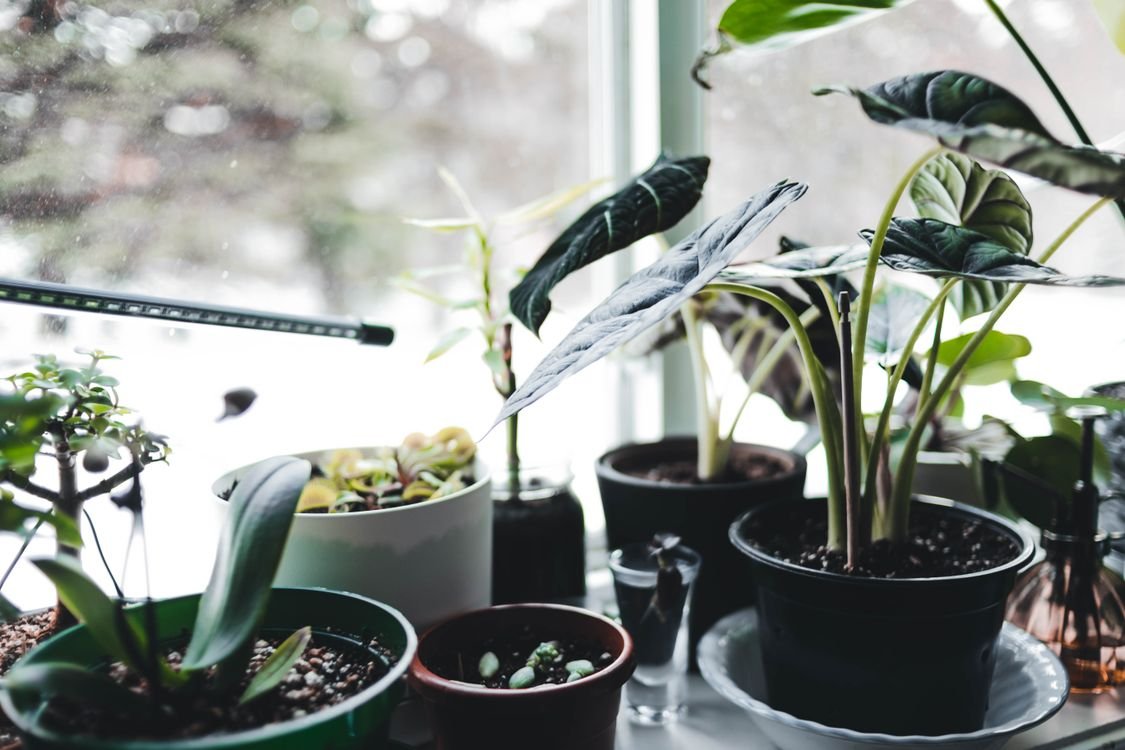
Small habits add up too. Dust blocks a surprising amount of light, so wipe large leaves with a soft damp cloth once a month and give fine leaved plants such as ferns an occasional lukewarm shower. Rotate pots a quarter turn each week so growth stays even. Pull plants out from behind heavy curtains during the day, since curtains block daytime light and trap cold air at night. One useful trick is to bring plants closer to the glass by day and pull them back a little at night, or to slide a piece of card between the pot and the pane on the coldest nights.
How to tell if light is the problem
When light is too low, new growth comes out small, pale and stretched, with long gaps between leaves. Older leaves may yellow and drop, and flowering plants such as peace lilies simply stop blooming. If you see that pattern, light is the first thing to fix. Feeding a plant that is short of light only makes things worse, because it cannot use the extra nutrients and the salts build up in the compost.
Water less, and check before you pour
Overwatering is the single biggest killer of houseplants in winter, and it is almost always done with good intentions. Cool compost, weak light and lower temperatures mean roots take up water far more slowly. A plant that needed a drink every week in July may need one only every two or three weeks in January. Soggy compost in a cool room quickly turns into root rot, and by the time the leaves show it, the damage is often done.

Stop watering on a calendar and start checking the soil instead. Push a finger two or three centimetres into the compost. If it feels even slightly damp, walk away and check again in a few days. When you do water, use room temperature water rather than cold water straight from the tap, and water thoroughly until it drains from the bottom. Then empty the saucer or outer pot after ten minutes. Standing water in a cold room is a fast route to root rot.
Different plants need different treatment. Cacti and succulents, snake plants and ZZ plants can go almost completely dry between waterings from November to February. Moisture loving plants such as calathea or peace lilies should be watered once the surface compost has dried, but still far less often than in summer. A peace lily is a handy guide here, because it droops when thirsty and perks up soon after a drink. If you want the full story on that signal, read our guide on how to revive a drooping peace lily without repotting.
The finger test beats every watering schedule
As a general guide, if your plant has stopped producing new leaves, water about half as often as you did in summer. Most cacti and succulents will need no water at all from the end of October until spring, though if one starts to look shrivelled, give it a small drink. The finger test works in every home and every season, which is why it beats any fixed schedule printed on a plant label.
Beat dry air without drowning the roots
Central heating can push indoor humidity down to 30 per cent or lower, which is desert dry for rainforest plants. Brown crispy leaf edges are the classic sign. Grouping plants together helps, because plants release water vapour that gets trapped among the leaves of nearby plants and lifts the humidity around them. A tray of pebbles topped up with water under the pots does the same job, as long as the pots sit on the pebbles and not in the water itself.

Misting is fine for ferns and orchids but does little for thick leaved plants, and it never replaces proper watering. A small humidifier near a group of humidity loving plants is the most reliable fix if you have several tropical plants in one room. Whatever you do, keep plants away from radiators, log burners and hot air vents. Dry rising heat causes leaf scorch and rapid dehydration, often doing more harm than cold. Move plants a metre or so away from radiators, and never sit them directly on top of one.
Temperature matters too. Most houseplants are happiest between 15 and 24 degrees Celsius, with slightly cooler nights. The danger zones are draughty hallways, cold conservatories and windowsills that swing between hot days and freezing nights. Keep plants out of the way of cold draughts from doors and windows, and do not leave them in an unheated room overnight when frost is forecast.
Stop feeding and leave repotting until spring
With light levels low, most houseplants cannot use extra nutrients, and feeding them now encourages weak pale growth that pests love. Pause liquid feed from late October until you see fresh signs of growth in early spring, usually around March. Plant food can actually harm houseplants in winter, forcing spindly stems and pale leaves or causing fertiliser burn, when brown leaf tips appear and leaves wilt and drop because of salt build up in the soil.
Repotting is best left until spring too. Disturbing roots when a plant is resting does far more harm than good, and fresh compost holds even more water that cold roots cannot use. The one exception is a plant that is clearly rotting: if the compost smells sour and the roots are black and mushy, rinse the roots, trim away the dead parts and repot into fresh dry compost, then leave it alone for a few days before watering lightly.
Watch for winter pests
Winter is peak season for pests indoors, partly because warm dry still air suits them and stressed plants are more vulnerable. Check the undersides of leaves every week or two for the fine webbing of spider mites, the tiny white fluff of mealybugs and the small black flies that hover over damp compost. Fungus gnats love wet winter compost, so letting the surface dry out between waterings is itself a form of pest control. If gnats do appear, our guide on how to get rid of gnats in houseplants without chemicals covers the simple fixes that work indoors.
Isolate any plant with pests straight away so the problem does not spread across the whole collection. Wipe leaves with a damp cloth, remove badly affected leaves, and only reach for a spray if the problem keeps spreading after a week or two of simple care.
How to keep houseplants alive in winter UK: a simple routine that works
You do not need a complicated system. A short weekly check, done on the same day each week, covers almost everything your plants need from November to March.
- Check the light. Move any plant that is stretching or paling closer to the brightest window you have.
- Do the finger test on every pot. Water only the ones that are dry, with room temperature water, and empty every saucer after ten minutes.
- Wipe dusty leaves with a soft damp cloth so they can catch what little light there is.
- Glance under the leaves for pests and move any plant away from a radiator or a cold draught.
- Resist the urge to feed, repot or prune. Note anything that needs doing in spring and leave it until then.
That is the whole routine. Five minutes a week, once a week, is enough for most collections. The plants that survive winter best are usually the ones whose owners did the least to them, not the most.
What to do when leaves drop anyway
A little leaf drop in winter is normal. Older leaves yellow and fall as the plant sheds what it can no longer support in low light, and a monstera or pothos may lose a leaf or two without anything being wrong. What matters is the pattern. If only the oldest leaves are going and new growth looks healthy, your plant is simply resting. If new leaves are yellowing, dropping fast or coming out deformed, something in the routine needs fixing, usually light or watering.
Yellow leaves with damp soil point to overwatering and possible root rot. Yellow leaves with dry soil and crispy edges point to underwatering or dry air. A plant that drops leaves suddenly after a move has usually been shocked by cold or a draught. Move it somewhere steady, resist the urge to water it heavily in panic, and give it two or three weeks to settle. For a closer look at one common case, see our guide on why your pothos is losing leaves indoors.
Some plants will look worse before they look better, and that is fine. A plant that holds its remaining leaves through winter, even without new growth, is a plant that is ready to burst into life when the days lengthen in March.
Conclusion
Keeping houseplants alive through a British winter comes down to three ideas. Treat winter as a rest, not a growth season, and do less rather than more. Chase every ray of light, because low light sits behind most winter problems. And water by checking the soil, not the calendar, while keeping plants away from radiators and cold draughts. Add a weekly five minute check for pests and dusty leaves, pause the feeding until spring, and your collection should reach March in good shape. Spring will reward the patience. When the light returns, your plants will too, with fresh growth that makes the quiet winter months worth it.
Frequently asked questions
How often should I water houseplants in winter in the UK?
Most houseplants need water about half as often as in summer, roughly every two to three weeks. Always check the soil first with the finger test and water only when the top few centimetres feel dry. Cacti and succulents may need no water at all from late October until spring.
Why are my houseplant leaves turning yellow in winter?
Yellow leaves with damp soil usually mean overwatering and cold roots. Yellow leaves with dry soil and crispy edges usually mean underwatering or dry air from central heating. Some yellowing of older leaves is normal in winter as plants rest.
Should I feed my houseplants in winter?
No. Pause liquid feed from late October until you see fresh growth in early spring, usually around March. Plants growing slowly in low light cannot use the nutrients, and feeding now can cause weak growth and fertiliser burn.
Do houseplants need a grow light in winter in the UK?
Most do not, if they sit near a bright south or west facing window. A grow light is worth it for sun loving plants, for rooms with only north facing windows, or for plants that are stretching and paling despite being by the brightest window you have. A basic LED grow bulb costs from around £15.
Can I repot a houseplant in winter?
It is best to wait until spring. Repotting disturbs resting roots and fresh compost holds water that cold roots cannot use. Only repot in winter if the plant is rotting, in which case trim the dead roots, use fresh dry compost and water lightly.
