
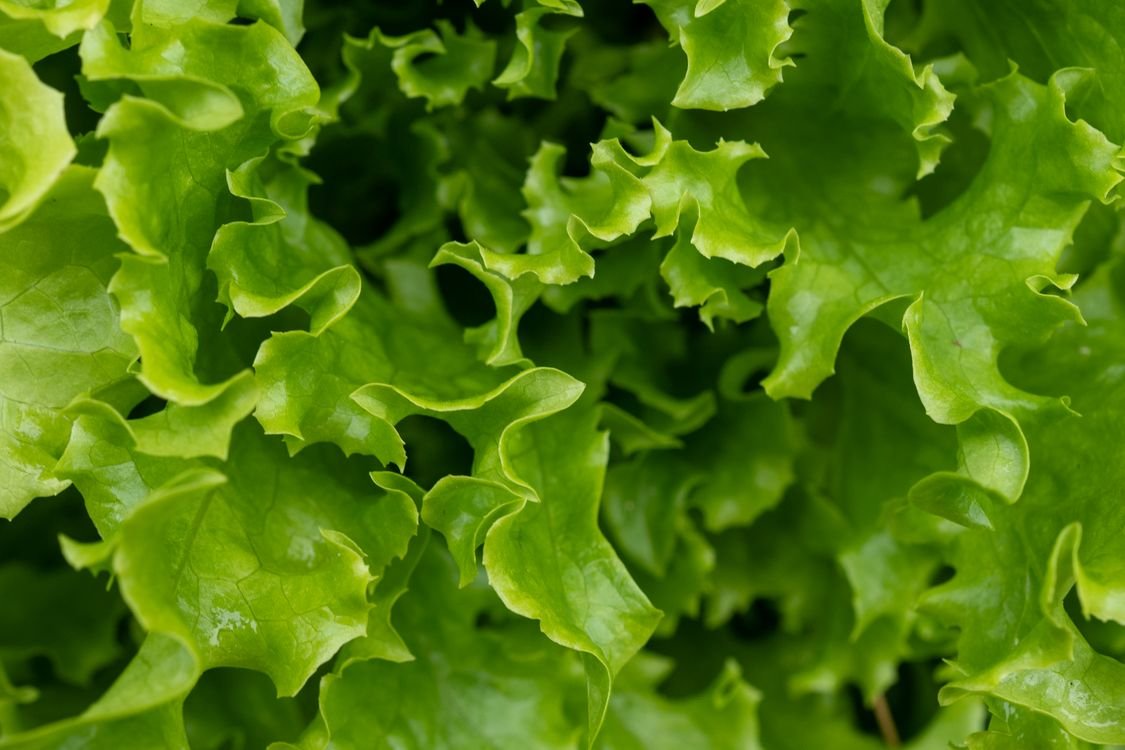
Picture a Sunday grocery run. You buy a big, beautiful head of romaine with the best intentions. Salads all week, you tell yourself. Tacos on Tuesday. Sandwiches for lunch. By Thursday, you open the crisper drawer and find the outer leaves limp, the cut end brown, and a damp, slimy patch forming where the leaves press together. The lettuce is not old. It was stored wrong.
Most of us have lived some version of that story. Lettuce fails fast because it is mostly water wrapped in thin leaves, and the fridge can either protect it or slowly soak it. The good news is that the fix is simple, cheap, and takes about 20 minutes once a week. If you want to know how to keep lettuce fresh in the fridge for two weeks, the answer is not a gadget or a special spray. It is dry leaves, cold and steady air, and a paper towel doing quiet work in the background.
This guide walks through why lettuce wilts, how long each type really lasts, and the exact routine that keeps a whole head crisp from one weekend to the next.
Why Lettuce Wilts So Fast
Lettuce is more than 90 percent water. That high water content is what makes it crisp and refreshing, and it is also what makes it fragile. Once a leaf loses water, its cells sag and the leaf turns limp. Once a leaf sits in free water, soft spots form, bacteria and mold find a foothold, and slime follows. Lettuce storage is therefore a balancing act. The air around the leaves should stay humid so they do not dry out, but liquid water should never pool on the leaf surface.
Three forces do most of the damage. The first is surface moisture. Water left on leaves after washing, condensation inside a sealed bag, or juice from a bruised leaf all keep the surface wet. Wet leaves break down far faster than dry ones. The second is ethylene gas. Lettuce is sensitive to ethylene, a natural plant gas given off by ripening fruit. Stored next to apples or bananas, lettuce can brown and age faster than it should. The third is temperature swing. A fridge that runs warm, a drawer opened constantly, or a head parked on the door shelf where the temperature rises and falls will age lettuce quickly. Postharvest guidance from UC Davis describes lettuce as a crop that keeps best kept cold and humid, near freezing, with high humidity. In plain terms, lettuce wants steady cold, humid air, and dry leaf surfaces.
Cold damage is the quieter risk. Lettuce stored where it nearly freezes, pressed against the back wall of a very cold fridge, can develop dark, water soaked patches that turn mushy as they thaw. That is why the crisper drawer, rather than the coldest back corner, is usually the best home. It holds humidity and buffers the leaves from the coldest blasts.
How Long Different Lettuce Lasts in the Fridge
Not all lettuce plays by the same rules. Variety and cut state change the timeline more than any container can. A sturdy whole head can cruise through two weeks. Delicate loose leaves cannot, no matter how careful you are. Use the ranges below as a rough guide for lettuce stored cold and dry in the crisper drawer. Your fridge, the freshness at purchase, and how often the drawer is opened will all shift the result by a day or two.
Romaine is the workhorse of the two week plan. A whole head of romaine, kept dry and cold, commonly stays crisp for 10 to 14 days. Romaine hearts last about as long, since the tight inner leaves are protected. Iceberg often lasts the longest of all. A whole, uncut head of iceberg can stay usable for about two weeks and sometimes a little more, thanks to its dense, tightly wrapped structure. Butterhead is softer and more delicate. Expect about 5 to 7 days for a whole head of butterhead, even with good storage. Leaf lettuce, including green leaf and red leaf types, is the most fragile. Loose leaves bruise easily and dry out fast, so plan on about 5 to 7 days.
Cut state matters just as much as variety. Whole heads last longest because fewer cut surfaces are exposed to air and moisture. Once you cut or tear leaves, every cut edge is a place where browning and moisture loss start. Cut or torn leaves generally last 3 to 5 days. Bagged salad mixes, which are already washed and cut, usually last 3 to 7 days after opening, and the printed use by date is the best first guide. Once a bag is opened, trust your eyes and nose over the date. If the mix smells fresh and feels dry and crisp, it is fine. If it smells sour or feels slimy, it is done.
The honest takeaway is simple. If your goal is a full two weeks, buy a whole head of romaine or iceberg, keep it whole, and store it dry. If you bought butterhead or leaf lettuce, plan to eat it in the first week and enjoy it at its best, rather than fighting its nature.
The Paper Towel Method Step by Step
The paper towel method is the heart of this routine. Paper towels absorb the surface moisture that would otherwise sit on the leaves and feed decay. A clean tea towel works the same way and can be washed and used again. The method below works for a whole head and, with one change, for loose leaves too.
Start by inspecting the head. Peel off any outer leaves that are bruised, torn, or already slimy. One damaged leaf left in the bundle will spread moisture and decay to its neighbors. If you plan to keep the head whole, leave the core intact. The core holds the head together and limits exposed surface. If you need cut leaves for the week, cut or tear them now, but know that you have shortened the timeline to a few days.
Next, make sure the leaves are dry. If the head is dry from the store, do not wash it. If you rinsed it, dry it fully with a salad spinner and then with paper towels or a clean tea towel. Leaves that feel damp to the touch are not ready to store. Patience here pays off for the whole two weeks.
Wrap the head loosely in one or two dry paper towels. The wrap should hug the head without crushing it. Then place the wrapped head in a container or bag, as described below. Store it in the crisper drawer. That is the whole method. The paper towel will dampen over the days as it pulls moisture away from the leaves. When it feels damp, swap it for a dry one. That single swap, done once during the week, is often the difference between crisp lettuce on day 12 and a slimy head on day 8.
For loose leaves, layer rather than wrap. Line the container with a paper towel, add a loose layer of leaves, add another paper towel, and repeat. Do not pack the leaves down. Air space between the leaves matters. A crammed container traps moisture and bruises leaves every time you dig in for a handful.
Wash Now or Wash Later: A Clear Answer
This is the question that splits most storage advice, so here is a clear stance. For a whole head you plan to keep for up to two weeks, wash later. Do not wash the head before storage. Washing adds surface water, and even careful drying rarely gets every fold and crevice dry. That leftover moisture is exactly what shortens storage life. Keep the head dry, store it whole, and wash only the leaves you are about to eat, right before you eat them.
For leaves you prep ahead for quick salads, wash now is fine, but only if you dry them completely. Wash the leaves in cold water, spin them dry in a salad spinner, and then blot them with paper towels or a clean tea towel until no damp spots remain. Store the fully dry leaves with paper towels, as above, and plan to use them within 3 to 5 days. Half dry is not dry enough. If the leaves still feel cool and damp, give them more time in the spinner or spread them on a towel for a few minutes before packing them away.
The same thinking applies to bagged salad. Bagged mixes arrive washed, so there is no need to wash them again before storage. Extra washing only adds water. Open the bag, add a dry paper towel if the leaves look damp, reseal loosely, and use the mix within a few days. Wash bagged leaves again only if you prefer to, and only right before serving.
Choose a Container That Helps, Not Hurts
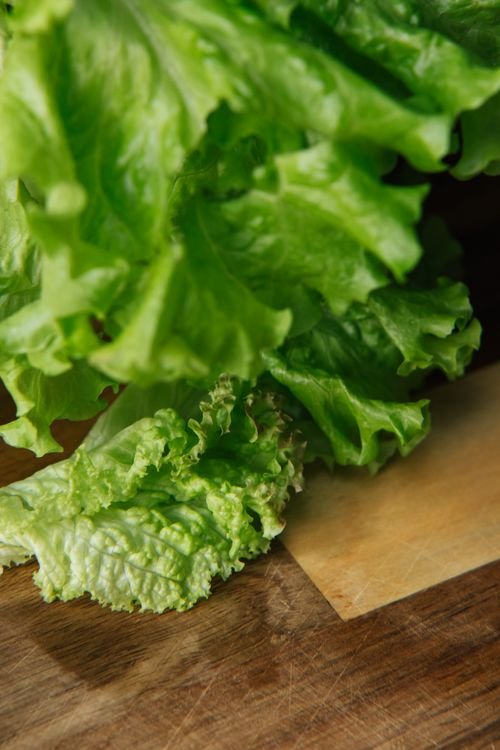
The container matters less than dryness, but the wrong container can undo good work. You have three solid options, and all three beat the original store wrap left untouched.
A glass container with a lid is a strong choice. Glass does not hold odors, it lets you see the lettuce without opening it, and a lid keeps the humidity steady. Leave the lid very slightly loose, or rest it on top without sealing it fully, so a little air can move. Line the bottom with a paper towel, add the wrapped head or layered leaves, and add a paper towel on top. A large container that leaves breathing room around the lettuce works better than a small one packed tight.
A salad keeper with a vent is built for this job. The vent lets you tune the airflow, and many models have a raised base that keeps leaves out of any pooled water. If you use one, keep the vent partly open and still use a paper towel inside. The container helps, but it does not replace moisture control. Check the towel on your weekly check and swap it when damp.
A zip bag is the simplest option and works well if you handle the air correctly. Place the paper towel wrapped head in the bag, press out most of the air without crushing the leaves, and seal the bag almost fully, leaving a small gap, or seal it fully if the lettuce is truly dry and the bag has a paper towel inside. A fully sealed bag with wet lettuce is the classic failure. The bag traps moisture, the leaves sit in their own damp air, and slime arrives early. A bag with dry lettuce, a dry towel, and a little breathing room can carry a head of romaine through two weeks without trouble.
Cold, dry, steady storage is the theme across the whole fridge. The same idea helps other produce too. Our guide to how to store ginger so it lasts longer uses dry, cold, steady conditions for the same reason. Lettuce is simply more urgent about it, because its leaves have so much surface to lose water from and to collect it on.
Where to Store Lettuce in the Fridge
Put lettuce in the crisper drawer, away from the door and away from the coldest back wall. The crisper holds humidity better than an open shelf, and it shields the leaves from the warm air that rushes in every time the door opens. If your crisper has a humidity control, set it to high for lettuce. High humidity in the air around the leaves slows water loss, while the paper towel keeps liquid water off the leaf surface. Humid air plus dry leaves is the combination you are aiming for.
Keep the fridge at or below 40 degrees Fahrenheit. Most storage guides put the sweet spot for lettuce just above freezing, around 32 to 36 degrees Fahrenheit, with humid air. A normal home fridge set near 37 or 38 degrees Fahrenheit works well in practice, as long as the temperature stays steady. What hurts lettuce is not a degree or two of difference. It is a fridge that warms up during the day, a drawer left open, or a head stored on the door shelf where the temperature swings with every opening.
Give the lettuce its own space. Do not stack heavy items on top of the head or the container. Weight bruises leaves, and bruised leaves release moisture and decay faster. If the crisper is crowded, the lettuce container can sit on a middle shelf, as long as it stays cold, steady, and away from fruit. The drawer is best, but a calm shelf beats a crowded, warm drawer.
Keep Lettuce Away From Ethylene Producers
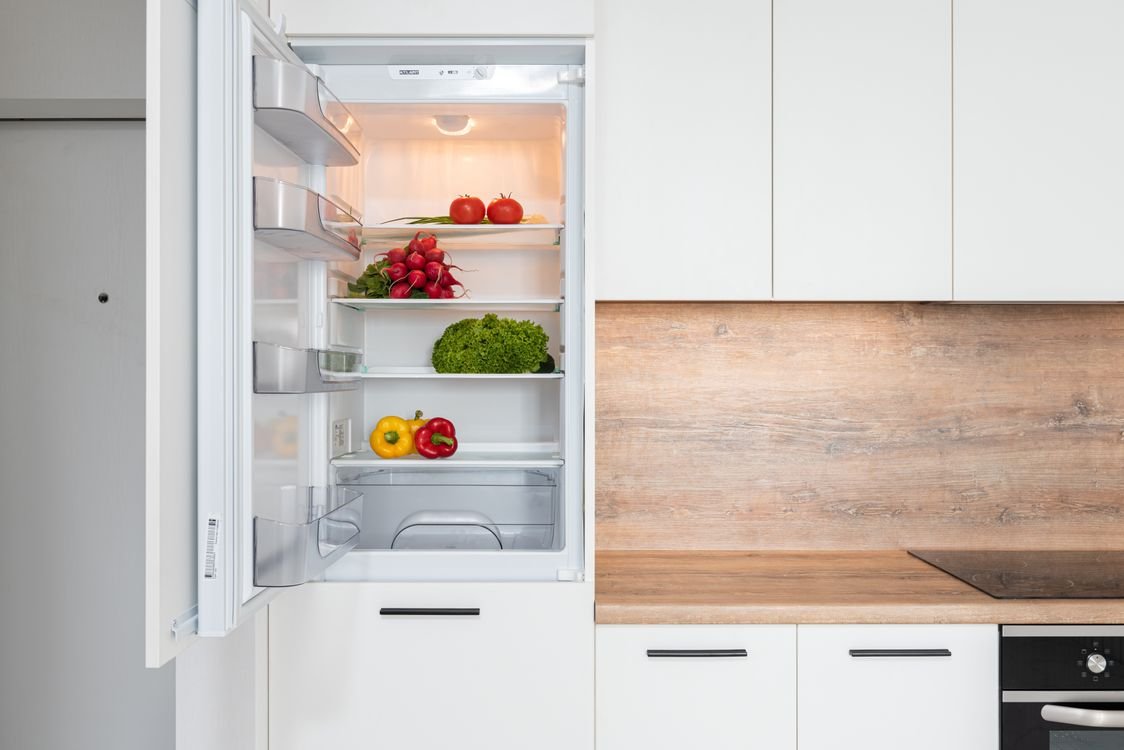
Ethylene is a natural gas that fruits release as they ripen. Lettuce is sensitive to it. Stored side by side with strong ethylene producers, lettuce can develop brown spots, wilt faster, and lose its fresh flavor. The fix is distance. Keep lettuce in its own drawer or container, and keep the fruit below in mind.
Apples and pears are steady ethylene producers and belong far from lettuce. Bananas are among the strongest producers in a home kitchen, and they also warm and ripen fast on the counter, so keep them out of the crisper entirely. Our notes on how to keep bananas fresh longer explain how bananas behave in storage and why they deserve their own spot. Avocados, tomatoes, peaches, plums, and melons also give off ethylene as they ripen. None of them needs to share a drawer with lettuce.
Onions and garlic are a different problem. They give off strong odors that lettuce leaves can pick up, and they prefer drier air than lettuce does. Store them elsewhere. Fresh herbs face the same moisture problem as lettuce, and the same dry towel thinking helps them too. Read how to keep fresh herbs fresh longer in the fridge if your herb bunches keep wilting before the week is out. The principle is identical. Control the moisture, keep the air cold and steady, and check the towel.
If your fridge is small and everything must share one drawer, use containers with lids and keep the fruit in its own sealed bag or container. Separation, even imperfect separation, helps. A lidded lettuce container next to a bagged apple is far better than loose leaves piled beside loose fruit.
The Weekly Check That Saves the Second Week
Two week storage is not a set and forget task. It needs one short check, about halfway through. Set aside 20 minutes once a week, or once during the second week if you bought the lettuce on a weekend. Open the container, take the lettuce out, and look at every part of it. Remove any leaf that is limp, brown at the edges, or starting to feel slick. Those leaves are moisture sources for the rest of the head. Trim the cut end of the core if it looks brown and dry, and discard any leaf that smells off.
Swap the paper towel. If the towel is damp, it has done its job and needs replacing. Put a fresh dry towel in, rewrap the head loosely, and return it to the crisper. While you have the lettuce out, wipe any condensation from inside the container and check that the lid or bag still allows a little air movement. Then put the lettuce back and leave it alone until you need it. This check takes only a few minutes once the routine is familiar, and it is the step most people skip. Skipping it is how a head that was perfect on day 6 turns slimy by day 9.
Use the check as a meal planning moment too. If the lettuce is entering its second week and still crisp, plan to use it generously over the next two or three days. Salads, wraps, sandwiches, and tacos all use lettuce fast. Eating the oldest leaves first, while they are still at their best, beats saving them for a perfect meal that never arrives.
How to Revive Limp Lettuce Leaves
Limp does not always mean ruined. Leaves that have lost water but show no slime, odor, or mold can often be revived. Fill a large bowl with cold water and add a tray of ice cubes. Submerge the limp leaves fully and leave them for 15 to 30 minutes. The leaves will take water back in through their surfaces and often turn crisp again. This works best for romaine and leaf lettuce that wilted from dryness. It will not save leaves that are slimy, moldy, or smell sour.
After the soak, dry the leaves completely before you serve them or store them. A salad spinner is ideal, followed by blotting with paper towels. Revived leaves should be used the same day. They have taken on water and will not store as long as leaves that never wilted. Think of revival as a rescue for tonight’s salad, not a reset of the two week clock.
Ice water also helps leaves you just washed for dinner. A short soak in cold water, followed by a good spin, gives salad leaves a fresh snap that warm tap water never will. Keep the soak short, keep the water cold, and dry the leaves well. Soggy salad is almost always a drying problem, not a lettuce problem.
When Lettuce Has Gone Too Far
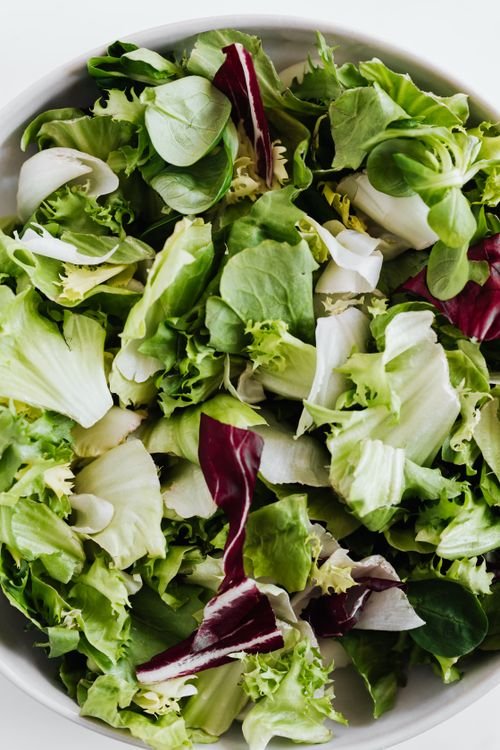
Knowing when to discard lettuce matters as much as knowing how to store it. No storage method makes old lettuce safe, and a head that has turned should not be rescued with a rinse. Discard lettuce at once if you see slime on the leaves, a sour or unpleasant odor, visible mold in any color, or dark mushy patches that feel soft through the leaf. Cut away the bad part and eat the rest is not a safe rule once slime or mold is involved, because the decay has usually spread further than the eye can see.
Brown edges alone are a different story. A brown or pink tinged edge on an outer leaf, with the rest of the leaf crisp and fresh smelling, is usually oxidation where the leaf was cut or bruised. Trim the brown edge, check the rest of the leaf, and use it if it smells fresh and feels firm. The same applies to a brown cut end on the core. Trim it back to fresh tissue and use the head. If the browning runs deep, the leaf feels soft, or the smell is off, discard the leaf.
When in doubt, throw it out. Lettuce is inexpensive, and a fresh head costs far less than a spoiled meal. The two week method earns its keep by making doubt rare. Most heads stored dry and checked once will still be clearly fresh at day 12 or 13, with no judgment call needed.
What Not to Do With Lettuce in the Fridge
A short list of mistakes covers most lettuce failures. Avoid all of these and the method above will do the rest.
- Do not seal wet lettuce in a closed bag. Wet leaves in sealed plastic turn slimy fast. Dry the leaves first, add a paper towel, and leave a little air.
- Do not store lettuce next to ripening fruit. Apples, bananas, avocados, and tomatoes give off ethylene gas that ages lettuce faster. Give lettuce its own drawer or container.
- Do not wash a whole head and then seal it away wet. Wash only what you will eat, and wash it right before eating.
- Do not pack leaves down tight. Crushed leaves bruise, release moisture, and decay faster. Loose layers with paper towels between them store far better.
- Do not leave one rotten leaf in the bundle. A single slimy leaf spreads moisture and decay to healthy leaves around it. Remove damaged leaves at once.
- Do not store lettuce on the fridge door. The door is the warmest, most changeable spot in the fridge. Use the crisper drawer or a steady middle shelf.
- Do not freeze lettuce for salads. Freezing breaks the leaf cells, and thawed lettuce turns limp and watery. Frozen lettuce suits only cooked or blended dishes, and even there it is a poor choice.
- Do not ignore the paper towel. A towel left damp for a week stops absorbing and starts holding moisture against the leaves. Swap it when it feels damp.
How to Keep Lettuce Fresh in the Fridge for Two Weeks: The Simple Routine
The full method fits in a few lines. Buy a whole head of romaine or iceberg. Keep it whole and keep it dry. Wrap it loosely in dry paper towels. Store it in a container or bag with a little air, in the crisper drawer, away from fruit. Check it once during the week, remove any tired leaves, and swap the towel. Wash only the leaves you are about to eat.
That routine is the whole secret behind how to keep lettuce fresh in the fridge for two weeks. Moisture control is the game. Variety and cut state set the timeline, with sturdy whole heads lasting far longer than delicate cut leaves. And a short weekly prep routine beats any gadget, because it catches the one damp towel or tired leaf before it can spoil the rest.
Start with your next grocery run. Choose a firm, heavy head with fresh looking outer leaves and no slime at the core. Bring it home, wrap it dry, and put it in the crisper. By the second weekend, you will know the difference the moment you open the drawer. The leaves will still snap, the head will still smell fresh, and the salad you planned on Sunday will still be waiting for you.
FAQs
Can you really keep lettuce fresh for two weeks?
Yes, for sturdy whole heads. A whole head of romaine or iceberg, stored dry with paper towels in the crisper drawer and checked once during the week, can stay crisp for up to two weeks. Delicate butterhead and leaf lettuce usually last 5 to 7 days, and cut leaves last 3 to 5 days, so choose the variety to match your timeline.
Should you wash lettuce before storing it?
For a whole head, no. Wash only the leaves you are about to eat, right before eating. For leaves prepped ahead, washing is fine only if you dry them completely with a salad spinner and paper towels first. Leaves stored damp will turn slimy much faster.
Do paper towels really make a difference?
Yes. Paper towels absorb surface moisture that would otherwise sit on the leaves and feed decay. Swap the towel when it feels damp, usually once during the week. A clean tea towel works the same way and can be washed and used again.
Is it safe to eat lettuce with brown edges?
Brown edges alone are usually harmless oxidation from cutting or bruising. Trim the brown part and use the leaf if the rest feels crisp and smells fresh. Discard the lettuce if it is slimy, smells sour, shows mold, or feels soft and mushy.
Can you freeze lettuce to keep it longer?
Freezing is not a good option for salads. Frozen and thawed lettuce turns limp and watery because freezing breaks the leaf cells. Keep lettuce in the fridge with the dry towel method instead, and buy a fresh head when the current one is used up.
