
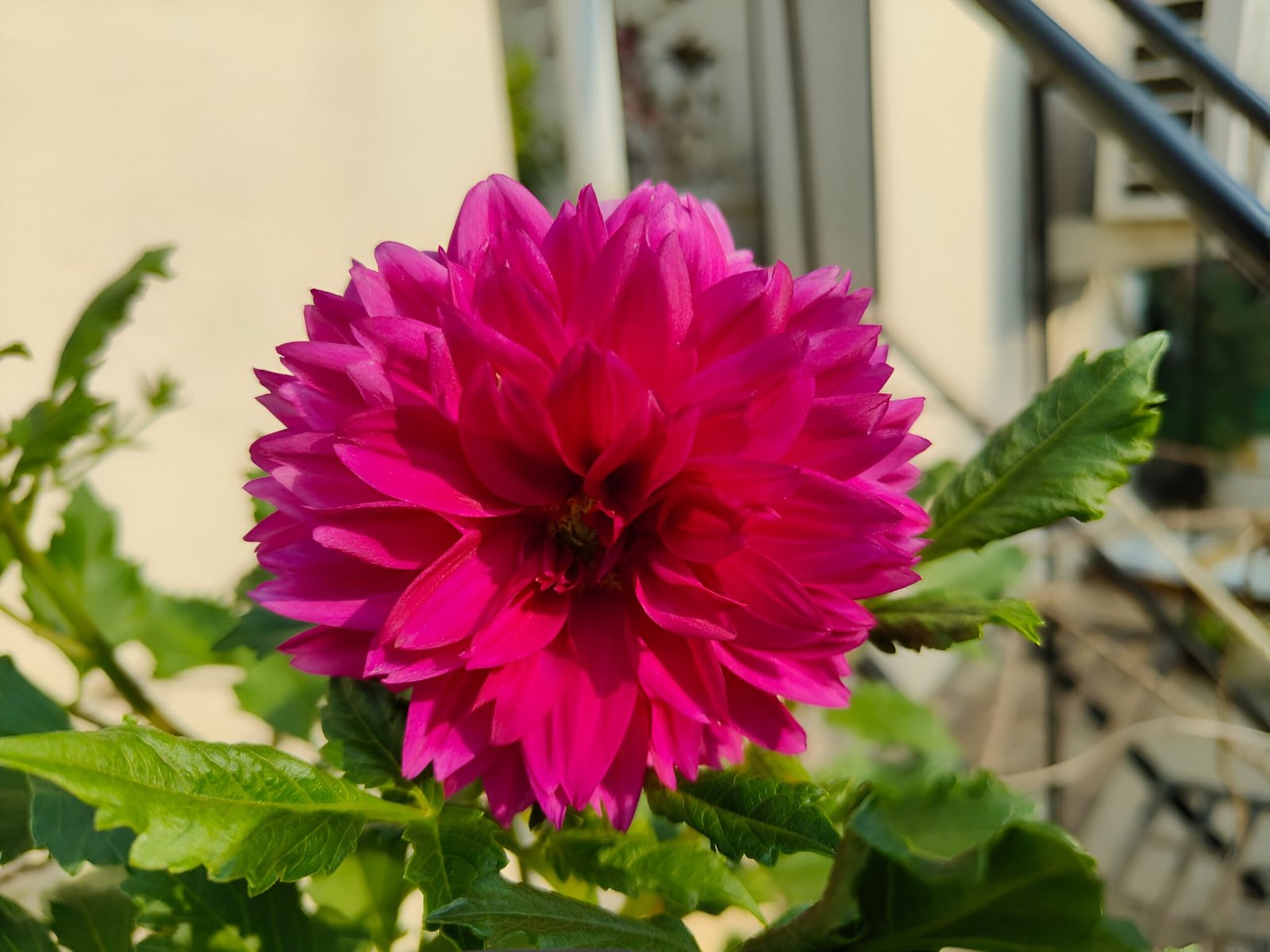
Last November, my neighbor Mara stood in her garden holding a dinnerplate dahlia the size of a salad plate, pink petals still perfect, and asked me the question every dahlia grower asks once: can I just leave these in the ground? She had grown them from a three dollar bag of tubers, and by September they were the best thing in her yard. She left them where they were. By March, the tubers were mush. The flowers that had made her whole summer were gone, and the only thing left was a lesson she paid for with a season of blooms.
Learning how to store dahlia tubers for winter is the difference between buying new tubers every spring and keeping the exact varieties you love, year after year. Dahlias come from the highlands of Mexico, where the ground never freezes. Their tubers hold water like a sponge, and one hard freeze turns that water to ice, bursts the cells, and rots the whole clump. The fix is simple, but the timing and the packing matter more than most guides admit. Get those two things right, and a clump you lift in November can give you three or four plants by next July.
This guide walks through the full method: when to dig, how to lift without breaking the necks, how to cure and pack, where to store the box, and the monthly check that catches rot before it spreads. Everything here follows the advice published by university extension services, including Washington State University Extension and Penn State Extension, so you can trust the numbers instead of guessing.
Do you have to dig dahlia tubers up at all
It depends on where you garden. In USDA hardiness zones 8 to 10, where winter temperatures rarely fall below 20 degrees Fahrenheit, you can cut the plants to the ground after frost, cover the crowns with a thick layer of mulch, and leave the tubers where they are. The soil stays warm enough, and the tubers sleep through winter in place.
In zone 7, the answer is maybe. A mild winter with well drained soil and a heavy mulch layer can carry tubers through, but one wet freeze can finish them. Washington State University Extension calls zone 7 borderline and recommends digging up any variety you cannot bear to lose. In zones 3 to 6, digging is not optional. The ground freezes deep enough to destroy the tubers, and no amount of mulch saves them. Penn State Extension, writing from zone 5b, states it plainly: dahlias there must be dug and stored, because heavy freezing and winter rain promote rotting.
If you do not know your zone, look it up on the USDA plant hardiness zone map before you decide. It takes two minutes, and it is the single fact that determines whether the rest of this guide applies to you. If you garden in a cold climate and you love your dahlias, plan to lift them. The work takes an afternoon, and it protects plants that would cost far more to replace.
How to store dahlia tubers for winter step by step
The whole job breaks into five stages, and each one has a reason. Wait for the killing frost. Dig gently. Cure the tubers so their skins toughen. Pack them in material that holds a little moisture but never stays wet. Store the box cool, dark, and dry, and check it once a month. Skip any stage and the odds of rot climb fast. Follow all five and most tubers come through spring firm and ready to sprout.
Before you start, gather what you need: a digging fork, bypass pruners, a soft brush or an old toothbrush, a garden hose if you plan to wash the tubers, a cardboard box or a plastic tub with a loose lid, packing material such as coarse vermiculite, dry peat moss, wood shavings, or shredded newspaper, and a label and marker for each variety. A cheap thermometer for the storage spot helps too, because guessing at temperature is how tubers wake up too early or freeze in a cold snap.
Wait for the killing frost, then dig within days
The most common mistake is digging too early. A light frost that blackens the leaves is your signal, not your enemy. That frost tells the plant to stop growing and push energy down into the tubers, which hardens them for storage. Wait until the foliage turns black and limp, then plan to dig within a few days. In most of zones 3 to 6, that window falls in mid October to early November. In zone 7, lift within a week of the first frost and never later than mid November, even if mild weather follows.
Do not wait for a hard freeze, meaning several hours at 25 degrees Fahrenheit or lower. A hard freeze can damage tubers still in the ground, especially if the soil is wet. Watch the forecast the way you would watch it for a tender vegetable crop. When a killing frost has done its work and a hard freeze is still a few days away, that is your moment.
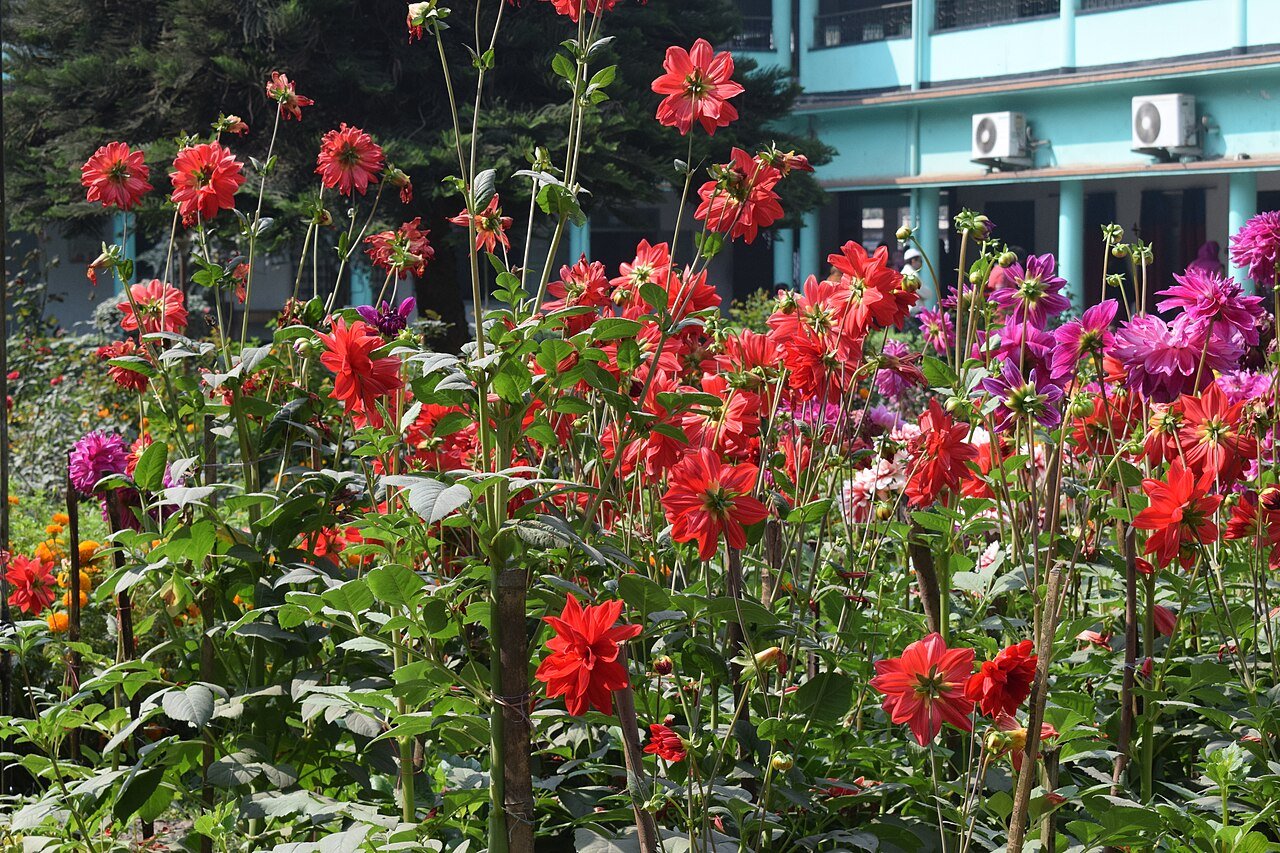
One more timing note: cut the stalks back to 4 to 6 inches above the soil before you dig, but never cut them before the frost. The short stems give you a handle for lifting, and cutting after the frost keeps the plant from sending up soft new growth that would only freeze.
Lift the clump without snapping the necks
A dahlia tuber clump is a crown with several fat tubers hanging from it, joined by thin necks. Those necks snap easily, and a tuber with a broken neck will not sprout in spring, because the growing eye sits on the crown end. The whole lifting technique exists to protect those necks.
Use a digging fork, not a spade. A spade blade slices straight through anything in its path, while fork tines loosen the soil and lift the clump. If your fork has spent the winter in the shed, clean it first. Our guide on how to remove rust from garden tools shows the quick method. Start about 10 to 12 inches out from the stem and work your way around the plant in a full circle, loosening the soil as you go. Rock the clump up gently from several sides instead of prying from one spot. Lift by the soil mass when you can, and use the short stem only as a guide, never as a handle. If a tuber does snap, set it aside. It makes good compost, but it will not grow.
Shake off the loose soil and set the clump on the ground to dry for a few hours. If the soil is heavy clay and clings in clumps, you can rinse the tubers with a hose the same day you dig them, before the soil dries and hardens. Washing is optional. Many growers prefer to brush the soil off dry, because wet tubers need longer to cure. Either way, the goal is the same: clean tubers with no wet soil packed into the crown, because trapped moisture is where rot starts.
Clean, cure, and inspect before packing
Curing is the step most beginners skip, and it is the step that decides whether your tubers are firm in March or mushy in January. Freshly dug tubers have thin skins and small wounds from digging. Left alone in a cool, airy spot for a few days, those skins toughen and the wounds seal over. That sealed skin is what keeps rot out all winter.
Set the clumps in a single layer in a shaded, covered spot with good air movement, such as an open garage or a covered porch. Aim for about 50 to 65 degrees Fahrenheit. Washed tubers need closer to a week to dry; brushed tubers often need three to five days. The surface should feel dry, not shriveled. If a tuber starts to wrinkle, it has cured too long and is losing moisture it will need. Move it into packing sooner.
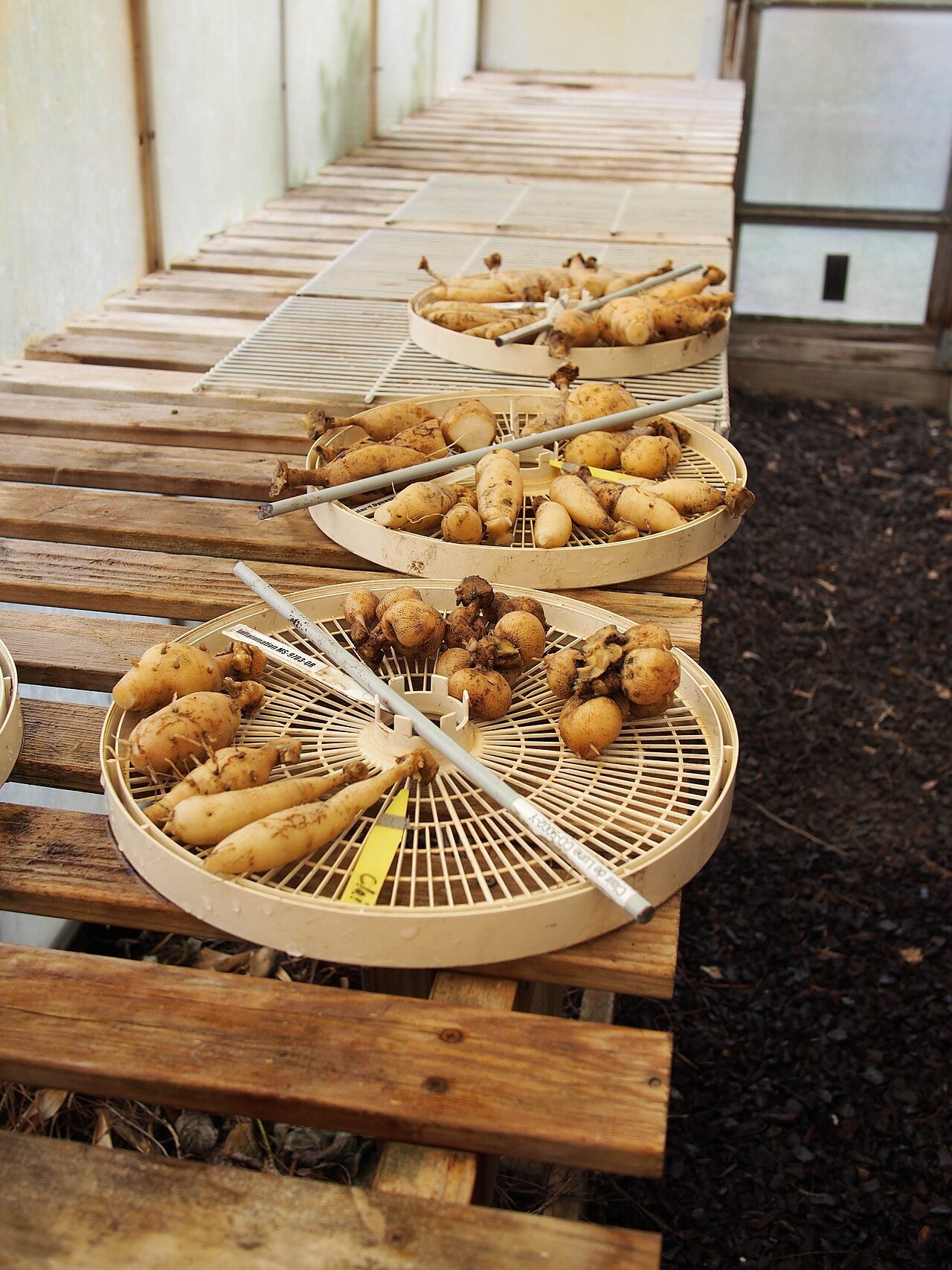
While the tubers cure, inspect each clump. Trim off the thin, stringy feeder roots. Cut away any soft, dark, or damaged spots with a clean knife, and wipe the blade between clumps so you do not carry rot from one variety to another. If you plan to divide the clump, now is the time to learn the anatomy: each division needs a piece of crown with at least one eye, plus a fat tuber to feed it. Many growers store whole clumps and divide in spring, when the eyes are swollen and easy to see. That is the safer choice if you are new to dahlias, because spring eyes show you exactly where to cut.
Pack the tubers so they stay cool, dark, and just damp enough
Storage is a balancing act, and it is easier when you think in conditions instead of copying someone else exact routine. Every basement, garage, and crawl space is a little different, so focus on what the tubers need: cool, moderately humid, dark, with a little air movement. Roughly 40 to 50 degrees Fahrenheit is ideal. Below freezing destroys them. Much warmer than 50 degrees, and they start breaking dormancy early, sprouting pale shoots in the dark that waste the energy they need for spring.
Pack the tubers in a container that breathes a little. A cardboard box, a paper bag, or a plastic tub with the lid set on loosely all work. Add a layer of coarse vermiculite, wood shavings, or dry peat moss, nestle the tubers in so they are not touching, and cover them with more material. The packing buffers humidity: it keeps the tubers from drying out while letting excess moisture escape. Shredded newspaper works too, though it dries out faster and needs a closer eye through winter. Whatever you use, label the box with the variety name and the date you packed it. By February, every brown tuber looks the same, and labels are the only thing standing between your favorite variety and a mystery plant.
Some growers dust the tubers lightly with sulfur powder before packing, as a guard against mold. It is optional, and many growers store successfully without it. What matters far more is that the tubers go into the box dry on the surface, the packing material is dry, and the box can breathe. Sealed plastic bags with no air holes trap moisture and grow mold. A tub with a tight lid in a damp basement is the same mistake in a different shape.
Where to keep the box all winter
An unheated basement, a root cellar, or an insulated attached garage often fits the bill. A cool closet on a north facing wall can work in a mild climate. The spot needs to stay between 40 and 50 degrees Fahrenheit for months, and it needs to stay dark. Light is less of a problem than temperature, but a dark spot keeps the tubers dormant and stops early sprouting.
Put a cheap thermometer in the storage spot so you are working from real numbers instead of guesses. Check it during the first cold snap of the season. Garages that feel fine in November can drop below freezing in January, and a box sitting on a concrete floor loses heat faster than one raised on a wooden pallet or a shelf. If your spot runs cold, move the box onto a shelf and add a layer of old blankets around it for insulation. If it runs warm, find a cooler corner or move the box to a basement stairwell.
Keep the box away from furnaces, water heaters, and ripening fruit. Apples and other fruit give off ethylene gas as they ripen, and ethylene can push stored tubers toward early sprouting. A quiet, cool, dark corner is what you want. The less you disturb the box, the better the tubers rest.
The monthly check that saves your tubers
Stored tubers are not a job you finish in November and forget until April. The growers who lose the fewest tubers are the ones who open the box once a month, and the check takes five minutes. Lift a few tubers, feel them, and look at them. Firm tubers with dry skins are fine. Put them back and close the box.
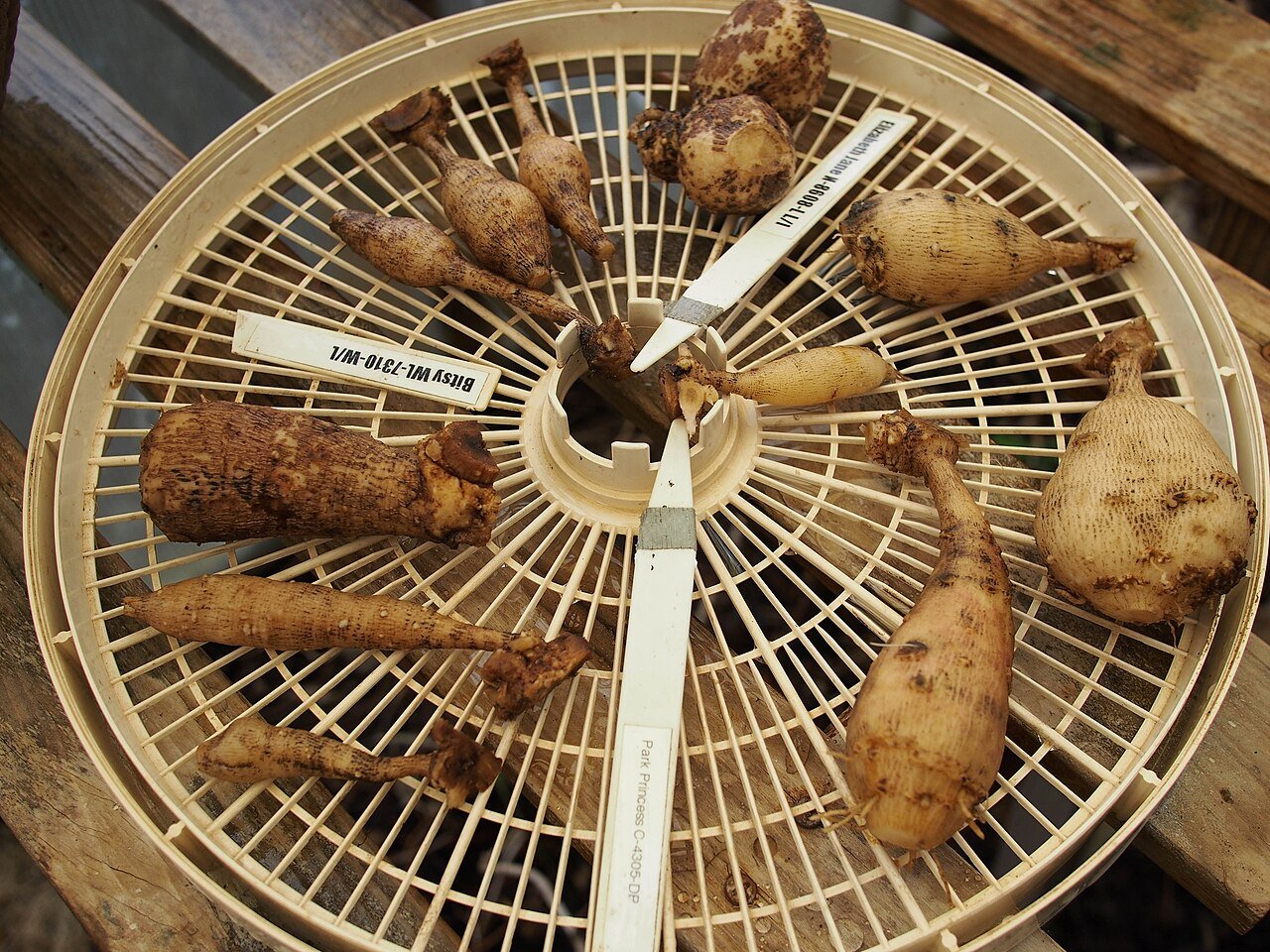
If a tuber feels soft or smells sour, take it out right away. Rot spreads from one tuber to its neighbors through touch, and one bad tuber can ruin a whole box by February. Cut away the soft part if the rest is firm, dust the cut with sulfur or let it dry for a day, and repack it separately. If the whole tuber is mushy or covered in mold, throw it out. Do not try to save it. A tuber that is fully soft will not recover, and keeping it only risks the rest.
If the tubers feel shriveled and light, the air is too dry. Mist the packing material lightly, or add a few barely damp shavings, and close the box. Do not soak anything. The goal is a little moisture in the air, not wet packing. If the packing feels damp or you see condensation inside the lid, the spot is too humid or too warm. Leave the lid ajar for a day, swap in dry packing material, and find a cooler spot if you can.
What to do in spring when the tubers wake up
Start checking the box in late March or early April, depending on your last frost date. Healthy tubers feel firm, and you may see small pink or green eyes swelling on the crown. That is the plant waking up, and it is the moment to divide if you stored whole clumps. Use a sharp, clean knife and give each division a piece of crown with an eye and at least one fat tuber.
You can start the tubers indoors in pots about four to six weeks before your last frost date, using moist potting mix and a sunny windowsill. Keep the soil barely damp until shoots appear, then water normally. Indoor shoots show stress in their leaves first. If the leaves yellow, our guide on why houseplant leaves turn yellow will help you read the signs. Plant out only after the danger of frost has passed and the soil has warmed. Space the plants 18 to 24 inches apart in a sunny spot with well drained soil, and stake tall varieties early, before the stems need the support. The same light rules apply indoors. If a potted plant starts leaning toward the window, see why your snake plant is leaning to one side for how plants chase light and how to fix it.
One clump divided in spring often becomes three or four plants. That is the quiet reward of the whole winter routine. The tubers you lifted in November are not just survivors. They are the start of a bigger display than the one you had, grown from plants you already know and love.
Mistakes that ruin stored dahlia tubers
Most losses come from a short list of avoidable errors. Digging before the killing frost leaves tubers soft and poorly cured. Lifting with a spade instead of a fork snaps necks and slices tubers. Skipping the cure lets rot in through fresh wounds. Packing wet tubers in a sealed container grows mold. Storing the box somewhere warm wakes the tubers up in January, and they burn through their stored energy months before planting time. And never checking the box lets one rotten tuber take the whole batch.
There is also the mistake of trying to save everything. A tuber with a broken neck, a soft spot the size of a coin, or a crown with no visible eye is not worth box space. Compost it and keep the box for the strong tubers. Ruthlessness in November is what gives you full beds in July.
Conclusion
Knowing how to store dahlia tubers for winter is not complicated, but it does ask for care at the right moments. Wait for the killing frost so the plant finishes its work. Lift gently with a fork so the necks survive. Cure the tubers until their skins toughen, pack them in dry material in a box that breathes, and keep that box cool, dark, and dry at 40 to 50 degrees Fahrenheit. Check it once a month, pull anything soft, and trust the firm tubers to wait out the cold.
Mara, my neighbor, lifted her dahlias this November for the first time. She has three labeled boxes in her basement, a thermometer on the shelf beside them, and a calendar reminder for the first Saturday of every month. Come spring, those tubers will go back into the same bed that grew the dinnerplate blooms she loved, and this time they will come back. If you grow dahlias where the ground freezes, that is the whole story: a little work in November buys you your favorite flowers again next summer.
Frequently asked questions
Can I leave dahlia tubers in the ground over winter
In USDA zones 8 to 10, yes, if you cut the plants back after frost and cover the crowns with a thick layer of mulch. In zone 7, it is a gamble that depends on drainage and winter rain. In zones 3 to 6, the tubers will freeze and rot, so you need to dig them up and store them indoors.
What temperature is best for storing dahlia tubers
Roughly 40 to 50 degrees Fahrenheit, in a dark spot with a little air movement. Below freezing destroys the tubers, and much warmer than 50 degrees pushes them to sprout months too early. A thermometer in the storage spot takes the guesswork out of it.
Should I wash dahlia tubers before storing them
You can, but you do not have to. Brushing the dry soil off is enough for most growers, and washed tubers need a longer cure so their skins dry fully before packing. If you do wash them, let them cure for close to a week in a cool, airy spot before they go into the box.
How long can dahlia tubers stay out of the ground
Once cured and packed properly, they rest for four to six months, from the first frost until spring planting. Do not leave cured tubers sitting out in open air for weeks, because they dry out and shrivel. Get them into packing material within a week of digging.
My stored tubers feel soft and shriveled. Are they dead
Not always. A tuber that is slightly soft but still has a firm core and a visible eye can recover once it is potted up in spring. A tuber that is mushy all the way through, smells sour, or is covered in mold is gone. When in doubt, pot it up separately in spring and see if it sprouts before you throw it away.
