

Marcus lives in Atlanta, Georgia, and his front door worked fine all winter. It swung open with one finger in February. It closed with a soft click in March. Then the first hot and humid week of July arrived, and the same door turned stubborn overnight. He had to lean a shoulder into it to get it shut, and every morning it greeted him with a long scrape against the frame. He assumed the door was ruined. He started pricing a replacement. Then a neighbor told him the truth: the door had not changed shape for good. It had swelled, and swollen wood can shrink back again.
That is the story behind most sticking front doors in summer, and it is good news. If you are asking why does my front door stick in summer, the answer is usually simple, and the fix is often quick. A door that sticks only in warm months usually has a simple cause and a simple fix. You do not need a new door. You need to find where it rubs, fix the cause, and protect the wood so the problem stays away next year. This guide walks through each step in plain order, with fixes that cost little and take less than an hour in most cases.
Why Does My Front Door Stick in Summer
Wood is a living material long after it leaves the forest. It takes in water from damp air and gives it back when the air dries out. Warm summer air holds far more moisture than cold winter air, so a wooden front door absorbs water all through June, July and August. The fibers swell, mostly across the grain, which means the door grows wider. A gap that measured an eighth of an inch in winter can close to nothing by midsummer. The door then rubs the frame, drags on the threshold, or refuses to latch.
The frame swells too. The jamb on the latch side can bow inward a fraction, and the head jamb above the door can drop slightly when the wood around it moves. Paint slows the process but does not stop it. A door that is sealed on the front and back but raw on the top and bottom edges will drink moisture through those bare edges first, which is why so many sticking doors rub at the top corner or along the bottom.
Humidity is the main driver, and the numbers explain the pattern. Indoor air that sits between 30 and 50 percent relative humidity keeps wood fairly stable. In a humid summer, indoor humidity often climbs past 60 percent, especially in homes without a dehumidifier or with a damp basement. At that level, an unsealed wood door can gain enough width to bind. When autumn arrives and the air dries, the door usually frees up again on its own. That seasonal pattern is the clearest sign that moisture, not damage, is the cause.
Heat adds a smaller effect. Sun beating on a dark painted door can warm the surface well above the air temperature, and the warm face dries and moves at a different rate from the shaded face. A south facing door in full sun is more likely to bow slightly in summer than a shaded north facing door. The bow is usually small, but a small bow is enough when the gap around the door is already tight.

Not every sticking door is a summer swelling problem, and that matters because the fix is different. A door that sticks all year has a different cause, such as sagging hinges, a shifted frame, or a slab that was never square. A door that started sticking suddenly after a storm may point to water damage or a foundation shift. The tests in the next section tell you which problem you have before you spend money or remove any wood.
Read the Rub Marks Before You Touch a Tool
Fixing the wrong spot is the most common mistake with a sticking door. People sand the edge they can see, then find the door still binds, because the real pressure point was on the opposite side. Ten minutes of diagnosis saves an afternoon of guesswork. Start by closing the door slowly and watching where it catches. Then run a sheet of paper around the gap between the door and the frame. Where the paper slides freely, the gap is fine. Where it snags or tears, you have found a pressure point.
Chalk gives you a clearer picture. Rub a stick of chalk along the edge of the door, then close and open it once. The chalk will transfer to the frame exactly where the door rubs. Mark those spots lightly with a pencil so you can find them again after the chalk fades. Most sticking doors show one of four patterns, and each one points to a different fix.
First, a rub along the whole latch edge that appears only in humid months means the door has swelled across its width. This is the classic summer pattern, and sealing the edges plus easing the swollen spot usually solves it. Second, a rub at the top corner on the latch side usually means the door has sagged on its hinges. The top hinge screws have loosened, the door has dropped a fraction, and the top corner now digs into the frame. Longer screws in the top hinge often fix this in minutes.
Third, a rub at the bottom of the door that scrapes the threshold points to a dropped door or a swollen bottom edge. Check the hinges first, then look at the bottom edge of the door. If the bottom edge is raw wood with no paint or sealer, moisture has likely swollen it. Fourth, a door that binds at one corner while the opposite corner shows a wide gap means the frame has moved out of square. That pattern needs more care, and if the gap changes through the seasons, settling or framing movement may be involved.
While you diagnose, check the latch as well. Turn the handle and watch the latch bolt meet the strike plate. If the bolt hits below the strike opening, the door has sagged. If it hits above, the door may have risen on swollen hinges or the strike plate may have shifted. A latch that misses by a small amount is a hinge or strike plate job, not a sanding job. Write down what you found, because the fixes below match each pattern.
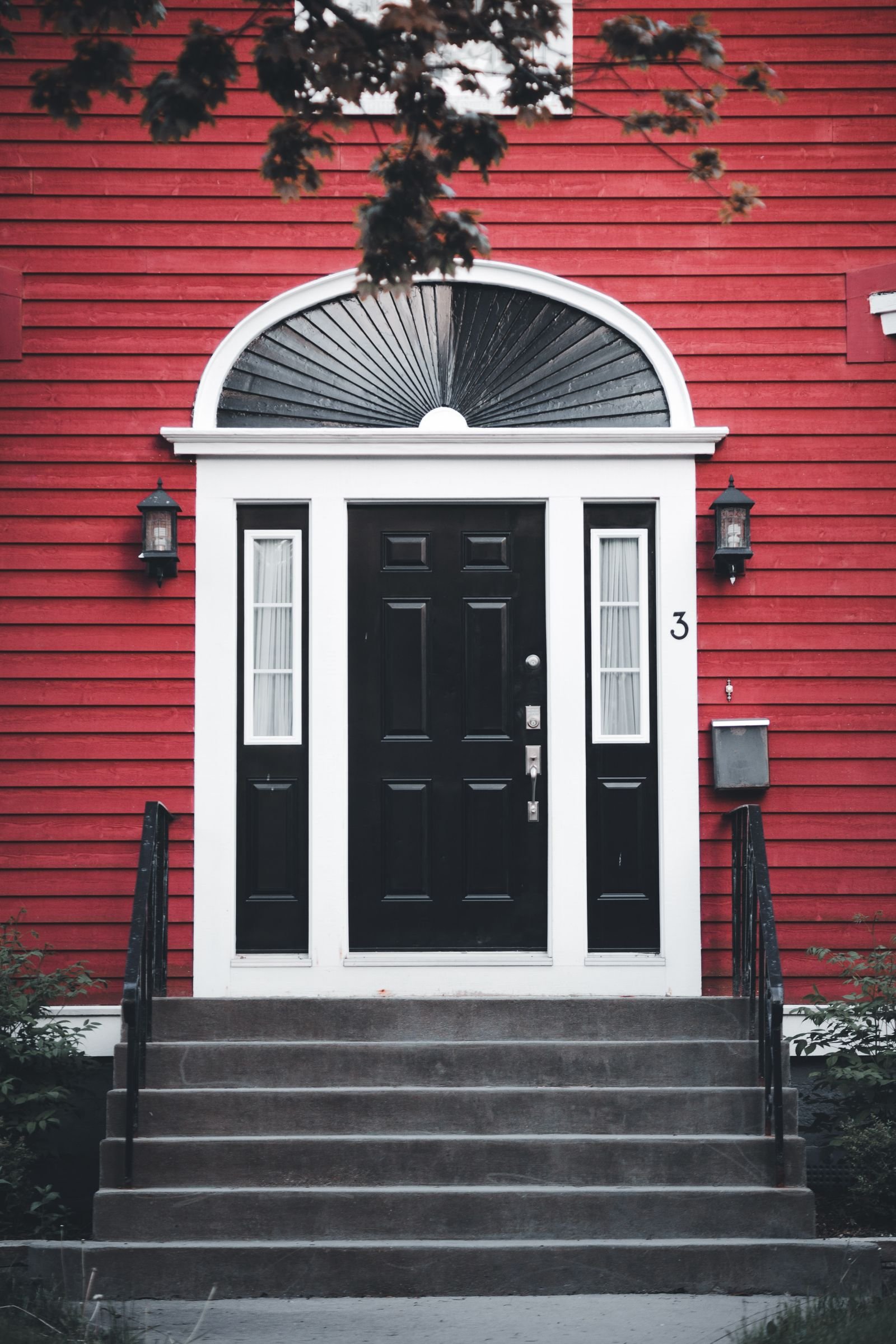
Seven Fixes That Stop a Sticking Front Door in Summer
Work through these fixes in order, starting with the easiest. Most sticking doors are fixed by the first three. Stop as soon as the door swings freely and latches cleanly. Removing more wood than needed creates a drafty gap in winter, when the door shrinks back.
1. Tighten the Hinge Screws, Then Fit Longer Ones
Open the door and check each hinge screw with a screwdriver. Loose screws are the single most common cause of a sagging door, and they hide in plain sight. Tighten every screw on the door side and the frame side. If a screw spins without gripping, the hole is stripped. Pull the screw out, push a wooden golf tee coated in wood glue into the hole, snap it flush, and drive the screw back in once the glue dries. The tee gives the screw fresh wood to bite.
If the door still sags after tightening, replace one screw in the top hinge with a three inch screw that reaches through the jamb and into the wall stud behind it. Drive it slowly and check the gap as you go, because this screw can pull the door up a fraction and change the alignment. Do the same on the middle hinge if the sag is severe. This one fix solves a surprising number of summer sticking doors, because the swelling only exposes a sag that was already there.
2. Slip a Thin Shim Behind a Hinge
Sometimes the door needs a nudge rather than a lift. If the door rubs on the latch side near the top, a thin cardboard shim behind the bottom hinge can tilt the door slightly away from the rub. Cut a piece of thin cardboard to the size of the hinge leaf, loosen the screws on the frame side of the bottom hinge, slide the cardboard behind the leaf, and tighten the screws again. Test the door. Add a second thin layer only if the first did not move the rub point enough.
Shims work in the opposite direction too. If the door rubs on the hinge side, a shim behind the top hinge can shift it the other way. Keep the shims thin. A shim that is too thick will push the door out of square and create a new rub somewhere else. Cardboard from a cereal box is about the right thickness to start with, and it compresses slightly as the screws tighten, which makes it forgiving.
3. Sand the Swollen Edge Lightly
When chalk marks show a clear swollen spot, sanding is the right move, but take off as little as possible. Mark the rub area with a pencil, then remove the door from its hinges if you can. Lay it flat on sawhorses. Use a sanding block with medium grit paper and work along the marked area only, checking the fit often by holding the door back in place. You are aiming to restore the gap, not to reshape the door.
Work in thin passes and test after each one. A door that swelled in summer will shrink in winter, so every bit of wood you remove now becomes a gap later. Stop as soon as the paper test shows an even gap all the way around. If you must sand with the door still hung, protect the floor with a drop cloth, work slowly, and keep the sanding block flat so you do not round the edge. Vacuum the dust before you seal the edge, because dust stops paint and sealer from bonding.
4. Seal Every Edge of the Door
This is the fix that stops the problem from coming back. Sanding treats the symptom. Sealing treats the cause. A sealed door absorbs far less moisture, so it swells far less. Remove the door, and paint or seal all six sides: front, back, top, bottom, and both long edges. Most people seal the two faces and forget the top and bottom edges, and those bare edges are exactly where moisture enters fastest.
Use an exterior primer followed by two coats of exterior paint, or a clear exterior sealer if you want to keep the wood grain visible. Pay special attention to the bottom edge, which sits close to rain splash and damp air near the threshold. Let each coat dry fully before you hang the door again. While the door is off, seal the frame edges that sit behind the weatherstripping too. A sealed door also keeps out winter air. If cold air slips under the door in January, see our guide on how to stop draughts under a front door for the matching winter fix.
5. Move the Strike Plate a Fraction
If the door swings freely but the latch misses the strike plate, the strike plate is the problem, not the door. Loosen the strike plate screws and check how far the latch misses the opening. If it misses by a small amount, you can file the edge of the strike opening slightly to give the latch room. If it misses by more, remove the plate, fill the old screw holes with glued wood slivers, and reinstall the plate a fraction higher or lower so the latch drops in cleanly.
Chisel the mortise carefully if the plate needs to sit deeper. Work in thin shavings and test the fit often. A strike plate that sits proud of the jamb will catch the latch and feel like a sticking door even when the door itself moves freely. Tighten the plate with screws long enough to reach the stud, because short screws in a strike plate loosen over time and let the plate drift.
6. Plane the Edge Only as a Last Resort
Planing removes wood fast, and that speed is the danger. Plane only when sanding has not freed the door and the chalk marks show a wide swollen area. Use a sharp hand plane, take thin shavings, and check the fit after every pass. Never plane a door that will shrink back in winter unless the rub is severe, because the gap you create will stay.
Plane with the grain, working from the edges toward the middle of the door to avoid splitting the corners. Seal the planed edge the same day. Freshly planed wood absorbs moisture faster than any other surface on the door, so an unsealed planed edge can swell again within weeks. If you are not confident with a plane, sanding is slower but far safer, and a carpenter can plane a door in a single short visit.
7. Bring Indoor Humidity Down
A sticking door is often a symptom of a damp house, not just a damp door. If indoor humidity stays above 60 percent through the summer, every wooden door and window in the home will move. A dehumidifier in the hallway or basement can pull indoor humidity back into the 30 to 50 percent range where wood stays stable. Run it through the humid months and empty it daily, or connect a drain hose so it runs on its own.
Small habits help too. Run the bathroom fan during showers and for twenty minutes after. Vent the dryer outside, not into the house. Keep the basement door closed if the basement is damp, and fix any leak near the front entry promptly. Damp air can also leave a damp smell in a bedroom and a musty smell in a closet, so if those smells show up alongside the sticking door, the whole house needs drier air, not just the door.
Three Fixes to Skip
Not every idea you find online helps, and a few make the problem worse. First, do not force a stuck door open with a hard shove or a kick. Forcing it can crack the frame, split the door edge, or bend the hinges, and a cracked frame is a far bigger repair than a swollen edge. If the door will not move, work the latch and lift the door slightly by the handle while you push.
Second, do not plane the door the first day it sticks. Wood that swelled in a humid week can shrink again when the weather turns dry. Planing on the worst day of summer guarantees the widest gap in winter. Try the hinge screws, the shim, and light sanding first. Give sealing a chance to work. Plane only if the door still binds after the humidity drops.
Third, do not ignore a door that sticks and also shows soft or crumbling wood. Soft wood means rot, and rot spreads. Sanding a rotted edge only hides the damage for a few weeks. Probe soft spots with a screwdriver. If the tip sinks in easily, the wood is rotted and needs repair or replacement of the affected section before anything else.
When Sticking Means a Bigger Problem
Most summer sticking doors are simple, but a few patterns deserve a professional look. Call a carpenter or a foundation specialist if the door binds at one corner while the opposite corner gapes open, and the gap changes month to month. That pattern points to the frame moving out of square, which can mean settling soil, a shifting foundation, or framing that has moved with age. A door that sticks in every room of the house at the same time is another warning sign, because it suggests the whole structure is moving, not just one door.
Water damage is the other red flag. Look for stains on the wall above the door, peeling paint on the frame, or a soft threshold that gives underfoot. A leak above the entry can soak the frame for months before the door starts to stick. Fix the leak first, then the door. Replacing a door while the leak continues only buys a short break before the new door swells too.
Age matters as well. A door that has been planed several times over the years may simply be too thin at the edges to seal well, and a slab that is warped or twisted will never sit square in its frame. In those cases a replacement slab, fitted to the existing frame, often costs less than repeated repairs. Get two quotes before you decide, and ask each carpenter whether the frame itself is sound.

A Short Checklist to Keep the Door Free Next Summer
Prevention takes an hour once a year, and it beats a stuck door in July. Run through this list each spring, before the humid weather arrives.
- Check every hinge screw and tighten any that have loosened over winter.
- Look at the top and bottom edges of the door. If the paint is thin or the wood is bare, seal those edges before summer.
- Run the paper test around the gap. If the paper snags anywhere, sand that spot lightly now, while the door is at its smallest.
- Clean the weatherstripping and check that it still springs back when you press it.
- Test the latch. It should drop into the strike plate without lifting or pushing the door.
- Check indoor humidity with a cheap hygrometer. If it reads above 60 percent, run a dehumidifier.
- Look for peeling paint or soft wood on the frame, and repair any small damage before the wet season.
Keep a small tin of touch up paint and a tube of exterior sealer in the house. A ten minute touch up in spring is worth far more than a stuck door in July, and it keeps the door looking good at the same time.
The Takeaway: Fix the Cause, Not the Symptom
Marcus did not need a new door. He needed three inch screws in the top hinge, a light sanding on the latch edge, and a coat of sealer on the top and bottom edges that had never been painted. The door freed up the same afternoon, and it stayed free through August. The next summer it stuck again, but only slightly, and a quick sanding fixed it in twenty minutes because the edges were sealed by then.
That is the lesson to carry into your own repair. So why does my front door stick in summer? In most cases the wood has absorbed moisture and grown wider. Find where it rubs, fix the hinge or the swollen spot, seal every edge, and bring indoor humidity down. Do those four things and the door will swing freely again, this summer and the next.
Questions Readers Ask About Sticking Front Doors
Why does my front door stick in summer but not in winter?
Wood absorbs moisture from humid summer air and swells across the grain, which closes the gap around the door. In winter the air dries out, the wood gives the moisture back, and the door shrinks to its normal size again. The seasonal pattern is the clearest sign that moisture is the cause.
Can I fix a sticking front door without removing it?
Yes, in most cases. Tightening the hinge screws, fitting longer screws in the top hinge, and moving the strike plate can all be done with the door in place. Light sanding is also possible with the door hung, though removing the door makes sanding and sealing far easier and neater.
How much should I sand off a swollen door?
As little as possible. Sand in thin passes and test the fit after each one, aiming for an even gap that lets a sheet of paper slide around the door with light resistance. Remember the door will shrink in winter, so every bit you remove now becomes a gap later.
Will sealing my front door stop it from sticking?
Sealing helps a great deal, but it does not make wood waterproof. Paint or exterior sealer on all six sides slows moisture movement so the door swells far less. Keep the sealer in good condition and touch up bare spots each spring for the best result.
When should I call a professional about a sticking door?
Call a carpenter if the door binds at one corner while the opposite corner gapes, if every door in the house sticks at once, or if you find soft or rotted wood. Call a foundation specialist if the gaps around the door change through the seasons or if you see cracks in the walls near the entry.
