

It is 2am and the baby is finally asleep. You slip out of the nursery, pull the door closed behind you, and it lets out a long thin squeak that cuts through the quiet house like a smoke alarm. You freeze. You listen. From the crib comes a small restless sound, then a cry. You are back on duty, and the door is the reason why.
If that scene feels familiar, you already know why learning how to fix a squeaky door hinge without removing the door matters. A squeaky hinge is a small problem with an outsized effect. It wakes sleeping kids, it interrupts video calls, it announces every trip to the bathroom at night, and it makes a well kept home feel tired. The good news is that you can silence it in about ten minutes, with no tools beyond a screwdriver and a bottle of lubricant, and without taking the door off its hinges at all.
This guide walks you through the exact method that works, the six household fixes you can try tonight with things already in your kitchen, the pin out method for a stubborn squeak, and the warning signs that mean lubricant alone will not save the hinge. Three main points carry the whole job. First, find the exact hinge that is making the noise before you oil anything. Second, use the right lubricant, because the wrong one can make the squeak return louder in a week. Third, treat the cause, not just the sound, so the fix lasts for months instead of days.
Why Your Door Hinge Squeaks in the First Place
A door hinge is a simple machine. Two metal leaves are joined by a pin that sits inside a row of hollow knuckles, and the door swings on that pin thousands of times a year. Every swing is metal rubbing on metal, and the only thing standing between quiet movement and an angry squeak is a thin film of lubricant between the pin and the knuckles.
Over time that film dries out, collects dust, or gets washed away by humidity. In a bathroom the steam from daily showers speeds the process up. In a dry heated house in winter, the metal contracts slightly and the clearances change. Either way the pin starts to drag against the inside of the knuckle instead of gliding, and the vibration travels through the door and the frame, which acts like a sounding board. That is why a tiny hinge can sound so loud at 2am.
Age plays a role too. A hinge that has been in place for ten or fifteen years may have a thin coat of paint sealing the pin in place, or a buildup of old grease that has turned into a sticky paste. New doors can squeak as well, usually because the factory coating on the pin wears off in the first few months and nobody thinks to oil a brand new hinge. The cause matters because it decides the fix. A dry hinge needs lubricant. A dirty hinge needs cleaning first. A bent hinge needs replacing, and no amount of oil will change that.
What You Need Before You Start
The whole job fits in one small pile on a kitchen counter, and most homes already have everything on the list. Gather it before you start so you are not hunting through drawers with an oily rag in one hand.
You need a lubricant made for metal. Silicone spray is the best default choice for interior doors, and a small can costs about 5 dollars at Home Depot or Lowes. White lithium grease is the better pick for heavy exterior doors or hinges that carry a lot of weight, and a tube costs about 6 dollars. A light machine oil, the kind sold as three in one oil, also works well and costs about 4 dollars. If you have none of these, the household fixes later in this guide will cover you for tonight.
You also need a clean rag or a few paper towels, a small soft brush or an old toothbrush, a flathead screwdriver, and a hammer. The screwdriver and hammer are only needed if you decide to lift a hinge pin, which is the optional second stage of the fix. Put an old towel on the floor under the door to catch drips. Wear clothes you do not mind getting a small oil spot on, and keep the lubricant away from painted walls and carpet, because silicone spray leaves a slick patch that is hard to clean.
Find the Hinge That Is Actually Squeaking
Most interior doors have three hinges, and the squeak almost always comes from only one of them. Oiling all three is fine, but finding the guilty one first saves time and keeps oil off hinges that do not need it.
Open the door halfway, then move it slowly through a short arc while you listen close to each hinge in turn. Put one hand lightly on the door near the top hinge and feel for vibration as it moves. The noisy hinge will often tremble slightly under your fingers. Repeat the test at the middle and bottom hinges. When you find the one that sings, mark it with a small piece of painters tape so you do not lose track of it while you work.
While you are listening, look at the hinge as well. Check whether the screws are tight, whether the pin has crept upward out of the knuckle, and whether there is visible rust or a crust of old grease around the joints. A pin that has walked up by a quarter inch will squeak no matter how much oil you add, and a loose screw can make the whole hinge shift and groan. Tighten any loose screws now with a screwdriver that fits properly, turning them snug but not so hard that you strip the wood. If a screw spins freely without gripping, the hole is stripped, and you will find the fix for that later in this guide.
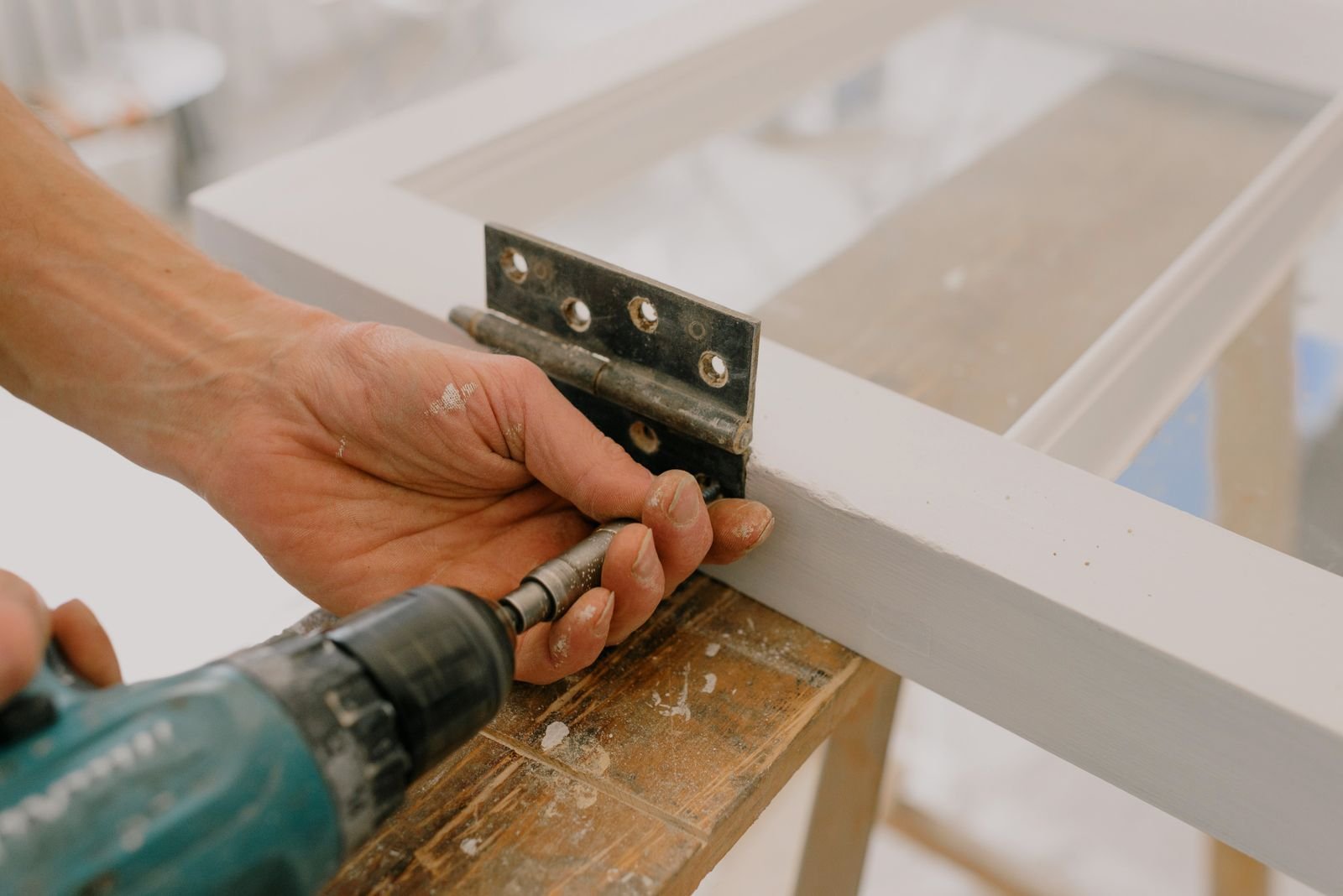
How to Fix a Squeaky Door Hinge Without Removing the Door
This is the main method, and it is the one to try first. It takes about ten minutes, it needs no strength, and the door stays on its hinges the whole time. It works on any standard interior butt hinge with a removable pin, which covers nearly every interior door in an American home.
Start by cleaning the hinge. Wipe the visible metal with a dry rag to remove dust, then run the soft brush around the knuckles to clear any grit sitting in the joints. Dirt is often the real cause of the noise, and oiling straight over it just traps the grit inside the hinge where it grinds away at the pin. If the hinge is sticky with old grease, dampen the rag with a little warm soapy water, wipe it clean, and let it dry fully before you go any further.
Next, apply the lubricant. If you are using silicone spray, fit the thin straw that comes with the can and aim it into the narrow gap where the pin meets the top knuckle. Give it one short burst, about one second, and let gravity pull the oil down through the barrel. If you are using white lithium grease, put a pea sized dab on the tip of a cotton swab and press it into the same gap. If you are using light machine oil, put two or three drops on the top of the pin and let them seep down.
Now work the door. Open and close it slowly ten times, all the way through its normal swing. This movement spreads the lubricant around the pin and into every knuckle. Listen as you go. The squeak usually fades by the third or fourth swing and is gone by the tenth. Wipe away any oil that has dripped onto the door or the frame with a clean rag, because oil left on the surface attracts dust and will stain paint over time.
Test the door once more after a minute. If it moves silently, you are done. If a faint squeak remains, apply one more small dose of lubricant to the same hinge and work the door another ten times. Two light applications beat one heavy one, because flooding a hinge with oil creates a mess and does not reach any deeper than a careful dose. If the squeak is still there after the second round, the problem is deeper than dryness, and the pin out method below is your next step.
Six Household Fixes That Work in a Pinch
Sometimes the squeak needs to stop tonight and the hardware store is closed. These six household fixes all work, and each one buys you quiet until you can do the proper job with a real lubricant. They are not equal, so pick the best one you have on hand.
Petroleum jelly is the strongest of the bunch. It is thick, it stays where you put it, and a small dab pressed into the hinge knuckle with a cotton swab can quiet a door for weeks. A jar costs about 4 dollars at any drugstore, and most homes already have one in a bathroom drawer. Smear a thin coat on the pin and around the knuckle joints, then work the door back and forth to spread it.
Olive oil is the fastest option because it is already in your kitchen. Put two or three drops on a cotton swab and dab it into the top of the hinge, then swing the door to work it in. It works well for a few days, but it is a thin oil that dries out and can turn rancid over time, so treat it as a stopgap and plan to use a proper lubricant within the week.
Bar soap is an old carpenter trick that still works. Rub a dry bar of soap along the hinge pin and into the knuckle joints, then open and close the door. The soap leaves a waxy film that quiets the metal on metal contact. It lasts longer than olive oil and it is completely clean to apply, which makes it a good choice for a white painted door where oil stains would show.
Paraffin wax, the kind in a plain household candle, works the same way as soap and lasts even longer. Rub the candle firmly over the pin and the knuckles until a visible waxy coat builds up, then work the door. This is the neatest of all the household fixes, and it is the one to choose if the hinge is on a door guests see every day.
Coconut oil is a decent substitute for petroleum jelly if that is what you have in the pantry. It is solid at room temperature, so you can press a small amount into the hinge with your fingertip, and body heat plus friction melts it into the joint. It smells pleasant, but like olive oil it will not last as long as a purpose made lubricant.
Furniture polish is the last resort. A quick spray into the hinge gap will quiet the squeak for a day or two, because most polishes contain waxes and oils. It is better than nothing at midnight, but it is not a real fix, so do not count on it past the weekend.

The Pin Out Method for a Stubborn Squeak
When lubricating from the outside does not work, the pin itself is usually the problem. It may be coated in dried grease, lightly rusted, or slightly bent. The pin out method fixes all three, and the door never leaves its hinges because you only ever remove one pin at a time while the other two hinges hold the door in place.
Close the door and wedge a folded towel under the outer bottom corner so the door cannot shift while you work. Place the tip of a flathead screwdriver against the bottom of the pin, in the small gap where the pin enters the lowest knuckle, and tap the screwdriver handle firmly upward with a hammer. The pin should rise a little with each tap. Once about an inch is showing, grip it with pliers and pull it the rest of the way out.
Look at the pin closely. If it is coated in dark sticky grease, wipe it clean with a rag dampened with warm soapy water, then dry it fully. If it has light rust, rub it gently with fine steel wool until the surface is smooth again. If it is bent, even slightly, do not try to straighten it. A bent pin will squeak again within days. Take the old pin to a hardware store and buy a matching replacement, which usually costs 3 to 8 dollars for a set. Standard interior doors in the United States use a 3.5 inch hinge with a pin about 3 and 3 eighths inches long, so matching is easy.
Before you put the pin back, coat it lightly with white lithium grease or petroleum jelly. Slide it into the knuckle from the top and tap it gently down with the hammer until it sits flush. Work the door ten times and listen. A cleaned and greased pin should move in total silence. Repeat the process on any other hinge that still makes noise, one pin at a time, never removing two pins from the same door at once.
Mistakes That Make the Squeak Worse
Most squeaky hinges get worse because of well meant mistakes, not because the hinge is worn out. The most common one is reaching for WD 40. It is a water displacing spray, not a lubricant, and it evaporates within days, leaving the hinge drier than before. Worse, it dissolves the grease that was still in the hinge and washes grit deeper into the knuckle. Use it to free a stuck pin if you must, then follow up with a real lubricant once the pin moves.
The second mistake is flooding the hinge with oil. A puddle of oil on the hinge does not lubricate better than a careful dose, it just drips onto the floor, stains the paint, and attracts dust that turns into grinding paste inside the knuckle. One short burst of spray or two or three drops of oil is enough. If the squeak survives that, the pin needs to come out for cleaning.
The third mistake is spraying lubricant onto a dirty hinge without cleaning it first. Dust and grit sitting in the knuckle will mix with the fresh oil and form an abrasive paste that wears the pin faster. A thirty second wipe with a rag before you oil is the cheapest insurance in this whole job.
The fourth mistake is ignoring loose screws. A hinge with a loose screw shifts every time the door moves, and that shifting creates a groan that sounds exactly like a dry hinge. Oil will not fix it. Tighten the screws first, and if a screw spins without gripping, fill the hole with a wooden toothpick dipped in wood glue, let it dry, then drive the screw back in. The toothpick gives the screw fresh wood to bite into, and the repair costs nothing.
The fifth mistake is oiling the wrong hinge. Sound travels through a door frame in surprising ways, and the squeak you hear at the top of the door may actually come from the bottom hinge. Always find the noisy hinge first with the slow swing test instead of guessing.
When Lubricant Will Not Fix the Problem
Sometimes a squeak is a symptom of a bigger problem, and no lubricant will fix it. Knowing when to stop oiling and start repairing saves you from weeks of frustration.
If the door has dropped and now rubs against the frame or the floor, the hinges are probably loose or the door has sagged on its screws. Tighten every screw on all three hinges, and if the top hinge screws are stripped, replace them with screws a half inch longer so they reach solid wood behind the frame. A door that sags will also show a gap that is wider at the top than at the bottom when it is closed. If tightening does not level the door, the hinge leaves may be bent, and replacing the hinge is the honest fix. A standard interior hinge costs 3 to 12 dollars and takes fifteen minutes to swap.
If the hinge pin is corroded through, pitted, or bent, replace the pin or the whole hinge. Rust that has eaten into the metal changes the shape of the pin, so it will never spin smoothly again no matter how much grease you apply. The same goes for a knuckle that is cracked or a leaf that has pulled away from the wood. At that point you are not fixing a squeak, you are nursing a failing hinge, and replacement is cheaper than the time you will spend fighting it.
Humidity can also be the hidden culprit. A door that only squeaks in summer and goes quiet in winter is usually swelling slightly in damp air, which changes the angle of the hinge and loads the pin unevenly. If your door also sticks or rubs when the weather turns humid, read our guide to a door that sticks in humid weather for the full fix. And if the handle is giving you trouble at the same time, our guide to a door handle that keeps falling off covers the repair that usually goes with it.
How to Keep Your Hinges Quiet for Good
A silent hinge is not a one time achievement. It is a small maintenance habit, and the whole routine takes less than five minutes twice a year. Put it on the same schedule as changing the batteries in your smoke alarms, and you will never hear that 2am squeak again.
Every six months, walk through the house and swing each interior door slowly, listening for the first hint of a squeak. Catch it early and a single drop of light machine oil is all it takes. Wait until the hinge is screaming and you will need the full cleaning routine. Wipe each hinge with a dry cloth as you go to keep dust from building up in the knuckles, and tighten any screw that has worked loose.
Pay extra attention to bathroom and kitchen doors, because steam and cooking grease reach hinges faster than in any other room. A bathroom hinge may need oil every three or four months, while a bedroom closet door can go a year without attention. Exterior doors deserve white lithium grease rather than light oil, because it resists rain and temperature swings far better.
Keep a small bottle of silicone spray or light machine oil in the same place you keep your screwdrivers, so the fix is always within reach. The day you have to search the house for supplies is the day the squeak gets another week of life. And if you have other small noises in the house, the same habit applies. A squeaky floorboard responds to the same idea: find the exact spot, treat the cause, and check it again in a few months.

The Quiet Door Test
When the job is done, run one final test. Stand on one side of the door, close your eyes, and open and close it three times, slowly. A properly fixed hinge makes no sound at all, just a soft rush of air. Then open it fast, the way a child runs through a doorway, and listen again. If it stays silent at full speed, the fix is solid.
Check the floor and the frame for drips one more time and wipe anything you find. Put the rag and the lubricant away, and make a note of the date. Six months from now, when you walk past that door and hear nothing, you will be glad you spent ten minutes on it today. A quiet door is one of those small home wins that pays off every single day, in better sleep, calmer mornings, and a house that feels cared for.
Learning how to fix a squeaky door hinge without removing the door is a skill you will use again and again, because every house has at least one hinge that starts talking eventually. The method is the same every time. Find the noisy hinge, clean it, use the right lubricant, work the door, and know when the pin needs to come out. Do that, and the only sound your doors make will be the soft click of the latch.
Frequently Asked Questions
Can I fix a squeaky door hinge without taking the door off?
Yes. In most cases you can fix it by cleaning the hinge and applying silicone spray or light machine oil to the pin while the door stays hung. Only a bent or corroded pin needs to come out, and even then the door stays on its other two hinges.
What is the best lubricant for a squeaky door hinge?
Silicone spray is the best choice for interior doors because it is clean, it lasts for months, and it does not stain paint. White lithium grease is better for heavy exterior doors. Avoid WD 40 as a long term fix, because it is a water displacing spray that dries out within days.
Why does my door hinge squeak again a week after oiling?
The hinge was probably dirty, the wrong lubricant was used, or the pin itself is worn. Clean the hinge first, use silicone spray or white lithium grease instead of a thin spray, and if the squeak returns, take the pin out, clean it, and grease it before putting it back.
Is it safe to use olive oil on a door hinge?
Yes, as a short term fix. Olive oil will quiet a squeak for a few days, which is enough to get through the night. It dries out and can turn rancid over time, so replace it with a proper lubricant within a week for a lasting result.
When should I replace a squeaky hinge instead of oiling it?
Replace the hinge if the pin is bent or corroded, the knuckle is cracked, the leaf has pulled away from the wood, or the door has sagged and no longer closes squarely. A standard replacement hinge costs 3 to 12 dollars and takes about fifteen minutes to fit.
