
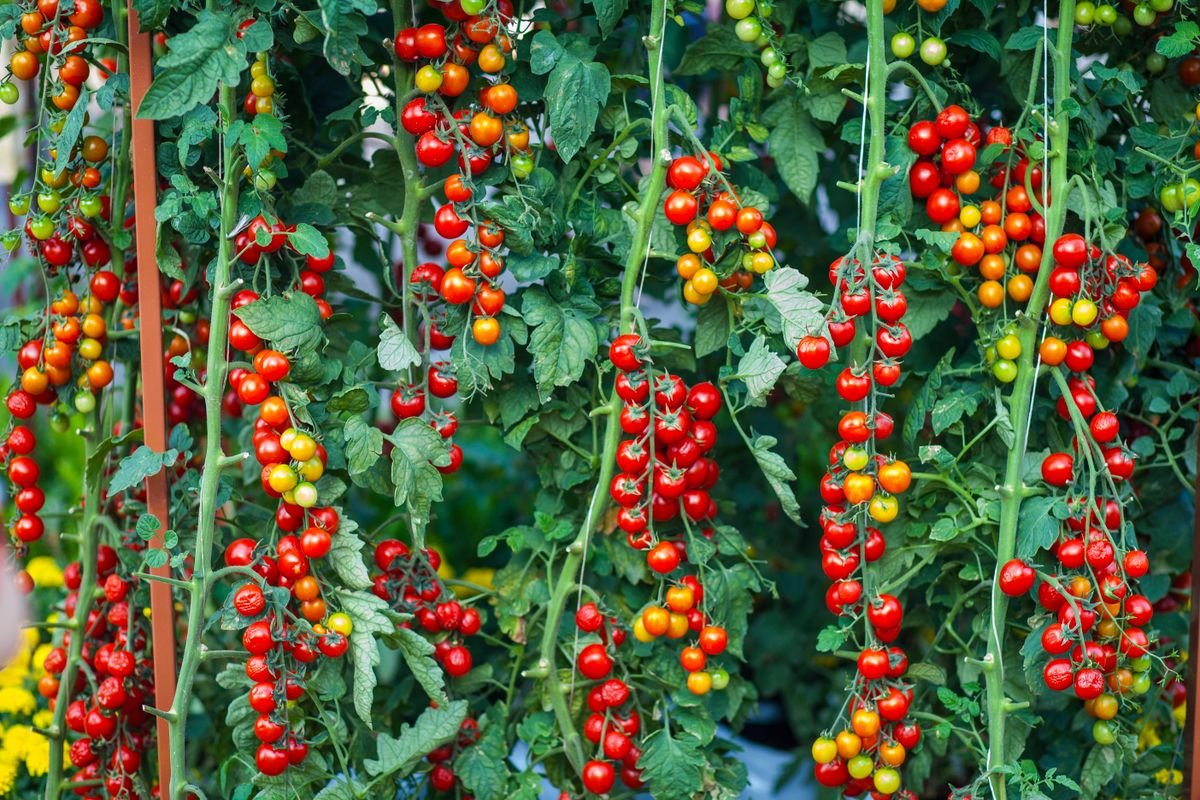
One July morning in Columbus, Ohio, Sarah walked out to her tomato bed with a mug of coffee and a plan to pick the first ripe cherry tomatoes for a salad. She brushed past a plant and a small white cloud puffed up from the leaves, settled, then puffed up again when she touched another branch. Her stomach sank. The plants looked fine from the top, but the leaves felt sticky, a few lower leaves had turned yellow, and a thin black film coated one leaf like soot. She had never seen this before, and her first thought was that the harvest was lost.
It was not lost. What Sarah found that morning was whiteflies, one of the most common pests on home grown tomatoes, and they are very beatable when you catch them early and treat the right part of the plant. This guide shows you how to get rid of whiteflies on tomato plants with a calm, step by step rescue plan that uses gentle methods first. You will learn how to spot them for certain, why the young insects hiding under the leaves matter more than the flying adults, and how to stack simple controls until the numbers fall. By the end of two weeks, most home gardeners see the cloud shrink to almost nothing, and the plants get back to ripening fruit.
How to Tell Whiteflies Are the Problem
Whiteflies are tiny, about the size of a pinhead, with powdery white wings that they hold flat over their bodies like a little tent. They are easy to miss until you disturb the plant. The classic test is simple. In the morning, when the air is cool and the insects are slow, brush the leaves gently with your hand. If a small white cloud rises and settles again a few seconds later, you are almost certainly looking at whiteflies.
Look closer with a magnifier or your phone camera zoomed in. Turn a leaf over and check the underside. Adult whiteflies rest there, but the real clue is what else you find. You may see tiny oval eggs standing upright in neat rows, or flat, scale like nymphs stuck to the leaf surface. Those nymphs do not fly. They stay put and feed, and they do most of the damage. If the underside looks dusted with tiny white specks and the leaf feels sticky, you have found the heart of the problem.
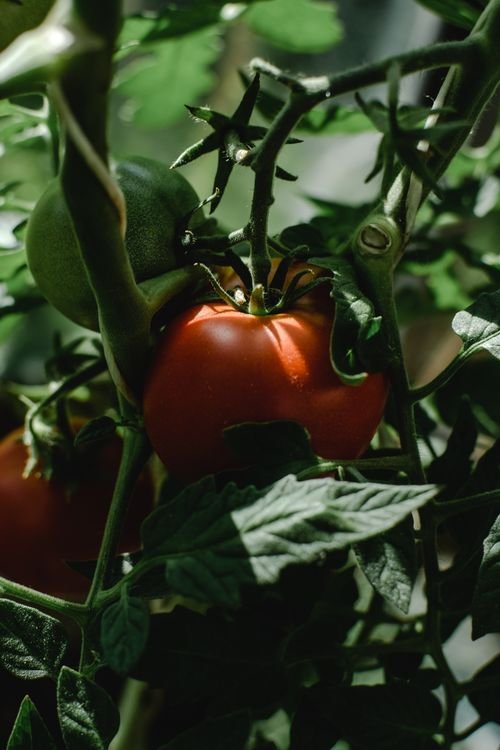
Whitefly feeding leaves a few clear signs. Leaves turn yellow in patches, curl at the edges, or drop early. Growth slows, and young fruit may stay small. The insects release a sweet, sticky liquid called honeydew as they feed, and that honeydew grows a black fungus called sooty mold. The black film does not infect the plant directly, but it blocks light and makes leaves look dirty and tired. Sarah saw all of this in one bed, and each sign pointed the same way.
Make sure you are not chasing the wrong pest. Aphids cluster on stems and new shoots and come in green, black or red. Fungus gnats hover over damp soil and rarely sit on leaves. Thrips leave silver streaks and tiny black dots. Whiteflies are the ones that puff up in a white cloud when you shake the plant, then drift back to the same leaves. Leaves can yellow for many reasons, and the same careful leaf check helps indoors too, for example when you work out why a pothos is losing leaves in your living room. The habit is the same: look at the underside, look for the insects themselves, and only then decide what to do.
Meet the Enemy: The Whitefly Life Cycle
Whiteflies beat many gardeners because the adults are only one small part of the story. A female whitefly lays up to 200 eggs in her short life, usually in circles or neat arcs on the underside of young leaves. The eggs hatch in about a week in warm weather. The young nymphs crawl a short distance, settle down, and stay fixed in one spot while they feed. They pass through several stages, growing flatter and paler, until they become adults and fly off to lay eggs on fresh leaves.
In warm summer weather, the whole cycle can take as little as three weeks. In a heated greenhouse it can run all year. That speed is why a small problem can feel huge within a month. One cloud of adults can become thousands of nymphs before you notice the yellowing. It is also why a single spray almost never works. Most sprays kill adults on contact but leave the eggs and the fixed nymphs untouched. Three days later a new wave of adults hatches and the cloud is back.
The lesson is simple and it shapes everything else in this guide. You must treat the leaf undersides, where the eggs and nymphs live, and you must repeat the treatment several times, about five to seven days apart, so each new hatch meets a fresh dose. Miss the undersides and you are only scaring the adults. Miss the repeat sprays and you are only buying a few quiet days.
Whiteflies also carry plant viruses from one plant to another, which is another reason to act early. A light infestation on a strong plant is usually no more than a nuisance. A heavy infestation on a young plant can stunt it badly, and virus spread can ruin fruit quality. The good news is that home gardeners have every tool they need already, and none of them requires a harsh chemical.
Start With the Gentle Fixes First
Before you mix any spray, do the simple physical work. It costs nothing, it cuts numbers fast, and it makes every later step work better. Start early in the morning when whiteflies are slow and the leaves are cool.
First, blast the plants with water. Use a garden hose with a firm spray nozzle and aim up from below so the water hits the leaf undersides. This knocks adults and nymphs off the plant and washes away honeydew. Do it in the morning so the leaves dry by midday. Repeat every two or three days for a week. You will not remove every insect this way, but you can cut a heavy population in half in a few sessions, and you will see the cloud shrink.
Second, use a small handheld vacuum. This sounds odd, but gardeners swear by it. Hold the nozzle near the leaves in the early morning and gently shake the stems so the adults fly up into the suction. Empty the vacuum into a sealed bag or a bucket of soapy water right away. It is quick, it is oddly satisfying, and it removes the egg laying adults before they can start a new round.
Third, prune the worst leaves. If a few lower leaves are thick with nymphs and coated in sooty mold, cut them off and drop them straight into a sealed bag or a bucket of soapy water. Do not drop them on the soil or toss them in the compost pile, where the insects can crawl back to the plants. Removing the worst leaves also lets light and air into the middle of the plant, which helps the leaves dry and makes the plant less inviting to the next wave.
Fourth, hang yellow sticky traps. Whiteflies are drawn to the color yellow, and a sticky card hung just above the plant canopy catches adults all day. Hang one trap for every two or three plants, at the height of the leaf canopy, and check the cards every few days. The traps do two jobs at once. They catch adults so fewer eggs get laid, and they show you whether the numbers are falling. When a card fills up, replace it. A card that stays clean for a week is a good sign that the problem is under control.

One caution about traps. They catch some helpful insects too, so use them as a tool during an active problem, not as a permanent fixture. Once the cloud is gone, take the traps down and rely on healthy plants and regular leaf checks instead.
Spray the Leaf Undersides Where Nymphs Hide
Once you have knocked the numbers down, it is time to treat the nymphs. The two sprays home gardeners trust most are insecticidal soap and neem oil. Both are gentle, both break down quickly, and both work by contact, so the way you spray matters more than the product you choose. Always spray the undersides. Always spray in the evening or on a cloudy morning. Never spray in hot midday sun, because wet leaves plus strong sun can scorch the plant.
Insecticidal soap is the simplest place to start. Buy a ready made insecticidal soap from a garden center, or mix your own with one tablespoon of pure liquid castile soap in one quart of water. Use plain soap only, never detergent or dish soap with degreasers, bleach or strong scents, because those can burn leaves. Pour the mix into a spray bottle, shake it well, and spray until the leaf undersides are fully wet and dripping slightly. The soap works by breaking down the soft bodies of nymphs and adults, so it must touch them to work. A light mist on the leaf tops will do almost nothing.

Neem oil is the second option, and it is useful because it does more than kill on contact. It also discourages feeding and egg laying for a few days after you spray. Mix one teaspoon of cold pressed neem oil and half a teaspoon of mild liquid soap into one quart of warm water. Shake the bottle often as you spray, because the oil separates from the water quickly. Coat the leaf undersides well, and do not forget the stems and the young leaves at the growing tips. Neem can make leaves sensitive to sun, so evening spraying is even more important here than with soap.
Test first, every time. Spray two or three leaves, wait 24 hours, and check for browning or curling. If the test leaves look fine, spray the whole plant. If you see damage, dilute the mix further and test again. Tomatoes are usually tolerant, but young plants, heat stressed plants and some varieties react more strongly.
Repeat the spray every five to seven days for at least three rounds. Mark the dates on a calendar or on a tag tied to a stake. The first spray kills the nymphs and adults present that day. The second spray, a week later, catches the nymphs that hatched from eggs after the first spray. The third spray catches the stragglers. This is the step most gardeners skip, and it is the reason most whitefly problems seem to come back. The schedule matters more than the spray.
Keep sprays off open flowers when you can, and rinse the fruit before you eat it. Pick any ripe tomatoes before you spray, and wait until the leaves are dry before you water again. If bees are active in your garden, spray after sunset when they have gone home for the day.
Bring in Helpful Insects and Companion Plants
Your garden already has allies, and a whitefly problem is a good time to invite more of them. Ladybugs and green lacewings eat whitefly eggs and nymphs. You can buy them from garden suppliers, but the trick is to release them in the evening, near the affected plants, after you have misted the leaves lightly with water. Released in hot sun, they often fly away before they feed. Released in the cool of the evening, they tend to stay and hunt.
For a more targeted helper, look for Encarsia formosa, a tiny parasitic wasp that lays its eggs inside whitefly nymphs. The wasp is smaller than a pinhead and does not sting people. It is widely used in greenhouses, and home gardeners can order small cards of them from garden suppliers in the United States. Hang the cards among the tomato plants and let the wasps emerge over a few days. This is a slow method, not a quick fix, but it is one of the most effective long term controls because the wasps keep working after you have stopped spraying.
Planting choices help too. Marigolds and basil grown near tomatoes are often said to confuse pests with their strong scent, and they certainly bring in pollinators and helpful insects. They will not cure an active infestation on their own, but a bed with flowers mixed in among the vegetables holds far fewer pests over a season than a bare bed of tomatoes alone. Sweet alyssum is another good choice, because its tiny flowers feed adult lacewings and hoverflies, which then lay eggs near the whiteflies.
The most important rule with helpful insects is to stop using broad insecticides. A spray that kills whiteflies will also kill ladybugs, lacewings and Encarsia wasps, often faster than it kills the pest. If you invite helpers and spray harsh chemicals in the same week, you are working against yourself. Stick to soap, neem and water, and let the helpers do their part.
How to Get Rid of Whiteflies on Tomato Plants in 14 Days
Knowing all the methods is one thing. Following them in order is what saves the harvest. Here is the plan Sarah used, and it works for most home gardens. Adjust the days to your own weather, but keep the order and the repeat sprays.
Days 1 to 3 are for knocking the numbers down. Hang yellow sticky traps at canopy height, one for every two or three plants. Blast the leaf undersides with water each morning. Vacuum the adults in the early morning if you have a handheld vacuum. Prune the worst leaves and seal them in a bag. Pick any ripe fruit before you spray anything.
Day 4 is spray day. Test your soap or neem mix on a few leaves in the evening. If the test leaves look fine the next morning, spray every plant fully, coating the leaf undersides until they drip. Note the date, because the next spray must land about a week later.
Days 5 to 7 are for watching and helping. Check the sticky traps and count roughly how many insects they caught. Release ladybugs or lacewings in the evening if you have them. Water at the base of the plants, not over the leaves, so the leaves stay dry and the spray keeps working. Pull any weeds near the bed, because whiteflies hide and breed on weeds too.
Day 8 to 10 bring the second spray. Repeat the same full spray, again in the evening, again coating the undersides. This round catches the nymphs that hatched after the first spray. You should see far fewer adults rising when you shake the plant by now.
Days 11 to 14 are for finishing and checking. Do a third spray only if you still see live nymphs on the leaf undersides. If the traps are nearly empty and the leaves look clean, you can stop spraying and move to weekly leaf checks. Give the plants a feed of balanced tomato fertilizer and a deep watering at the base to help them push out fresh healthy growth. Sarah reached day 14 with clean new leaves at the top of her plants, a handful of ripe tomatoes on the kitchen counter, and a sticky trap that had caught almost nothing for three days.
What to Do When the Problem Keeps Coming Back
Sometimes you follow the plan and the whiteflies return within a week or two. That usually means the source is nearby and you have not found it yet. Whiteflies breed on many plants, not just tomatoes. Check your other vegetables, especially beans, cucumbers, squash and peppers, and check any houseplants that spent the summer outside. A single infested plant in the corner of the yard can keep seeding the whole bed.
Check new plants before they go in the ground. Nursery plants can carry eggs on their leaf undersides, and one infested seedling can undo a month of work. Hold each new plant up, turn the leaves over, and look for the tiny white specks. If you find them, wash the plant with a water jet and spray it with soap before you plant it. Quarantine it away from the bed for a few days if you can.
If one tomato plant is far worse than the rest, with leaves that are yellow, sticky and black with mold from top to bottom, consider pulling it out. It is a hard call, but a single heavily infested plant can act as a nursery for the whole garden. Bag it, seal the bag, and put it in the trash, not the compost. The remaining plants will recover faster without that constant source of new insects.
A stressed plant draws pests faster. The same idea holds indoors, where a drooping peace lily is often the first sign that watering or light is off. Out in the garden, tomatoes that are thirsty, crowded or short of food send the same kind of signal. Give each plant space for air to move, water deeply at the base, and feed lightly and regularly rather than in one heavy dose.
Keep Whiteflies Away Next Season
Prevention is easier than cure, and a few habits in spring will save you a rescue plan in July. Start with clean beds. At the end of the season, pull out old tomato plants and clear fallen leaves, because whiteflies and their eggs can survive in garden debris. Do not compost heavily infested plants in a cold compost pile. Bag them and throw them away.
Cover young plants early. A light row cover over new tomato seedlings keeps adult whiteflies from reaching the leaves while the plants are small and tender. Remove the cover once the plants start to flower, so pollinators can reach the blooms. Reflective silver mulch around the base of the plants also helps, because the bright reflection confuses flying whiteflies and makes it harder for them to land.
Give plants room. Crowded plants trap damp air and shade, and whiteflies love warm, still, humid leaves. Space tomatoes at least two feet apart and prune the lower leaves so air moves under the canopy. Water at the base in the morning and keep the leaves dry. A plant with dry leaves and moving air is a much harder target.
Keep the bed tidy and protected. If animals disturb the soil around your plants, read how to stop cats digging in garden beds before you mulch, because torn roots and bare soil stress young plants and open the door to pests. A clean, mulched bed with steady water and a few flowers mixed in is the best defense you can build.
Mistakes That Make Whiteflies Worse
The fastest way to lose to whiteflies is to spray the wrong way. Spraying only the tops of leaves is the most common mistake, and it leaves the whole nymph population alive underneath. Always flip leaves as you spray and check your work by looking at a few leaves from below after you finish.
Spraying once and stopping is the second mistake. One spray kills one generation. The eggs hatch a week later and the problem returns, often worse than before, because the gardener thinks the method failed and gives up. Three sprays, five to seven days apart, are the real treatment.
Spraying in hot sun is the third mistake. Wet leaves in strong midday sun can scorch, and the plant then has two problems instead of one. Spray in the evening, when the sun is low and the bees have gone home.
Reaching for a broad insecticide is the fourth mistake. It kills the ladybugs, lacewings and parasitic wasps that were helping you, and whiteflies often bounce back faster than their predators. In a home vegetable garden, the gentle stack of water, traps, soap, neem and helpers beats a harsh spray almost every time.
The last mistake is waiting too long. A few whiteflies on one plant are easy. A cloud on every plant is a project. Check the leaf undersides once a week from the day you plant out, and act on the first cloud you see. Early action is the whole secret.
Conclusion
Sarah did not lose her harvest that July. She spent twenty minutes a day for two weeks, and by the end of it the white cloud was gone, the new leaves were clean, and the plants were ripening fruit again. The rescue worked because she did the simple things in the right order: she confirmed the pest, she treated the leaf undersides where the young insects feed, she repeated the spray on schedule, and she let traps and helpful insects do their share.
Remember the takeaways. Check leaf undersides every week and act on the first white cloud. Blast with water, vacuum the adults, prune the worst leaves, and hang yellow sticky traps. Spray soap or neem on the undersides in the evening, and repeat every five to seven days for at least three rounds. Invite ladybugs, lacewings and Encarsia wasps, plant marigolds and basil nearby, and keep the bed clean, spaced and watered at the base. With that plan, you now know how to get rid of whiteflies on tomato plants without harsh chemicals, and you can keep them from coming back next season.
Frequently Asked Questions
How do I know if the tiny white bugs on my tomatoes are whiteflies?
Brush the leaves gently in the morning. If a small white cloud rises and settles again, and you find tiny white winged insects plus flat pale nymphs on the leaf undersides, they are whiteflies. Sticky leaves and black sooty mold are further signs.
What kills whiteflies but is safe for tomato plants?
Insecticidal soap and neem oil are the safest choices for home gardens. Both kill nymphs and adults on contact when sprayed on the leaf undersides. Spray in the evening, test a few leaves first, and repeat every five to seven days for at least three rounds.
Will neem oil get rid of whiteflies on tomatoes?
Yes, neem oil helps, but it works best as part of a stack. Use it with a water jet, yellow sticky traps and repeat sprays. Mix one teaspoon of neem oil and half a teaspoon of mild soap in one quart of warm water, spray the leaf undersides in the evening, and repeat weekly.
How often should I spray for whiteflies?
Spray every five to seven days for at least three rounds. The first spray kills the insects present that day. The later sprays catch nymphs that hatch from eggs after the first round. Stopping after one spray is the most common reason the problem returns.
Can I still eat tomatoes from a plant with whiteflies?
Yes. Whiteflies do not make the fruit unsafe to eat. Pick the tomatoes, wash them well under running water, and check for sooty mold on the skin. Do not eat fruit that is rotten or badly damaged, and wash your hands after handling infested leaves.
