
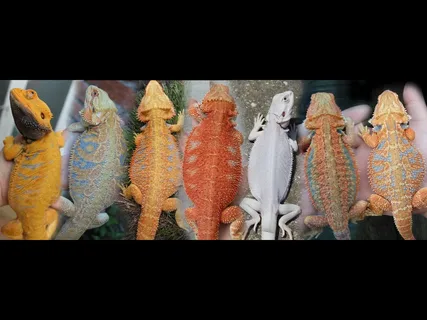
Bearded dragon colors are one of the first things people notice about these popular pet lizards, and for good reason. A single species can show up in shades of tan, red, orange, yellow, white and even soft blue, and no two dragons look quite alike.
If you are researching bearded dragon colors, you are probably trying to answer one of two questions. Either you are choosing a new pet and want to understand what you are actually paying for, or you already own a dragon and noticed its color shifting and want to know if that is normal.
This guide covers both. You will learn what actually causes color in bearded dragons, how morphs and colors differ, what each major color pattern looks like, and what it means when your dragon’s beard suddenly turns black. By the end, you will be able to look at a bearded dragon and understand exactly what you are seeing.
What Determines Bearded Dragon Colors
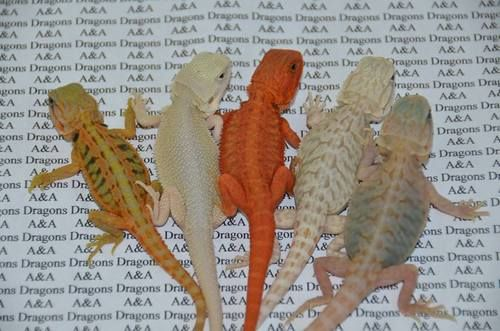
Bearded dragon color is shaped by three main factors working together: genetics, physiology and environment.
Genetics sets the ceiling. A dragon’s morph, which is essentially its genetic blueprint, determines the range of colors it is capable of producing. A dragon carrying genes for a hypo or translucent morph will simply never look like a standard brown dragon, no matter how it is raised.
Physiology and environment then decide how close to that ceiling the dragon actually reaches. Two dragons with identical genetics can look noticeably different depending on their diet, lighting, temperature and overall health. A well fed, properly lit dragon in a good enclosure will almost always show richer, more saturated color than one raised under poor conditions.
There is also a behavioral layer to color. Bearded dragons can shift their shade temporarily in response to temperature, mood and stress, separate from their underlying genetic coloring. This is where a lot of owner confusion comes from, since it can look like a permanent change when it is actually short term.
Morph vs Color: Why They Are Not the Same Thing
One of the most common mix ups in the bearded dragon world is treating morph and color as interchangeable terms. They are related, but they describe different things.
Morph refers to a dragon’s genetic type, which affects its body structure, scale texture and pattern as much as its color. Classic, leatherback, silkback, translucent, hypomelanistic, dunner, zero, witblits, German giant and paradox are all examples of morphs.
Color, on the other hand, is simply the visible shade the dragon displays, such as red, orange, yellow or white. A single morph can appear in multiple colors, and the same color can show up across different morphs.
Understanding this distinction matters if you are shopping for a dragon. A seller advertising a “red dragon” is describing color, while a seller advertising a “leatherback” is describing morph, and the two pieces of information answer different questions about the animal.
The Main Bearded Dragon Color Morphs
Here is a practical breakdown of the morphs most commonly associated with distinct color ranges, along with what makes each one recognizable.
Classic or Standard
This is the wild type look and the most common morph you will encounter. Classic dragons display natural tan, brown and sandy tones with a fully scaled body and a visible pattern along the back. If you picture a bearded dragon in your head, this is likely what comes to mind.
Hypomelanistic (Hypo)
Hypo dragons carry a gene that reduces melanin production, which results in noticeably brighter, cleaner colors and lighter nails compared to a classic dragon. Reds, oranges and yellows all tend to look more vivid on a hypo animal because there is less dark pigment muting the base color.
Translucent
Translucent dragons have a genetic trait that affects skin pigmentation and often eye color, sometimes giving the skin a slightly see through quality, especially as hatchlings. Colors can appear softer or more pastel, and translucent dragons frequently have solid black eyes rather than the typical eye coloring.
Zero
Zero morph dragons carry genetics that strip away nearly all pattern and color, leaving them in shades ranging from dark gray to a pale near white. Baby zeros are sometimes mistaken for black bearded dragons because of how uniformly dark they can appear before lightening with age.
Witblits
Witblits, an Afrikaans term meaning white lightning, produces dragons with minimal patterning and a washed out, pale base color. They are considered one of the rarer and more sought after morphs, which is reflected in their price.
Leatherback
Leatherback dragons have reduced scale size, giving their skin a smoother appearance and, in many cases, letting their base colors show through more clearly than on a fully scaled classic dragon.
Silkback
Silkback dragons lack scales almost entirely due to a genetic combination involving two leatherback genes. This gives them a smooth, glossy appearance that can make colors look especially bright, but it also leaves them far more vulnerable to injury and skin damage. Silkbacks require more careful handling and daily attention to their environment than other morphs.
Dunner
Dunner dragons have a distinct genetic mutation affecting scale arrangement, often resulting in irregular, scattered patterning rather than the neat rows seen in classic dragons. This can make their coloring look more randomly distributed across the body.
Paradox
Paradox is not a stable inherited morph so much as a striking visual anomaly, where a dragon displays random patches or splotches of color that break from its expected pattern. These markings can appear symmetrical or scattered and are considered a novelty rather than a predictable breeding outcome.
German Giant
German giant dragons are primarily known for their larger adult size rather than a specific color range, though their increased size can make their existing colors appear bolder simply due to more surface area.
What It Means When Your Bearded Dragon Changes Color
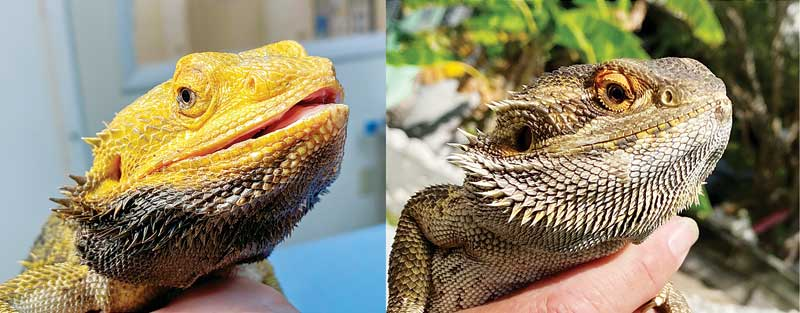
If you already own a bearded dragon, you have probably noticed its color shifting from day to day or even hour to hour. This is completely normal and is one of the more fascinating aspects of owning this species.
Bearded dragons adjust their coloring for a few practical reasons. Darker shades help absorb more heat when the dragon is cold, since dark colors take in more sunlight or lamp heat than lighter ones. This is why a dragon that has just woken up or is basking under a cooler light often looks noticeably darker than it does later in the day.
Color also plays a communication role. A dragon may darken its beard when it feels threatened, is establishing dominance, or is stressed by a new environment, another animal, or handling it is not used to. Female dragons can also show color and pattern shifts during breeding season.
Camouflage is another factor. Even in captivity, dragons retain some instinct to blend into their surroundings, and lighting or substrate color in the enclosure can subtly influence how their color presents.
Normal Color Changes vs Warning Signs
Most color changes in bearded dragons are harmless and temporary, but it helps to know when a shift is worth paying closer attention to.
Generally normal changes include:
- A darker beard or body in the morning or after time under a cooler basking spot
- Temporary darkening during shedding, since new skin underneath can look different until the old layer sheds fully
- Slight seasonal shifts tied to breeding behavior
- Brightening after a good meal, proper UVB exposure, or a temperature adjustment
Changes worth monitoring more closely include:
- Red or discolored patches that do not wash off and are not explained by shedding, which can sometimes indicate irritation, infection, or minor injury
- Persistent black coloring on the belly combined with lethargy or reduced appetite
- Sudden dullness across the entire body that lasts more than a few days despite proper husbandry
None of these signs are meant to replace a proper veterinary opinion. If a color change is paired with other symptoms such as low energy, appetite loss, or unusual behavior, a reptile veterinarian is the right resource, since color alone rarely tells the full story.
How Life Stage Affects Color
Bearded dragon colors are not fixed for life. Hatchlings often look quite different from how they will appear as adults, and this catches a lot of new owners off guard.
Babies frequently show more white or pale patches breaking up their base color, along with a generally softer, less saturated look overall. As the dragon matures, these patches often fill in, and the underlying morph color becomes more consistent and saturated across the body.
This is worth keeping in mind if you are buying a young dragon based on photos. A hatchling’s current coloring is a reasonable indicator of its adult potential, but it is not a guarantee, since color intensity typically continues developing well into the first year or two of life.
How Diet, Lighting and Habitat Influence Color Vibrancy
Genetics decides what colors are possible, but daily care decides how good those colors actually look.
Proper UVB lighting supports healthy skin and overall physiological function, which in turn supports better color expression. A dragon kept under inadequate lighting for an extended period often looks duller than its genetics would otherwise allow.
Diet matters as well. A varied diet of appropriately sized insects and dark leafy greens supports overall health, and a genuinely healthy dragon almost always displays richer color than a malnourished one. Carotenoid rich vegetables in particular are often associated with more vivid oranges and yellows in reptiles generally, though results vary by individual animal.
Temperature regulation also plays a direct role, since a dragon that cannot properly thermoregulate will spend more time in a darkened, heat conserving state, which can make it appear consistently duller than a dragon with a well set up basking zone and cool side.
Bearded Dragon Colors and Price: What to Expect
Price in the bearded dragon world is driven more by morph rarity than by color alone, though the two are closely linked since certain morphs produce the most sought after colors.
Standard classic dragons, regardless of their base color, tend to be the most affordable option, often falling in a modest price range from reputable breeders or pet stores. Hypo and translucent dragons typically sit a step above that, reflecting their brighter, cleaner coloring and slightly more involved breeding process.
Rarer morphs such as zero, witblits and certain paradox patterned dragons command the highest prices, sometimes reaching several hundred dollars, due to limited availability and the more complex genetics required to produce them consistently.
It is worth remembering that price should never be the only factor in a purchase decision. A dragon’s temperament, health history and the reputation of the breeder or seller matter just as much as its color, and a stunning morph is not worth much if the animal behind it is unhealthy or poorly socialized.
Choosing a Bearded Dragon Based on Color
If color is genuinely one of your priorities when choosing a bearded dragon, a few practical tips can help you make a confident decision.
Ask to see the dragon in natural or neutral lighting whenever possible, since photos taken under colored heat lamps or edited images can misrepresent true coloring. A dragon photographed under a red basking bulb, for example, can look far more vibrant than it actually is in daylight.
Consider the morph alongside the color, not just the color on its own. A silkback dragon may have gorgeous, unobstructed color, but it also comes with significantly higher care requirements due to its lack of scales. Matching the morph’s care needs to your experience level is just as important as matching its appearance to your taste.
Finally, remember that color will likely shift somewhat as the dragon matures. Choosing a dragon purely based on a hatchling photo without understanding its expected adult appearance can lead to disappointment, so ask the breeder what the parents look like as a more reliable indicator of the adult outcome.
Conclusion
Bearded dragon colors are the product of genetics, health and environment working together, not just one factor in isolation. Understanding the difference between morph and color, recognizing which shifts are normal, and knowing what to look for as your dragon matures will help you enjoy this part of ownership without unnecessary worry.
Whether you are choosing your first bearded dragon or trying to understand the one you already have, the real takeaway is this: color is a wonderful bonus, but the health, temperament and proper care of your dragon should always come first. Pay attention to how your dragon looks, but pay even closer attention to how it acts, eats and moves, since those signals will always tell you more than color alone ever can.
Frequently Asked Questions
Why is my bearded dragon’s beard turning black?
A black beard is most often a sign of stress, feeling threatened, or temperature regulation, since dragons darken to absorb more heat. If it happens frequently alongside other symptoms like appetite loss, a vet visit is a good idea.
What is the rarest bearded dragon color?
Witblits and certain zero morph dragons are generally considered among the rarest, largely due to the specific genetic combinations required to produce their pale, minimally patterned appearance consistently.
Do bearded dragon colors fade with age?
Colors typically become more saturated and consistent with age rather than fading, especially as juvenile white patches fill in during the first one to two years of life. Extremely old dragons may show some gradual dulling, similar to many animals.
Can diet actually change a bearded dragon’s color?
Diet cannot change a dragon’s underlying genetic morph, but a nutrient rich diet with proper UVB exposure supports better overall health, which typically results in more vivid, saturated coloring within that dragon’s genetic range.
Is a brightly colored bearded dragon healthier than a duller one?
Not necessarily. While poor health can dull color, a naturally duller morph, such as a classic or zero, is not less healthy than a hypo or witblits dragon. Behavior, appetite and activity level are far more reliable health indicators than color alone.
