
You walk into the kitchen on a warm summer morning and there they are again. Tiny flies hover over the fruit bowl and land on the rim of your glass. You wave them away and they come back. If you hate the smell of vinegar, the usual advice feels useless. Every guide tells you to set out a bowl of apple cider vinegar, and every bowl fills your kitchen with the exact smell you wanted to avoid. This guide is different. You will learn how to get rid of fruit flies in kitchen without vinegar, using traps that work, source control that stops new flies from hatching, and simple habits that keep them from coming back.
Fruit flies need only three things to thrive: ripe fruit, moisture, and a place to lay eggs. Remove those three things, trap the adults, and clean the hidden spots where eggs hide, and the problem ends in days, not weeks.
Why Fruit Flies Love Your Kitchen Even When You Keep It Clean
Fruit flies do not mean your kitchen is dirty. They mean your kitchen has food and moisture in the right amounts at the right time. A single overripe banana can feed dozens of flies. A damp sponge, a recycling bin with a splash of juice, or a garbage disposal with food residue can do the same. Fruit flies can smell fermenting fruit from a long way off, and they arrive through open windows, open doors, and even on the fruit you bring home from the store.
Once inside, a female fruit fly can lay hundreds of eggs in her short life, and those eggs hatch fast in warm weather. In summer temperatures, the full cycle from egg to adult can take about a week. That speed explains why two flies on Monday can feel like fifty flies by Friday. Adults live only a few weeks at most, and they stay close to food and moisture.

What Attracts Fruit Flies and Where They Hide
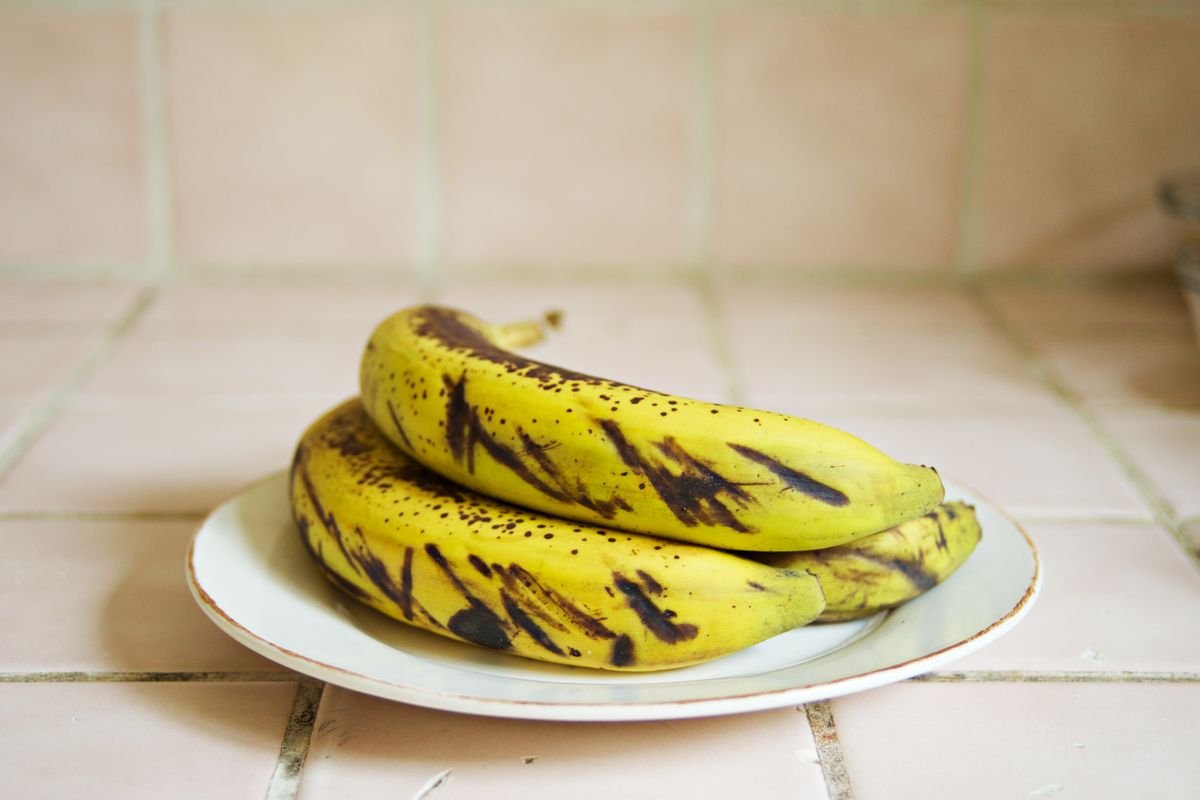
To stop fruit flies, you need to know what draws them in and where they breed. The list goes beyond the fruit bowl. Bananas, peaches, tomatoes, grapes, and berries give off a sweet fermented scent as they ripen. A banana with brown spots, a peach that feels soft, or a tomato left on the counter for a few extra days is a perfect nursery. Fruit flies lay eggs on the skin and in tiny cracks, and the larvae feed on the yeast that grows as the fruit ferments.
Onions, potatoes, and garlic can attract fruit flies too, especially if they are stored warm or damp. Check vegetable storage every few days in summer and move anything soft or sprouting into the fridge or the trash.
Kitchen drains and garbage disposals are the most overlooked breeding sites. Food and grease coat the inside of the pipes, and the damp dark space is ideal for eggs. If you see flies near the sink even when no fruit is out, the drain is likely the source. A splash of juice under the fridge, a sticky spot on the counter, or an unrinsed soda can in the recycling bin can feed flies for days. Fruit flies need very little food. A few drops of wine, beer, juice, or sugary soda are enough.
Start With the Source Before You Set a Trap
Traps catch adults, but they do not stop eggs from hatching. Start with a quick source hunt. It takes ten minutes and it makes every trap work better. Check the fruit bowl first. Move any overripe fruit into the fridge or throw it away. If a banana is very ripe, freeze it for smoothies or bake with it the same day. Wash all fresh fruit when you bring it home, and dry it before you store it. A quick rinse removes eggs that may already be on the skin.
Next, check the trash and recycling. Take the trash out, wipe the inside of the bin with hot soapy water, and let it dry before you put a new bag in. Rinse cans and bottles before recycling. Then clear the counters and sink. Wipe counters with hot soapy water, clean under the fruit bowl and under small appliances, and wash the dish rack. Do not leave dirty dishes in the sink overnight in summer.
Finally, check the pantry and fridge for a forgotten bag of potatoes, a jar of jam with a sticky rim, or leftovers that have been in the fridge too long. Throw out anything that smells fermented or looks moldy. Once the obvious sources are gone, set your traps. With no fresh eggs being laid, the numbers will fall fast. For a broader pest free kitchen plan, this guide to how to get rid of ants in kitchen without chemicals uses the same source first thinking. You can read it here: get rid of ants in the kitchen without chemicals.
How to Get Rid of Fruit Flies in Kitchen Without Vinegar With Traps That Work
You do not need vinegar to catch fruit flies. Fruit flies are drawn to sweet fermented smells, and wine, beer, ripe fruit, milk, and sugar all give off those smells. A good trap lets flies in easily and makes it hard for them to get out. Set two or three traps at once: one near the fruit bowl, one near the sink, and one near the trash. Replace the bait every two to three days. Fresh bait is the difference between a trap that fills up and a trap that sits empty.
Wine Bottle Trap
Leave a small amount of red wine in the bottom of an empty wine bottle, about one inch deep. Fruit flies fly in through the narrow neck to reach the wine and struggle to find their way out. The narrow opening is the key. A wide bowl of wine lets them drink and leave, but a bottle neck traps them. Red wine works best because its smell is strong and sweet. Place the bottle near the fruit bowl or on the counter where you see the most flies. You should see flies inside within a few hours.
Paper Funnel Jar Trap
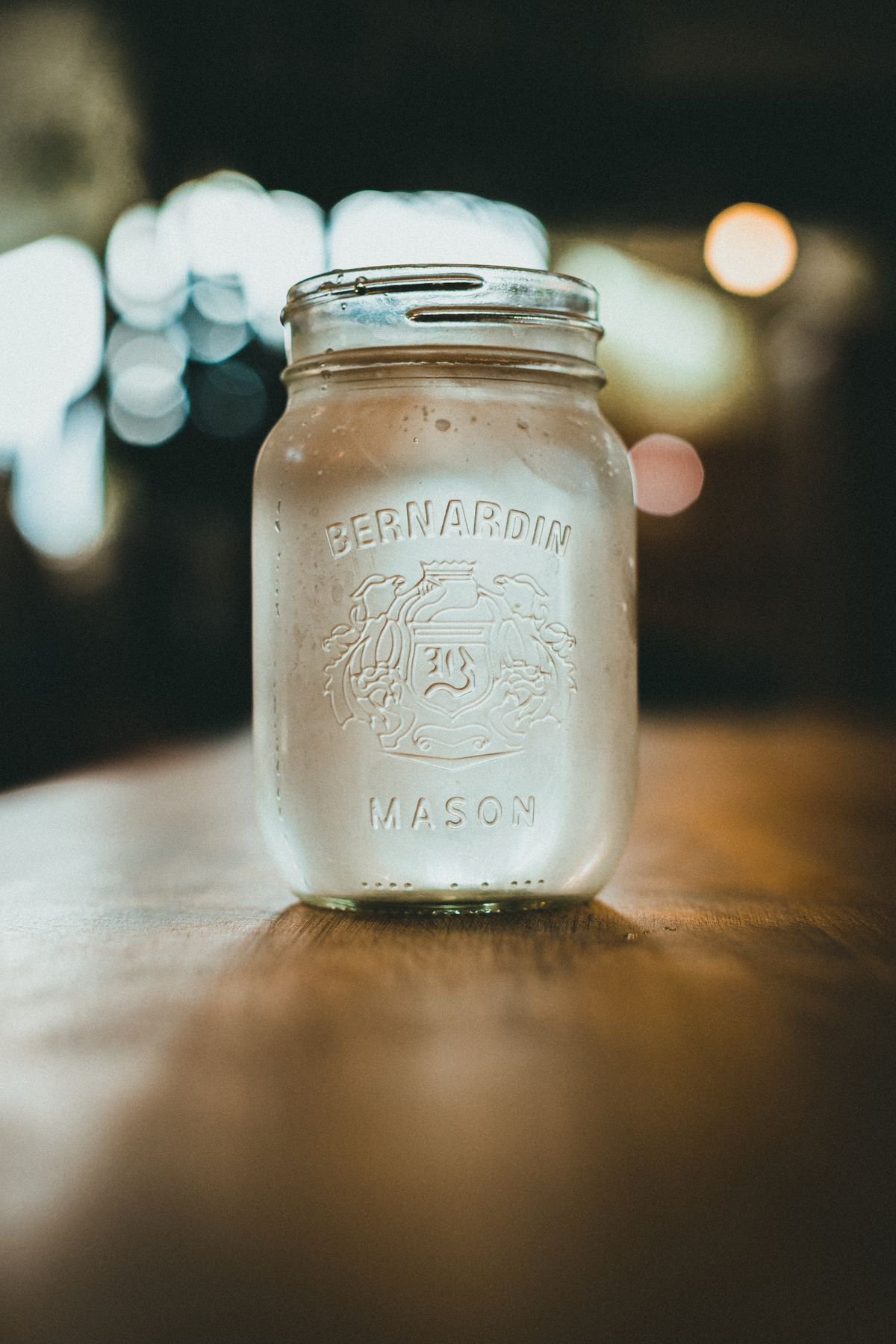
This is the most reliable homemade trap. Take a jar, add a piece of overripe banana, a splash of wine or beer, or a spoonful of jam mixed with a little warm water. Roll a sheet of paper into a cone with a small hole at the tip, about the size of a pencil tip, and place the cone in the mouth of the jar with the tip pointing down. Tape the cone in place so there are no gaps around the rim. Flies follow the smell down through the funnel and into the jar, but they cannot find the small exit hole to get out. When the jar fills with flies, empty it, rinse it, and set it again with fresh bait.
Milk Sugar and Soap Trap
Warm milk with sugar and a drop of dish soap is a surprisingly strong fruit fly trap, and it uses no vinegar at all. Warm half a cup of milk, stir in two teaspoons of sugar until it dissolves, add one drop of dish soap, and pour the mix into a shallow bowl. Place the bowl where flies gather. The sweet milk draws them in, and the soap breaks the surface tension of the liquid so flies that land on it sink instead of standing on top. Replace this trap daily, because milk spoils fast in a warm kitchen.
Beer Trap and Banana Bottle Trap
Beer attracts fruit flies for the same reason wine does. The yeast smell signals fermenting food, and flies cannot resist it. Pour a small amount of beer into a jar, add a drop of dish soap, and cover the jar with plastic wrap. Poke a few small holes in the wrap with a toothpick. Flies crawl in through the holes and cannot find their way out. Flat beer works fine. You do not need a fresh bottle.
A piece of very ripe banana in a plastic bottle is one of the simplest traps you can make. Cut the top off a plastic bottle, place a chunk of banana in the bottom, invert the top into the bottle to form a funnel, and tape the seam. Flies enter through the funnel mouth and get stuck inside. Use a banana that is already too ripe to eat. The stronger the smell, the better the trap works. Replace the banana every two days so the trap stays fresh.
Rubbing Alcohol Spray and Store Bought Traps
Rubbing alcohol kills fruit flies on contact and evaporates fast, which makes it useful for a quick knockdown when flies are swarming. Fill a small spray bottle with rubbing alcohol and spray directly on flies you can see on a hard surface. Wipe the surface after. Do not spray near food, near an open flame, or on painted surfaces without testing a small spot first. Rubbing alcohol is not a long term solution by itself. It kills the flies you see, but it does nothing about eggs or new adults. Use it to clear a swarm fast, then rely on traps and cleaning to finish the job.
If you prefer a ready made trap, look for plug in light traps or sticky traps that use a sweet lure rather than vinegar. Read the label before you buy, and choose a trap that lists fruit flies on the pack. Store bought traps are a good backup, but they do not replace cleaning.
Treat the Drain So Eggs Cannot Hatch
If flies keep appearing near the sink, the drain is likely breeding them. Pouring boiling water down the drain can help, but it rarely clears the slimy film where eggs sit. Pour a large pot of very hot water down the drain, slowly, so it coats the pipes. Then sprinkle half a cup of baking soda into the drain, followed by one cup of hot water mixed with a little dish soap. Let it sit for thirty minutes. Follow with another large pot of hot water to flush it through. Repeat the next day if flies are still near the sink.
For a deeper clean, scrub the visible drain and the garbage disposal splash guard with a brush or an old toothbrush. Food and grease collect under the rubber flaps, and that spot is a favorite breeding site. Do this drain routine once a week in summer, even after the flies are gone. If you want more vinegar free cleaning ideas, this guide on how to clean a kettle without vinegar shows the same gentle approach. You can read it here: clean a kettle without vinegar.
How to Handle Fruit So Flies Cannot Breed On It
Wash all fruit as soon as you bring it home, even fruit you plan to peel. Rinse berries gently, wash grapes in a colander, and scrub apples and peaches under running water. Dry the fruit fully before you store it, because damp fruit ferments faster and draws more flies. Store ripe fruit in the fridge, not on the counter, once it reaches the ripeness you like. Bananas can stay on the counter while they are green or just yellow, but once they develop brown spots, move them to the fridge or use them the same day. The cold slows ripening and stops flies from laying eggs on the skin.
Keep fruit in a covered bowl if you leave it out for a meal. A simple cover blocks flies from landing and laying eggs. Freeze overripe fruit instead of throwing it away. Check fruit daily in warm weather. If you find a piece that is soft, bruised, or leaking juice, use it right away or throw it away.
Prevention That Keeps Fruit Flies From Coming Back
Traps and cleaning clear the current flies. Prevention stops the next ones. Empty the trash daily in summer, or at least every other day. Tie the bag closed before you take it out, and wipe the bin weekly with hot soapy water. Keep the lid closed. Rinse recycling before it goes in the bin. Soda cans, juice bottles, wine bottles, and jam jars all leave a sweet residue that draws flies. A quick rinse under the tap is enough.
Wipe counters and the stove after every meal, including under the coffee maker and behind the toaster. Fix leaks and dry damp spots. Use screens on windows and doors in summer, and check screens for holes. Store dry food in sealed containers, and wipe up pantry spills right away.

What Not to Do When You Have Fruit Flies
Do not leave a bowl of vinegar out if you hate the smell. It does not fix the source. Do not use outdoor bug spray inside the kitchen. It leaves residue and kills only the flies you see. Do not ignore the drain. Do not leave traps out for weeks without changing the bait. Old bait stops working.
How Long It Takes and When to Call a Professional
Most kitchens see a big drop in flies within three to five days if traps and cleaning are done together. You should see fewer flies by day two, and the traps should catch fewer new flies each day. By day seven, the kitchen should be mostly clear, with only a stray fly now and then. If flies are still numerous after a week, something is still breeding them. Recheck the drain, the trash, the recycling, and the pantry. One missed source can keep the cycle going.
Call a professional if flies persist for more than two weeks despite traps, drain cleaning, and source removal, or if you see flies in large numbers in several rooms. A professional can check for hidden breeding sites you cannot reach.
Your Vinegar Free Battle Plan in Short
Remove overripe fruit and wash fresh fruit when you bring it home. Take out the trash, rinse recycling, and wipe the bin. Clean the counters, sink, and drain. Set two or three vinegar free traps with fresh bait. Refresh bait every two to three days. Store ripe fruit in the fridge or under a cover. Repeat the drain treatment once a week in summer. Traps alone will not work if the source remains. Cleaning alone will not work if adults keep laying eggs. Together, they break the cycle.
For a fresh kitchen that stays pleasant to cook in, pair this plan with regular cleaning of the small appliances that collect residue. This guide on how to clean a microwave with lemon and vinegar is a useful companion for a full kitchen reset, even if you keep your fruit fly traps vinegar free. You can read it here: clean a microwave with lemon and vinegar.
Conclusion
You do not have to live with fruit flies, and you do not have to live with the smell of vinegar to get rid of them. This is how to get rid of fruit flies in kitchen without vinegar for good: combine three simple actions: remove the source, trap the adults with a sweet bait that is not vinegar, and clean the drain and the hidden spots where eggs hide. Wine, beer, ripe banana, milk and sugar, and a paper funnel jar all catch flies well, and none of them fill your kitchen with vinegar odor.
Start today. Check the fruit bowl, take out the trash, clean the drain, and set two traps before dinner. Refresh the bait, store ripe fruit in the fridge, and keep counters dry and clean. In a week your kitchen should feel like yours again.
Frequently Asked Questions
How do I get rid of fruit flies in kitchen without vinegar fast?
Start with the source, then set two or three traps at once. Remove overripe fruit, take out the trash, clean the drain with hot water and baking soda, and set a wine bottle trap and a paper funnel jar trap with ripe banana or wine. You should see fewer flies within two days and a big drop within five days.
What is the best homemade fruit fly trap without vinegar?
The paper funnel jar trap is the most reliable. Add ripe banana, wine, or beer to a jar, place a paper cone with a small hole in the mouth, and tape it in place. Flies enter through the funnel and cannot find the exit. Refresh the bait every two to three days for best results.
Why do I have fruit flies if my kitchen is clean?
Fruit flies need only a small amount of ripe fruit, moisture, or food residue to breed. A single overripe banana, a damp drain, an unrinsed recycling can, or fruit brought home from the store with eggs already on the skin can start an infestation in a clean kitchen. Check the drain, trash, and fruit bowl first.
Does boiling water kill fruit flies in the drain?
Boiling water helps, but it rarely clears the slimy film where eggs sit. Pour hot water, then baking soda and hot soapy water, let it sit for thirty minutes, and flush with more hot water. Scrub the drain and the disposal splash guard as well. Repeat the next day if flies remain near the sink.
How long does it take to get rid of fruit flies without vinegar?
Most kitchens clear in three to seven days when traps and cleaning are done together. If flies persist after a week, a hidden source is still breeding them. Recheck the drain, pantry, trash, and recycling, refresh the traps, and allow three more days before you consider calling a professional.

1 Comment
Pingback: Remove Soap Scum From Shower Glass, No Vinegar