

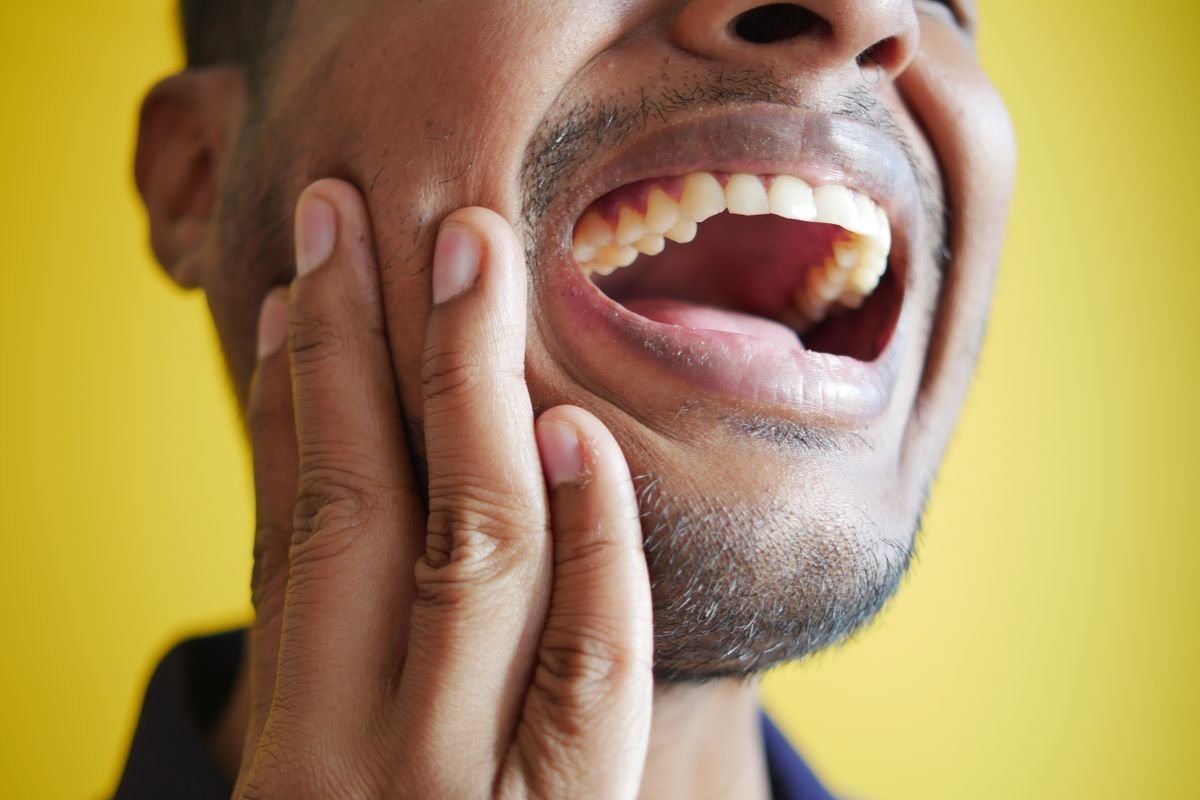
It is 2am. You are lying in bed with one hand pressed against your jaw, and the tooth that barely bothered you at dinner is now throbbing with every heartbeat. You have tried lying still. You have tried turning the pillow to the cool side. Nothing helps, and the thought of waiting until morning feels impossible.
If that sounds familiar, this guide is for you. Learning how to stop toothache at night is not about finding a miracle cure in your bathroom cabinet. It is about calming the pain enough to sleep, knowing which home fixes genuinely help, and spotting the warning signs that mean you need urgent care instead of another hour of waiting.
Below you will find a five minute plan for right now, nine fixes that work through the night, the mistakes that make things worse, and exactly what to do when your dentist opens in the morning. Nothing here fixes the tooth itself. Only a dentist can do that. But the steps below can turn a sleepless night into a manageable one.
Why Toothache Gets Worse at Night
Toothache rarely starts at night. It usually starts during the day as a dull ache you can ignore, then grows louder once the house goes quiet. There are three reasons for that, and understanding them helps you pick the right fix.
First, lying flat sends more blood to your head. When you stand or sit, gravity keeps blood pressure in your head lower. Once you lie down, pressure rises inside the tooth. The nerve inside a tooth sits in a tiny hard chamber with no room to swell, so even a small rise in pressure can turn a dull ache into a steady throb.
Second, there are fewer distractions. During the day, work, conversation and movement pull your attention away from the pain. At night, in a dark quiet room, the pain has your full attention, and it feels bigger than it did at lunchtime.
Third, the cause itself may be worse than you think. Pain that wakes you up at night is one of the classic signs of an inflamed nerve inside the tooth, or an abscess forming at the root. That does not mean you should panic. It does mean you should see a dentist within a day or two, even if the pain settles by morning.
What to Do in the Next Five Minutes
If you are in pain right now, start here. These three steps take five minutes and give you the best chance of getting back to sleep.
1. Take pain relief, properly
For most adults, the most effective home pain relief for toothache is ibuprofen plus paracetamol taken together, at the doses printed on the packet. Ibuprofen calms the inflammation around the tooth, while paracetamol blocks the pain signal. Used together, they work better than either one alone.
Take ibuprofen with food or milk, and check the packet before you take it. Ibuprofen is not suitable for everyone, including some people with asthma, stomach ulcers or kidney problems, and people who take blood thinning medicine. If you are unsure, ask a pharmacist, or take paracetamol only and call NHS 111 for advice.
Set an alarm for your next dose. Pain relief wears off during the night, and waking up in pain at 4am is worse than waking briefly to take a tablet on schedule.
2. Rinse with warm salt water
Stir half a teaspoon of salt into a glass of warm water, not hot water. Swish it gently around the sore tooth for about 30 seconds, then spit it out. Salt water is mildly antiseptic, it loosens trapped food, and it soothes inflamed gum tissue. The NHS lists it as a recognised self care step for toothache, and it costs almost nothing.
3. Hold a cold compress against your cheek
Wrap a bag of frozen peas or a few ice cubes in a tea towel and hold it against the outside of your cheek for 15 minutes, then take it off for 15 minutes. Cold numbs the area and calms swelling. Never put ice directly on your skin or on the tooth itself, and never use heat on a swollen cheek. Heat feels comforting, but it draws more blood to the area and can make swelling worse.
How to Stop Toothache at Night: 9 Fixes That Work
Once you have the first five minutes done, work through these nine fixes. They are ordered from the fastest relief to the habits that help you sleep through what is left of the night.
1. Prop your head up
Sleep with your head raised on two pillows, or in a reclining chair if you have one. Keeping your head higher than your heart reduces the extra blood pressure that makes a tooth throb when you lie flat. This single change helps more people than any home remedy, and it costs nothing.
2. Try clove oil, with care
Clove oil contains eugenol, a natural compound with mild numbing and antibacterial properties. Dentists have used it for years, and it is one of the few traditional remedies with real evidence behind it. Dab a tiny amount onto a cotton bud and hold it against the sore tooth, not the gum. Do not swallow it, and do not use it for children. If you have no clove oil at home, a pharmacy or a late night supermarket may stock it, and it costs only a few pounds.
3. Clean around the tooth gently
Trapped food and plaque around an inflamed gum are frequent pain triggers. Brush gently with a soft brush and floss carefully around the sore tooth, without forcing floss into the gum. Rinse again with warm salt water afterwards. A clean tooth often hurts less, and it also gives your dentist a clearer picture in the morning.
4. Use a desensitising toothpaste
If the pain is sharp, short and triggered by cold drinks or cold air, rub a small amount of desensitising toothpaste directly onto the sore area and leave it there instead of rinsing. It can calm an exposed root or a sensitive spot within minutes. This works best for sensitivity pain rather than a deep constant throb, so judge it by the type of pain you feel.

5. Avoid triggers for the rest of the night
Nothing hot, cold, very sweet, acidic or hard on the sore side. Sip room temperature water only. If you need a small snack, keep it plain and chew on the other side. A cold drink or a sugary snack at 2am can restart pain that had just begun to settle.
6. Breathe slowly and relax your jaw
Pain tightens the jaw, and a tight jaw makes tooth pain worse. Let your lips close gently, keep your teeth slightly apart, and rest the tip of your tongue on the roof of your mouth. Breathe in slowly through your nose for four counts, then out for six. Repeat that for a few minutes and notice how the muscles in your face begin to loosen. If your jaw aches most mornings, you may also be clenching your teeth in your sleep. Our guide on how to relieve jaw pain from clenching teeth at night explains the daytime habits that fix it.
7. Distract your mind
This sounds too simple to work, but pain grows when it has your full attention. Put on a calm podcast or an audiobook at low volume, and focus on the story instead of the throb. Avoid scrolling through your phone, because the bright screen wakes your brain up and the news and messages on it keep you alert. A quiet story in a dark room is a far better companion at 2am.
8. Keep the room cool and dark
A cool bedroom helps you fall back to sleep once the pain eases. Open a window slightly if you can, or turn the heating down. Keep the lights low and the curtains drawn. Your body falls asleep more easily in a cool dark room, and every small thing that helps you drift off matters on a night like this.
9. Fix your sleep setup for the nights ahead
A steady wake time, a dark bedroom and no phone in bed all help you fall asleep faster and sleep more deeply, which makes the next bad night easier to handle. If broken sleep is a regular problem for you, our guide on how to sleep better without melatonin walks through seven habits that rebuild deep sleep without pills.
What Makes Toothache Worse at Night
Some popular home remedies do more harm than good, and a few everyday habits can turn a manageable ache into a miserable night. Avoid these.
- Aspirin on the gum. Holding an aspirin tablet against the sore tooth does not relieve the pain, and it can cause a painful chemical burn on the gum. Swallow aspirin if you are using it as a painkiller, never apply it directly.
- Whisky or spirits. Holding alcohol against a tooth irritates sore tissue and does nothing for the nerve. It can also disturb your sleep, which is the last thing you need.
- Leftover antibiotics. Antibiotics do not treat the tooth itself, and taking a half finished course can mask the problem while the infection keeps growing. Only take antibiotics if a dentist or doctor prescribes them for you.
- Heat on a swelling. A hot water bottle on your cheek feels soothing for a minute, then draws more blood to the area and makes swelling worse. Cold is the right choice for swelling, every time.
- Chewing on the sore side. Every bite presses on the inflamed tooth. Chew on the other side, or skip food until morning.
- Sugary drinks. Fizzy drinks and fruit juice feed the bacteria that cause decay, and the sugar can sting an exposed nerve. Stick to plain water.
Warning Signs That Need Urgent Care Tonight
Most toothache can wait until morning. Some of it cannot. Call NHS 111 now, or go to A and E, if you have any of these warning signs.
- Swelling spreading to your eye, cheek or neck
- Difficulty swallowing or breathing
- A high fever along with tooth pain
- Pain that no painkiller touches
- Uncontrolled bleeding from the mouth
- A tooth knocked out or broken with the nerve exposed
Facial infections can spread fast, and a swollen face with a fever is a medical emergency, not a dental appointment for next week. Do not wait for morning if you have any of these signs.

In the Morning: How to Get Seen Quickly
Call your dentist as soon as the practice opens and say you have toothache that kept you awake all night. Most practices keep same day slots for urgent pain, so say the word urgent and explain that the pain stopped you sleeping. If you are not registered with a dentist, call NHS 111, who can direct you to an urgent dental service near you.
In England, urgent NHS dental treatment costs £27.90, which covers the examination and any urgent treatment needed to relieve pain. Private emergency appointments usually start from around £50 to £75 for an assessment, and many practices in larger towns open seven days a week, so you may not need to wait until Monday.
At the appointment, the dentist will examine the tooth, usually with a small X ray, and find the cause. A cavity may need a filling, an inflamed nerve may need root canal treatment, and an abscess may need draining plus antibiotics. Ask what caused the problem and what you can do to stop it coming back, because a tooth that wakes you once will usually wake you again if the cause is left alone.
How to Stop Toothache at Night for Good
Getting through one bad night is only half the job. The other half is making sure it does not happen again. The habits that protect your teeth are simple, and they work.
- Brush twice a day for two minutes with a fluoride toothpaste, and spit after brushing instead of rinsing, so the fluoride keeps working
- Clean between your teeth once a day, with floss or interdental brushes
- Keep sugary food and drink to mealtimes, and drink plain water between meals
- See a dentist every 6 to 12 months, even when nothing hurts, because small problems are cheap to fix and big ones are not
- Ask about a night guard if you wake up with an aching jaw, because grinding in your sleep wears teeth down and cracks fillings
- Replace a cracked filling or a chipped tooth promptly, before bacteria reach the nerve
Conclusion
Toothache at night feels worse than it is, but it also means more than a daytime ache. Lying flat raises pressure inside the tooth, the quiet makes the pain feel bigger, and pain that wakes you up is often a sign of an inflamed nerve or an abscess. That is why the right plan has two parts: calm the pain tonight, and see a dentist tomorrow.
Start with the five minute plan. Take ibuprofen and paracetamol together if you can, rinse with warm salt water, and hold a cold compress against your cheek. Prop your head up, avoid the triggers, and try clove oil if the pain is still sharp. Skip the old remedies that make things worse, and watch for the warning signs that need urgent care. Then call your dentist first thing in the morning and tell them the pain kept you awake. A tooth that steals your sleep deserves same day attention, and the sooner it is treated, the sooner you can sleep through the night again.
Frequently Asked Questions
Why does toothache get worse at night?
Lying flat sends more blood to your head, which raises pressure inside the tooth and turns a dull ache into a throb. There are also fewer distractions at night, so the pain feels bigger. Pain that wakes you up is often a sign of an inflamed nerve or an abscess, so see a dentist within a day or two.
What is the fastest way to stop toothache at night?
Take ibuprofen and paracetamol together at the packet doses, rinse with warm salt water, hold a cold compress against your cheek for 15 minutes, and sleep with your head raised on two pillows. Most people feel real relief within 30 minutes.
Can I use clove oil for toothache?
Yes, with care. Clove oil contains eugenol, a natural compound with mild numbing properties. Dab a tiny amount onto a cotton bud and hold it against the sore tooth, not the gum. Do not swallow it, and do not use it for children.
Should I go to A and E for toothache?
Go to A and E, or call NHS 111, if you have swelling spreading to your eye or neck, difficulty swallowing or breathing, a high fever, or pain that no painkiller touches. Ordinary toothache without those signs can wait for a same day dental appointment in the morning.
How much does emergency dental treatment cost on the NHS?
In England, urgent NHS dental treatment costs £27.90, which covers the examination and any urgent treatment needed to relieve pain. Private emergency assessments usually start from around £50 to £75.
