
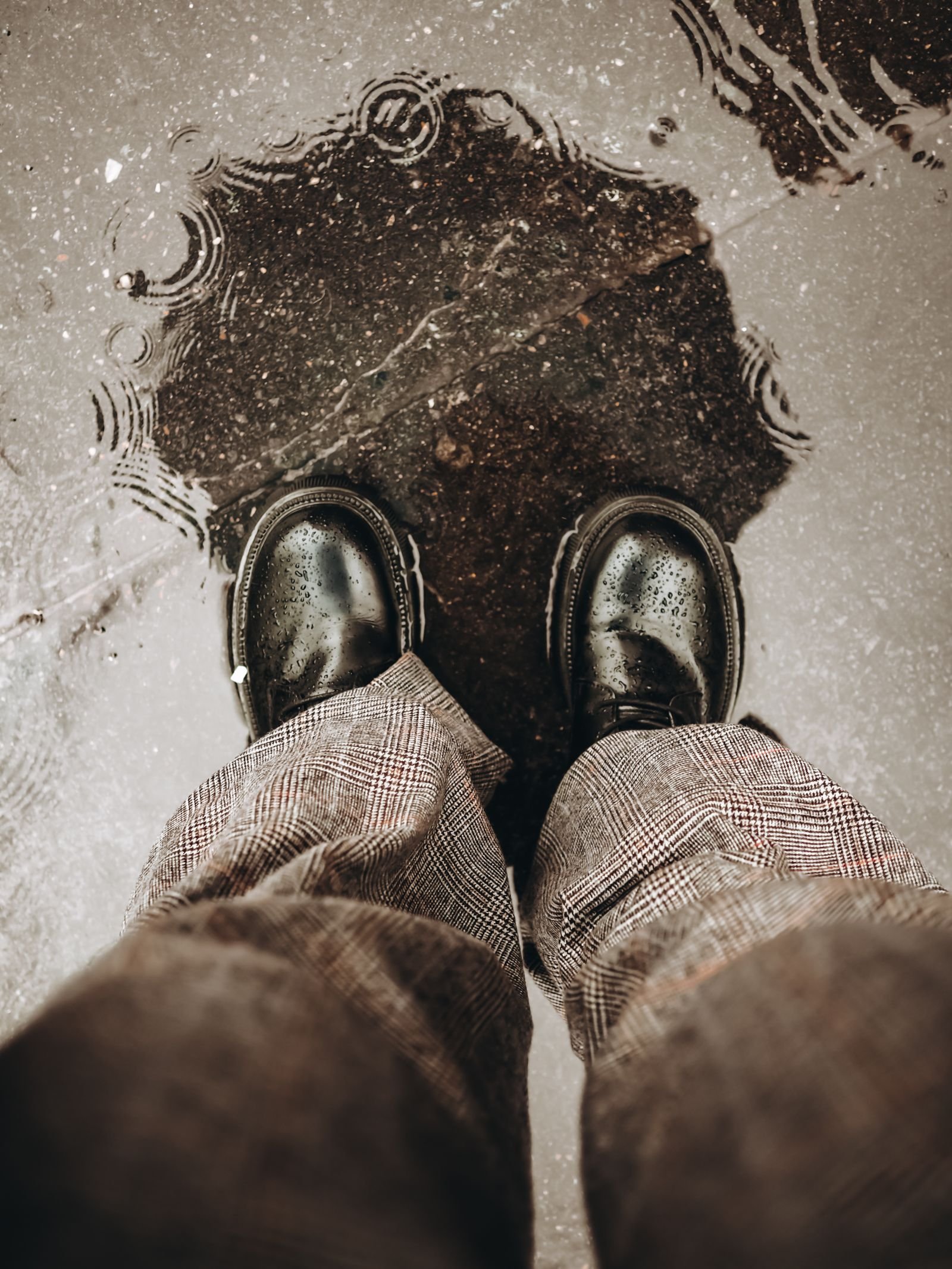
It was a wet Tuesday in Manchester, the kind of November morning when the rain comes in sideways and the pavements shine like glass. Sarah left her flat at half past seven, umbrella up, leather shoes polished, and walked the fifteen minutes from Piccadilly station to her office. By the time she reached the front door her socks were damp, her toes were cold, and her shoes made a soft squelching sound with every step across the lobby floor. She spent the rest of the day in wet shoes, and by the evening they had dried into stiff, pale marked shapes that looked two years older than they were.
If that sounds familiar, you are not alone. Learning how to keep shoes dry in the rainy season is one of those small skills that changes an entire winter. Wet feet are uncomfortable, wet shoes wear out faster, and a good pair of leather shoes can be ruined in a single season of neglect. The good news is that keeping shoes dry is mostly about preparation, not money. This guide follows one simple idea: stop the water getting in, choose the right pair for the day, and dry wet shoes properly when the rain wins anyway.
Why Your Shoes Get Wet So Fast in the Rainy Season
Most people blame the rain itself, but the real problem is how water finds its way in. A shoe is not a sealed boot. It is stitched, glued, laced and flexed a thousand times a day, and every one of those features is a possible entry point.
Start with the tongue. On most lace up shoes the tongue sits loose under the laces, and rain running down your leg or splashing up from the pavement goes straight into the gap. Then there are the seams. Every stitch line is a row of tiny holes, and once the factory coating wears off, water seeps through them. The sole is another weak point. The join between the upper and the sole flexes with every step, and on older shoes the glue there starts to lift, letting in water from puddles with every footfall.
The material matters too. Smooth leather resists water reasonably well when it is looked after, but untreated leather drinks it in. Suede and nubuck are worse, because their open fibres soak up moisture like a sponge. Canvas trainers are the worst of all in heavy rain. They are comfortable and light, but a canvas upper is basically a tea towel wrapped around your foot, and once it is wet it stays wet for hours.
Then there is the splash factor. Walking through a puddle does not just wet the sole. Each step throws up a spray that hits the sides of the shoe, the ankle and the lower leg, and that spray runs down into the shoe from above. This is why your feet can end up wet even when your shoes look fine from the outside. The water came in over the top, not through the leather.
Understanding these entry points changes how you fix the problem. You do not need a miracle product. You need to close the gaps, protect the material, and stop wearing the wrong pair on the wrong day.
How to Keep Shoes Dry in the Rainy Season Before You Leave Home
The best time to keep shoes dry is the evening before, not the morning when the rain is already falling. Ten minutes of care at home is worth more than any emergency trick at the office door.
Treat Leather Shoes the Night Before
Clean leather first. Brush off dried mud and wipe the shoes with a slightly damp cloth, then let them dry at room temperature. Never treat a dirty shoe, because the spray or cream will seal the dirt in and the protection will not stick properly.
Once the shoes are clean and dry, apply a water repellent spray made for leather. Hold the can about fifteen centimetres away and use light, even passes across the whole upper, including the tongue and the seams. Let the first coat dry fully, then apply a second coat. Two thin coats always beat one heavy coat, which can leave marks and stiffen the leather.
For smooth leather, a wax based cream or balm works well too. Rub a small amount in with a soft cloth, work it into the seams and the welt, then buff lightly. Conditioning leather regularly also helps stop leather shoes creasing at the toes, because supple leather bends without cracking, and cracks are another way in for water. If you want the full method, our guide to how to stop leather shoes creasing at the toes walks through the conditioning routine step by step.

Repeat the treatment every few weeks through the rainy season, and always after the shoes have had a real soaking. A spray that worked in October may be worn thin by December, and the only way to know is to test it. Flick a few drops of water onto the toe. If the water beads up and rolls off, the protection is still working. If it sinks in and darkens the leather, it is time to treat the shoes again.
Treat Trainers and Canvas Differently
Canvas and fabric trainers need a fabric protector spray, not a leather product. The method is the same, clean first, spray evenly, let it dry, then spray again, but fabric soaks up far more product, so expect to use more of the can. Even then, be honest with yourself. A treated canvas trainer will survive drizzle and light rain, but it will not survive a twenty minute walk through standing water. That is not a failure of the spray. It is the wrong shoe for the day.
Suede and nubuck need a protector made for suede. Ordinary leather cream will stain suede and flatten the nap, so check the label before you spray anything. Brush suede first with a suede brush to lift the fibres, spray lightly from a distance, and let the shoes dry fully before you wear them. Suede is the hardest material to keep dry, so on the worst days it is better to leave suede shoes at home entirely.
Check the Weak Points Every Pair Has
Before the rainy season starts, inspect each pair you plan to wear. Look at the sole join all the way round and press it gently. If you can see a gap or feel movement, the glue is failing and water will get in there first. A cobbler can reseal a lifting sole for a few pounds, and that small repair can add a year to a good pair of shoes.
Check the laces and the eyelets too. Worn laces let the tongue gape open, and a gaping tongue is an open door for rain. New laces cost very little and they pull the shoe closed properly. Check the insoles as well. A damp insole that never fully dries will make the shoe smell, and it will keep your feet cold even on dry days. Replace tired insoles at the start of the season.
Pick the Right Pair for the Forecast
Not every rainy day is the same, and not every shoe needs to survive the worst of them. The trick is to match the shoe to the forecast instead of wearing your best pair into a storm and hoping for the best.
For light drizzle and short walks, treated smooth leather shoes are fine. They will bead water, dry quickly, and look smart at work. For steady rain and a walk of ten minutes or more, choose something with a higher cut and a rubber sole. A simple pair of leather boots or sturdy ankle boots will keep far more water out than a low cut shoe, because the water has further to travel before it reaches your ankle.
For heavy rain and flooded pavements, stop pretending. Wear wellies or waterproof walking boots for the journey and change when you arrive. There is no shame in it, and it is what sensible commuters across Britain have done for years. Your best shoes stay dry in your bag, and you arrive at work with dry feet and a dry pair of shoes to change into.

The material ranking is simple to remember. Rubber and waterproof membranes keep the most water out. Treated smooth leather comes next. Untreated leather and canvas sit at the bottom, and suede should stay at home when the forecast is bad. If you only remember one rule, make it this one: never wear suede on a day when the pavements are already wet.
Think about the sole too. A chunky rubber sole with a deep tread grips wet pavements and keeps the upper further from the water. A smooth leather sole, by contrast, sits low, slips easily, and soaks through from below. If you love a pair of smooth soled shoes, save them for dry days and keep a rubber soled pair for the rain.
The Commuter Trick That Saves Your Best Shoes
The single best trick for keeping shoes dry in the rainy season is also the simplest. Wear one pair for the journey and a different pair for the day.
Keep a pair of comfortable, waterproof shoes or boots by the front door. Wear them for the walk, the bus stop and the station platform. Carry your smart shoes in a bag, or leave them under your desk at work. When you arrive, swap pairs, and your work shoes are as dry and polished as they were when you left home. The journey shoes then dry by the door or under the desk while you work.
This two pair system solves the problem that no spray can fully solve. Even the best treated shoe will eventually let water in on a long wet walk, but a pair of rubber boots will not. It also saves money, because your expensive shoes are no longer doing the hardest job in the worst weather.

If carrying a second pair feels like too much, try overshoes. These are rubber or silicone covers that pull over your normal shoes and keep the rain off the upper. They fold flat into a bag, cost less than a takeaway lunch, and they work surprisingly well for short walks. They are not elegant, but nobody sees them once you take them off at the door, and they are far cheaper than replacing a ruined pair of leather shoes.
Socks matter more than most people think. Cotton socks soak up water and stay cold and clammy against your skin. Merino wool socks cost more, but they keep your feet warm even when they are damp, and they dry much faster. Keep a spare pair of dry socks in your bag or desk drawer. Changing socks at work takes thirty seconds and it transforms a miserable morning into a normal one.
What to Do When Your Shoes Get Wet Anyway
Some days the rain wins. A lorry drives through a puddle beside you, or the rain is heavier than the forecast promised, and your shoes are soaked. What you do next decides whether the shoes recover or slowly fall apart.
Dry Them Slowly and Let Air Do the Work
Take the shoes off as soon as you can. Remove the laces and pull out the insoles so air can reach the inside. Stuff the shoes loosely with plain newspaper or clean kitchen paper. The paper draws moisture out of the lining and helps the shoe keep its shape while it dries. Replace the paper after an hour or two if it is soaked, and again before bed.
Stand the shoes in a ventilated room at normal room temperature, away from radiators, fires and direct sunlight. A fan blowing gently across them helps a lot, and it is far safer than heat. Leather dries slowly, and that is fine. A pair of soaked leather shoes can take a full day to dry properly, and rushing the job is what causes the damage.
Once the shoes are fully dry, inside and out, brush off any dried mud, then condition smooth leather with a little cream or balm. This puts back some of the natural oils that the water stripped away, and it keeps the leather supple for the next wet day. Wet shoes often squeak on hard floors while they dry, and if the noise lingers after they are dry, our guide to how to stop shoes from squeaking on tile floors explains the common causes and the simple fixes.
What Never to Do to Wet Shoes
Never put wet shoes on a radiator or in front of a hot fire. Direct heat dries the outside fast while the inside stays damp, and the leather can crack, stiffen and pull away from the sole. Never use a hair dryer on a hot setting for the same reason. If you must use a hair dryer, use the cool setting only, keep it moving, and keep it well away from the leather.
Never put wet leather shoes in a tumble dryer, and never leave them in direct sunlight on a windowsill. Never wear the same pair two days in a row through the rainy season. Shoes need at least a full day to dry out completely, and wearing a damp pair again just drives the moisture deeper. This is why rotation matters so much, and it is also why feet can end up sweating inside boots that never fully dry. If that sounds familiar, read our guide to how to stop feet sweating in work boots for the full routine.
Finally, never store wet shoes in a closed cupboard or a sealed box. Trapped moisture is how mould starts, and mould on shoes is much harder to remove than damp. Let shoes dry in the open air first, then store them with shoe trees or loosely stuffed paper to hold their shape.
A Simple Rainy Season Shoe Kit for Under £30
You do not need expensive gear to keep shoes dry. A small kit, bought once, will last the whole season and probably the next one too.
- A water repellent spray for leather, about £8 to £10 from a shoe shop or supermarket
- A fabric protector spray for trainers and canvas, about £6 to £8
- A soft brush for cleaning off dried mud, about £3
- A pack of cedar or plastic shoe trees, about £8 for a pair, or plain newspaper, free
- A pair of merino wool socks, about £5 to £7, kept as your spare dry pair
That is the whole kit. Add a pair of folding overshoes for about £10 if you walk to work, and a small umbrella that actually covers your legs as well as your head. Keep the spray and the brush by the front door, not buried in a cupboard, because a kit you can see is a kit you will use.
A Weekly Routine That Keeps Shoes Dry All Season
Good shoe care is a habit, not a one off rescue. A short weekly routine keeps every pair in the rotation ready for whatever the forecast brings.
On Sunday evening, look at the week ahead. Check the forecast and decide which pairs you will wear on which days. Brush off the mud from the week, wipe each pair clean, and treat any pair that failed the water bead test. Put the journey shoes by the door and the work shoes in your bag or at the office.
During the week, rotate pairs so no pair is worn two days running. Stuff wet shoes with paper the moment you get home, and leave them to dry in the open air. Keep the spare socks in your bag, and replace them when you use them, so the kit is always ready.
Once a month, give the whole collection a proper check. Look at the soles, the seams and the laces. A small repair in November costs a few pounds. The same repair in February, after three months of water damage, can cost a new pair of shoes.
Conclusion
Learning how to keep shoes dry in the rainy season comes down to three habits that anyone can adopt. Treat your shoes before the rain arrives, so water beads off instead of soaking in. Choose the right pair for the forecast, and wear journey shoes on the worst days instead of sacrificing your best pair. Dry wet shoes slowly with paper and air, never with direct heat, so they survive to be worn again.
Start tonight. Pick the pair you wear most, clean it, treat it, and test it with a few drops of water. Put a spare pair of socks in your bag and a pair of overshoes by the door. The next rainy morning will still be wet, but your feet will be dry, your shoes will last longer, and the walk from the station will feel like a normal part of the day again instead of a small disaster.
Frequently Asked Questions
Can you waterproof shoes at home?
Yes. Clean the shoes first, then apply a water repellent spray made for the material, leather, fabric or suede. Use two light coats, let each coat dry fully, and test with a few drops of water. Home treatment works well for drizzle and steady rain, though it will not make canvas trainers waterproof in a downpour.
Does waterproof spray really work on shoes?
It works well when it is applied to clean, dry shoes and allowed to dry fully. It makes water bead up and roll off instead of soaking in. It wears off with use and wet weather, so treat shoes again every few weeks through the rainy season, and always after a real soaking.
How do you dry wet leather shoes without ruining them?
Remove the laces and insoles, stuff the shoes loosely with plain newspaper, and leave them in a ventilated room at normal temperature. Replace the paper when it gets damp. Never use a radiator, a hot hair dryer or direct sunlight, because fast heat cracks leather and weakens glue.
Should you wear leather shoes in the rain?
Treated smooth leather shoes handle light and steady rain well, and they are fine for short walks. Suede and untreated leather should stay at home on wet days. For heavy rain and flooded pavements, wear wellies or waterproof boots for the journey and change into your leather shoes when you arrive.
Do shoe covers work in heavy rain?
Rubber and silicone overshoes work well for short walks in heavy rain, because they cover the whole upper and keep splash off the shoe. They are less comfortable for long walks, and they can slip on smooth floors, so take them off as soon as you get indoors.
