
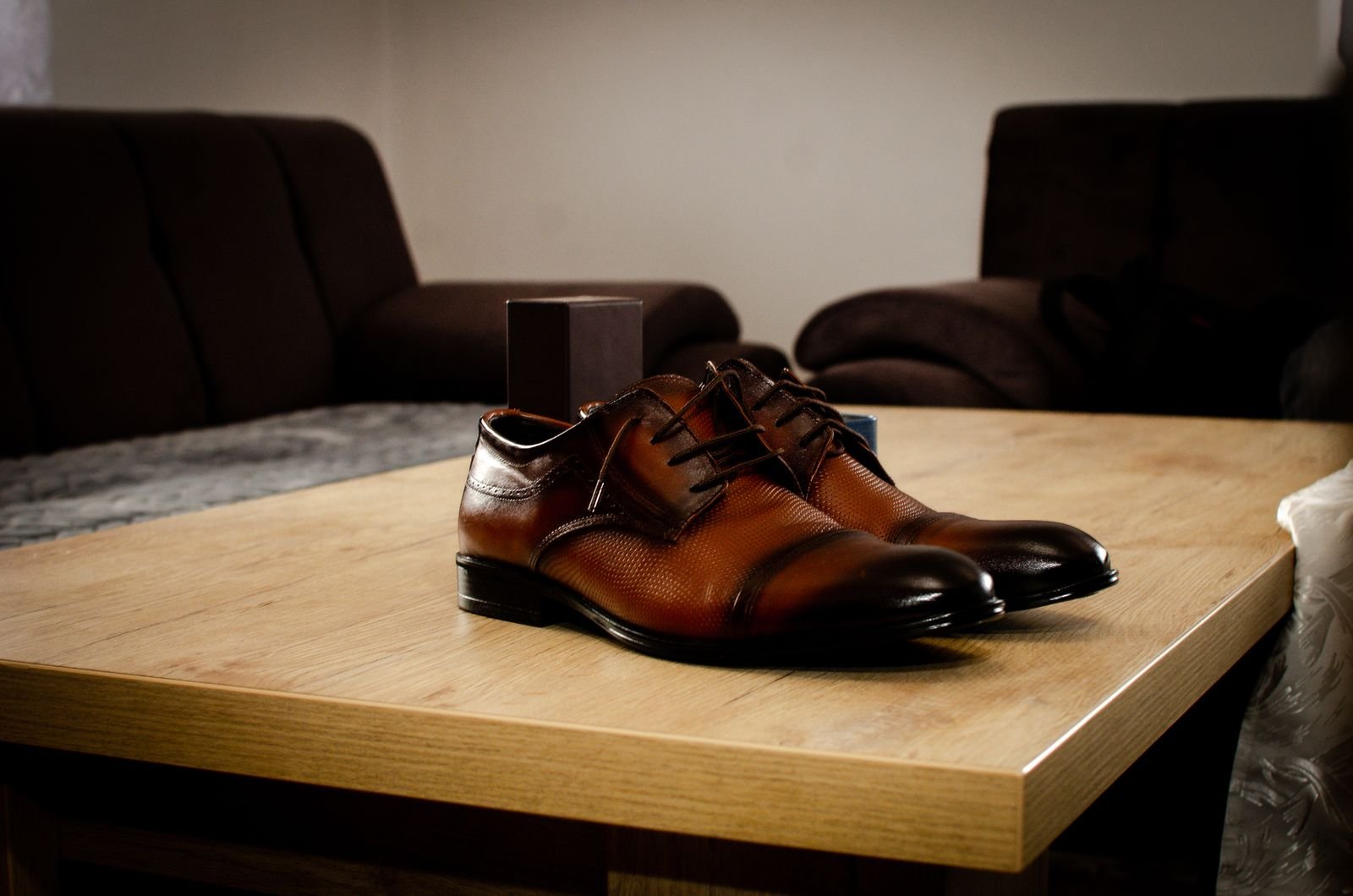
Daniel from Manchester still remembers the day his new brogues arrived. He had spent £120 on a pair of dark brown leather shoes from a shop on Deansgate, and for the first week they looked perfect. Then came three weeks of walking to the office, climbing station stairs and standing on crowded trams. One morning he looked down and saw them. Deep lines ran across the toes of both shoes, right where his feet bend with every step. The shoes were barely a month old and already looked tired.
If that sounds familiar, you are not alone. Almost every leather shoe owner in Britain has watched a smart new pair develop creases across the toes far sooner than expected. The good news is that you can slow the process right down. Learning how to stop leather shoes creasing at the toes is less about expensive products and more about a few small habits done consistently. This guide explains why creases form, what actually prevents them, and the simple routine that keeps leather shoes looking sharp for years.
Why Leather Shoes Crease at the Toes
Every step you take bends your foot at the ball, the wide part just behind your toes. The leather across the front of the shoe, known as the vamp, folds at exactly that point. Do it thousands of times a day and the fold becomes a crease. Leather is skin, and like skin it remembers repeated movement. A crease is simply the visible record of all those bends.

Three things decide how deep those lines get. The first is the quality of the leather. Full grain leather has tight, dense fibres that resist folding better than cheaper corrected grain leather, where the surface has been sanded and coated. The second is fit. A shoe that is even half a size too long lets your foot slide forward, so the leather folds in one hard line instead of flexing evenly. The third is care. Dry leather creases more deeply than leather that is kept supple with conditioner, and damp leather that dries without support sets into a folded shape.
None of this means your shoes are faulty. Even handmade shoes costing £400 or more will crease. The difference between a pair that looks good after two years and a pair that looks ruined after two months is almost always the routine around them, not the price tag.
The Honest Truth About Creases
Here is the part most shoe care guides skip. You cannot stop leather shoes creasing completely. Any shoe you actually walk in will develop some lines across the toes. Anyone who promises a crease free pair is selling you something.
What you can control is how deep the creases get and how fast they appear. Shallow, even lines look like character. They tell people the shoes are worn and loved. Deep, cracked lines look like neglect, and once the surface of the leather splits along a crease, no amount of polish will fix it. That is the line that matters. Your goal is not perfection. Your goal is to keep creases shallow and the leather healthy enough that they never turn into cracks.
Think of it like looking after your skin in winter. You cannot stop your face moving, but moisturiser, rest and protection keep the lines fine instead of deep. Leather works the same way.
How to Stop Leather Shoes Creasing at the Toes: Start Before You Buy
The best time to fight creases is in the shop, before you pay. Fit is the single biggest factor you control, and it is also the one most people get wrong.
Try shoes on late in the day, when your feet are slightly swollen from walking. That is the size your feet will be during a working day. Stand up, walk around the shop, and pay attention to how your toes sit. They should rest naturally without pressing against the front of the shoe, and your heel should not lift when you walk. If your foot slides forward even a little, the shoe is too long and the toe box will fold in one sharp line.
Check the width too. A shoe that is too wide leaves loose leather across the vamp with nothing to support it, so it collapses into folds. A shoe that is too narrow squeezes your foot and forces the leather to bulge and crease at the sides. Many British high street shops, including Clarks and Office, offer wide and narrow fittings, so ask rather than settling for the standard width.
Look at the leather itself. Press the toe gently with your thumb. Good full grain leather feels firm but supple and springs back. Cheap coated leather feels plasticky and holds the dent. If the shop will not tell you the leather grade, that is an answer in itself. Brands like Loake and Churchs publish the leather type openly, and their entry level shoes start around £150 to £200. A £60 pair can still serve you well if the fit is right, but knowing the leather helps you set honest expectations.
Choose the Right Shape
The shape of the shoe, called the last, affects creasing more than most buyers realise. A long, pointed toe leaves extra leather at the front with nothing underneath it, so it folds easily. A rounder, fuller toe distributes the bend more evenly. If you love a sleek pointed shoe, accept that it will need more care. If you want the easiest life, pick a rounded toe and a slightly thicker sole, which flexes less sharply.
Cedar Shoe Trees Are the Single Best Habit
If you buy only one shoe care product, make it a pair of cedar shoe trees. They are the single most effective tool against toe creases, and they cost around £15 to £30 on the high street or online.
A shoe tree is a wooden form shaped like a foot. You slide it into the shoe as soon as you take the shoes off, while the leather is still warm and slightly soft from wear. It does three jobs at once. It holds the toe box in its proper shape so the leather dries flat instead of setting into a fold. It absorbs moisture from sweat, which keeps the leather from softening and creasing deeper. And cedar wood naturally resists odour, so your shoes smell fresher too.
The timing matters. Put the trees in within minutes of taking the shoes off, not the next morning. Leather sets its shape as it cools and dries, so the first hour after wear is when the trees do their best work. Keep a pair of trees for every pair of leather shoes you wear regularly. One pair of trees shared between three pairs of shoes is better than nothing, but it is a false economy when trees cost less than a tenth of the shoes they protect.
If you cannot afford cedar trees yet, stuff the toes firmly with clean newspaper or acid free tissue paper. It is not as good, because paper does not push the leather back into shape with the same pressure, but it is far better than leaving the shoes empty. Avoid plastic shoe trees, which do not absorb moisture, and avoid leaving shoes stuffed with socks, which hold dampness against the leather.
Condition the Leather and Keep It Supple
Dry leather is stiff leather, and stiff leather creases in hard lines. Conditioning replaces the natural oils that walking, rain and central heating strip away. A supple upper bends in a gentle curve. A dry upper snaps into a sharp fold.
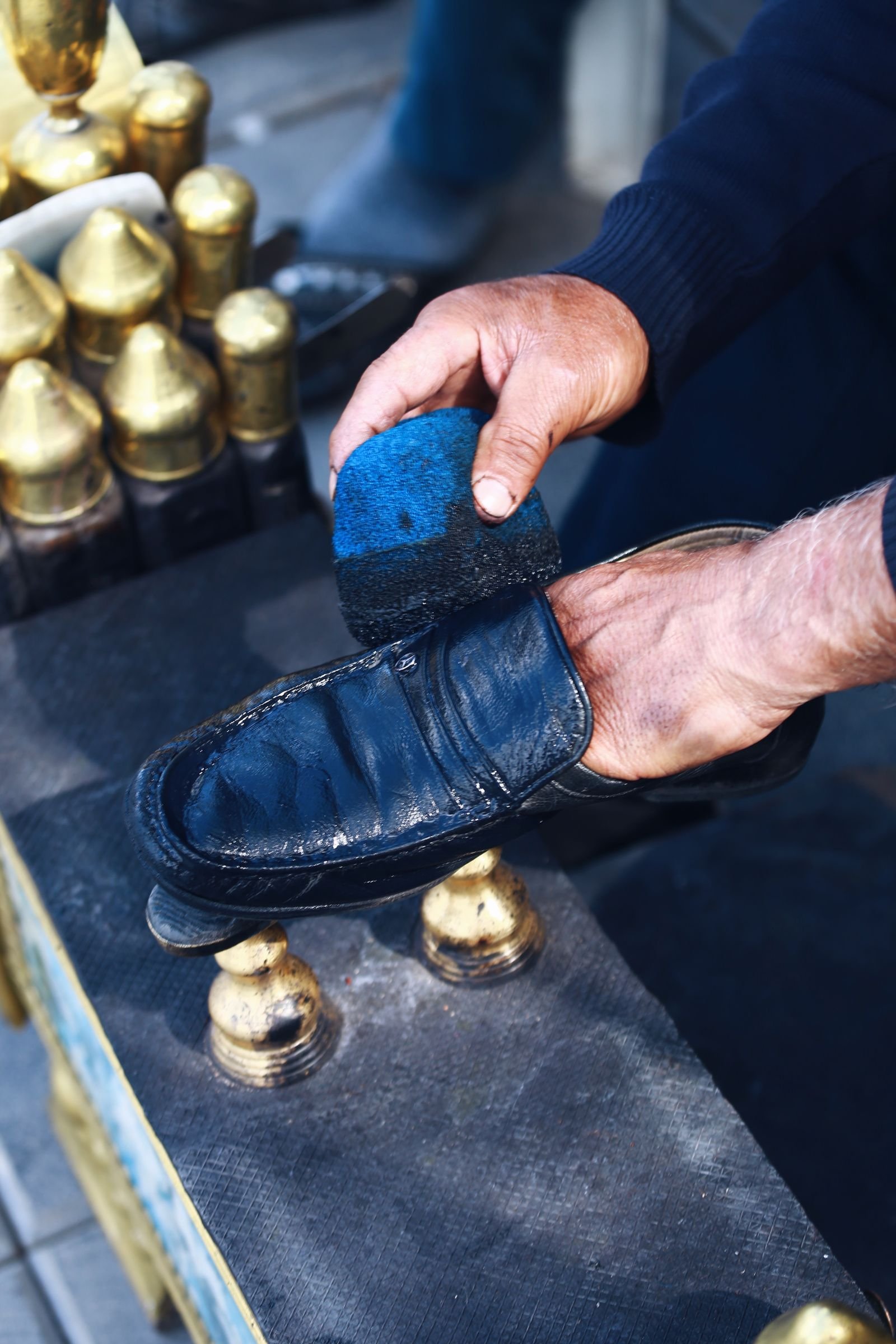
For most leather shoes, conditioning once a month is enough. In winter, when rain and road salt are constant, every two to three weeks is better. The method is simple. Brush off dust with a horsehair brush, which costs about £8. Rub a small amount of leather conditioner into the upper with a soft cloth, using small circles. Leave it for fifteen to twenty minutes, then buff off the excess with a clean cloth. The whole job takes ten minutes.
Choose a conditioner that matches your shoes. A neutral cream works on any colour. A coloured cream polish can refresh scuffed toes and even out the colour around early creases, which makes shallow lines far less visible. Avoid products that contain silicone, which can seal the leather and stop it breathing, and avoid using too much. Over conditioning softens the leather so much that it loses structure and creases more, not less. A thin layer, applied regularly, beats a thick layer applied rarely.
New shoes deserve conditioning before their first wear. Factory leather often arrives dry from months in a box. A light coat of conditioner on day one gives the fibres the flexibility they need for those first hundred bends, which are the bends that set the pattern for the life of the shoe.
Rotate Your Shoes and Let Them Rest
Wearing the same pair of leather shoes every day is the fastest way to deep creases. Leather needs at least a full day to dry out and recover its shape between wears. When you wear a pair daily, moisture from sweat builds up in the fibres, the leather stays soft and damp, and every fold sinks deeper.
Two pairs in rotation will last far longer than one pair worn twice as often. It sounds expensive, but the maths works in your favour. Two £120 pairs rotated will outlast one £120 pair worn daily by years, because each pair gets the rest it needs. If your budget only stretches to one good pair, fill the gaps with clean white trainers on casual days. Our guide on how to clean white sneakers without turning them yellow will help you keep them looking smart, and the break gives your leather shoes the rest they need.
Rotation also helps in another way. Different shoes bend your feet slightly differently, so no single crease pattern gets reinforced every single day. Even a cheap second pair for the days you walk furthest will slow the damage to your best shoes.
Dry Wet Shoes the Right Way
British weather is the enemy of smooth leather. Rain soaks the upper, the fibres swell, and if the shoe dries in a folded shape, the crease sets hard. How you dry wet shoes matters as much as how you wear them.
When you come in from the rain, wipe the shoes with a dry cloth, remove the laces, open the shoes up and put the shoe trees in straight away. Then leave them somewhere with good airflow at room temperature. Never put leather shoes on a radiator, next to a fire, or in an airing cupboard. Fast heat drives the moisture out violently, shrinks the fibres and leaves the leather brittle. Brittle leather cracks along crease lines, and cracked leather cannot be repaired.
Stuffing wet shoes with newspaper speeds drying and helps hold the shape. Change the paper after a few hours if it is soaked through. Give wet shoes a full 24 hours before wearing them again, and condition them once they are dry, because rain washes natural oils out of the leather.
A light coat of protector spray before winter helps too. A water repellent spray designed for smooth leather costs around £8 to £12 and stops rain soaking in so deeply. Reapply every few weeks through the wet months. It will not make your shoes waterproof, but it buys you time on a rainy commute.
How to Soften Creases That Are Already There
If your shoes already have visible lines across the toes, do not give up on them. Shallow creases can be softened a lot, though deep ones with white lines or splits at the bottom of the fold are permanent and need a cobbler.
Start with conditioner. Clean the shoes, apply a generous coat of leather conditioner to the creased area, and work it in gently with your fingers. The conditioner softens the compressed fibres. Insert cedar shoe trees and leave the shoes for 24 hours. Repeat the process two or three times over a week. Most shallow creases will look noticeably softer after the second treatment.
For stubborn creases, some guides suggest using an iron on a low heat through a damp cloth. This can work, but it carries real risk. Too much heat burns the leather, melts the finish and can crack the surface. If you try it, use the lowest setting, keep the iron moving, never press directly on the leather, and test on a hidden area first, such as the inside of the tongue. If the crease is deep or the leather is expensive, take the shoes to a cobbler instead. A professional stretch and condition at a Timpson or an independent cobbler typically costs £10 to £20 and is far safer than a home iron on a £150 pair.
Coloured cream polish is the final step. A polish that matches your shoe colour fills the tiny valleys of a crease with pigment and makes the line far less obvious. Apply it with a small brush, let it dry, then buff. On black shoes the effect is dramatic. On tan or brown shoes, choose the shade carefully and test on the heel first.
Mistakes That Make Creasing Worse
A few common habits quietly destroy leather shoes. Avoiding them costs nothing and makes a visible difference.
- Forcing your foot in without undoing the laces. This crushes the heel and folds the vamp every single time. Undo the laces, use a shoehorn, and your shoes will thank you.
- Leaving shoes in a zipped bag or a hot car. Heat and trapped moisture soften leather and set creases fast.
- Wearing leather shoes in heavy rain without protection, then drying them on a radiator. This is the fastest route to cracked creases.
- Using the wrong products. Household oils, furniture polish and silicone sprays can stain leather or seal it so it cannot breathe.
- Polishing dirty shoes. Grit trapped under polish acts like sandpaper in the crease and wears the surface away. Brush first, always.
- Buying shoes a size too big because they feel comfortable in the shop. Comfort on day one becomes a deep crease line by month two.
One more mistake is worth naming. Many people try to fix creases by wearing thick socks to fill out a loose shoe. This only pushes the foot further forward and makes the fold worse. Fix the fit, not the sock.
A Five Minute Routine That Actually Works
Good shoe care sounds like a hobby, but the routine that prevents creases takes about five minutes a day and ten minutes a month. Here it is, in the order that matters.
After Every Wear
Undo the laces and use a shoehorn to take the shoes off. Brush off dust and mud with a horsehair brush, which takes about thirty seconds. Slide in the cedar shoe trees while the leather is still warm. Put the shoes somewhere with airflow, away from radiators and direct sun.

Once a Week
Give the shoes a proper brush and a quick buff with a soft cloth. Check the creases. If they look dry or pale, that is your cue to condition sooner. Wipe the soles clean so grit does not get walked back into the leather.
Once a Month
Condition the leather, following the method above. Polish with a matching cream if the colour looks tired. Check the laces and replace them if they are frayed, because worn laces make clean shoes look scruffy. Our guide on removing deodorant stains from black shirts covers the same principle for work clothes: small, regular care beats a big rescue job every time.
The whole monthly session fits into a tea break. The habit is the hard part, not the work. Put the brush and conditioner next to where you keep your shoes, not in a cupboard, and the routine becomes automatic within a fortnight.
When to See a Cobbler
Some crease problems are beyond home care. See a cobbler if the leather has split along a crease, if white lines have appeared at the bottom of a fold, or if the toe has collapsed and lost its shape. A good cobbler can stretch the leather, recondition it deeply, replace a worn sole and rebuild the toe structure. Most repairs cost £15 to £40, which is a fraction of a new pair.
A cobbler can also advise you honestly about whether a pair is worth saving. Independent cobblers in particular will tell you straight if the leather is too far gone, because their reputation depends on it. Ask for a quote before agreeing to work, and check reviews the same way you would for any tradesperson.
Prevention is still cheaper than repair. A pair of cedar shoe trees, a tin of conditioner and a brush cost under £40 together. That is less than a single cobbler visit, and it protects every pair you own.
Conclusion
Creases across the toes are a normal part of wearing leather shoes, but deep, ugly creases are not inevitable. The shoes that stay looking sharp are rarely the most expensive ones. They are the ones whose owners learned how to stop leather shoes creasing at the toes early, and then stuck to a simple routine.
Remember the three points that matter most. Buy the right fit, because a shoe that fits bends evenly instead of folding in one hard line. Use cedar shoe trees after every wear, because leather sets its shape as it cools and dries. And condition the leather regularly, because supple leather bends in a gentle curve while dry leather snaps into a sharp fold. Add rotation and careful drying after rain, and your shoes will look good for years instead of months.
Daniel from Manchester still owns those brown brogues. They have lines across the toes now, but they are shallow, even lines that look like character rather than damage. He bought shoe trees the week he noticed the first crease, and he has conditioned them every month since. The shoes cost £120. The care that saved them cost less than £40. That is the whole secret, and it works for any pair, at any price.
Frequently Asked Questions
Can you stop leather shoes creasing completely?
No. Any leather shoe you walk in will develop some lines where your foot bends. What you can do is keep the creases shallow and even with good fit, cedar shoe trees and regular conditioning, so they look like character rather than damage.
Do shoe trees really prevent creases?
Yes. Cedar shoe trees are the most effective single habit. They hold the toe box in shape while the leather cools and dries, absorb moisture, and stop the leather setting into a fold. Insert them within minutes of taking your shoes off for the best result.
Does leather conditioner stop creasing?
Conditioner does not stop creasing on its own, but it keeps the leather supple so it bends in a gentle curve instead of a sharp fold. Condition once a month, or every two to three weeks in winter, using a thin layer and buffing off the excess.
Can you iron creases out of leather shoes?
You can soften shallow creases with an iron on the lowest setting through a damp cloth, but it is risky. Too much heat can burn or crack the leather. For expensive shoes or deep creases, a cobbler is the safer choice.
Why do my new leather shoes crease so quickly?
Fast creasing usually means the fit is wrong, the leather is dry, or the shoes are worn every day without rest. Check that your foot is not sliding forward, condition the leather before the first wear, use shoe trees, and rotate with another pair. If you hear squeaking as well as seeing creases, our guide on how to stop shoes squeaking on tile floors may help with the noise while you fix the fit.

3 Comments
Pingback: How to Keep Shoes Dry in the Rainy Season
Pingback: Keep Car Seats From Cracking in the Sun
Pingback: How to Stop a Zipper From Getting Stuck on a Jacket - Daily Spark News