
If you have just fried fish, cooked a fragrant curry or burned the toast, you know the problem. The food was lovely, but the smell has moved into every room and shows no sign of leaving. Learning how to remove cooking smells from house fast is one of those small home skills that makes daily life far more pleasant, especially in flats and open plan homes where one room smells like all of them.
The good news is that you do not need expensive gadgets or harsh chemicals. With quick ventilation, a few natural absorbers and a short cleaning routine, most cooking smells fade within an hour, and many clear in about 30 minutes. This guide walks you through a proven action plan, smell by smell, so your home smells fresh again before your guests arrive or before you go to bed.
Why cooking smells hang around long after dinner
Cooking smells are not just air. When you fry, roast or boil, tiny particles of fat and steam carry scent molecules around your home. These particles settle on every surface they touch, and some materials hold onto them for hours.
Soft furnishings are the worst offenders. Curtains, sofa cushions, rugs, bedding and even the clothes you are wearing act like sponges for cooking odours. Grease is the other big culprit. Frying sends a fine film of oil onto the hob, the splashback, the cooker hood and the wall tiles nearby. Until that film is cleaned, it keeps releasing its smell every time the room warms up.
Steam makes everything worse because it carries smells further. A pot of boiling water with the lid off will send scented steam down the hallway and into bedrooms within minutes. This is why smells seem to live in rooms you never cooked in.
How to remove cooking smells from house fast: your 30 minute action plan
When you need speed, follow this order. Each step takes only a few minutes, and together they handle the worst of the smell.
Step 1: ventilate like you mean it
Open as many windows as you can, ideally on opposite sides of the home so air flows straight through. If you have a cooker hood or extractor fan, switch it on to its highest setting and leave it running for at least 20 minutes after you finish cooking. Many people turn it off too early, which is exactly when the lingering smells are still floating around.
A portable fan placed near an open window pushes stale air out even faster. In a flat where cross ventilation is tricky, open the front door for a few minutes as well as the windows to create a proper draught. Opening windows briefly also helps with moisture, as explained in our guide to stopping condensation on windows overnight.

Step 2: cut off the source
While the air is clearing, remove the things still giving off smells. Take the bin bag out if it holds food scraps, and give the bin itself a quick wipe with hot soapy water. Wash the dishes or at least fill the greasy pans with hot water and washing up liquid so they stop steaming into the room.
Hang up the tea towel and dishcloths you used, because damp cloths are serious smell traps. If a cloth smells of fish or garlic, soak it in hot water with a spoonful of bicarbonate of soda before it goes in the wash.
The quickest smell by smell fixes
Different smells respond to different tricks. Here is a fast reference for the most stubborn ones.
- Fish: Simmer a small pan of water with lemon slices and a splash of white vinegar for 10 to 15 minutes. The acid neutralises the amines that make fish smell so persistent.
- Curry and strong spices: Place small bowls of bicarbonate of soda around the kitchen and living areas. It absorbs spice odours overnight. A simmer pot with cinnamon sticks and orange peel masks the rest.
- Garlic and onion: Rub your hands and chopping boards with lemon halves, then wash as normal. Wipe the hob and nearby worktops with a vinegar and water mix.
- Fried oil and grease: Clean the hob, splashback and cooker hood filters the same day. Greasy films are the reason fried smells return every evening.
- Burnt food: Remove the burnt item from the house completely, then boil water with a few cloves. The warm spice scent covers the acrid smell while ventilation does the real work.
Natural absorbers that pull smells from the air
You do not need plug in fresheners that just cover smells with perfume. Natural absorbers actually remove odour particles from the air, and most of them are already in your kitchen cupboards.
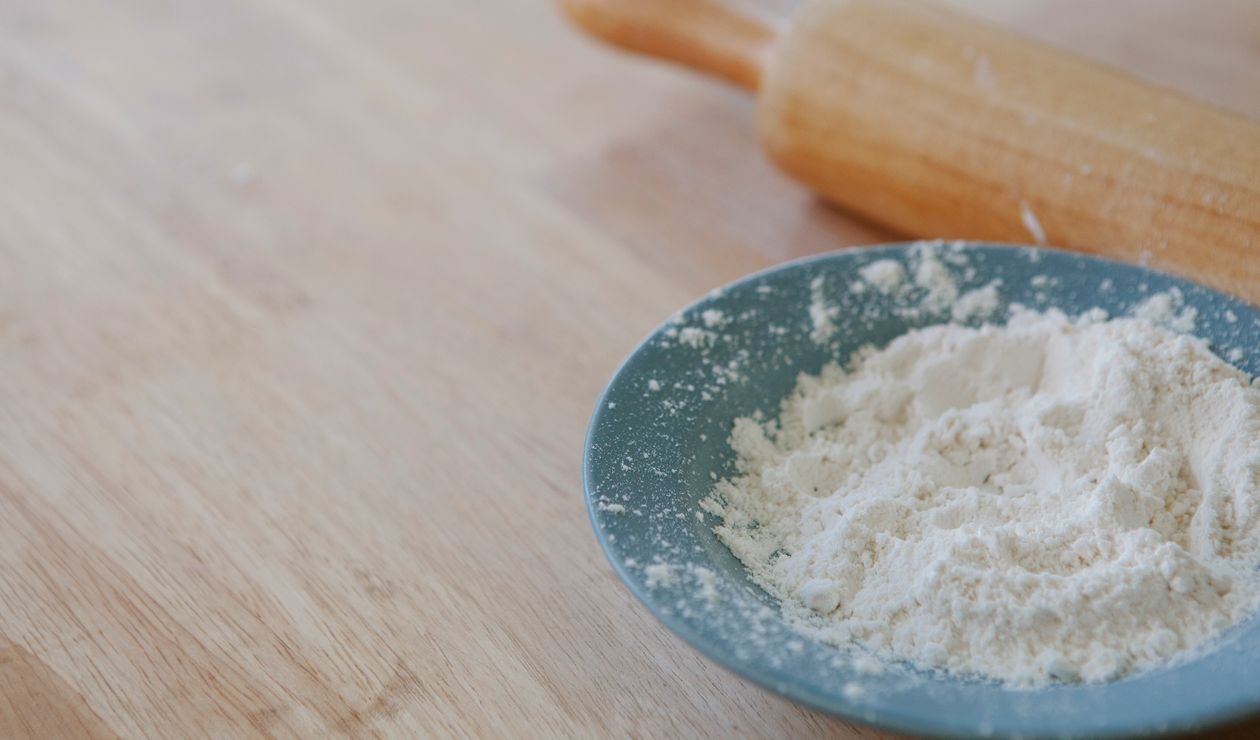
Bicarbonate of soda is the champion. Leave open bowls of it in the kitchen and any room that smells, and it will quietly absorb odours over several hours. Sprinkle it over rugs and upholstery, leave it for 20 minutes, then vacuum it up. This works brilliantly on sofa cushions that have soaked up a curry night.
White vinegar works in a similar way. Simmer a cup of it in water on the hob for 10 minutes, and it neutralises airborne smells. Some people dislike the vinegar smell itself, but it fades completely within the hour, taking the cooking smells with it.
Coffee grounds are another strong option. A bowl of fresh grounds in the kitchen absorbs smells beautifully, and the coffee scent itself fades to nothing. Activated charcoal bags work the same way and can be refreshed in sunlight every month or so, making them a nice low effort option for flats that often smell of cooking.
Try a simmer pot: the fastest natural reset
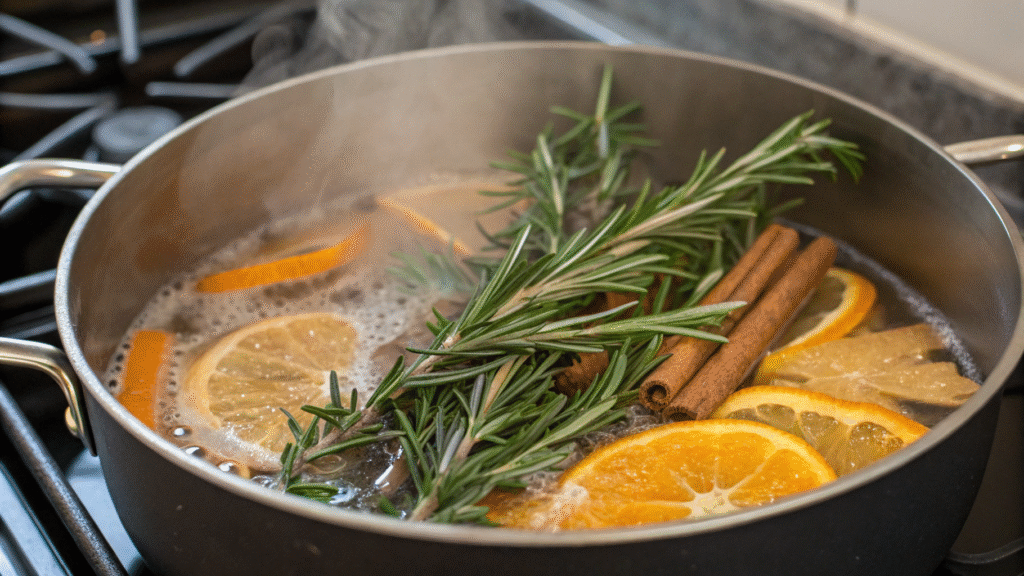
A simmer pot is simply a pan of water kept at a gentle simmer with fragrant ingredients in it. It is one of the quickest ways to replace cooking smells with something pleasant, and it costs almost nothing.
Fill a saucepan two thirds full with water and add a few of the following: sliced lemon or orange, a cinnamon stick, a few cloves, fresh rosemary or a splash of vanilla extract. Bring it to a gentle simmer and leave it for 20 to 30 minutes, topping up the water if it runs low. Never leave it unattended.
The rising steam carries the fresh scent through the whole home, reaching the hallway and bedrooms that ventilation alone struggles with. This is especially handy before guests arrive, because the house smells warm and welcoming rather than of last night’s dinner.
Deep clean the spots where smells hide
If smells keep coming back the next day, the problem is not the air. It is a surface somewhere that still holds grease or food residue. A quick deep clean of the usual suspects makes a huge difference.
Start with the cooker hood filters. Most UK cooker hoods have metal mesh filters that trap grease, and after a few months of frying they become smell factories. Soak them in hot water with washing up liquid and a cup of bicarbonate of soda for 20 minutes, then scrub and dry them. If your hood uses charcoal filters, replace them as the manufacturer suggests.
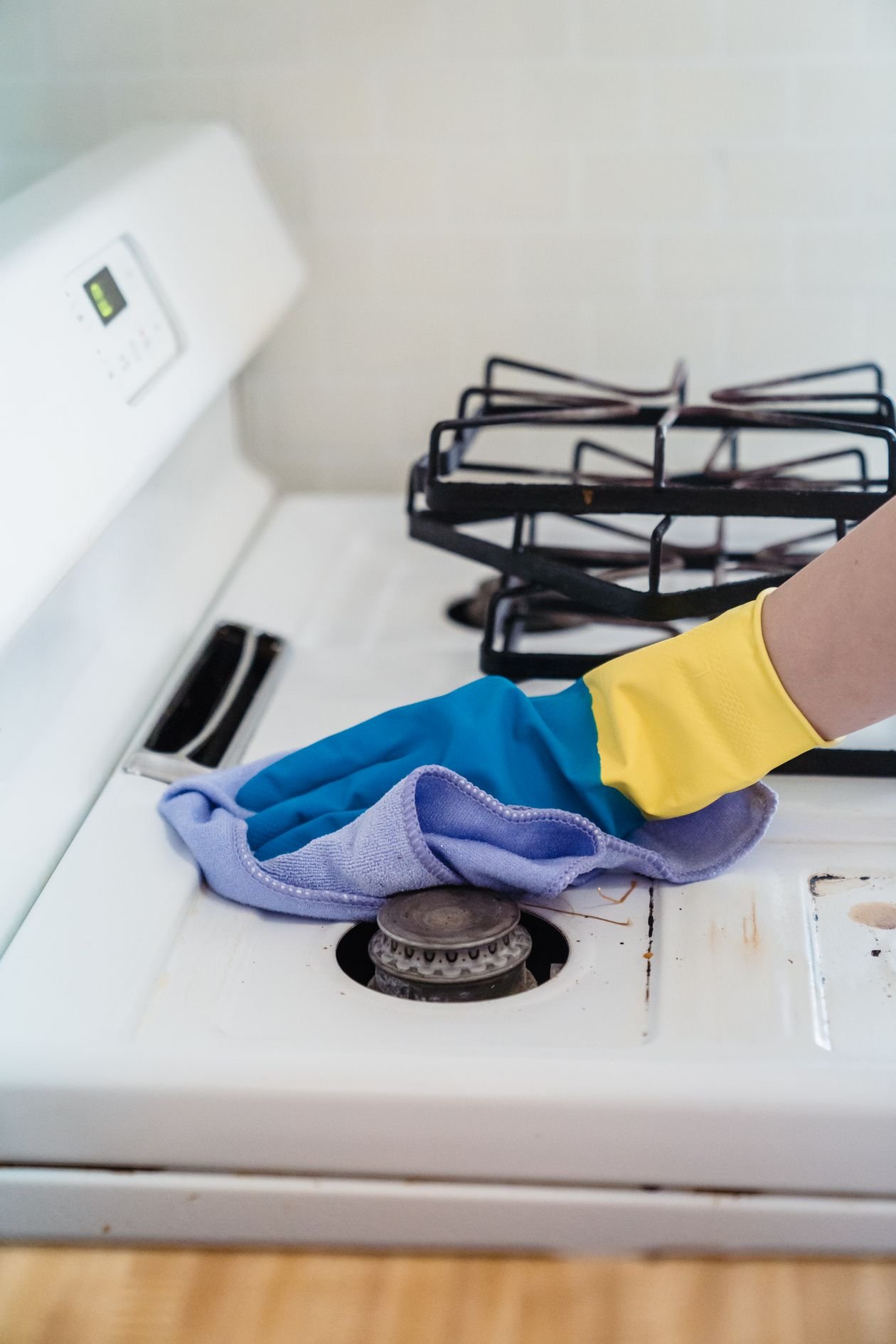
Next, wipe the hob, splashback and the wall tiles behind the cooker. Use a degreasing spray or a paste of bicarbonate of soda and water. Do not forget the top of the microwave and the inside of the oven door, where splatters bake on and release smells every time they heat up.
Finally, deal with the textiles. Wash curtains, cushion covers and throws that have been near the kitchen. For upholstery and rugs that cannot go in the machine, the bicarbonate of soda sprinkle and vacuum method works well. If the smell has settled deep into soft furnishings, the same deep clean approach in our guide to getting dried dog urine out of carpets works for cooking odours too.
Stop the next cook up from filling the house
Prevention is faster than any cure. A few small habits keep cooking smells in the kitchen where they belong.
Always switch the extractor fan on before you start cooking, not after the smells appear. Give it a five minute head start and leave it running for 20 minutes after you finish. Cook with lids on pots whenever the recipe allows, because a lid keeps most of the steam and smell in the pan.
Close the doors to bedrooms and living rooms before you start frying or roasting. This one habit makes the biggest difference in open plan flats. Choose lower odour cooking methods when you can: roasting in a covered dish smells less than shallow frying, and using the microwave for reheating beats refrying in oil.
Keep a small bin with a tight fitting lid for food scraps, and empty it the same evening. For laundry related smells that cling to clothes and tea towels, see our guide to stopping clothes smelling damp when drying indoors.
The 30 minute before guests arrive checklist
Guests coming and the house still smells of dinner? Follow this countdown.
- Minutes 0 to 5: Open windows on opposite sides of the home. Switch the extractor fan to full power. Take out the kitchen bin.
- Minutes 5 to 10: Fill greasy pans with hot soapy water. Wipe the hob and splashback quickly. Put a simmer pot on with lemon and cinnamon.
- Minutes 10 to 20: Sprinkle bicarbonate of soda on the nearest rug or sofa cushions. Hang fresh tea towels. Close bedroom doors.
- Minutes 20 to 30: Vacuum up the bicarbonate of soda. Turn off the simmer pot. Close the windows to the most comfortable position and light a candle if you like.
By the time the doorbell rings, the house will smell fresh and welcoming instead of like the cooking you just finished.
Fresh air is mostly a habit
Knowing how to remove cooking smells from house fast comes down to three things: move the air, remove the source and clean the grease. Do those three in the first 30 minutes and the vast majority of smells will be gone before they get comfortable.
The habits that prevent smells are even easier. Fan on before you cook, lids on the pans, doors closed to the rest of the home and a quick wipe of the hob afterwards. Build those into your routine and you will rarely need the emergency plan at all.
For the occasional disaster, the burned curry or the fish that filled the whole flat, keep bicarbonate of soda and lemons on hand. They are cheap, natural and genuinely effective, which is more than can be said for most plug in fresheners.
Frequently asked questions
What is the fastest way to get rid of cooking smells?
Open windows on opposite sides of the home, run the extractor fan on full power and remove the source of the smell such as the bin bag and greasy pans. Most smells fade noticeably within 20 to 30 minutes with proper ventilation.
Will an air purifier remove cooking smells?
Yes, but only models with a proper activated carbon filter. Standard particle filters catch dust, not smells. A carbon filter absorbs the gases that cause odours. Ventilation and cleaning are still faster and free.
Does bicarbonate of soda really absorb cooking odours?
Yes. Bicarbonate of soda is mildly alkaline, which lets it neutralise the acidic compounds in many food smells. Leave open bowls of it near the cooker overnight, or sprinkle it on soft furnishings for 20 minutes before vacuuming.
How do I stop cooking smells spreading through the house?
Close internal doors before you start cooking, switch the extractor fan on five minutes early and cook with lids on. These three habits keep most smells in the kitchen. In open plan homes, a fan blowing towards an open window also helps.
How do I pull odours out of furniture and rugs?
Sprinkle bicarbonate of soda generously over the fabric, leave it for 20 minutes or overnight for bad smells, then vacuum thoroughly. For washable covers, a hot wash with a cup of white vinegar in the rinse cycle removes lingering odours.

3 Comments
Pingback: Burnt Saucepan Cleaning: 5 Easy Methods
Pingback: Remove Pet Hair From Couch: 7 Easy Methods
Pingback: Clean a Microwave with Lemon and Vinegar Fast