
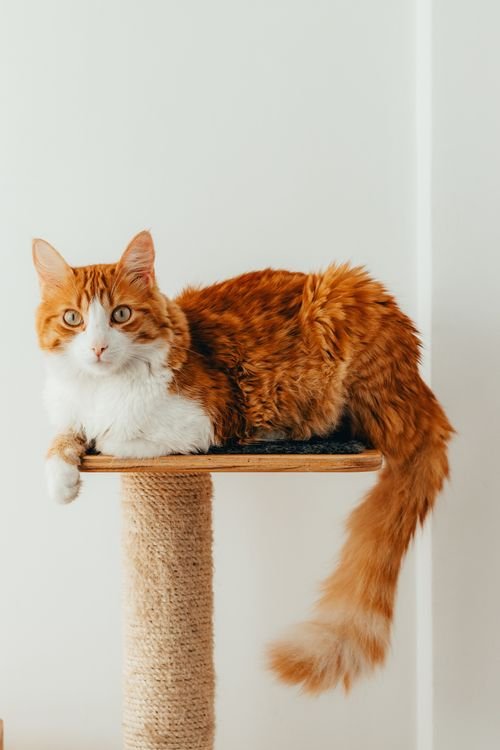
You walk into the living room and see it again: fresh claw marks running down the arm of your couch. You love your cat, but the furniture is losing the battle. The encouraging news is that learning how to stop a cat from scratching the couch is simpler than most owners expect, because scratching is not misbehavior. It is normal cat communication, claw care, and full body stretching rolled into one.
Cats scratch to mark territory with scent glands in their paws, to shed the dull outer layer of each claw, and to stretch the muscles along their backs and shoulders. Your couch is tall, stable, and located right where the family gathers, which makes it a perfect target in your cat’s eyes. Once you understand that, the fix becomes clear. Give your cat something better to scratch, make the couch less tempting for a while, and reward every good choice. If fur is part of the problem too, our guide on how to remove pet hair from the couch will help you handle that side of couch care as well.
Why Your Cat Scratches Furniture in the First Place
Scratching serves three jobs at once, and your cat cannot simply switch the instinct off. First, it is messaging. Scent glands between the toes leave a chemical signature on every surface the claws rake, telling other animals that this spot is claimed. That is why cats so often pick the couch: it smells like you, it sits in the social center of the home, and marking it feels important.
Second, scratching is grooming. The outer sheath of each claw loosens as it grows, and raking a rough surface peels it away to reveal the sharp new claw underneath. A cat that never scratches ends up with thick, uncomfortable claws, so the urge is physical as well as behavioral.
Third, scratching is exercise. Watch a cat dig in and pull, and you will see the whole body engage, from the shoulders down through the back legs. A tall, stable couch lets a cat stretch to full height, which feels wonderful after a long nap. Any plan to protect your furniture has to respect all three needs, not fight them.
How to Stop a Cat From Scratching the Couch in About a Week
You do not need special talent or expensive gadgets. You need a consistent routine that runs for about seven days. Each step below builds on the last, and most owners see a clear change before the week is over.
- Day one: block and offer. Cover every spot your cat already scratches with a throw blanket, a fitted couch cover, or scratch deterrent tape. Then place a tall, sturdy scratching post directly against the exact spot your cat targets, not across the room.
- Day two: make the post irresistible. Rub a pinch of catnip or silvervine into the post’s surface. Play with your cat near the post for about five minutes with a wand toy, and end the game at the post so the final pounce lands on the new scratching surface.
- Day three: reward every win. Each time your cat uses the post, praise warmly and offer a small treat within seconds. Timing matters more than the size of the reward. The treat must land right after the scratch so your cat connects the two.
- Day four: redirect calmly. If your cat heads for the couch, interrupt gently with a calm voice or a soft clap, then guide them to the post. Praise any scratch on the post, even a half hearted one. Never yell, chase, or use a spray bottle, since fear only adds stress that leads to more scratching.
- Day five: shift the post slightly. If your cat is using the post reliably, move it a few inches away from the couch. Keep the couch covers in place. You are teaching your cat that the post itself is the good spot, not just the location next to the couch.
- Day six: trim the claws. If you are comfortable doing it, trim just the sharp tips of the front claws. If not, book a quick trim with your vet or a groomer. Shorter claws mean far less damage during any slip ups while training continues.
- Day seven: test and adjust. Remove one cover from a previously scratched spot and watch what happens. If your cat goes back to the couch, replace the cover for a few more days and keep rewarding the post. If your cat chooses the post, celebrate with a favorite treat. Most cats pass this test within one to two weeks.
Choose a Scratching Post Your Cat Will Actually Use
A wobbly carpet covered post tucked in a spare bedroom will not save your couch. Cats are picky about their scratching furniture, and getting the details right is what makes the whole plan work.
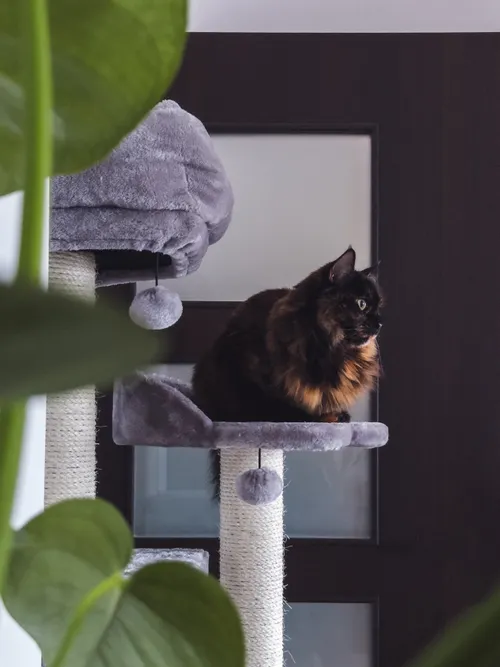
Placement matters more than the post itself
Cats scratch where they already spend time: near favorite nap spots, beside the couch, and along the paths they walk every day. Put the main scratching post right against the couch corner your cat favors. It can look a little awkward for a week, and that is fine. Once the habit is set, you can gradually move the post to a tidier spot a few inches at a time. One post is rarely enough for a whole home, so add a second scratcher near the bedroom or wherever your cat naps during the day.
Pick the right texture and height
Height comes first. The post must let your cat stretch to full length without wobbling, so look for something at least as tall as your cat standing on hind legs, ideally 30 inches or more for an average adult cat. A post that tips over even once can scare a cat off it for good, so choose a heavy base or a post tall enough to feel solid.
Texture comes second, and this is where owners often guess wrong. Many cats prefer sisal rope or sisal fabric over the soft carpet found on cheap posts, because the rough fibers catch the claws satisfyingly. Others love corrugated cardboard scratchers, especially the flat or gently sloped styles. Watch what your cat already chooses. A cat that rakes the couch arm vertically wants a tall vertical post. A cat that scratches rugs wants a horizontal cardboard scratcher on the floor. Match the tool to the habit and your success rate climbs fast.
Make the Couch Less Appealing While You Train
Training works fastest when the couch is boring and the post is wonderful at the same time. You only need these deterrents for a few weeks while the new habit forms, so think of them as scaffolding, not permanent decor.

Scratch deterrent tape, covers, and guards
Double sided tape made for pet training is one of the most reliable tools available. You press it onto the couch corners and arms, and the sticky feeling on the paws discourages scratching without harming the cat or the fabric. Most cats give up on a taped spot within days. Choose a clear, wide tape designed for furniture so it peels off cleanly when training is done.
Throw blankets and fitted couch covers work well too, especially on arms that are already damaged, because they remove both the texture and the visual cue of old scratch marks. For a sturdier option, clear vinyl couch guards screw or pin into place on the arms and corners. They are nearly invisible from across the room and they protect the fabric while your cat learns to love the post.
A few owners have luck with aluminum foil draped over a favorite corner for a few days, since many cats dislike the feel and sound. It looks odd, but as a short term nudge it can break the cycle. Whichever option you pick, cover every previously scratched spot at once. Leaving even one tempting corner open gives your cat a reason to keep the old habit alive.
Redirect and Reward Every Good Choice
Cats repeat whatever pays off. That simple fact is the engine of the entire method. Punishment teaches a cat to fear you, not to stop scratching, while rewards teach the cat exactly where scratching earns good things.
Keep small treats in a dish near the scratching post during training week so you can reward instantly. The moment you see claws on the post, say a cheerful word like yes, then deliver the treat. After a few days, most cats start trotting to the post on their own, because they have learned that scratching there produces treats and praise.
Play is the other half of the equation. A bored cat with full energy stores is far more likely to shred furniture. Two short play sessions a day, morning and evening, each lasting about ten minutes, burn off the restless energy that fuels destructive scratching. End each session with a toy placed on or near the scratching post so the post becomes part of the fun. A tired, rewarded cat is a couch friendly cat.
Catnip and silvervine deserve a special mention because they genuinely help. Sprinkle dried catnip or rub silvervine powder into a new post to spark curiosity. Not every cat responds to catnip, roughly a third of cats lack the sensitivity, but silvervine works for a larger share, so try both if the first one falls flat.
Keep the Claws Trimmed
Trimming does not stop the urge to scratch, but it sharply reduces the damage. A cat with freshly trimmed claws can rake the couch arm and leave barely a mark, which buys you breathing room while training takes hold.
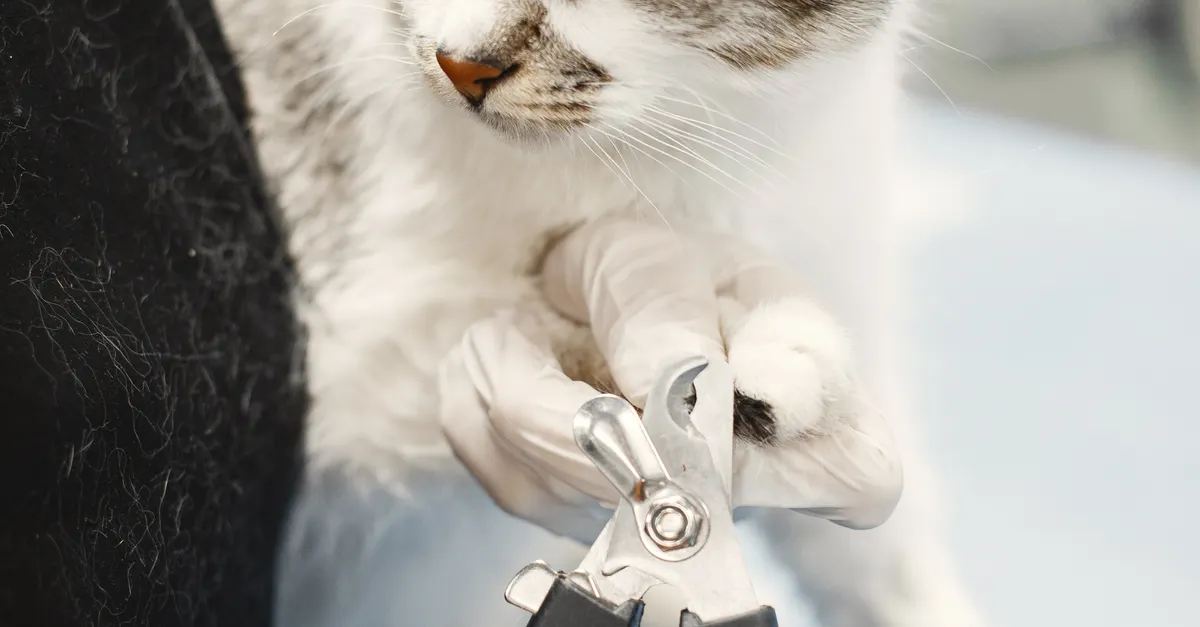
Trim only the sharp, curved tip of each claw, staying well clear of the pink quick visible inside lighter colored nails. On dark nails, trim a tiny sliver at a time. Most cats need a trim every two to three weeks. If your cat will not sit still, try trimming one or two nails per session while they are sleepy, and reward each nail with a treat. There is no rule that says all ten front claws must be done at once.
If trimming at home feels stressful for either of you, there is no shame in outsourcing it. Most vets and groomers offer quick nail trims for a modest fee, often under twenty dollars, and the whole visit takes minutes. Ask your vet to show you the technique once, and many owners find the confidence to do it themselves afterward.
Soft nail caps are another option worth knowing about. These are small vinyl covers glued over each claw that blunt the tips for four to six weeks. They do not stop scratching behavior, but they prevent damage while training progresses. They work best when applied by a vet or groomer the first time, so you can watch and learn.
What Not to Do
A few popular approaches backfire, and it is worth naming them so you can avoid wasted effort. Never have a cat declawed to save furniture. Declawing is not a nail trim. It is the surgical removal of the last bone of each toe, it causes lasting pain and behavior problems in many cats, and it is restricted or banned in a growing number of US cities. Most veterinarians now refuse to perform it for non medical reasons.
Skip the spray bottle too. Animal behaviorists widely advise against squirting cats, because it teaches the cat to fear the person holding the bottle rather than to avoid the couch. The cat simply learns to scratch when you are not watching. Yelling works the same way: it adds stress, and stressed cats scratch more, not less.
Finally, do not remove every scratching surface in frustration and hope the problem solves itself. A cat with nowhere acceptable to scratch will pick the couch, the rug, or the curtains every time. The answer is always more good options, not fewer.
Repair a Couch That Is Already Scratched
Once the scratching stops, you may want to tidy up the evidence. For fabric couches, gently trim loose threads with small scissors, never pull them, then brush the area with a stiff brush to blend the nap. Light scratches on faux leather can sometimes be softened with a tiny amount of leather conditioner worked in with a soft cloth, though deep gouges are harder to hide.
For arms that took heavy damage, a fitted arm cover or a decorative throw placed with intention can look like a style choice rather than a repair. And remember that a clean couch shows less wear: once the claws are under control, keeping the upholstery free of fur makes the whole piece look newer for longer.
The Bottom Line on Protecting Your Couch
Learning how to stop a cat from scratching the couch comes down to three moves done together: place a tall, stable scratching post right where your cat already scratches, make the couch temporarily unappealing with tape or covers, and reward every scratch on the post with instant praise and treats. Add regular nail trims and daily play, and most cats switch habits within one to two weeks. Stay patient, stay consistent, and never punish. Your cat is not being bad. Your cat is being a cat, and with the right setup, being a cat no longer has to cost you a couch.
Frequently Asked Questions
Why does my cat scratch the couch even though it already has a scratching post?
Almost always, the issue is placement or texture. A post hidden in another room cannot compete with a couch in the family room, and a short or wobbly post cannot compete with a tall stable couch. Move the post directly against the scratched spot, make sure it is tall and sturdy, and try sisal or cardboard if your cat ignores carpet.
Does double sided tape really stop cats from scratching furniture?
Yes, it is one of the most consistently effective deterrents. Cats dislike the sticky sensation on their paw pads, so most abandon a taped spot within days. Use a clear tape made for furniture training, leave it on for two to four weeks while you reward the scratching post, then peel it off once the new habit is solid.
Will my cat ever stop scratching completely?
Scratching itself will never stop, because it is a natural and healthy behavior. The realistic goal is redirection, not elimination. A cat that scratches a post enthusiastically every day is a success story. Expect the couch to stay safe as long as the post remains available and appealing.
Is it okay to spray my cat with water when it scratches the couch?
No. Behavior experts advise against it because the cat learns to fear you, not to leave the couch alone. Most cats simply wait until you leave the room and scratch anyway. Calm redirection to the post plus a reward works better and keeps your bond with your cat intact.
How often should I trim my cat’s nails?
Every two to three weeks is right for most indoor cats. Trim only the sharp curved tip and avoid the pink quick. If your cat resists, do a nail or two at a time while they are relaxed, or have your vet or groomer handle it. Regular trims will not end scratching, but they greatly reduce the damage.

1 Comment
Pingback: Clean a Fabric Sofa Without a Machine: 7 Steps