
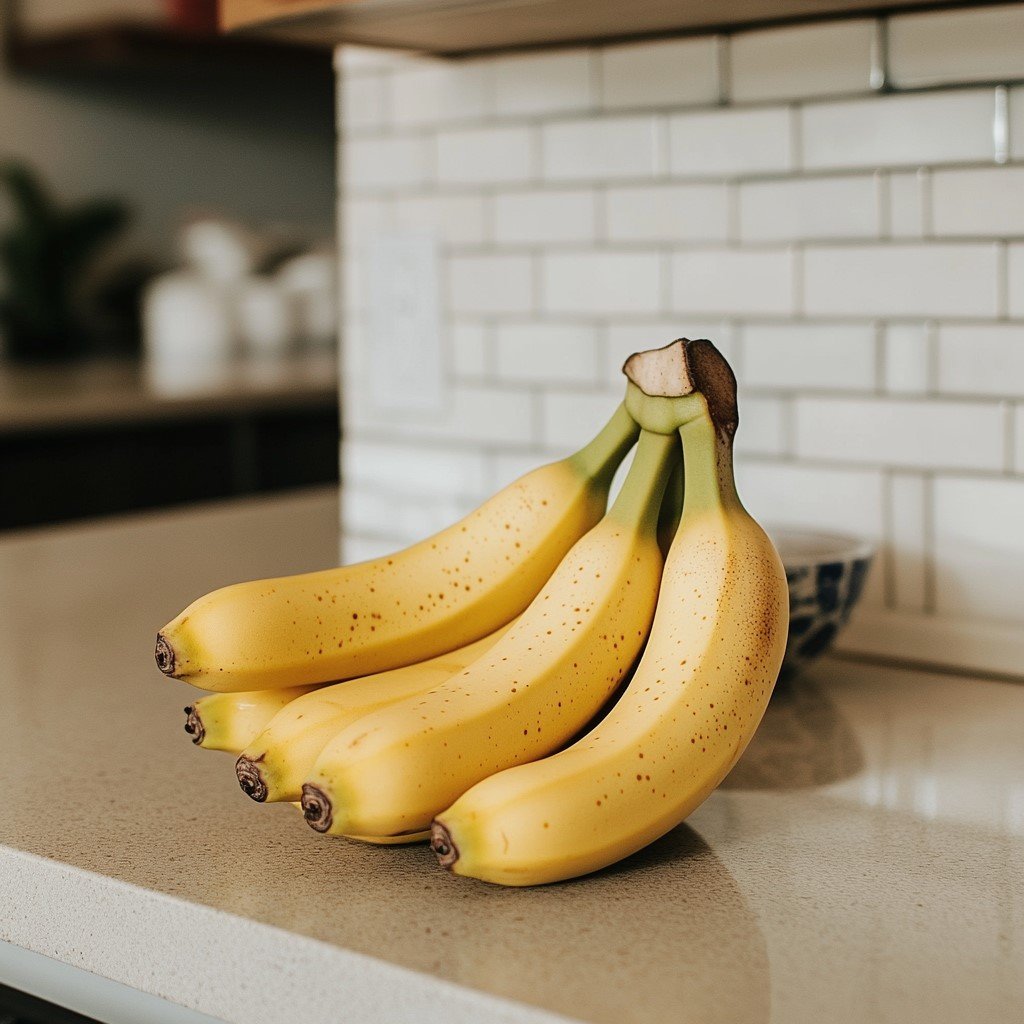
You buy a perfect bunch of bananas on Monday, firm and bright yellow, and by Friday they are brown, spotty and mushy. Sound familiar? Bananas ripen faster than almost any other fruit you bring home, and that short window between green and overripe sends millions of bunches into the trash every year. Learning how to keep bananas fresh longer is not about a magic gadget. It is about understanding what makes bananas ripen and changing a few small storage habits. In this guide you will learn seven simple tricks that slow ripening down, plus what to do with the bananas that still beat the clock. These tips work in any American kitchen, they cost almost nothing, and they can cut your banana waste in half.
Why Do Bananas Ripen So Fast?
Bananas are one of the few fruits that keep ripening after they are picked. Most bananas are harvested green and shipped to stores in that state on purpose, because a fully ripe banana would never survive the trip. Once they reach your kitchen, a natural process takes over and moves fast. Warm air, sunlight and other ripe fruit in the bowl all speed it up. That is why a bunch left next to a sunny window or on top of a warm dishwasher can go from green to brown in just a few days.
Ethylene Gas Is the Main Reason
Here is the science in plain language. Bananas release a natural plant gas called ethylene, and this gas tells the fruit to ripen. The stems give off the most ethylene, which is why the ends of the bunch often ripen first. Here is the tricky part. Ethylene also speeds up ripening in the fruit around it. So one very ripe banana in a bowl with apples or avocados will push everything else to ripen faster too. Every trick below works by managing this gas in some way. Slow the gas down, give it less influence, and your bananas stay yellow and firm for days longer.
7 Simple Ways to Keep Bananas Fresh Longer
These seven habits build on each other. You do not need all of them to see a difference, but combining three or four will noticeably extend the life of a bunch. Start with the first two, because they have the biggest effect for the least effort.
1. Buy bananas at the right ripeness for your week
The easiest trick happens at the store, not in the kitchen. If you want bananas for lunches through the week, pick a bunch that is mostly yellow with a hint of green at the ends. Those bananas need a day or two to reach peak ripeness, which buys you time. If you plan to bake banana bread or blend smoothies right away, choose bananas with plenty of brown speckles instead, because the extra sugar makes them sweeter and more flavorful. Many shoppers do best with a mixed strategy: buy one bunch ready to eat now and one slightly green bunch for later in the week. Staggering your purchases this way means you always have good bananas and almost never throw one away.
2. Wrap the stems in plastic wrap
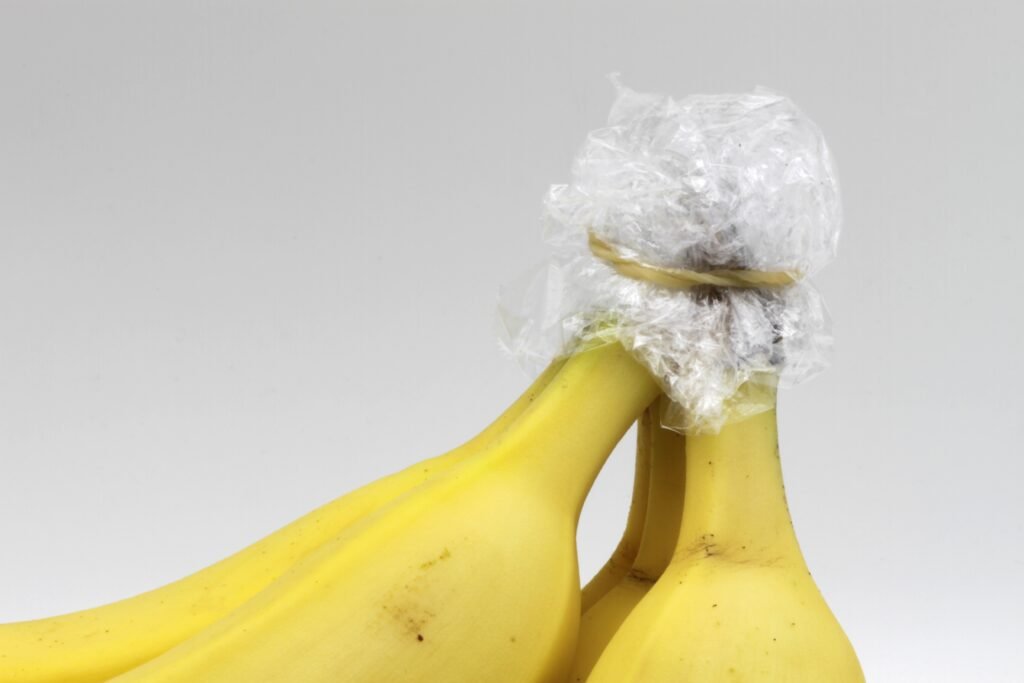
This is the most talked about banana trick, and it genuinely works. The stems release the largest amount of ethylene gas, so sealing them off slows the whole ripening process. Take a strip of plastic wrap, kitchen foil or even beeswax wrap and wind it tightly around the crown of the bunch where the stems join. Press it close so no air sneaks through. Every time you pull a banana off the bunch, wrap the exposed stem again. In tests done by home cooks and food writers, wrapped stems can add two to four extra days of freshness. It takes less than a minute and it is the single highest impact habit on this list.
3. Hang the bunch instead of piling it in a bowl
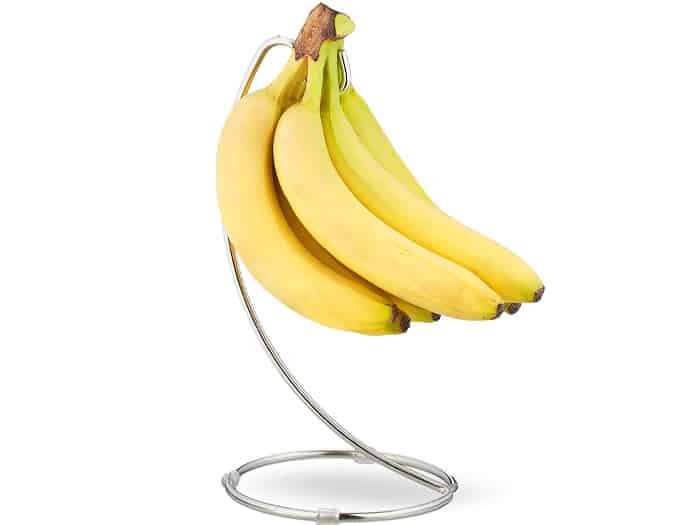
A banana hanger looks like an unnecessary kitchen gadget until you try one. When bananas sit in a bowl, the fruit on the bottom gets bruised under the weight of the rest, and bruised spots ripen and darken first. Hanging the bunch lets air flow around every banana, keeps them off hard surfaces, and stops pressure marks from forming. A simple countertop hook or a banana tree stand does the job, and you can find one for a few dollars. If you do not own one, rest the bunch on top of your other produce rather than burying it underneath, which at least reduces the squashing.
4. Keep bananas away from other fruit
Remember the ethylene gas problem. Apples, pears, avocados and peaches are all heavy ethylene producers, so parking your bananas next to them in a shared fruit bowl creates a ripening chamber. Give bananas their own spot on the counter, a separate plate or a hook on the other side of the kitchen. This one change is easy to forget because a full fruit bowl looks nice, but mixing everything together can shave days off your bananas. The same rule protects your other fruit too, since bananas push their neighbors along.
5. Store them at room temperature, away from heat and light
Bananas are tropical fruit and they hate temperature extremes. The ideal spot is a cool, dry place at normal room temperature, away from direct sunlight, the stove, the oven and the dishwasher. Heat is the enemy. A bunch sitting next to a sunny window or above a warm appliance ripens far faster than the same bunch in a shaded corner. Do not seal whole bananas in a plastic produce bag either, because trapped moisture speeds up spoilage. Let them breathe in the open air where a little circulation keeps the skins dry.
6. Move ripe bananas to the fridge when they are ready
This is where a common myth needs correcting. Many people believe bananas can never go in the fridge, but the truth is more useful. Never refrigerate green or unripe bananas, because the cold stops the ripening process in a bad way and they can turn gray and stay starchy. Once bananas reach the perfect yellow stage you love, though, the fridge becomes your best friend. Cold temperatures slow ethylene production almost to a stop, and the fruit inside stays fresh for up to two weeks. Yes, the peel will darken and may turn brown or even black. Ignore it. The banana inside remains firm, sweet and perfectly good to eat. Peel one and you will see.
7. Freeze the extras before they turn
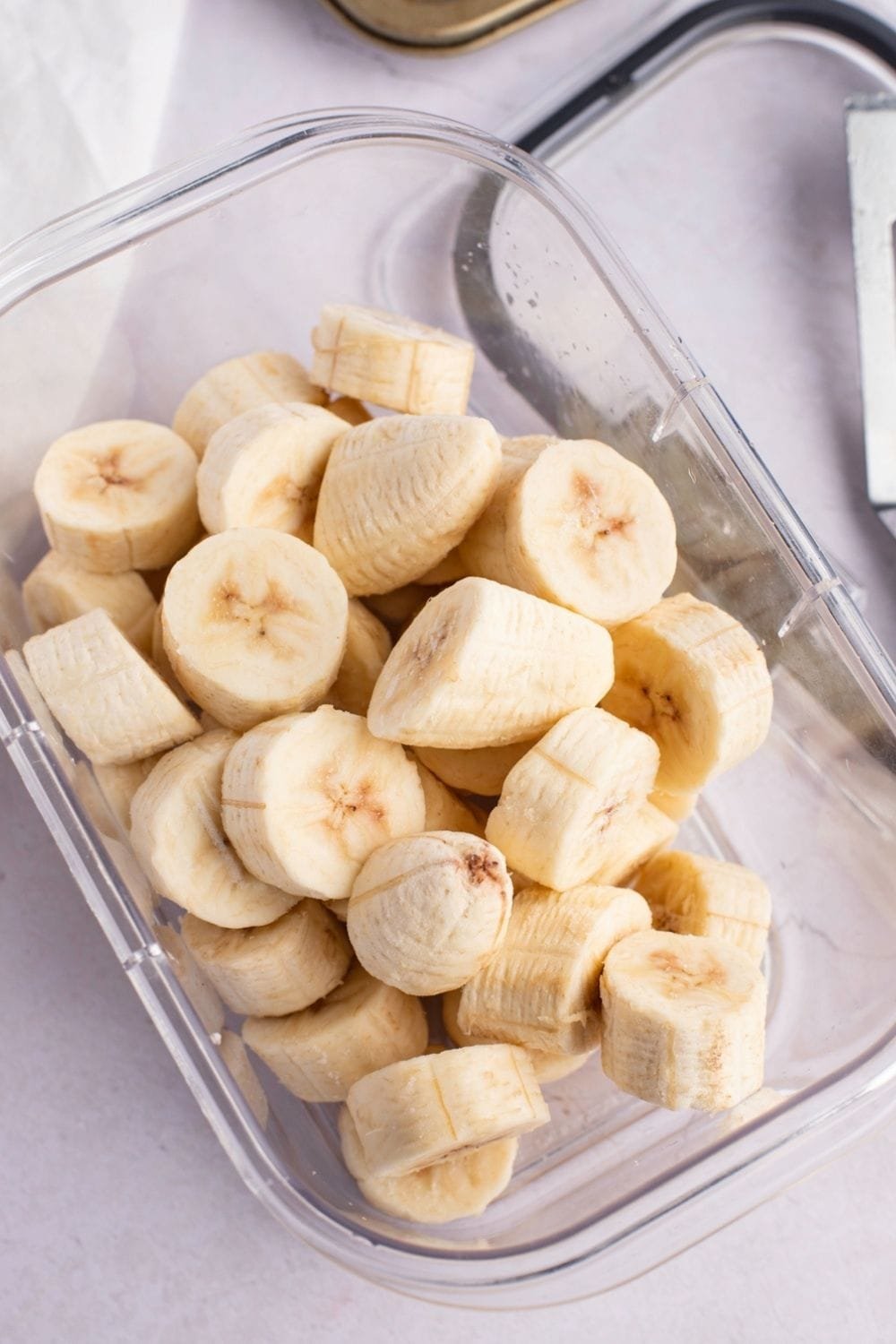
When you can see that the whole bunch will go too far before you can eat it, freeze the rest. Peel each banana, slice it into coins, and lay the slices in a single layer on a tray lined with parchment paper. Freeze for about two hours, then move the frozen slices into a freezer bag or airtight container. They keep for about three months and go straight into smoothies, where they make the drink thick and creamy without ice. Thawed banana slices also work in oatmeal and baking. For cut or sliced bananas you plan to keep in the fridge for a day or two, a squeeze of lemon or lime juice over the pieces slows browning, and an airtight container keeps them from drying out.
What to Do With Bananas That Are Already Too Ripe
Even with the best habits, some bananas will still go too far. Do not throw them away. A brown, spotty banana is at its sweetest, and that extra sugar is exactly what baking recipes want. Banana bread is the classic rescue, and our guide on how to keep bread fresh for longer will help your loaf stay soft once you bake it. Very ripe bananas also shine in smoothies, pancakes and muffins, where their flavor carries the whole dish. You can even mash one into oatmeal or freeze it for later baking, following the freezing method in tip seven. Turning overripe bananas into food you actually eat is the final step in cutting banana waste to zero.
Common Banana Storage Mistakes to Avoid
Most banana waste comes down to a few easy habits. Sealing bananas in a plastic bag is the biggest mistake, because the trapped moisture and gas speed up everything. Storing green bananas in the fridge is another classic error, since the cold damages the ripening process and leaves them starchy and dull. Piling the bunch under apples in the fruit bowl ranks high on the list too, thanks to the shared ethylene. Leaving them in direct sunlight or next to the stove quietly accelerates ripening as well. Finally, buying more than your household can eat in a week guarantees waste, no matter how well you store them. The same storage first thinking that saves your bananas works across the kitchen, as we cover in our freshness guides on how to keep potatoes from sprouting and how to keep fresh herbs fresh longer in the fridge.
How Long Do Bananas Actually Last?
With ordinary counter storage, a bunch of bananas stays good for about four to six days from the yellow stage. Adding the tricks in this guide stretches that to seven to ten days or more. Wrapped stems plus separation from other fruit is the combination most people find easiest, and it reliably buys an extra two to four days. Moving ripe bananas to the fridge extends the edible window to roughly two weeks, even though the peel darkens. Frozen banana slices hold their quality for about three months. Judge by the fruit, not the peel. A banana that feels firm and smells fresh is good to eat, even if the skin looks far from perfect.
Final Takeaways
Bananas ripen fast because they release ethylene gas from their stems, and every good storage trick manages that gas somehow. Buy at the right ripeness for your week, wrap the stems, and give the bunch its own space away from other fruit. Keep them at room temperature away from heat and sunlight, then move them to the fridge once they are perfectly ripe. Freeze anything you cannot eat in time. These seven habits are simple, they cost nothing, and they can easily double the life of a bunch. Pick two or three to start with and watch how much less fruit you throw away.
Frequently Asked Questions
Can you put bananas in the fridge?
Yes, once they are fully ripe and yellow. The cold slows ripening and keeps the fruit inside fresh for up to two weeks. The peel will darken, which is harmless. Do not refrigerate green bananas, because the cold can stop them ripening properly.
Does wrapping the stems of bananas really work?
Yes. The stems release the most ethylene gas, which drives ripening. Wrapping them tightly in plastic wrap or foil traps much of that gas and can add two to four extra days of freshness. Rewrap the exposed stems each time you remove a banana.
Why do my bananas turn brown so fast?
Heat, sunlight and nearby ripe fruit are the usual causes. Bananas also ripen faster when sealed in plastic bags or piled in a crowded fruit bowl with apples or avocados, which share extra ethylene gas. Moving them to a cool, shaded spot on their own slows the process down.
Are brown bananas safe to eat?
Absolutely. Brown spots mean the banana is very ripe and extra sweet. As long as the fruit smells fresh and shows no mold, it is fine to eat or bake with. In fact, heavily speckled bananas make the best banana bread and smoothies.
How long do bananas last in the freezer?
Peeled banana slices keep their quality for about three months in the freezer when stored in an airtight bag or container. Freeze them in a single layer on a tray first so the slices do not stick together, then bag them for smoothies and baking.
